
Reviewed · SANTIAGO TOURS
An Architect’s Tour of Downtown Santiago
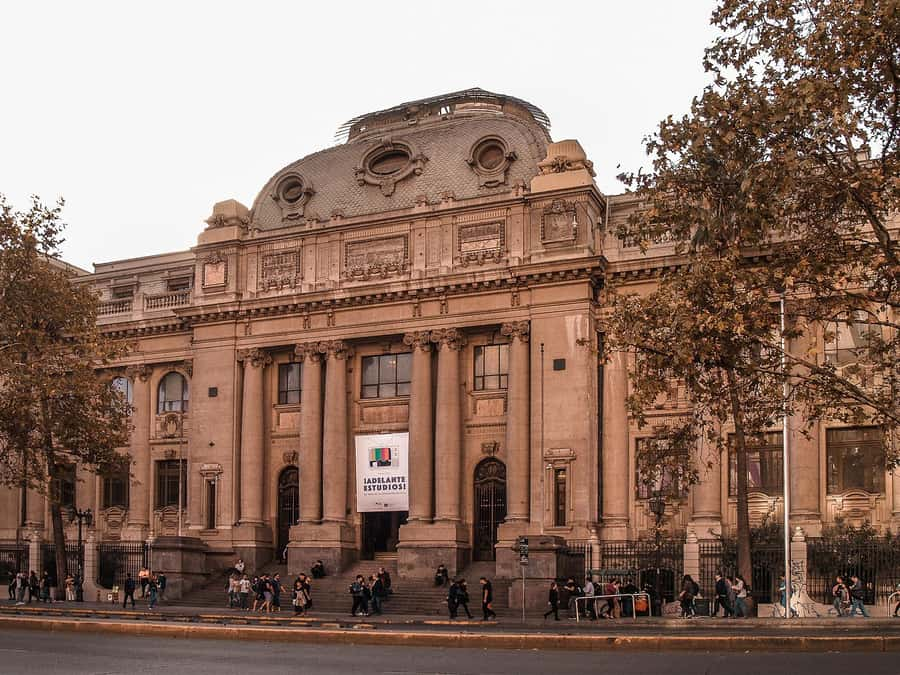
Santiago’s downtown makes more sense when you read its buildings as part of the city’s political and social story. On this three-hour walk, architect Diego Inzunza leads you from Plaza Baquedano to La Moneda, explaining why the city looks the way it does and what its architecture says about Chile.
I like the small group, limited to eight people, and I like that you can ask questions instead of simply following a flag through the streets. The coffee, restroom, and possible money exchange stops also make the route practical. The main consideration is pace: three hours on foot can feel long if you want only a quick introduction, and children under 10 are not suited to this tour.
Key points at a glance
- A local architect leads the walk: Diego Inzunza was born in Chile, graduated in architecture in 2016, and has worked as an architect and guide for more than six years.
- The route links major sights: You’ll pass through Barrio Lastarria, Universidad Católica de Chile, Cerro Santa Lucía, Iglesia San Francisco, Barrio Paris-Londres, and La Moneda.
- Politics and design are connected: The tour explains how periods of social and political change shaped Santiago’s buildings and public spaces.
- Small groups improve the conversation: With no more than eight participants, you have room to ask about details that catch your eye.
- English and Spanish are available: Diego speaks fluent English after living in the United States for 10 years.
- It is a walking tour with useful pauses: Comfortable shoes are essential, and coffee, restroom, bank, or money exchange stops may be added along the way.
Start at Plaza Baquedano, Santiago’s great meeting point
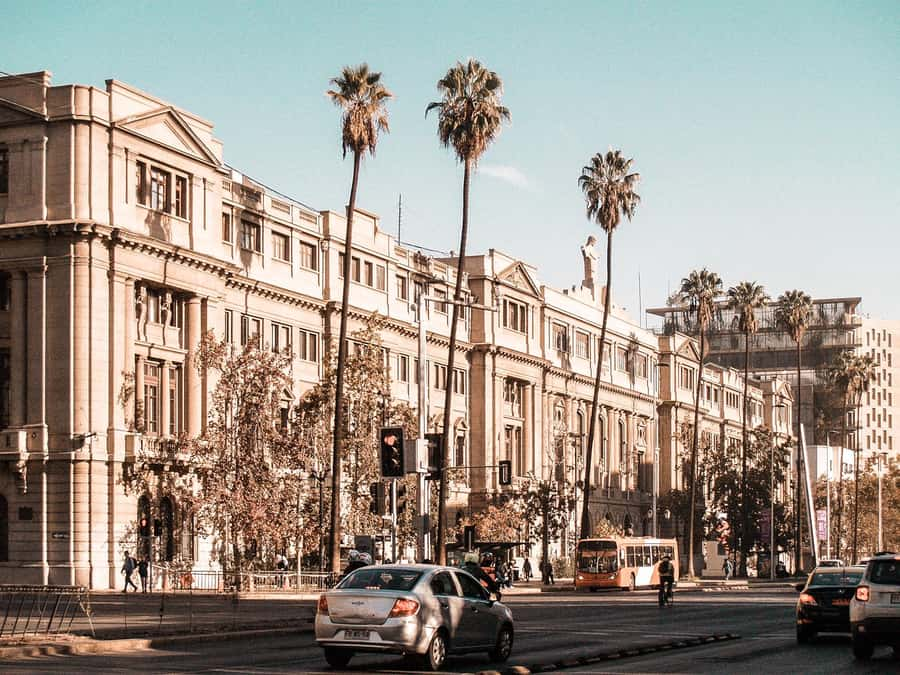
The walk begins at Plaza Baquedano, next to Teatro Universidad de Chile. The meeting point is easy to recognize because this is one of Santiago’s key intersections, where major roads and important neighborhoods meet.
Starting here is a smart choice. Plaza Baquedano sits between central Santiago and the eastern part of the city, so it gives Diego a natural place to explain how Santiago grew, changed, and connected its districts. You are not beginning with a single isolated building. You are beginning with an urban crossroads.
Expect the first part of the tour to set the tone. Diego uses the city itself as his classroom, pointing out the relationship between streets, public buildings, landmarks, and the events that shaped them. You do not need to know architectural terms beforehand. If you are curious about a facade, a plaza, or a particular building, you can ask as you go.
The route begins at Av. Providencia 43, with the meeting point identified at Plaza Baquedano beside the theater. Check the exact meeting instructions when booking, since this is a busy area with several nearby streets and transport connections.
A few more Santiago half-days worth a look
- Santiago: Cajon del Maipo/Embalse del Yeso Tour with Picnic
★ 4.3 · 3,789 reviews - Santiago: Vina Del Mar, Valparaiso, Casablanca & Reñaca Tour
★ 4.2 · 2,838 reviews - Small-Group Cajón del Maipo Full-Day Tour and Picnic
★ 4.5 · 2,277 reviews
Barrio Lastarria adds everyday city life to the route
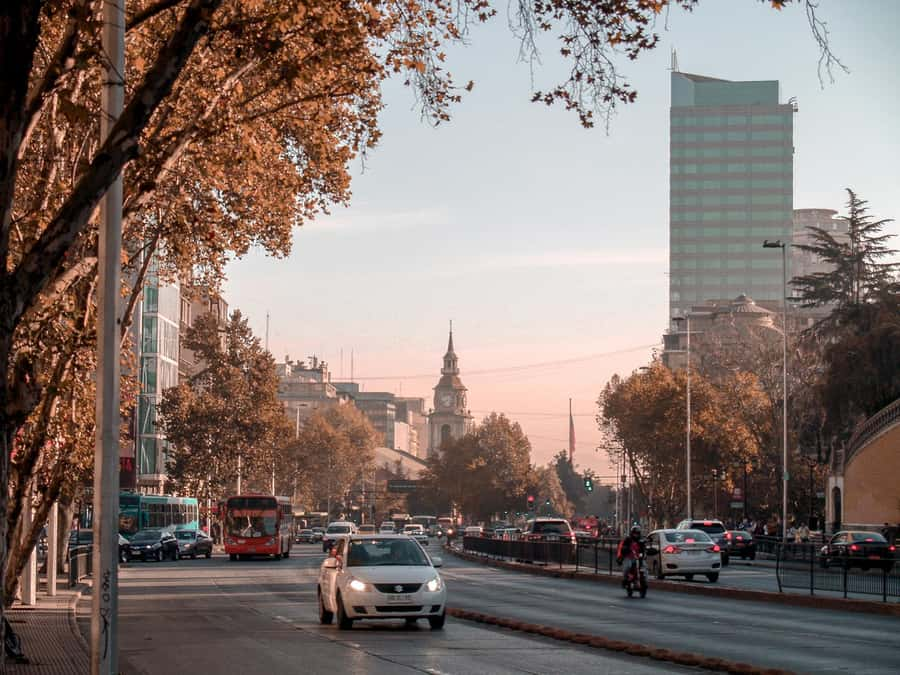
Barrio Lastarria is one of the first major areas included in the walk. Its value is not only visual. This neighborhood helps show how Santiago mixes older structures, cultural life, restaurants, shops, and public spaces within a compact downtown setting.
A guide with architectural training can draw your attention to things that are easy to miss on a normal stroll. You might look at the proportions of a building, the way a street opens toward a landmark, or how newer uses fit into older structures. The point is not to turn the neighborhood into a technical lecture. It is to help you see the decisions behind the streetscape.
I especially like this part for visitors who want more than a checklist of sights. Lastarria gives you a sense of how Santiago functions as a living city, not just a collection of monuments. You will also have opportunities for photographs, and Diego can spend extra time on a place if the group wants to look more closely.
The tradeoff is that a walking tour cannot cover every corner. If you enjoy lingering over cafes, shops, or individual buildings, you may need to return to Lastarria on your own after the tour.
Universidad Católica de Chile and the role of institutions
The route includes Universidad Católica de Chile, an important stop for understanding the role of institutions in Santiago. Universities are more than educational sites here. They help explain the city’s intellectual, cultural, and civic life.
Diego discusses architectural styles and the reasons behind the appearance of the buildings you see. He also places them within Chile’s wider story, including periods of political and social change. This is where the tour moves beyond simple sightseeing. A university building becomes a way to talk about who shaped the city, what values public architecture expresses, and how the city’s identity developed.
You should find this section especially useful if you like history, politics, or urban planning. One of the strongest features of the walk is the connection between physical design and public events. You are not only hearing when a building was made. You are learning why its form and setting matter.
Because the group is small, this is a good moment to ask specific questions. You can ask about a style you recognize, a detail you do not understand, or a place that you want to photograph. No previous architectural study is needed.
Cerro Santa Lucía brings the city into view
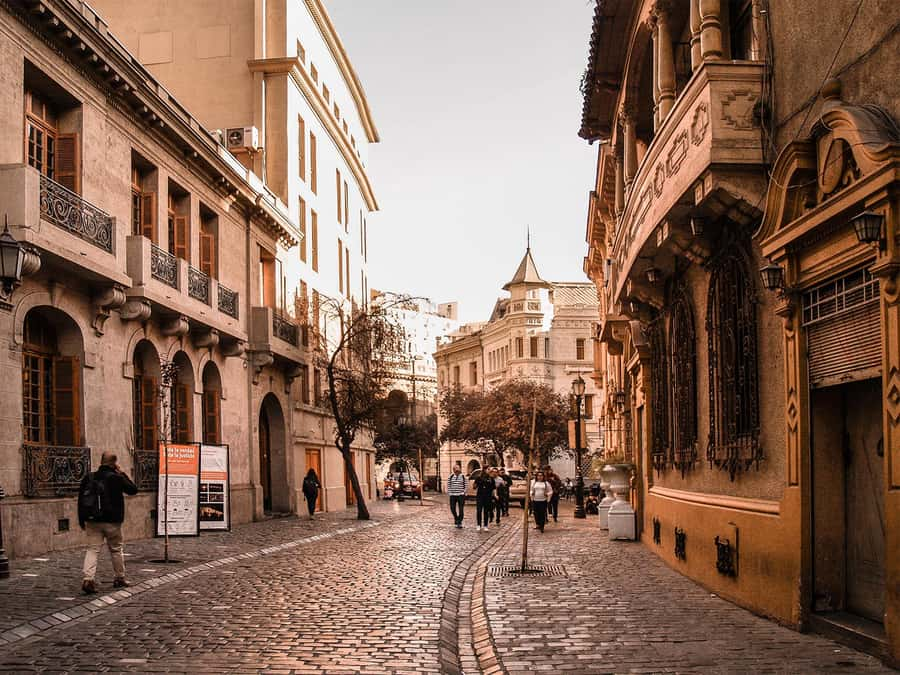
Cerro Santa Lucía is one of the route’s major landmarks. The hill gives the tour a change of scale. Instead of studying individual buildings at street level, you get a chance to consider Santiago as a whole and see how its central districts relate to one another.
The stop also adds historical context to the walk. Diego explains the importance of places, not just their appearance, so Cerro Santa Lucía becomes part of the larger story of Santiago’s growth and public identity.
This is a good place for photographs, but remember that the activity is still a guided walk with a fixed three-hour duration. You may have time to enjoy the setting, but this is not designed as an extended visit with unlimited free time.
The tour is listed as wheelchair accessible, which is useful information for planning. Still, a route involving several downtown sights can have different surfaces, crossings, and walking conditions. If you need specific assistance, contact the provider before booking and confirm how the full route works for you.
Same corner of Chile, a completely different day out:
- Santiago: Cajon del Maipo & Embalse El Yeso Trip with Picnic
★ 4.5 · 1,859 reviews - Tourist bus around Santiago for a day
★ 4.5 · 1,857 reviews - Viña Del Mar-Valparaiso -Casablanca -Reñaca-Oceanic Rock-Concon
★ 4.5 · 1,564 reviews - Santiago: Valparaiso, Viña del Mar, & Casablanca Valley Tour
★ 4.8 · 1,491 reviews
Iglesia San Francisco shows Santiago’s older character
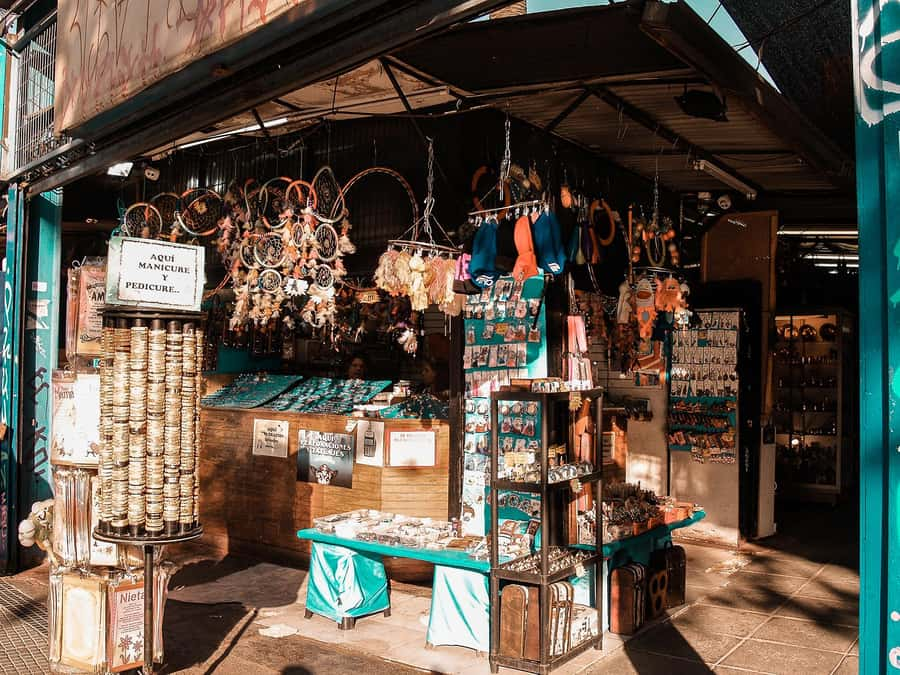
Iglesia San Francisco brings a different architectural period into view. It helps create contrast with the university and neighborhood stops, allowing you to see how Santiago’s built environment developed across different eras.
A regular sightseeing walk might point out the church and move on. Here, the emphasis is on why the building looks as it does, what style choices reveal, and how the site fits into Chilean history. Diego’s background gives him a useful way to explain these details without assuming that you already understand architecture.
I like this approach because it makes old buildings easier to read. You can look at the structure, listen to the historical explanation, and then apply the same habit to buildings you encounter later in your trip.
The route includes time for questions and photographs, but you should not expect a formal interior tour unless the guide specifically says one is available. The supplied details place the church on the walking route, not as a separate admission-based visit.
Paris-Londres offers a compact lesson in urban design
Barrio Paris-Londres is another distinctive stop. Its name alone hints at the European influence that appears in parts of Santiago’s architecture, but the important point is how the neighborhood fits into Chile’s own urban story.
Diego uses places such as this to explain the link between design and historical change. You may notice street layouts, building fronts, and details that would be easy to pass without a second thought. The guide’s job is to give those features context.
This part of the route should appeal to anyone who enjoys smaller streets and quieter architectural details more than grand civic monuments. It also gives the walk variety. You move from large intersections and public institutions to a neighborhood where the scale feels more intimate.
As with Lastarria, you might want to return later if you enjoy photography. The three-hour schedule provides a strong introduction, but it cannot offer unlimited time at every stop.
La Moneda gives the walk a clear finish
The tour ends at Chile’s Civic Center, with La Moneda, the presidential palace, as the final major destination. This ending makes sense because the route has been building toward the political heart of Santiago.
By the time you arrive, you have seen neighborhoods, religious architecture, a university, a hill, and historic streets. La Moneda helps tie those pieces together. Diego explains how architecture and design connect with the political and social changes that shaped Chile.
Ending here is also practical. You are not dropped in an isolated spot. Public and private transport are available only a short distance away, although the tour does not include a ride back to your hotel or other destination.
Plan your onward route before the walk ends, especially if you have a timed booking elsewhere. The guide can provide a useful final orientation, but transportation after La Moneda is your responsibility.
What Diego adds as an architect and local guide
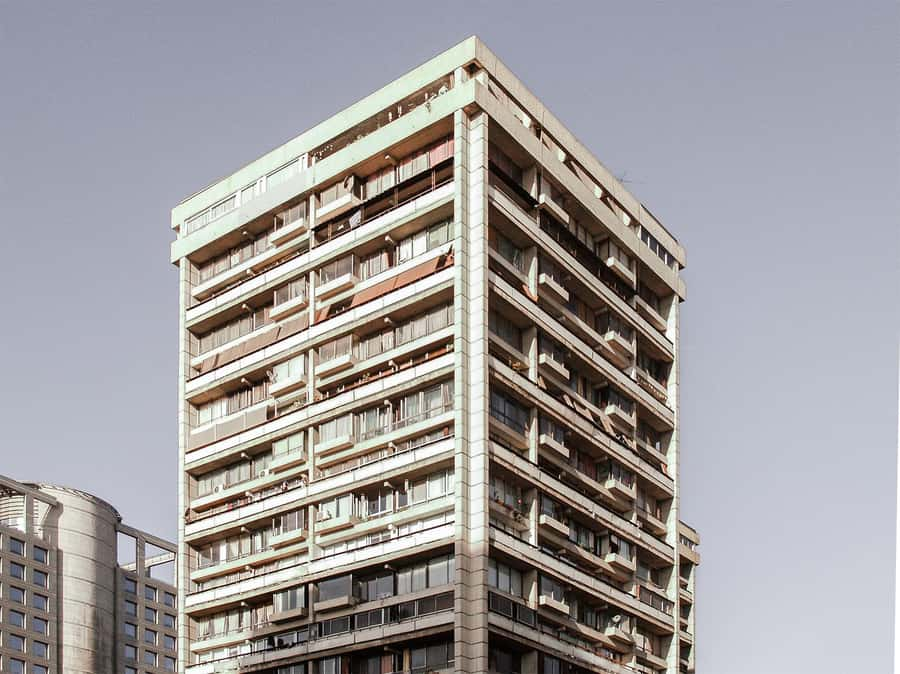
The central reason to choose this tour is Diego himself. He is a Chilean architect who graduated in 2016 and has worked as both an architect and guide for more than six years. He also lived in the United States for 10 years, so his English is fluent.
That background matters because the tour is built around explanation and conversation. Diego can discuss architectural styles, the purpose behind design choices, and the historical events connected to them. The strongest praise for the experience focuses on his passion, friendly manner, clear explanations, and ability to keep the group engaged for the full three hours.
You should expect a guide who is comfortable discussing more than facades. The tour covers politics, social change, history, and design, so it suits people who want to understand why Santiago developed as it did.
It is also flexible in a useful way. You can ask about a building that catches your attention, spend more time taking photographs, or request clarification when a subject becomes complicated. This is a better fit for curious visitors than for anyone who prefers a silent walk with a fixed script.
Why the group size matters
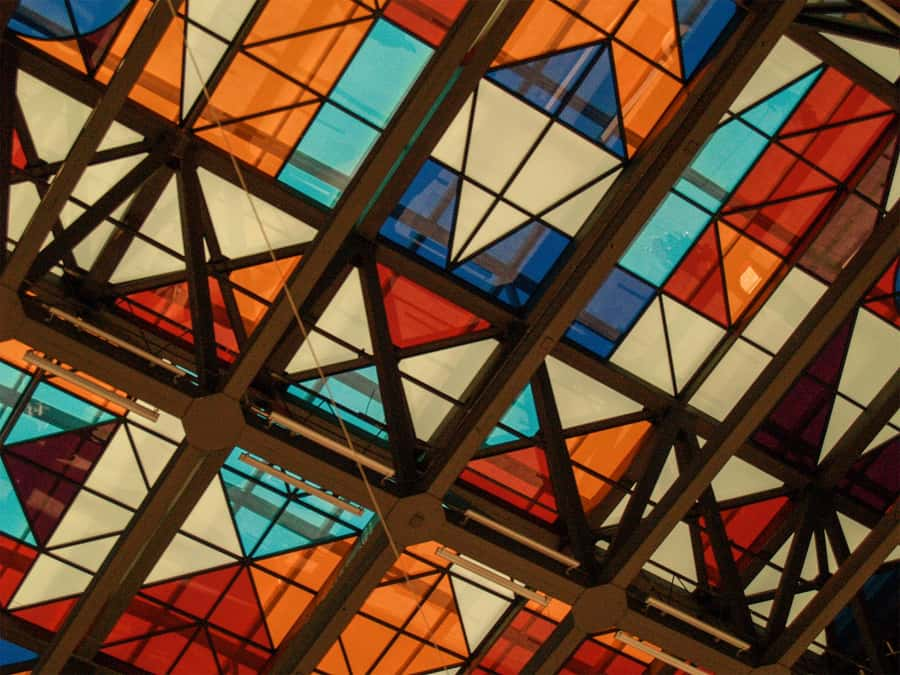
The maximum group size is eight people. That is small enough for a genuine conversation and gives Diego a reasonable chance to respond to individual questions.
Small groups are especially useful on an architecture tour. You may want to stop for a detail that another person has not noticed, or you may want a simpler explanation of a technical point. A large group often makes that difficult. Here, the format encourages participation.
The small group does not mean the tour is private. You will still be sharing the guide with other participants, and the pace must work for the group as a whole. If you want a completely personal itinerary, this may not be the right format. If you want expert guidance without the feel of a large coach tour, it is a good middle ground.
The activity is available in English and Spanish. Choose the language that lets you ask questions comfortably, since conversation is a major part of the value.
Coffee, restrooms, and practical walking advice
The route has been planned with practical stops in mind. A coffee break and restroom stops can be included, along with extra stops for needs such as a bank or money exchange.
These pauses are more important than they may sound. Three hours on foot is manageable for many people, but it is easier when you do not have to search for a restroom or interrupt the group to handle an essential errand. The exact stops can depend on what the group needs along the way.
Wear comfortable shoes. This is the one item specifically recommended, and it is sensible advice for a downtown walk that links several neighborhoods and landmarks.
Jewelry is not allowed. Souvenir purchases are possible at several points on the route, so bring only what you need and leave room in your plans if you want to shop.
The tour is not suitable for children under 10. Older children and teenagers may enjoy it if they are interested in buildings, history, or politics, but the discussion-heavy format is aimed at people who can stay engaged during a three-hour walk.
Is $59 a fair price?
At $59 per person, this costs more than a basic city orientation walk, but the comparison is not quite fair. You are paying for a small group, three hours, a native-born Chilean architect, and a tour built around interpretation rather than simple directions.
The value is strongest if you would otherwise walk through central Santiago without understanding the buildings around you. Diego’s explanations can give you a framework for the rest of your visit. You may notice architectural choices, civic spaces, and historical connections that would otherwise pass unnoticed.
It is less valuable if you want rapid transportation between sights, long unscheduled visits, or a broad bus tour covering a large part of Santiago. This is a focused experience. Its price makes the most sense for visitors who care about the reasons behind the city’s appearance.
Free cancellation up to 24 hours before the start gives you some flexibility, and you can reserve now and pay later. Those terms are useful if your Santiago schedule is still shifting.
Who should book this Santiago walk?
I would choose this tour if you enjoy history, architecture, politics, photography, or thoughtful city walks. It is also a good first-day activity because it introduces several central districts and ends at La Moneda, near transport and other downtown sights.
It suits solo visitors and couples who want conversation, as well as small groups who prefer a more personal experience. English speakers should find communication easy, and Spanish is also available.
I would skip it if you dislike walking, want a short photo stop at each landmark, or prefer to explore independently. The tour asks you to give Diego three hours and pay attention to the connections between buildings and events.
Should you book it?
Book it if you want Santiago explained by someone who understands both its architecture and its Chilean context. The strongest parts are Diego’s passion, the small group, the chance to ask questions, and the route from Plaza Baquedano through Lastarria, Santa Lucía, San Francisco, Paris-Londres, and La Moneda.
Before booking, make sure you are comfortable with three hours on foot, bring comfortable shoes, and confirm the meeting details at Plaza Baquedano. For an interested adult or older teenager, this offers more lasting value than a quick monument checklist.
FAQ
How long is the Architect’s Tour of Downtown Santiago?
The tour lasts three hours.
Where does the tour meet?
The meeting point is Plaza Baquedano, next to Teatro Universidad de Chile. The starting location is also listed at Av. Providencia 43.
Where does the tour end?
The walk ends at Chile’s Civic Center, beside La Moneda, the presidential palace.
Which languages are available?
The live tour is available in English and Spanish.
Who leads the tour?
The guide is Chilean architect Diego Inzunza. He graduated in architecture in 2016 and has worked as an architect and guide for more than six years.
What places are included?
The route includes Barrio Lastarria, Universidad Católica de Chile, Cerro Santa Lucía, Iglesia San Francisco, Barrio Paris-Londres, and La Moneda, among other downtown locations.
How many people can join the group?
The group is limited to eight participants.
Is the tour wheelchair accessible?
Yes, the activity is listed as wheelchair accessible.
What should I bring, and are there any restrictions?
Bring comfortable shoes. Jewelry is not allowed. Children under 10 are not considered suitable for the tour.
Newest Santiago trips on the site
- Walking City Tour with Funicular, Cable Car and Tasting★ 4.3 · 6 reviews
- VIÑA DEL MAR AND VALPARAISO TOUR★ 4.8 · 20 reviews
- Undurraga Wine tour★ 4.2 · 15 reviews
- Coast and Color: Discover Viña and Valparaíso in a Day★ 5.0 · 58 reviews
- Valparaiso & Casablanca : Wine, Gastronomy and Living Culture★ 5.0 · 37 reviews
- Traditional Dinner Show in Santiago★ 4.5 · 41 reviews
- Private Cruise Transfer : Santiago → Valparaiso or San Antonio★ 4.5 · 51 reviews
- Valle nevado Sunset★ 5.0 · 40 reviews
Santiago Tours, compared.

Cajon del Maipo/Embalse del Yeso Tour with Picnic
Read our review →
Vina Del Mar, Valparaiso, Casablanca & Reñaca Tour
Read our review →
Small-Group Cajón del Maipo Full-Day Tour and Picnic
Read our review →
Cajon del Maipo & Embalse El Yeso Trip with Picnic
Read our review →
Valparaiso -Casablanca -Reñaca-Oceanic Rock-Concon
Read our review →
Valparaiso, Viña del Mar, & Casablanca Valley Tour
Read our review →
Viña del Mar, Valparaiso & Casablanca Valley Tour
Read our review →Browse the lists this tour appears in