
Reviewed · SANTIAGO TOURS
Santiago Cathedral’s Bell Tower Official Tour
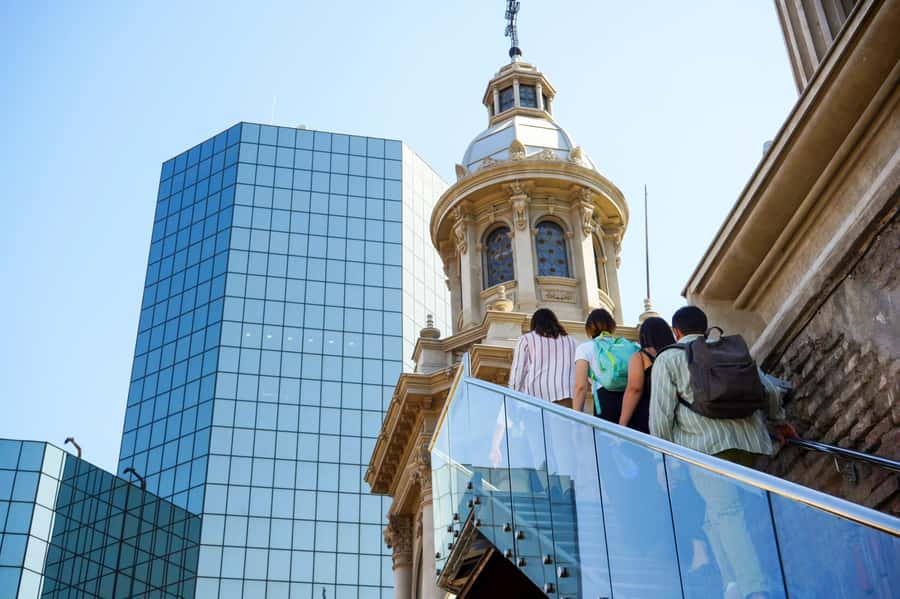
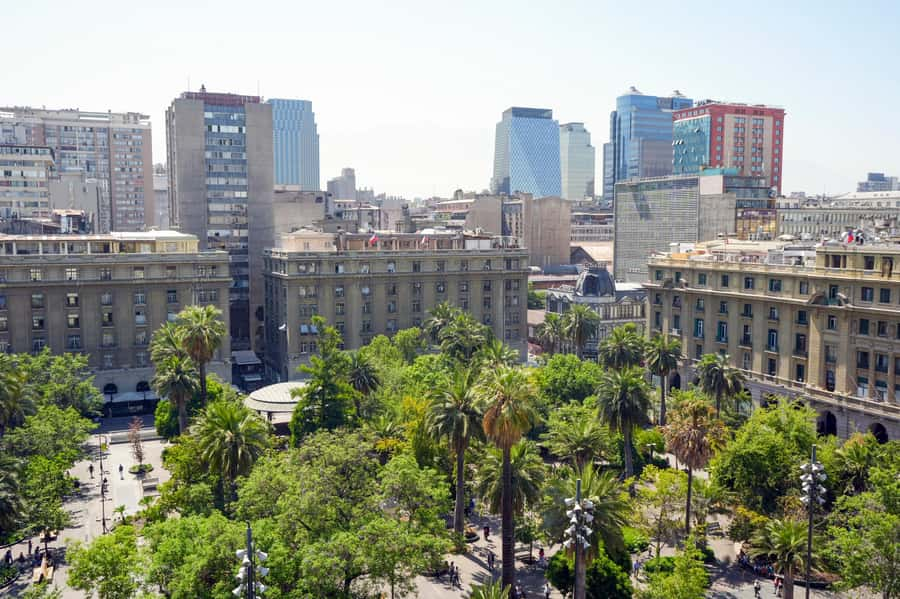
Santiago’s best view of Plaza de Armas may come from an unlikely place: the bell tower of the Metropolitan Cathedral. This 35-minute tour takes you above the cathedral roofline, past its old bells, and onto a lookout with clear views of the square, the city hall, Correos de Chile, and the National Historical Museum.
I like the short format, which fits neatly into a morning or afternoon of sightseeing, and I like the mix of architecture, local history, and a real climb rather than a view reached by elevator. The drawback is clear: the tower requires extensive stairs, has no universal access, and the experience is limited to people over 12.
Key points to know before you climb
- The view is the main event: Look down over Plaza de Armas and Santiago’s historic center from the top of the cathedral towers.
- The cathedral dates to the 1700s: Construction of the current building began in 1745, and it was consecrated in 1775.
- The route includes Patio de los Naranjos: Orange trees give this cathedral courtyard a distinctive touch.
- You will climb many stairs: This is not suitable for people with mobility impairments.
- Guides work in English and Spanish: Brandon and Javiera are names associated with especially clear and engaging tours.
- The price is modest: At $11 per person, the tour offers a focused historical visit and a special city view in only 35 minutes.
Why the cathedral tower gives you a different Santiago view
Plaza de Armas is one of the easiest places in Santiago to get your bearings. The Metropolitan Cathedral occupies one side, with major civic and cultural buildings close by. From street level, you see the cathedral facade and the square. From the bell tower, you see how these buildings fit together.
That change in height matters. The lookout gives you a broad view of the historic center, including the Municipality of Santiago, Correos de Chile, and the National Historical Museum. You also look directly over Plaza de Armas, which helps you connect the places you may have passed at ground level.
I like this kind of city view because it does more than provide a photograph. It gives you a useful map in your head. After the climb, the buildings around the square make more sense, and your walk through central Santiago has a clearer shape.
The tower itself is not a modern observation deck. You reach the viewpoint by climbing through an old religious building, using stairs built into a structure that dates back centuries. That gives the visit a more physical quality than a lift ride to a high platform. It also means you should treat the climb as a serious part of the experience, not a minor detail.
A few more Santiago half-days worth a look
- Santiago: Cajon del Maipo/Embalse del Yeso Tour with Picnic
★ 4.3 · 3,789 reviews - Santiago: Vina Del Mar, Valparaiso, Casablanca & Reñaca Tour
★ 4.2 · 2,838 reviews - Small-Group Cajón del Maipo Full-Day Tour and Picnic
★ 4.5 · 2,277 reviews
Meeting at Plaza de Armas and finding the guide
The meeting point is the main entrance of the Metropolitan Cathedral, facing Plaza de Armas at 498. Guides wear red Turistik jackets, so look for that color near the entrance.
This is a busy central location, and the square has several prominent buildings around it. Give yourself enough time to identify the cathedral entrance and the guide before the scheduled start. One booking ended poorly when the participant could not find the guide and waited 25 minutes before visiting the church alone. That appears to be an exception, but it is a useful warning: arrive early, stay near the main entrance, and look actively for the red jacket.
You need to bring a passport or identity card. The tour is offered in English and Spanish, with a live guide rather than an audio recording. If you have a language preference, confirm it when booking or at the meeting point.
The short duration also makes timing important. The guided portion lasts about 30 minutes, while the full activity is listed as 35 minutes. You will not have a long window to wander away from the entrance before the climb begins.
Inside the Metropolitan Cathedral, from 1745 to today
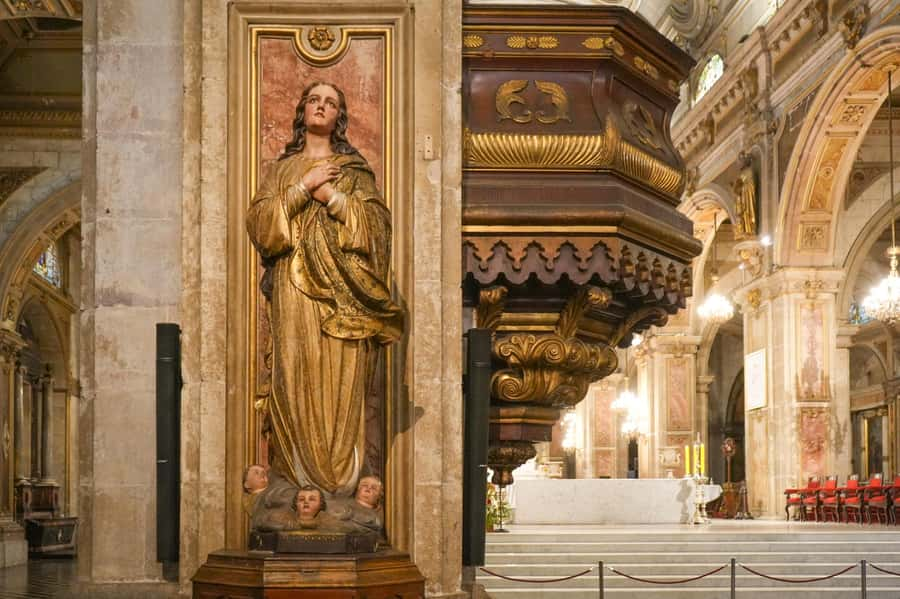
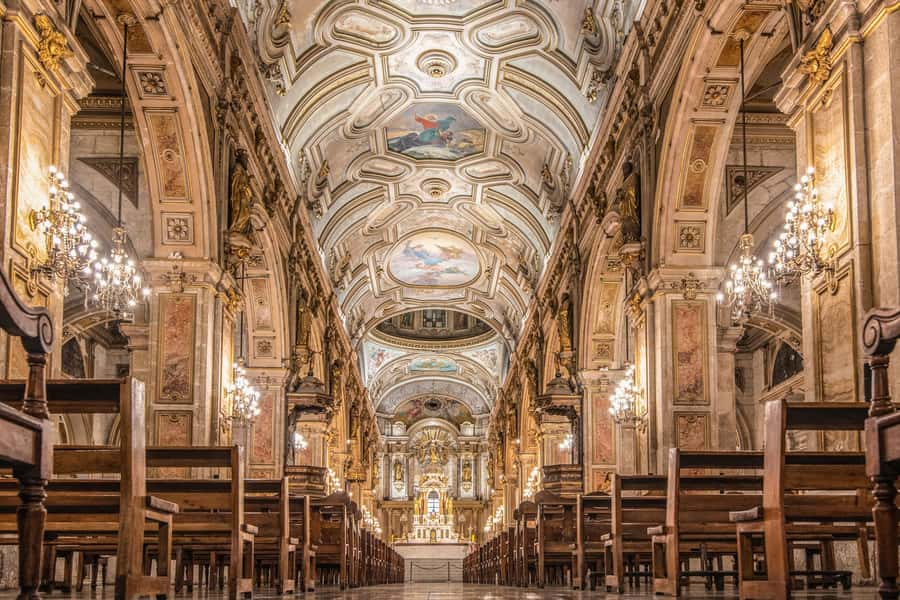
The present cathedral is the fifth church built on this site facing Plaza de Armas. Construction of the current temple began in 1745, and the building was consecrated in 1775.
That timeline gives the tour useful context. You are not simply entering an old church and being shown a staircase. You are walking through a building that formed part of Santiago’s central civic setting during the colonial period and continued to serve the city as its main cathedral.
Several years after the cathedral was consecrated, Italian architect Joaquín Toesca took charge of the current facade. His work helps explain why the building has such a formal presence on the square. The cathedral was declared a Historic Monument of Chile on July 6, 1951.
I would pay close attention to the guide’s explanations here. A short tour cannot cover every architectural detail, but a good guide can connect the building’s dates, facade, courtyard, bells, and location in a way that makes the visit feel coherent. Brandon has been praised for being friendly, clear, entertaining, and able to answer questions. Javiera has also received strong praise for her guiding.
The guide’s role matters more than usual on this tour because the route is compact. You are not spending hours inside a vast museum. The value comes from the context supplied during each short section of the climb.
Patio de los Naranjos and the quieter side of the cathedral
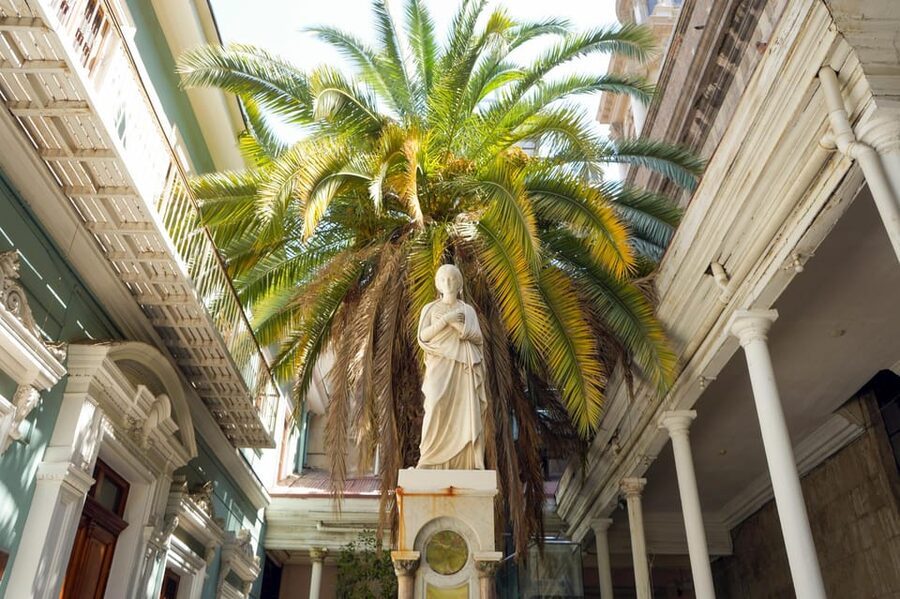
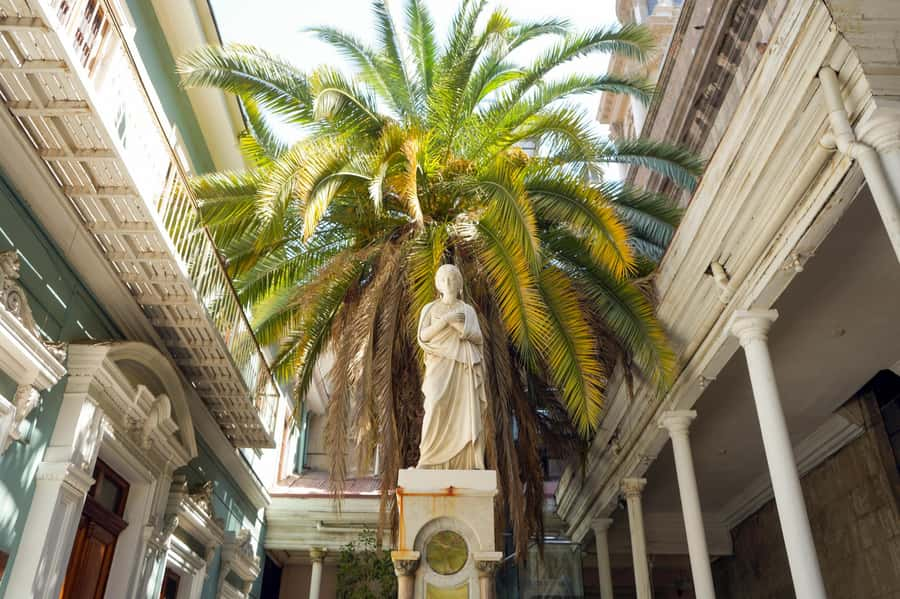
The Patio de los Naranjos is one of the more distinctive places included in the visit. Its name refers to the orange trees within the cathedral complex.
This courtyard gives you a pause before or during the climb. Plaza de Armas can feel full of movement, while the patio offers a more contained setting inside the cathedral grounds. The orange trees also add a strong sense of place. They are a small detail, but they help separate this visit from a quick look at the facade from the square.
Do not expect the patio to be a large garden or a separate attraction. Its value is in the contrast between the open civic square outside and the enclosed cathedral space within. Your guide can use it to explain how the building functions as both a religious site and one of the central landmarks of Santiago.
The supplied details do not specify how long the group spends in each area, so the exact balance between patio, interior, tower, and lookout may vary. The overall activity remains short, with the climb and view taking up much of the visit.
Same corner of Chile, a completely different day out:
- Santiago: Cajon del Maipo & Embalse El Yeso Trip with Picnic
★ 4.5 · 1,859 reviews - Tourist bus around Santiago for a day
★ 4.5 · 1,857 reviews - Viña Del Mar-Valparaiso -Casablanca -Reñaca-Oceanic Rock-Concon
★ 4.5 · 1,564 reviews - Santiago: Valparaiso, Viña del Mar, & Casablanca Valley Tour
★ 4.8 · 1,491 reviews
The stair climb to the ancient bells
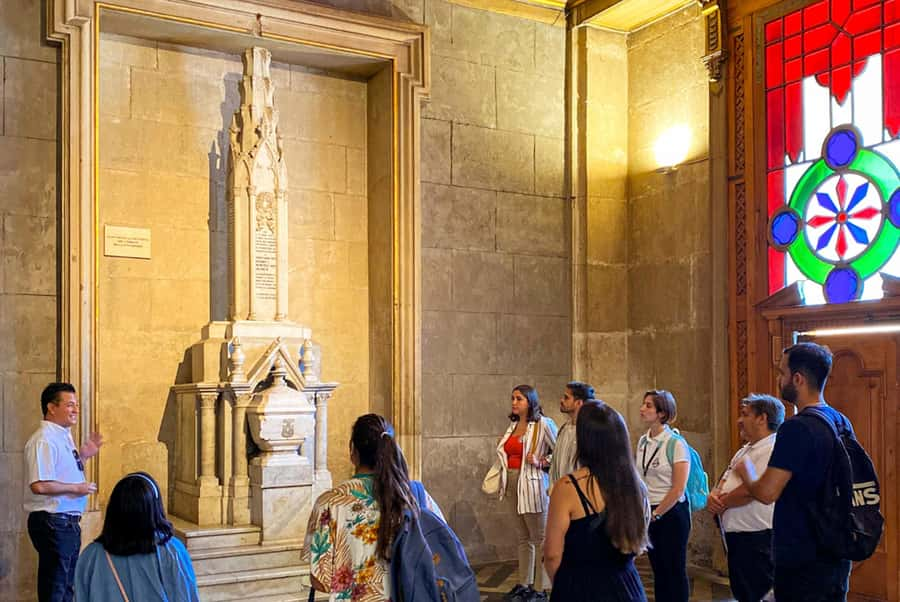
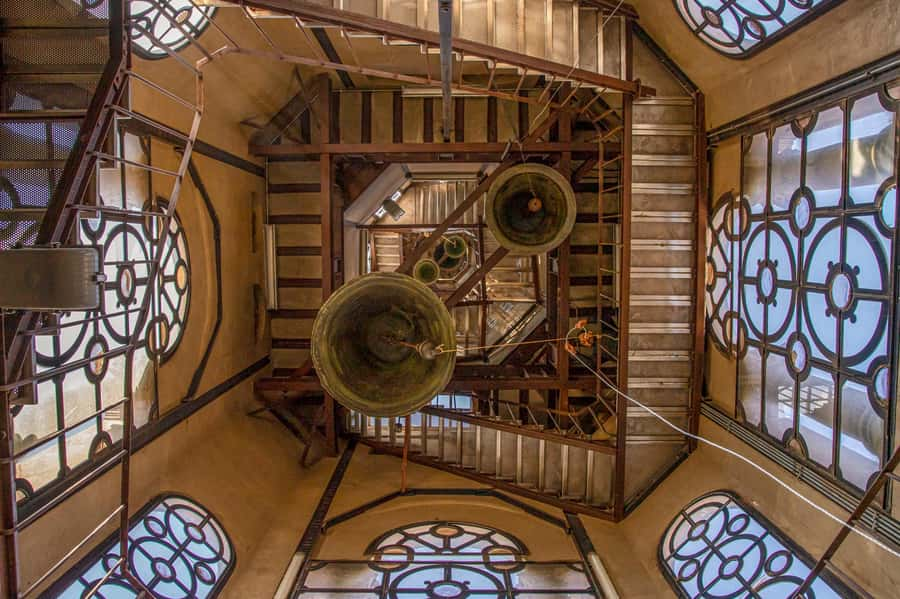
The route continues upward through extensive stairs to the bell towers. The ancient bells are one of the most interesting parts of the experience because they give the tower a working historical purpose. You are not just climbing to a roof. You are reaching the place where the cathedral’s bells are located.
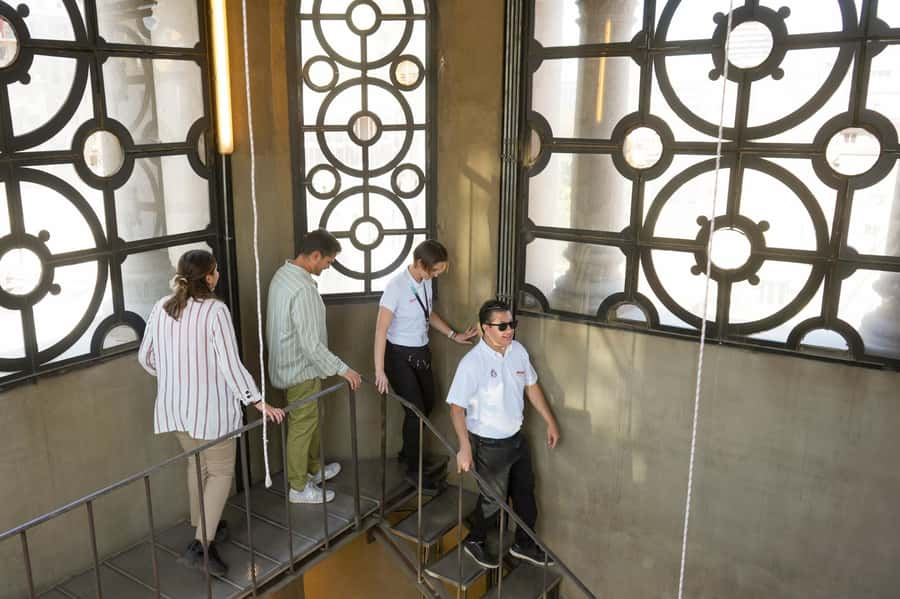
The stairs are also the main practical test. This experience is not suitable for people with mobility impairments, and the cathedral does not offer universal access because of its date of construction. The information provided does not give a precise stair count, so you should prepare for a sustained climb rather than expect a few steps.
I would choose comfortable shoes and avoid carrying more than you need. You must bring identification, but there is no reason to load yourself with a heavy day bag for such a short activity. Take the climb at your own pace when possible, and be realistic about your comfort with narrow or demanding historic stairs.
The route may suit teenagers and active adults who enjoy getting behind the scenes of an old building. It is exclusive to people over 12, so families with younger children cannot book this particular activity. The age rule also helps keep the climb focused and manageable.
The lookout above Santiago’s historic center
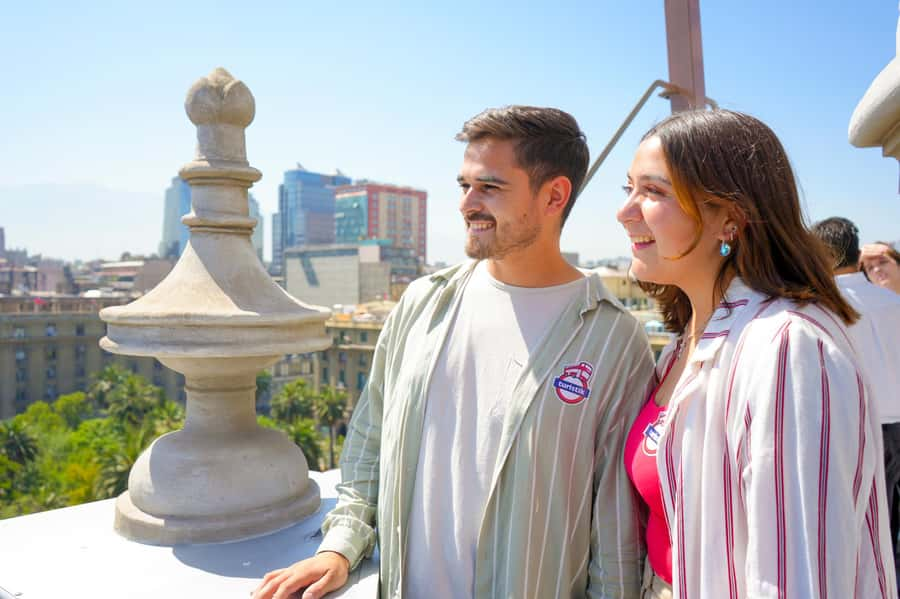
At the top, the reward is a panoramic view over central Santiago. Plaza de Armas sits below, with the Municipality of Santiago, Correos de Chile, and the National Historical Museum nearby.
This is the point where the earlier history becomes useful. You can connect the cathedral’s position with the civic buildings around it and see why this square has remained an important center of the city. The viewpoint is especially helpful if you are planning to explore the area on foot afterward.
The view is described as a panorama of the city center rather than a sweeping outlook over all of Santiago. Keep that in mind when deciding what you want. You are booking a historic-center viewpoint, not a high mountain lookout or a full-city observation platform.
That focus is a strength for many people. You get a close view of one of Santiago’s most important public squares and its surrounding architecture. If your main goal is to see the distant Andes or a wide view across the entire city, this may not be the right experience. The available information does not promise that kind of outlook.
Weather can also affect the quality of any city view, but no weather guarantee is provided. The tour remains worthwhile for the cathedral itself, yet the lookout is the reason I would reserve a place.
Does $11 offer good value?
At $11 per person, I consider this a good-value add-on for anyone already visiting Plaza de Armas. The price includes a bilingual guide and access to the cathedral bell tower. It does not include food, though the activity is short enough that lunch is not really part of the plan.
You are paying for three things: access to an area you would not normally reach during a standard church visit, live historical explanation, and a distinctive view over the square. The tour does not occupy half a day, require transport, or bundle unrelated stops into the schedule.
That narrow focus helps the value. You can fit it around other central Santiago plans, such as visiting nearby civic buildings or museums. The activity returns to the same cathedral entrance, so there is no complicated transfer at the end.
I would not book it simply because it is inexpensive. The stairs are a real condition, and the tour is too brief for anyone seeking a detailed architectural study. But if you want a quick, guided look at one of Santiago’s key buildings, $11 is a fair price.
A rating of 4.7 from 58 reviews supports the idea that the basic experience works well for most people. The strongest praise centers on the guides, especially Brandon, who is described as friendly, entertaining, clear, and dedicated. That is important because the tour depends heavily on the guide’s ability to make a short route informative.
How to make the most of the 35 minutes
I would plan to arrive at the cathedral entrance a little early. Find the main door facing Plaza de Armas, then look for the red Turistik jacket. Keep your passport or identity card ready.
Before the tour starts, consider taking a quick look at the buildings around the square. This gives you reference points for the view from above. Once you reach the lookout, you will recognize the Municipality of Santiago, Correos de Chile, and the National Historical Museum more easily.
During the tour, listen for the links between the building’s dates and its design. The key facts are simple but useful: this is the fifth church on the site, construction of the current cathedral began in 1745, the temple was consecrated in 1775, Toesca later worked on the facade, and the cathedral became a Chilean Historic Monument in 1951.
If you have a question, ask it. The tour is short, and guide quality makes a real difference. Brandon has been praised for answering questions, while other strong comments describe the explanations and historical context as especially clear. The best use of your time is to treat the guide as your link between the building and the wider city.
You should also avoid assuming that the lookout is the only part worth seeing. The Patio de los Naranjos, the old bells, the stairs, and the cathedral’s position on Plaza de Armas each add something different. Together, they make the experience more than a quick climb for a photograph.
Who should book this cathedral climb?
I would recommend it to adults and children over 12 who are comfortable with extensive stairs and want a compact history lesson in central Santiago. It suits someone who has limited time but still wants access to a special part of the city.
It is also a good choice for visitors who like architecture, old religious buildings, city views, and guided context. You do not need to devote a full morning to it, and the activity begins and ends at the cathedral.
I would skip it if you have mobility limitations, dislike stairs, or want a broad view beyond the historic center. The lack of universal access is not a minor issue here. The climb is central to the experience.
You should also be comfortable with a short visit. The tour offers a focused introduction, not an extended cathedral study. If you want every room explained in detail, you may find the schedule too tight.
Should you book the Santiago Cathedral Bell Tower Tour?
Book it if you want a low-cost way to see Plaza de Armas from above and learn how Santiago’s main cathedral developed over time. The ancient bells, Patio de los Naranjos, and viewpoint give the tour enough variety to justify the short climb.
The strongest reason to reserve is the combination of access and setting. You get into the bell towers, hear the cathedral’s story in English or Spanish, and finish with a close view of the historic center. Guides such as Brandon and Javiera add value through clear, lively explanations.
Skip it if stairs will make the visit uncomfortable or if you need wheelchair access. For everyone else, this is a practical, compact stop that pairs easily with a day around Plaza de Armas.
FAQ
Where does the Santiago Cathedral Bell Tower Tour meet?
Meet at the main entrance of the Metropolitan Cathedral of Santiago, facing Plaza de Armas at 498. Guides can be identified by their red Turistik jackets.
How long does the tour last?
The activity lasts 35 minutes, with the guided cathedral visit listed at about 30 minutes.
What languages are available?
The tour includes a live bilingual guide in English and Spanish.
What does the tour include?
It includes the bilingual guide and access to the bell tower of the Metropolitan Cathedral.
Is the tour suitable for people with mobility impairments?
No. The route includes extensive stairs, and universal access is not available because of the cathedral’s date of construction.
What should I bring?
Bring a passport or identity card. It is also sensible to wear comfortable shoes for the stair climb.
Newest Santiago trips on the site
- Walking City Tour with Funicular, Cable Car and Tasting★ 4.3 · 6 reviews
- VIÑA DEL MAR AND VALPARAISO TOUR★ 4.8 · 20 reviews
- Undurraga Wine tour★ 4.2 · 15 reviews
- Coast and Color: Discover Viña and Valparaíso in a Day★ 5.0 · 58 reviews
- Valparaiso & Casablanca : Wine, Gastronomy and Living Culture★ 5.0 · 37 reviews
- Traditional Dinner Show in Santiago★ 4.5 · 41 reviews
- Private Cruise Transfer : Santiago → Valparaiso or San Antonio★ 4.5 · 51 reviews
- Valle nevado Sunset★ 5.0 · 40 reviews
Santiago Tours, compared.

Cajon del Maipo/Embalse del Yeso Tour with Picnic
Read our review →
Vina Del Mar, Valparaiso, Casablanca & Reñaca Tour
Read our review →
Small-Group Cajón del Maipo Full-Day Tour and Picnic
Read our review →
Cajon del Maipo & Embalse El Yeso Trip with Picnic
Read our review →
Valparaiso -Casablanca -Reñaca-Oceanic Rock-Concon
Read our review →
Valparaiso, Viña del Mar, & Casablanca Valley Tour
Read our review →
Viña del Mar, Valparaiso & Casablanca Valley Tour
Read our review →Browse the lists this tour appears in