
Reviewed · PENGUIN TOURS
Whales & Humboldt Penguins: Chañaral or Damas island hiking
The main draw is the wild meeting point between the green Coquimbo coast and the Atacama Desert. From La Serena, you travel past old roads, fishing settlements, cactus country, and beaches before reaching the islands near Punta de Choros. The boat ride can bring Humboldt penguins, sea lions, dolphins, otters, seabirds, and whales into view.
I like the mix of coastal wildlife and human history, especially the stories of the Changos, fishermen, divers, seaweed collectors, miners, and farmers who shaped this far northern coast. I also like that the price includes transport, a bilingual specialist guide, the marine reserve entry, boat travel, and lunch with a drink.
The catch is the long day. Much of it is road time, and sea conditions can shorten or change the boat portion. Lunch has also felt rushed for some people, and whale sightings depend on weather, tides, waves, and luck.
Key points before you book
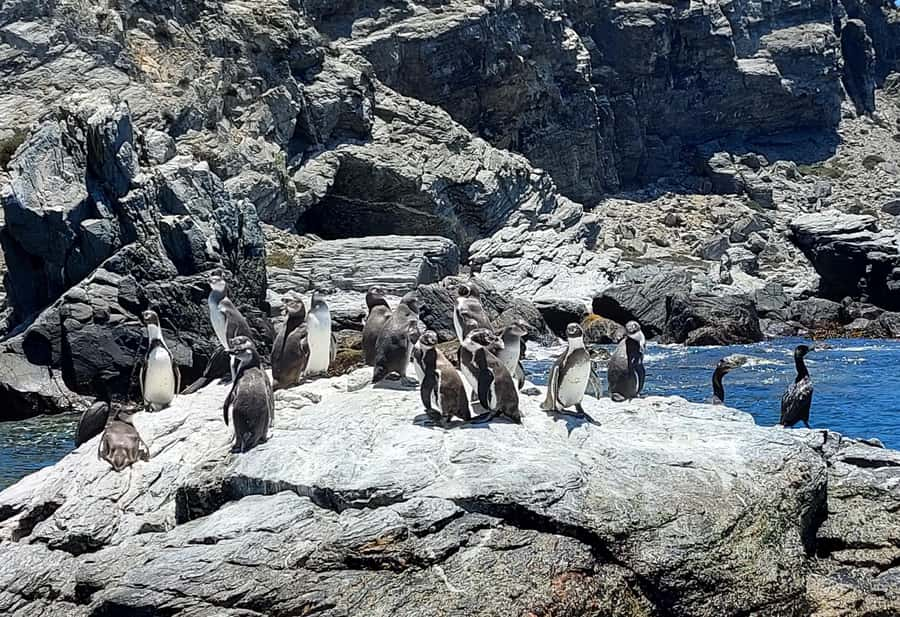
- Whales are possible, not promised: Good conditions may bring whales and dolphins, but sightings vary from day to day.
- The road journey matters: Stops at Punta Teatinos, Juan Soldado, Caleta Los Hornos, La Higuera, and Quebrada de los Choros add context to the island visit.
- You get two very different island experiences: Choros Island is mainly for boat-based wildlife viewing, while Damas Island includes walking and hiking.
- Guides can make the long drive worthwhile: Christopher and Martin have been singled out for clear explanations, quick stops, and attentive service.
- The marine reserve has broad appeal: Expect possible encounters with Humboldt penguins, sea lions, otters, seabirds, dolphins, and whales.
- Pack for changeable conditions: Bring warm, weather-ready outdoor clothing, even if La Serena begins with sunshine.
From La Serena to the far edge of the green north
This is not a quick boat excursion. It is a full-day trip of about 10 hours, with pickup and return to your accommodation in La Serena. The road portion is part of the story, and your guide uses it to explain the coast, its settlements, and the unusual shift from semi-arid northern Chile into the Atacama region.
The route passes through places shaped by ancient fishing cultures, shepherds, farmers, miners, and later generations of artisanal fishermen. The story reaches back to the Changos and Camanchacas, coastal peoples associated with fishing, diving, and sea-lion-skin rafts. That background gives the islands more meaning than a simple wildlife stop.
I would not choose this outing if you want to spend nearly all day on the water. I would choose it if you enjoy connecting scenery, wildlife, and local history. The trip offers a sense of how people lived along a coast with few roads, little fresh water, and a strong dependence on the sea.
The exact pickup time depends on availability, so check it before booking. The operator provides air-conditioned transport, which matters on a day with long road stretches and changing temperatures.
More Penguin Tours in Chile:
- Punta Arenas: Walk with Penguins on Magdalena & Marta Island
★ 4.6 · 611 reviews - Punta Arenas: Full-Day Whales, Penguins, and Glaciers Tour
★ 4.9 · 325 reviews - Punta Arenas: Full Day Tierra del Fuego & King Penguins
★ 4.3 · 179 reviews
Punta Teatinos and Juan Soldado: early coastal context
The first stop is Punta Teatinos, with a short guided visit of about five minutes. It is a brief orientation stop, useful for seeing the coast before the route heads farther north. Do not expect a long walk here. Think of it as a quick scenic pause and a chance to begin reading the geography.
At Antiguo Puente Juan Soldado, the group gets around 10 minutes for photos, a visit, and more explanation. The old bridge and surrounding road connect the modern journey with earlier movement through this remote part of the region. Your guide may point out how settlements and routes developed along the coast.
These short stops are not the main event, but they break up the drive. I appreciate that approach because a 10-hour wildlife outing can feel like a transfer unless someone explains what you are passing.
Caleta Los Hornos and La Higuera
Caleta Los Hornos brings you into a working coastal setting. The stop includes sightseeing, a guided visit, and views from the road. The emphasis is on the fishing coast rather than a formal attraction, so you get a look at the kind of place where small-scale maritime work remains central.
La Higuera follows with about 20 minutes of guided sightseeing. The area helps show the transition between cultivated or settled parts of the Coquimbo region and the much drier country farther north. The contrast becomes sharper as you continue toward the islands.
This is where the trip’s pace may test your patience. Several short stops can feel like useful context, or like delays, depending on what you hoped to see. The strongest guides make these pauses count by tying the views to local people, geology, animals, and the changing climate.
Guides Christopher and Martin have been praised for doing just that. Christopher has been described as an excellent driver and guide, while Martin has been noted for sharing information whenever something interesting appeared along the road. Guide quality matters here because the road journey is a large part of the day.
Quebrada de los Choros and the approach to Punta de Choros
At Quebrada de los Choros, you have about 20 minutes for a photo stop, guided explanation, free time, and possible wildlife viewing. The area is a useful bridge between land and sea. You may see signs of the dry-country fauna associated with the route, and past outings have included sightings of guanacos, wild donkeys, and foxes near the road.
Do not treat those animals as guaranteed. The same applies to dolphins and whales later. The value is in having a guide who watches carefully and can stop when conditions allow.
Punta de Choros is the main launch point. Here you receive a safety briefing, take photos, and prepare for the boat cruise. The stop is listed at about 20 minutes, so expect a practical transition rather than a leisurely harbor visit.
The coastal villages and coves around Punta de Choros are part of the appeal. This is a working fishing area, not a polished resort marina. That gives the outing a more grounded feel, but it also means the boat arrangements may be functional rather than luxurious.
Same corner of Chile, a completely different day out:
- Santiago: Cajon del Maipo/Embalse del Yeso Tour with Picnic
★ 4.3 · 3,789 reviews - Santiago: Vina Del Mar, Valparaiso, Casablanca & Reñaca Tour
★ 4.2 · 2,838 reviews - Small-Group Cajón del Maipo Full-Day Tour and Picnic
★ 4.5 · 2,277 reviews - Santiago: Cajon del Maipo & Embalse El Yeso Trip with Picnic
★ 4.5 · 1,859 reviews
Choros Island: wildlife from the boat
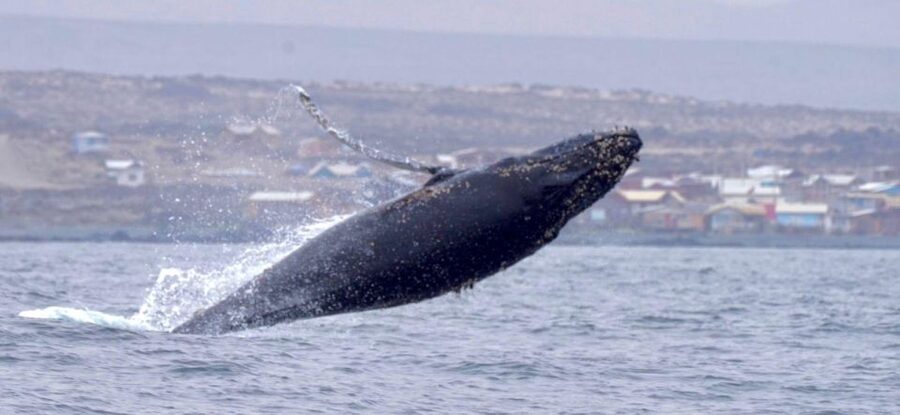
The cruise around Choros Island lasts about an hour in the stated schedule and includes marine-life viewing, scenic coastal views, and chances to see dolphins and whales. The wider boat portion is described as roughly two hours of navigation, while one past booking described about three hours on the water in total. Allow for some variation in how the operator divides time between the islands and open-water travel.
Choros Island is where the wildlife focus becomes strongest. The reserve is home to Humboldt penguins, sea lions, sea otters, seabirds, and other marine life. You may also see dolphins or whales, but no responsible operator can promise either one. Wind, tides, waves, and visibility all matter.
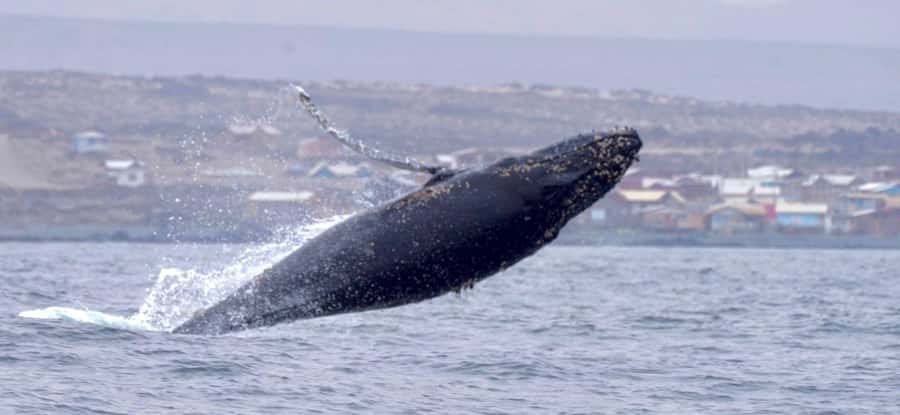
The scale of the animals changes the feel of the trip. Penguins and seabirds reward close attention to the rocks and shoreline. Sea lions are easier to notice, especially when they gather along the coast. A whale sighting, if it happens, can be brief and distant or dramatic enough to become the day’s defining moment.
One booking described five Humboldt penguins, while another had only one penguin and a few seals. That range is useful to remember. You are visiting a protected natural area, not entering an animal show. Conditions and animal behavior decide what you see.
Bring warm clothing even in summer. The boat can feel much colder than La Serena, and wind on the water is a real factor. If you are prone to seasickness, this outing is specifically not recommended for you.
Damas Island: the walking portion
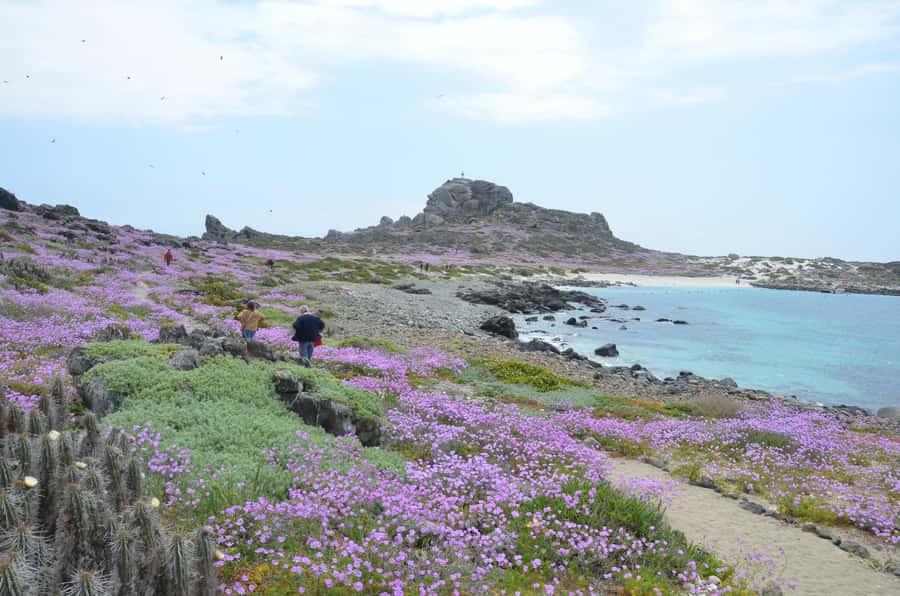
Damas Island gives you the day’s main chance to get out of the boat. The schedule allows about an hour for a visit, photos, free time, walking, hiking, and wildlife viewing.
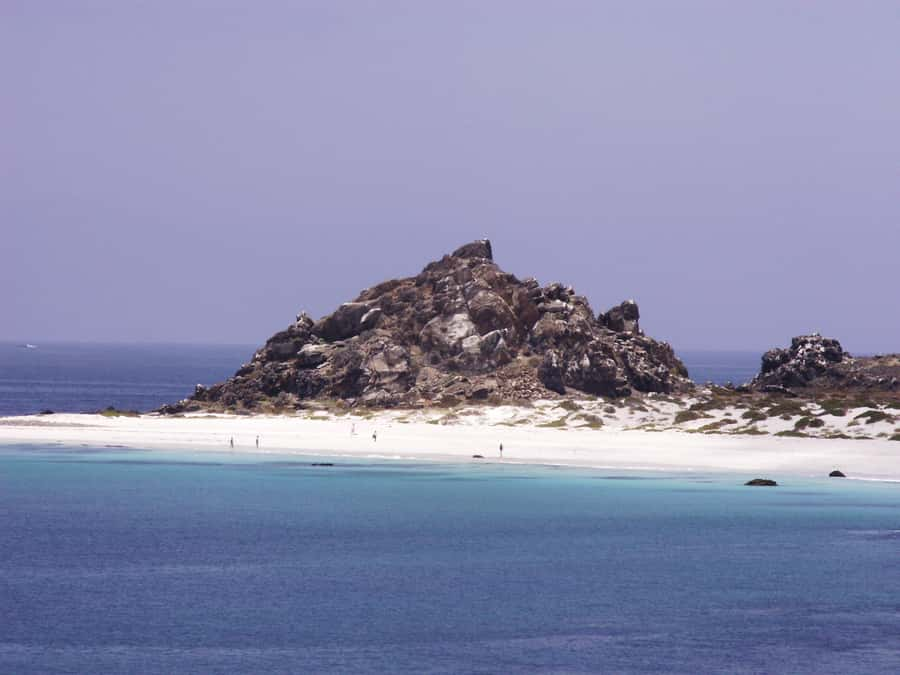
The island is known for beaches, pale stone, cactus, and coastal plants shaped by the dry climate. The scenery is striking because desert vegetation appears beside cold Pacific water. The rocks also carry the kind of unusual forms that local stories connect with stone gods and older coastal beliefs.
The walk is not described as a long or strenuous trek, but you should still expect uneven outdoor ground. The tour is not suitable for people with mobility impairments, serious back problems, or epilepsy. Wear practical outdoor clothing and shoes that can handle a short hike.
Damas is also a good place to slow down after the boat ride. On Choros Island, you are scanning the water and shoreline for movement. On Damas, you can look at cactus, beaches, rock shapes, and the meeting of desert and sea. The two islands serve different purposes, which makes the combined visit more satisfying than a boat-only trip.
Los Choros lunch and the return road
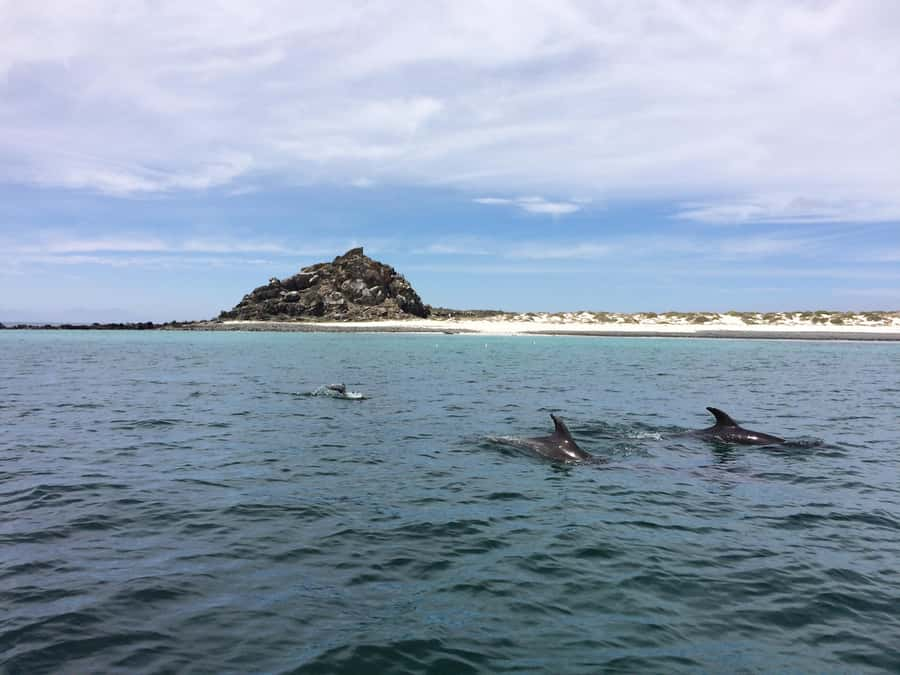
After the island visit, the group returns to Los Choros for a meal and about 70 minutes of scheduled break time. Lunch includes a choice of starter, main course, dessert, and a drink such as wine, water, or a soft drink. Beer and wine are also included in the listed meal stop.
The food is part of the value, particularly because this is a long day far from La Serena. The menu gives you a proper pause instead of asking you to manage the entire outing with snacks. Still, do not expect a leisurely restaurant experience every time. One past booking found the lunch acceptable but unnecessary, and another reported that the meal felt rushed, with one person receiving food only shortly before departure.
I would treat the 70 minutes as a target, not a guarantee. If you want a relaxed meal, keep an eye on the schedule and let your guide know if service is slow. A small snack in your day bag is sensible, even though lunch is included.
The return drive completes the loop to La Serena. Some people will find the long road tiring, especially after time on a moving boat. Others will appreciate the chance to revisit the region’s stories and views with the guide’s commentary.
What $280 includes, and what it does not
At $280 per person, this is a serious day-trip price. It becomes easier to justify when you add up what is covered: hotel pickup and drop-off in La Serena, air-conditioned transport, a bilingual English and Spanish guide, the marine reserve ticket, boat navigation, and a multi-course lunch with a drink.
You are also paying for coordination. The operator handles a long transfer, the road stops, the boat connection, the protected-area entry, and the return. Booking each part separately would require more planning and would make it harder to fit the same route into one day.
The price is less attractive if your only goal is a short whale-watching cruise. Much of the day takes place on land, and sightings cannot be guaranteed. It is better value for someone who wants a complete regional outing with wildlife, food, local stories, and transport included.
The rating of 4.3 from 10 bookings reflects that split experience. The best days have included whales, penguins, sea lions, otters, seabirds, and strong guiding. Less successful days have produced only a few animals and felt stretched out. That is not unusual for wildlife trips, but you should book with realistic expectations.
Weather, sea conditions, and what to pack
The operator checks conditions two days before departure and informs passengers about the weather. The trip depends on wind, tides, and waves, so the route or boat portion may change when conditions are poor.
Pack layers rather than one heavy item. Warm clothing, weather-appropriate clothing, and outdoor clothing are specifically advised. A sunny morning in La Serena does not guarantee a mild boat ride.
You should also bring:
- Comfortable shoes for the Damas Island walk
- Sun protection for road stops and beaches
- Water and a small snack for the long day
- Extra layers for wind on the boat
- Any personal seasickness remedy you normally use, though the trip is not suitable for people prone to seasickness
The tour is not suitable for people with back problems, mobility impairments, or epilepsy. The combination of road travel, boat movement, and island walking makes those restrictions important rather than minor fine print.
Who will enjoy this day most
I would recommend this experience to you if you like wildlife trips with a strong sense of place. It suits curious visitors who want more than a quick animal sighting and enjoy hearing about Indigenous fishing cultures, old roads, miners, farmers, and present-day coastal communities.
It also works well for first-time visitors to the La Serena area who want to see beyond the city. You get a broad sample of northern Chile in one day: coastal villages, dry valleys, cactus, beaches, islands, and cold Pacific wildlife.
You may not enjoy it if you dislike long drives, fixed group schedules, or uncertain wildlife sightings. It is also a poor match if your priority is a slow restaurant lunch or a guaranteed whale encounter.
The strongest reason to book is the range. Few day trips combine a marine reserve, island hiking, desert vegetation, sea-lion beaches, Humboldt penguins, and a guide explaining the people who have depended on these waters for centuries.
Should you book the Choros and Damas island trip?
Book it if you can accept that nature controls the schedule. The most memorable days can include whales, dolphins, penguins, sea lions, otters, and birds, but another departure may offer only a few seals and a penguin.
At $280, I see the value in the complete package rather than in the boat ride alone. You receive transport, guiding, park access, navigation, and lunch, plus a broad introduction to a remote stretch of Chile. Choose it for the full coastal story, not for a guaranteed checklist of animals.
FAQ
Where does the tour begin and end?
Pickup and drop-off are provided at your accommodation in La Serena.
How long does the experience last?
The full excursion lasts about 10 hours.
What languages are available?
The live guide service is available in English and Spanish.
Does the price include the boat ride?
Yes. Boat navigation and the national park, or marine reserve, ticket are included.
Is lunch included?
Yes. Lunch includes different starter, main course, and dessert options, along with a drink such as wine, water, or a soft drink.
Can I see whales on this tour?
Whales may be seen during the boat trip, but sightings depend on weather, wind, tides, waves, and animal behavior. They are not guaranteed.
What wildlife might I see?
Possible sightings include Humboldt penguins, sea lions, sea otters, dolphins, whales, and seabirds. Land animals such as guanacos, foxes, and wild donkeys may also appear along the route.
What should I bring?
Bring warm clothing, weather-appropriate outdoor clothing, and suitable shoes for walking or hiking on Damas Island.
More Walks and Treks around Chile
- Puerto Natales: Base of the Towers Day Hike
★ 4.8 · 727 reviews - From Santiago: Cajón del Maipo and Volcán San José Hike 8K
★ 4.9 · 418 reviews - Puerto Natales: Base of the Towers Trekking Experience
★ 4.8 · 191 reviews - Puerto Natales: Base Torres Small Group Trekking
★ 4.9 · 106 reviews
Newest Chile trips on the site
- Walking City Tour with Funicular, Cable Car and Tasting★ 4.3 · 6 reviews
- Ascent to Villarrica volcano 2,847masl, from Pucón★ 4.8 · 36 reviews
- Volcanic Refuges: Excursion to Underground Civilization★ 4.7 · 8 reviews
- Viña del Mar: Guided city tour★ 4.9 · 10 reviews
- Viña del Mar and Reñaca 4-Hour Pacific Coast Tour★ 4.7 · 14 reviews
- Viña del Mar and Valparaiso: guided day tour★ 4.2 · 8 reviews
- Valparaíso Viña del Mar y Reñaca★ 4.6 · 22 reviews
- Valparaíso y Viña del Mar full day★ 4.6 · 3 reviews
Penguin Tours, compared.
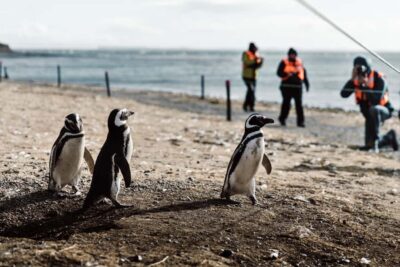
Walk with Penguins on Magdalena & Marta Island
Read our review →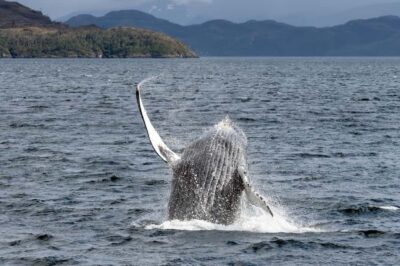
Walk alongside Penguins on Magdalene Island and navigate Marta Island
Read our review →
Magdalena Island Penguin Tour by Boat from Punta Arenas
Read our review →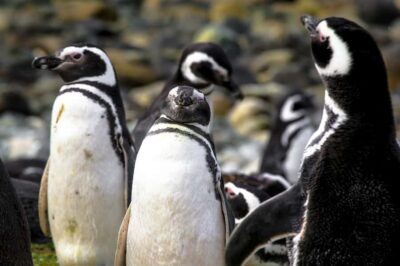
King Penguin Nature Reserve – Tierra del Fuego Island
Read our review →Browse the lists this tour appears in