
Reviewed · EASTER ISLAND TOURS
Volcanic Refuges: Excursion to Underground Civilization
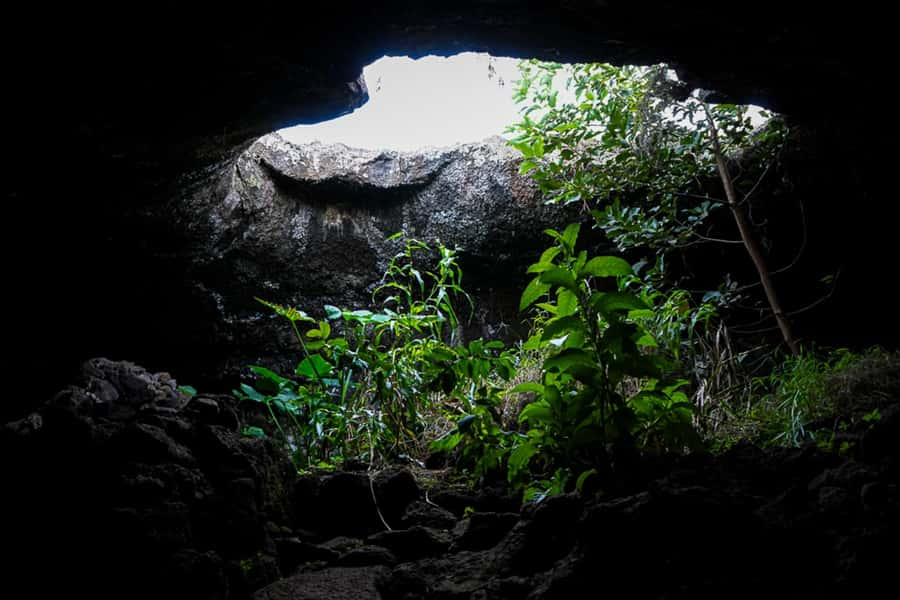
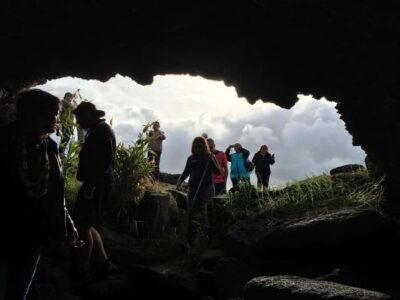
The most unusual part of this three-hour outing is the chance to enter Ana Te Pahu, described as the largest cave on Rapa Nui. You are not simply looking at a rock formation from outside. You walk inside with a guide and learn how the Rapa Nui used caves as homes and places of refuge, with ancestral art and engravings adding a human story to the stone.
I like the combination of underground exploration and cultural context, and I like that the tour also includes Ahu Akivi and Puna Pau rather than making the cave the only stop. The main consideration is practical: cave walking requires comfortable sports shoes, and this is not a good choice if you have claustrophobia. Park admission, food, drinks, and tips cost extra.
Key points to know before booking
- Ana Te Pahu is the main adventure: You walk inside Rapa Nui’s largest cave with a guide.
- The caves tell a human story: You learn how the Rapa Nui used these spaces as homes and refuges.
- Rock art is part of the experience: The tour includes petroglyphs and engravings linked to the island’s early inhabitants.
- Three notable stops fit into three hours: The route includes Ahu Akivi, Ana Te Pahu, and Puna Pau.
- Hotel pickup is included: You are collected in Hanga Roa and returned there after the outing.
- Private touring keeps the pace personal: You book a private group with a guide in English, Spanish, or French.
Why Ana Te Pahu is the heart of the experience
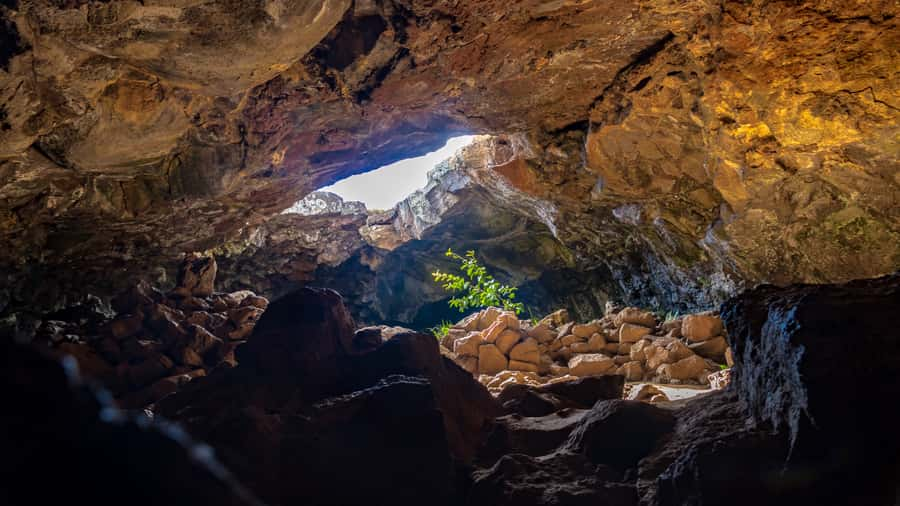
Rapa Nui is famous for its moai, but the island’s caves offer a different kind of history. At Ana Te Pahu, you get a sense of how people used the natural world for shelter, daily life, and safety. The cave is not just a geological stop. It connects the island’s rock formations with the practical choices made by the Rapa Nui.
The tour description presents Ana Te Pahu as the largest cave on Rapa Nui, which gives this stop real weight. You walk through the cave with a guide rather than exploring alone. That matters because the value lies in understanding what you are seeing: the spaces used as homes, the role of refuge, and the traces of ancestral life found in the rock.
The visit lasts about 80 minutes, making it the longest stop of the day. That gives you time for a guided visit, sightseeing, photography, and walking. The exact route inside the cave is not specified, so you should expect a natural cave visit rather than a polished attraction with a fixed indoor path.
Wear proper shoes. The advice specifically calls for comfortable shoes or sports shoes, and that is worth taking seriously. Cave floors can make ordinary sandals a poor choice, even if the walk itself is not described as strenuous. You should also be ready to follow your guide closely inside the cave.
A few more Hanga Roa half-days worth a look
- From Hanga Roa: Rapa Nui Culture Sightseeing Tour
★ 4.6 · 307 reviews - From Hanga Roa: Easter Island Highlights 2-Day Tour
★ 4.3 · 205 reviews - From Hanga Roa: Journey from Orongo to Ana Te Pahu
★ 4.3 · 75 reviews
Reading the cave art and ancestral traces
One of the strongest reasons to choose this excursion is the attention given to petroglyphs and engravings. These marks offer a direct link to the people who lived on Rapa Nui before modern tourism. The tour presents them as part of the story of ancestral life, not as decorative details to pass by quickly.
I appreciate that the guide is expected to explain the cultural meaning of the caves and their art. The clearest positive feedback about the experience centers on the guide: one booking note describes the guide as very kind, while another praises the guide’s knowledge. Since the guide is central to interpreting the cave, those are useful signs for anyone deciding if a guided visit is worth the price.
Still, you should keep expectations realistic. The supplied information does not name the guides, identify specific artworks, or promise a particular number of petroglyphs. What you are guaranteed is guided access and an explanation of the cave’s history and culture, not a specialist archaeology lecture with a fixed syllabus.
The language choice is helpful. Guides are available in English, Spanish, and French. If you want to ask questions about the Rapa Nui way of life, the cave’s use, or the markings, booking in a language you understand well will make the visit more rewarding.
Ahu Akivi gives the tour an above-ground start
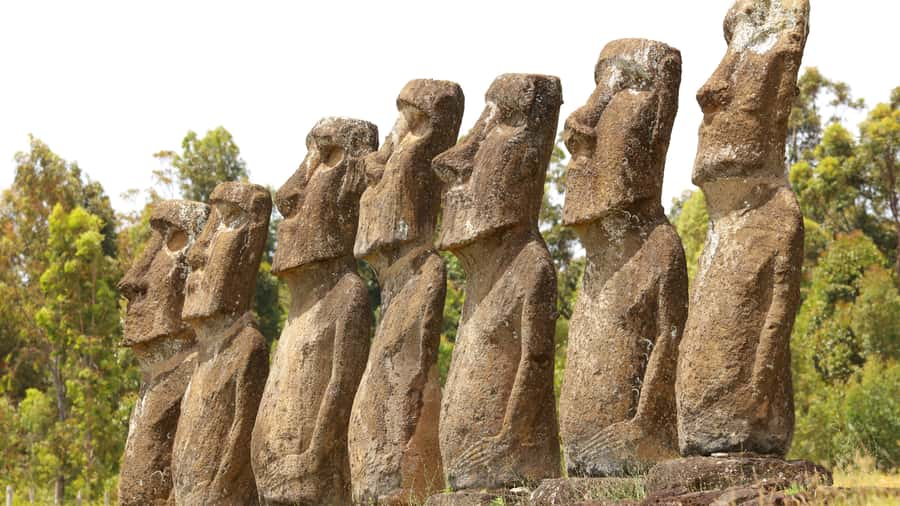
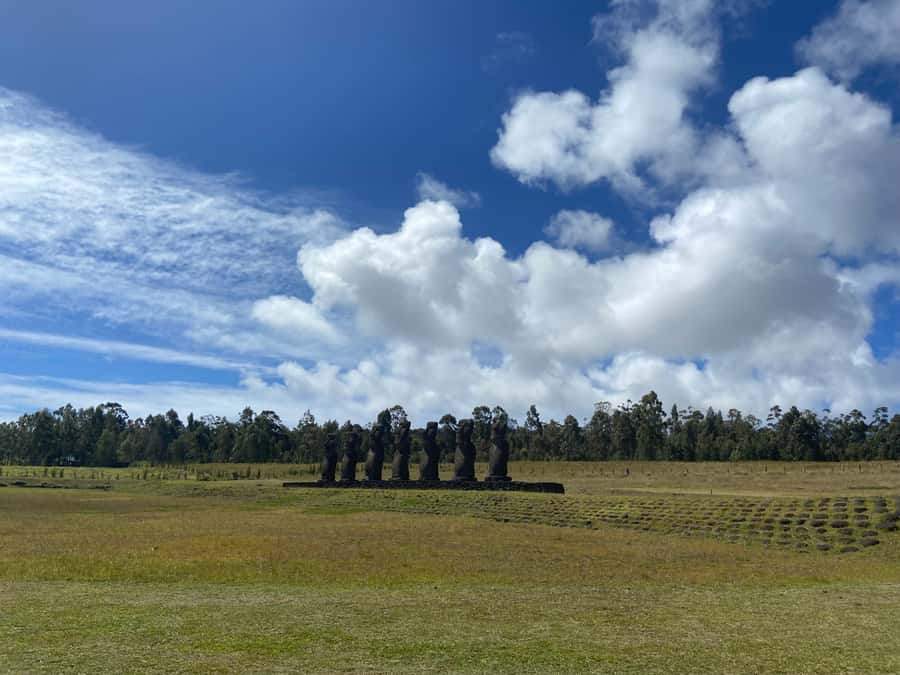
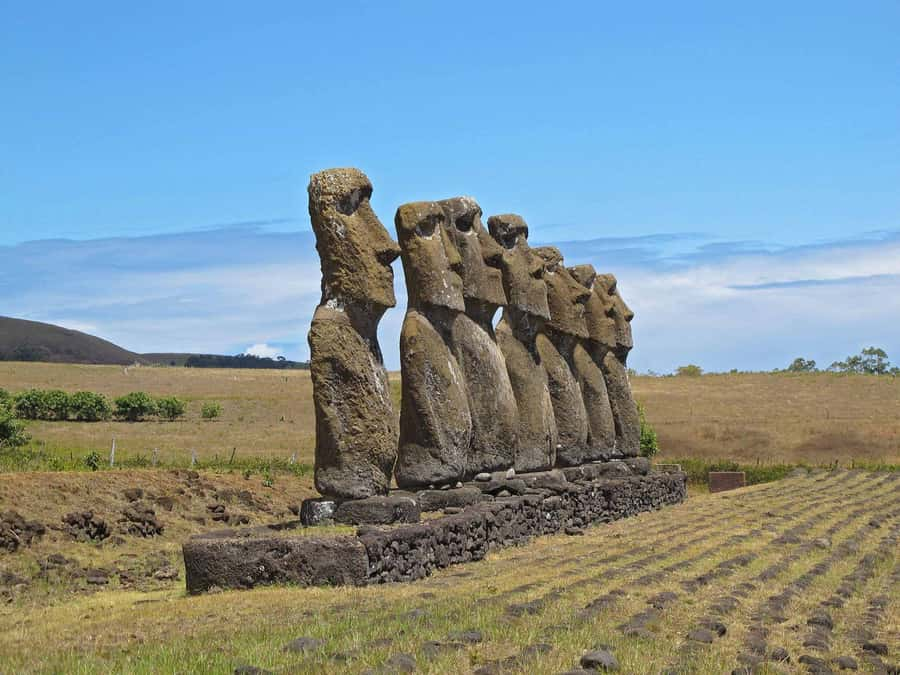
The first sightseeing stop after pickup is Ahu Akivi. The visit lasts about one hour and includes a photo stop, a guided visit, walking, and general sightseeing. It gives the outing a clear starting point before you head underground at Ana Te Pahu.
The supplied details do not describe the monument itself, so I would not book this tour based on a promise of a specific view or particular archaeological feature at Ahu Akivi. Instead, think of it as the opening cultural stop, where the guide begins setting the scene for the rest of the excursion.
The one-hour timing is generous compared with the 30-minute stop at Puna Pau. You have room for photographs and a guided explanation without being rushed through in a few minutes. If you enjoy having a guide connect separate places into one story, this sequencing works well: an above-ground visit first, then a longer cave experience, then a shorter final stop.
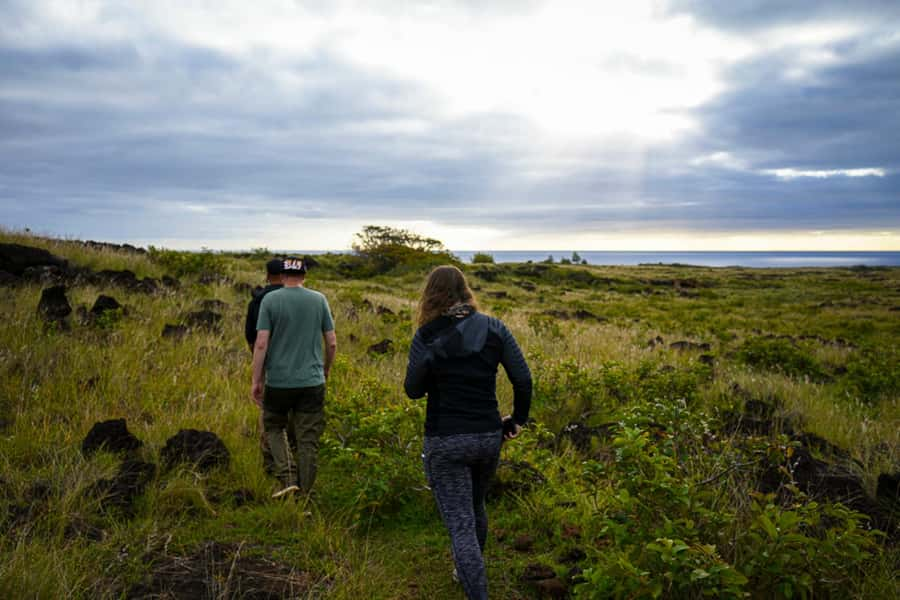
As with the cave, the walking element means you should bring shoes made for walking. You are not spending the whole tour in the vehicle. The experience is built around short walks, views, photographs, and guided visits.
Puna Pau adds a shorter final stop
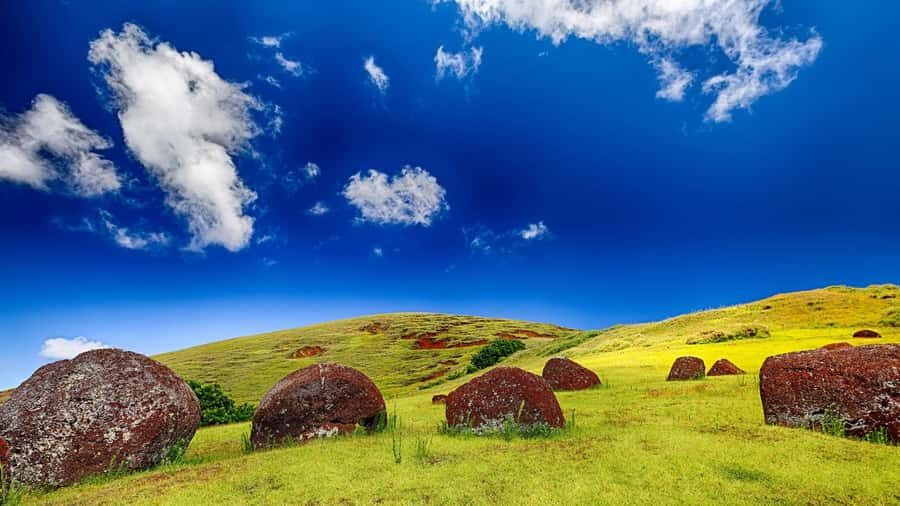
Puna Pau comes after Ana Te Pahu and lasts about 30 minutes. The schedule includes a break, photography, a guided visit, sightseeing, and walking. It is a compact stop, but it gives you one more chance to see an important Rapa Nui site before returning to Hanga Roa.
Because the visit is short, you should expect a focused stop rather than a long exploration. The break may be useful after the cave walk, especially if you want a moment to regroup and take photographs. Food and drinks are not included, so do not assume refreshments will be provided during this pause.
The tour information does not explain what you will see at Puna Pau in detail. That means the guide’s explanation will shape much of its value. You can ask the guide to connect the stop with the earlier sites and with the wider story of Rapa Nui culture.
The order also makes practical sense. You get the longer cave visit while the main activity is still ahead of you, then finish with a shorter stop before returning to Hanga Roa.
Same corner of Chile, a completely different day out:
- Two days of Full Day Tour of Rapa Nui + Sunrise in Tongariki
★ 4.8 · 55 reviews - Sunrise Tongariki: Sunrise at Tongariki Park Private Tour
★ 4.5 · 47 reviews - Rapa Nui Dreams: Experiencie Pack 3 Days
★ 4.7 · 32 reviews - Easter Island: Full-Day Tour to Anakena
★ 4.7 · 27 reviews
What the three-hour schedule really means
The advertised duration is three hours, while the listed visits add up to about 170 minutes: one hour at Ahu Akivi, 80 minutes at Ana Te Pahu, and 30 minutes at Puna Pau. The remaining time allows for hotel pickup, driving between sites, and returning to Hanga Roa.
That makes this a compact outing rather than a full-day expedition. You can fit it into a busy Rapa Nui schedule, especially if you want to pair it with other sightseeing later. At the same time, you should not expect long, unhurried visits at every location. The tour covers three places in a short window.
The private group format is a real advantage here. You do not have to match the pace of a large bus group, and you can direct questions to your guide. Private does not automatically mean the schedule will expand, but it usually makes a short cultural visit feel more focused.
Hotel pickup and return are included from Hanga Roa. You should wait in your hotel lobby 10 minutes before the scheduled pickup time. This is a small detail, but it prevents the outing from starting with a rushed phone call or a missed collection.
What is included, and what will cost extra
The main practical inclusion is transportation from your hotel to the sites and back. The private group and live guide are also central parts of the experience. You can choose from English, Spanish, or French, which is especially useful for a tour based on cultural explanation rather than scenery alone.
The price is $170 per person. That is not a bargain basement excursion, but the value depends on how much you want from the guide. You are paying for private transport, a three-hour route, interpretation at several sites, and access to the cave with a guide.
You should budget separately for:
- Park admission
- Food and drinks
- Tips
Park admission is the most important extra to check before you book. The tour price does not include it, so your final cost will be higher than $170 per person. Food and drinks are also excluded, and the 30-minute stop at Puna Pau should not be treated as a guaranteed meal break.
The price makes more sense for someone who values a private experience and wants the cave explained properly. If you only need transportation to a site, it may feel expensive. If you want a guide to connect cave use, rock art, and ancestral life, the added cost has a clearer purpose.
Who will enjoy this cave excursion most
I would choose this tour if you want to see a less familiar side of Rapa Nui. The focus is not only on famous monuments. You get an underground setting, evidence of daily life, and a guided look at petroglyphs and engravings.
It suits you best if you:
- Like history presented through places rather than a museum display
- Enjoy walking and photography
- Want a private group instead of a larger shared tour
- Can manage uneven or enclosed cave spaces
- Prefer a short, focused excursion
- Want a guide in English, Spanish, or French
It is less suitable if you have claustrophobia. That warning is explicit, and you should take it seriously. You will walk inside a cave with a guide, so the enclosed setting is not a minor part of the visit.
It may also be a poor fit if you want a long, leisurely day with extended time at every stop. Three hours is efficient, but the itinerary has several locations. You will see each one within a planned schedule.
Simple preparation for a better visit
Wear sports shoes or another pair of comfortable walking shoes. Avoid footwear that slips easily or offers little support. You should be prepared for walking at Ahu Akivi, Ana Te Pahu, and Puna Pau, not just getting out of a vehicle for a quick photograph.
Bring whatever food or water you need because food and drinks are not included. The tour details do not specify what refreshments are available, so it is safer to plan for yourself.
Arrive in the hotel lobby 10 minutes before pickup. Since transportation is included, being ready on time is the main thing you control. Pickup and return are provided in Hanga Roa.
You can cancel up to 24 hours before the scheduled start for a full refund, and you can reserve now while paying later. Those terms are useful if your Rapa Nui plans are still shifting, though you should confirm availability and the starting time when booking.
Should you book Volcanic Refuges?
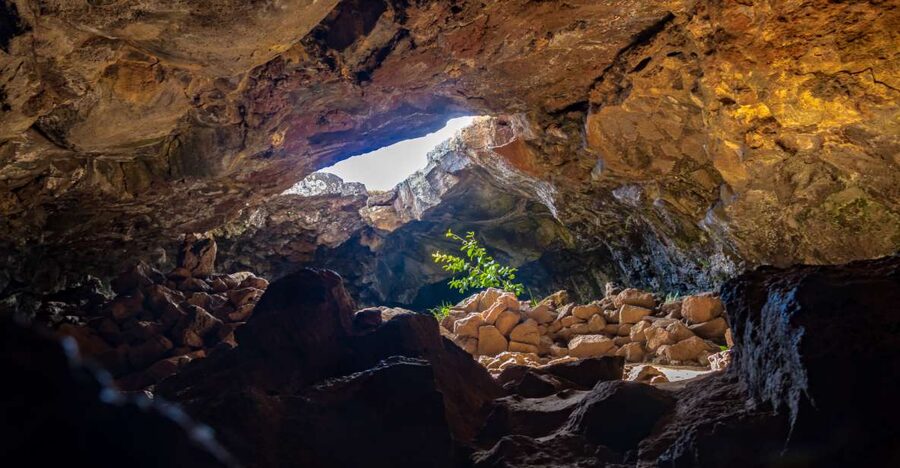
Book this tour if you want the caves to be more than a quick photo stop. Ana Te Pahu is the reason to go, with its long guided visit, use as a home and refuge, and connection to Rapa Nui rock art. Ahu Akivi and Puna Pau broaden the outing, while hotel transport keeps the logistics simple.
I would skip it if enclosed spaces make you uncomfortable, if you do not want to pay park admission separately, or if you prefer a slow full-day visit. For the right person, though, the $170 price buys a focused private experience with a guide who can explain the human story behind the caves. The 4.7 rating and strong comments about guide kindness and knowledge support that choice, but the final decision comes down to your comfort with cave walking and your interest in ancestral life.
FAQ
How long does the Volcanic Refuges tour last?
The tour lasts three hours, including the visits to Ahu Akivi, Ana Te Pahu, and Puna Pau, along with transportation from Hanga Roa and back.
Where does pickup take place?
Pickup is available from your hotel in Hanga Roa. You should wait in the hotel lobby 10 minutes before the scheduled pickup time.
Which cave will I visit?
You will visit Ana Te Pahu, described as the largest cave on Rapa Nui. The visit includes guided walking inside the cave.
What other places are included?
The route includes Ahu Akivi, Ana Te Pahu, and Puna Pau. Ahu Akivi receives about one hour, Ana Te Pahu about 80 minutes, and Puna Pau about 30 minutes.
What languages are available for the guide?
Live guides are available in English, Spanish, and French.
Is park admission included in the price?
No. Park admission is not included. Food, drinks, and tips are also excluded.
Is the tour suitable for people with claustrophobia?
No. The experience is not suitable for people with claustrophobia because it includes walking inside caves with a guide.
Newest Hanga Roa trips on the site
- Rapa Nui: Polynesian Massage★ 4.8 · 5 reviews
- Rapa Nui Highlights Program: 3 incredible tours to discover!★ 4.8 · 18 reviews
- Rapa Nui: 3 Excursions with Hotel Transfers★ 4.3 · 6 reviews
- Rapa Nui Dreams: Experiencie Pack 3 Days★ 4.7 · 32 reviews
- Ahu Vinapu, Rano Kao and Orongo City Half-Day Tour★ 4.6 · 20 reviews
- Hanga Roa: Full Day Moai and Mistery★ 4.4 · 22 reviews
- Easter Island: Tropical Diving★ 4.8 · 13 reviews
- Easter Island: The Moai Trail Private Archeological Tour★ 4.9 · 12 reviews
Easter Island Tours, compared.
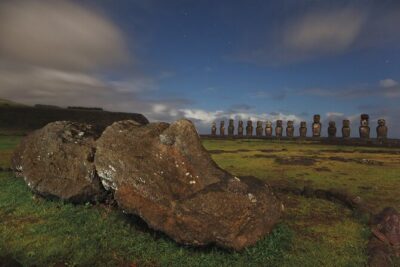
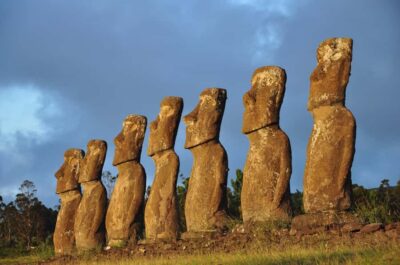
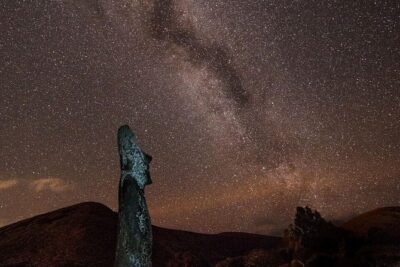
Two days of Full Day Tour of Rapa Nui + Sunrise in Tongariki
Read our review →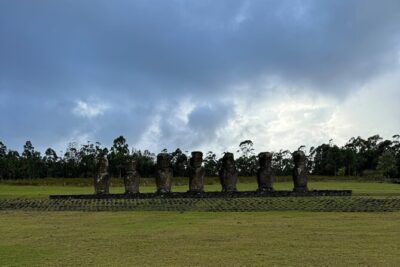
Browse the lists this tour appears in