
Reviewed · 3-DAY EXPERIENCES
Rapa Nui Dreams: Experiencie Pack 3 Days
The most striking part of this Rapa Nui package is the sunrise at Ahu Tongariki, where 15 moai face inland as the sun rises behind them. You also get a full day around the island’s major archaeological sites, followed by a second day of volcanoes, caves, and ceremonial sites. It is a lot of Rapa Nui in a short span.
I like the way this package combines famous monuments with living culture. The ancestral curanto, prayers, dance, and local cooking give the stone platforms a human setting. I also like the small group limit of 15 and the included transport, which saves you from arranging a car or trying to link distant sites yourself.
The main caution is timing. The itinerary is packed, pickup can take up to an hour, and one visit to Anakena was considered too short by a guest who wanted more time at the beach and moai. The caves were also missed on one poorly handled day, so the quality of guiding and scheduling matters here.
Key points to know before you book
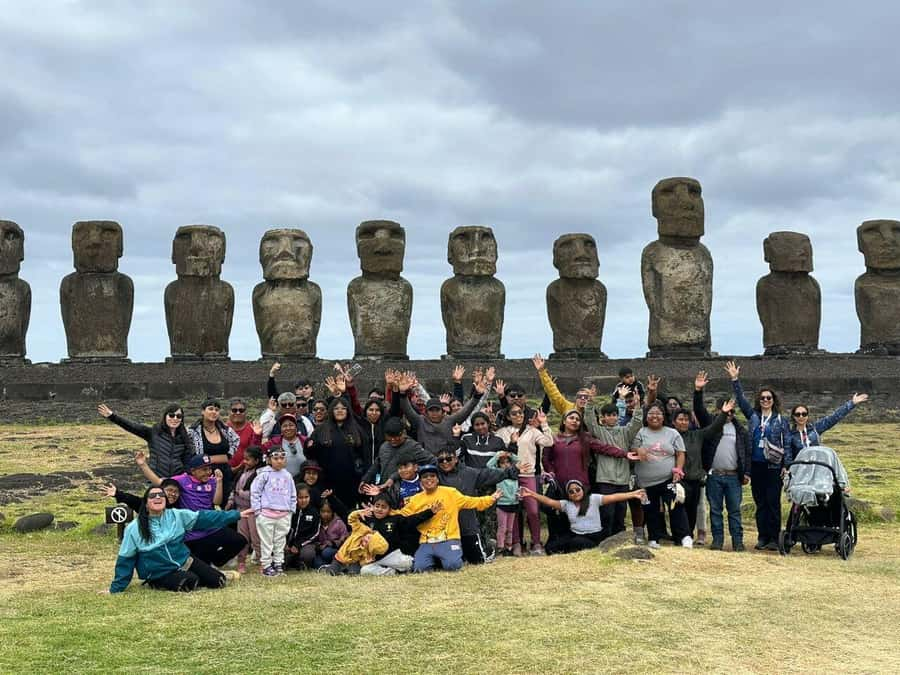
- Tongariki at sunrise: See the sun rise behind all 15 moai, with the route dependent on weather.
- Two full sightseeing days: Visit Rano Raraku, Anakena, Orongo, Ahu Akivi, Vinapu, and several caves.
- Culture beyond the statues: The curanto includes local food preparation, ancestral prayers, and Rapa Nui dance.
- Small groups: The maximum is 15 people, with English and Spanish guides.
- Extra park fee: Rapa Nui National Park admission is not included and costs about 80,000 Chilean pesos.
- A busy schedule: Lunch is not included, and the third-day sunrise outing may finish around 9 a.m.
Seeing Rapa Nui through more than its moai
Rapa Nui can look simple on a map. Hanga Roa sits on one end of the island, while the important sites spread along the coast and across the volcanic interior. In practice, visiting them takes planning, transport, and a good sense of timing.
This three-day plan gives you that structure. You are not simply taken to a single famous platform, photographed, and sent back to town. You visit quarry sites, ceremonial villages, coastal ahu, volcanic craters, and caves. The itinerary also makes room for a meal and performance tied to Rapa Nui culture.
That matters because the moai are only part of the story. At Rano Raraku, you see where many statues were carved. At Orongo, you get a sense of a ceremonial site tied to the island’s older beliefs. At the curanto, you see food, prayer, music, and dance still used to express local identity.
The experience costs $375 per person, before the national park fee and lunches. That is not a bargain-basement tour, but it can be fair if you want transport, guiding, the sunrise outing, and the cultural evening handled in one booking. If you are comfortable renting a car and arranging activities yourself, a cheaper two-day sightseeing plan may suit you better.
A few more Hanga Roa half-days worth a look
- San Pedro de Atacama: 3-Day Activity Combo with 4 Tours
★ 4.6 · 247 reviews - Unique 3-Day Tour in San Pedro de Atacama
★ 4.5 · 43 reviews - 5 Fantastic Tours in the Atacama Desert in 3 Days
★ 4.4 · 17 reviews
Day one: the moai route from Vaihu to Anakena
The first full day is the main moai circuit. You visit Vaihu, Akahanga, Rano Raraku, Ahu Tongariki, Te Pito Kura, Ahu Nau Nau, and Anakena.
Vaihu and Akahanga help you understand the island beyond its most polished monuments. These sites show fallen moai and ceremonial platforms in a less restored setting. That can be more revealing than a perfect row of statues. You see how much of Rapa Nui archaeology remains connected to the ground, the coast, and the passage of time.
At Rano Raraku, the focus shifts to the volcanic quarry. This is one of the most important stops in the package because it connects the moai to the work that produced them. The statues were carved from volcanic tuff here, and the slopes contain unfinished figures and reminders of the scale of the undertaking.
Your guide makes a real difference at Rano Raraku. Without explanation, you may see stone figures on a hillside and move on. With a good guide, the quarry becomes a place to think about carving, transport, status, and the choices that shaped the island’s ceremonial sites. Esteban received particular praise for fluent English and for making the moai easier to understand.
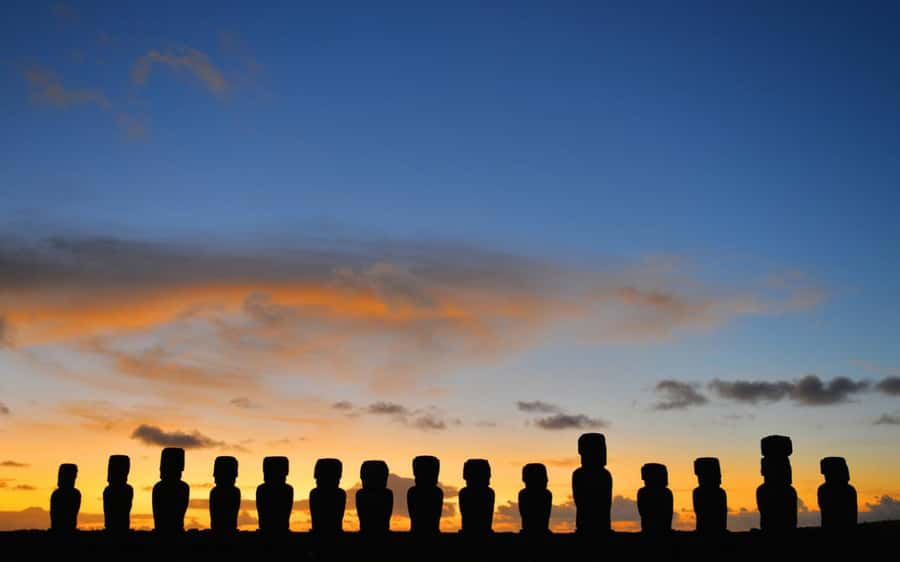
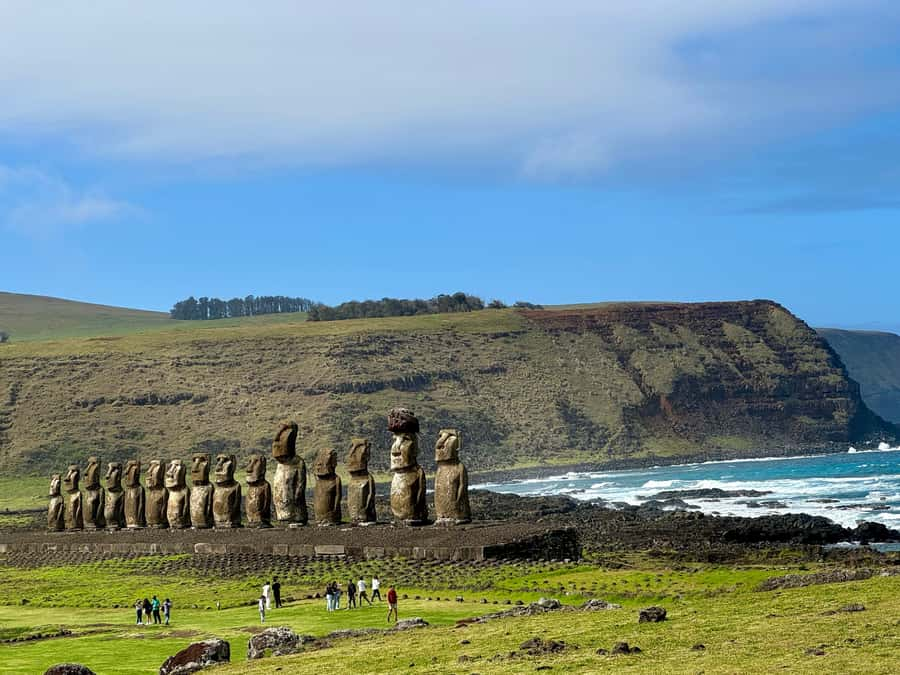
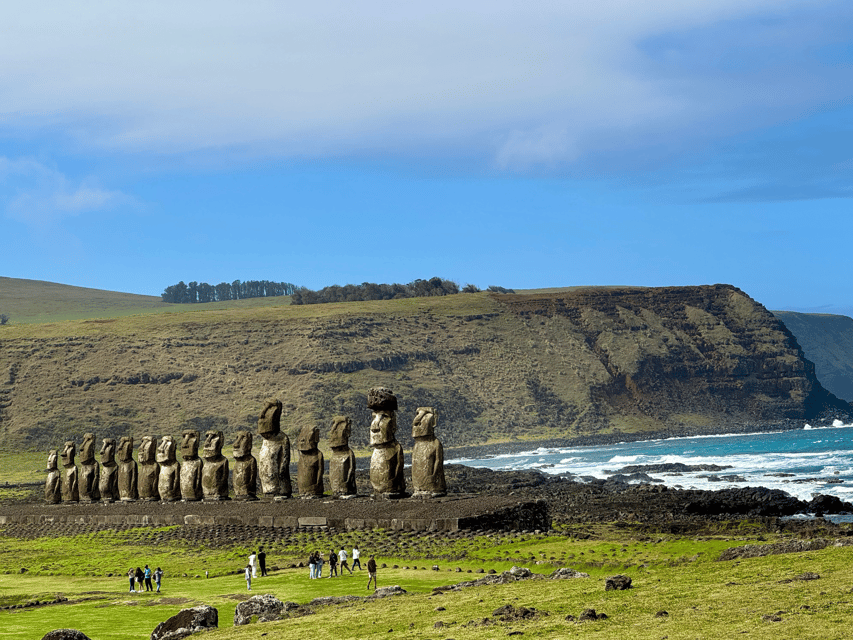
Ahu Tongariki is the visual centerpiece of this day. Fifteen restored moai stand together on a long platform facing inland. The setting is broad and open, and the scale is easy to appreciate from a distance before you walk closer.
Next comes Te Pito Kura, associated with one of the island’s largest moai. You then continue to Ahu Nau Nau at Anakena. Anakena adds a different mood, with a sandy beach beside the ahu. It is one of the few stops where archaeology and a relaxed coastal setting come together.
Plan your expectations at Anakena carefully. The schedule may not allow much time for the beach, platform, and photographs. If you want a slow look at the moai or time by the water, ask about the timing at the start of the day.
Lunch is not included, so you need to plan for that expense and schedule. The supplied information does not specify a restaurant or meal arrangement, so ask the operator how the lunch break works before departure.
Day two: volcanoes, ceremonial sites, and island caves
The second sightseeing day takes you to Rano Kau, Orongo, Vinapu, Ahu Akivi, Ana Vai Teka, Ana Tapa Iri, Ana Ohoka, and Ana Te Pahu.
Rano Kau is one of the island’s major volcanic features. Its crater gives you a strong sense of Rapa Nui’s volcanic setting, while the nearby ceremonial village of Orongo adds cultural weight. Orongo is tied to the island’s ceremonial traditions, and the site’s position near the crater makes it one of the more memorable combinations of scenery and history on the route.
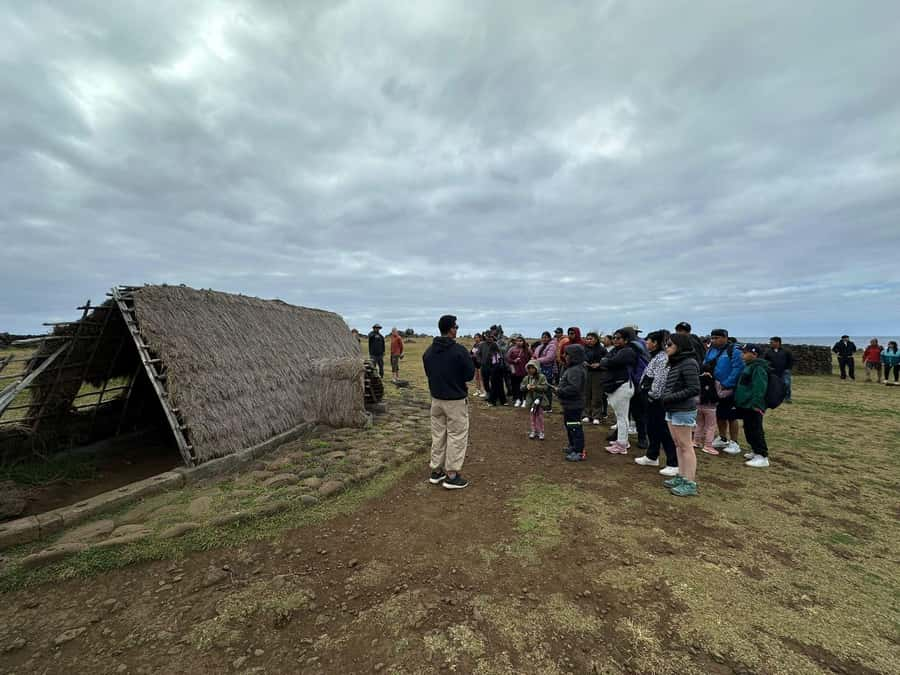
At Vinapu, you see another ceremonial platform and a different arrangement of stonework. The value of stops such as Vinapu is that they prevent the tour from becoming a single-story visit focused only on the largest moai. Each ahu has its own setting and condition, and a guide can point out what makes the site distinct.
Ahu Akivi is especially interesting because its seven moai stand inland rather than directly on the coast. This gives the day a different visual rhythm from the coastal platforms. It also shows how varied the island’s ceremonial locations can be.
The cave stops include Ana Vai Teka, Ana Tapa Iri, Ana Ohoka, and Ana Te Pahu. These are not throwaway additions. They give you a look at the island’s volcanic ground from another angle and make the second day feel more exploratory than a standard monument loop.
Still, caves require careful scheduling. One guest reported missing all the caves because of problems on the tour day. I would confirm with the operator that the cave route is open and included in your specific departure, especially if this is one of the main reasons you chose the package.
The itinerary notes that the experience is not suitable for people with mobility impairments. That warning is important here. Uneven trails, cave access, and outdoor walking can make parts of the route difficult. The activity is also marked wheelchair accessible, so if you need accessible arrangements, contact the operator before booking and ask which stops can actually be reached comfortably.
Day three: sunrise behind 15 moai
The third-day route begins before dawn at Ahu Tongariki. You wait for the light to build behind the 15 moai, creating one of Rapa Nui’s strongest photographic moments.
Weather controls this outing. Rapa Nui has a rainy subtropical climate, and the sunrise route may change or be canceled if conditions are poor. Bring rain gear even if the forecast looks clear. Sunscreen and a camera are also sensible, but comfortable clothing matters most when you are leaving early and standing outdoors.
A useful detail is that the sunrise outing can finish around 9 a.m. That leaves you much of the third day free. You could use the remaining time to rest, explore Hanga Roa independently, or take up a replacement activity if a scheduled cultural event changes.
The early departure is not for everyone. If you dislike pre-dawn starts, this will feel demanding after two full sightseeing days. But the benefit is clear: you see Tongariki in a different light from the daytime visit, and the contrast between the two visits helps you appreciate the platform rather than treating it as one quick photo stop.
Same corner of Chile, a completely different day out:
- From Hanga Roa: Rapa Nui Culture Sightseeing Tour
★ 4.6 · 307 reviews - From Hanga Roa: Easter Island Highlights 2-Day Tour
★ 4.3 · 205 reviews - From Hanga Roa: Journey from Orongo to Ana Te Pahu
★ 4.3 · 75 reviews - Two days of Full Day Tour of Rapa Nui + Sunrise in Tongariki
★ 4.8 · 55 reviews
Curanto, prayers, dance, and local food
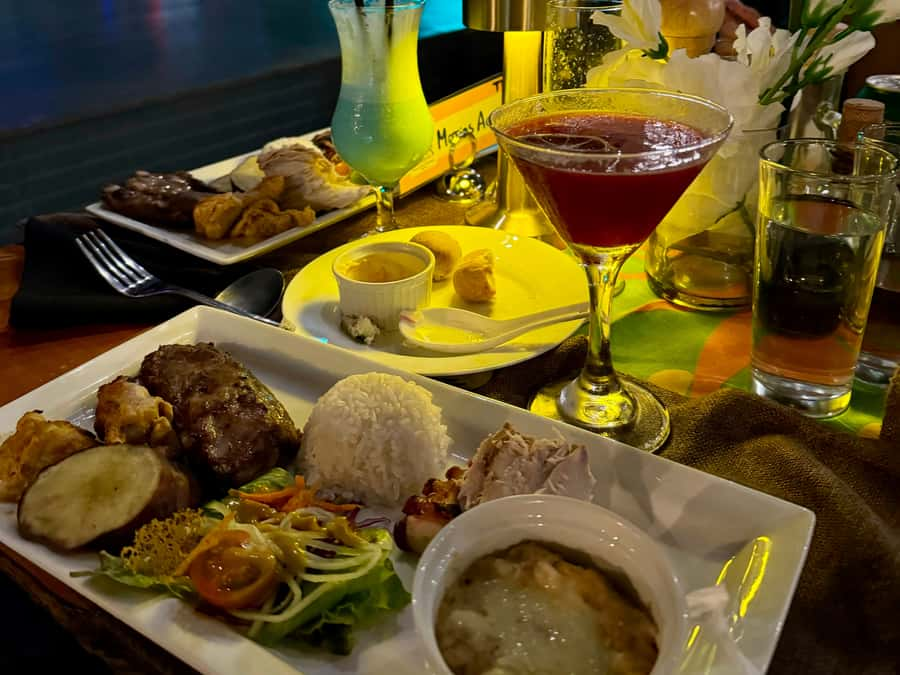
The ancestral curanto is the package’s main cultural feature. You learn about the preparation of local products in a traditional cooking setting, then share a buffet-style dinner with chicken and ribs as meal choices. Drinks are not included.
The evening also includes Rapa Nui dance and ancestral prayers. This is valuable because it places food and performance inside a local cultural setting rather than treating them as separate entertainment. You get a chance to see how the island presents its traditions through cooking, movement, and ceremony.
The dinner can be affected by local events. During the Tapati Festival, the planned dinner and show were canceled for one visit, and the provider offered a replacement activity. That kind of change is not necessarily a problem, but you should understand that the cultural program may shift with the island calendar.
Ask what is scheduled during your dates, especially if the curanto is the main reason you are booking. Also budget for drinks, since they are excluded from the meal.
Guides, transport, and the small-group setup
Transport is included for the activities if your accommodation is in the central sector of Hanga Roa. Pickup instructions ask you to wait at the entrance 10 minutes early. The exact time is sent by WhatsApp, and pickup may take about an hour while the vehicle collects people.
That hour matters. Do not plan a tight connection immediately after pickup, and keep your phone available. The company offers 24-hour contact with your travel agent, which is useful when weather or local conditions change.
The group limit is 15 people, small enough for questions and easier movement at the sites. The guide quality is central to the experience. Esteban was specifically praised for fluent English and engaging explanations. Another guest had a much weaker day when a last-minute guide did not speak English, even though he tried his best.
That is the clearest warning in the whole package. A tour of Rapa Nui is far better with clear explanations, and language support should not be treated as a minor detail. Confirm that an English-speaking guide is assigned if you need one. The advertised languages are English and Spanish.
Transport also earned strong marks overall, but pickup delays can happen. One first-day delay reached two hours without an explanation. The company later offered an extra activity to make up for problems, but a replacement is not the same as seeing every advertised stop. Keep some flexibility in your schedule.
What the $375 price really covers
At $375, the package is best judged as a time-saving bundle rather than simply a sightseeing ticket. You receive two full touring days, a sunrise outing, activity transport, a local certified guide, and the curanto dinner with ceremony and dance.
The price does not include the Rapa Nui National Park entrance fee, listed at about 80,000 Chilean pesos. Lunches are also excluded, and dinner drinks cost extra. Add those expenses before deciding if the package fits your budget.
The value is strongest if you want one operator to arrange the main sites. Rapa Nui is not a place where every important stop sits within an easy walk of town. Included transport removes the need to rent a vehicle or organize separate transfers.
The value is weaker if you want to linger. The schedule covers a great deal, but that means some stops may feel brief. Anakena is the clearest example, and the caves require the day to run as planned.
The package received an overall rating of 4.7 from 32 reviews, with especially strong praise for organization, transport, guide quality, and communication. I would treat that as a useful sign, not a guarantee. Ask the important questions before departure: Is the English-speaking guide confirmed? Are the caves on the route? How much time is planned at Anakena? What happens if weather changes the sunrise visit?
Who should book this Rapa Nui package?

I would choose this experience if you have only a few days on Rapa Nui and want the major archaeological sites arranged for you. It suits people who value context, prefer a guide, and want a cultural evening rather than sightseeing alone.
It is also a good fit if you do not want to drive on unfamiliar roads or coordinate several separate bookings. The small group and included transfers make the trip easier, especially when you are trying to fit many sites into three days.
I would hesitate if you want long, unhurried visits, have limited mobility, or care most about spending a full afternoon at Anakena. You may prefer a shorter sightseeing tour with more independent time, or a lower-cost plan that lets you select your own cultural show.
Should you book it?
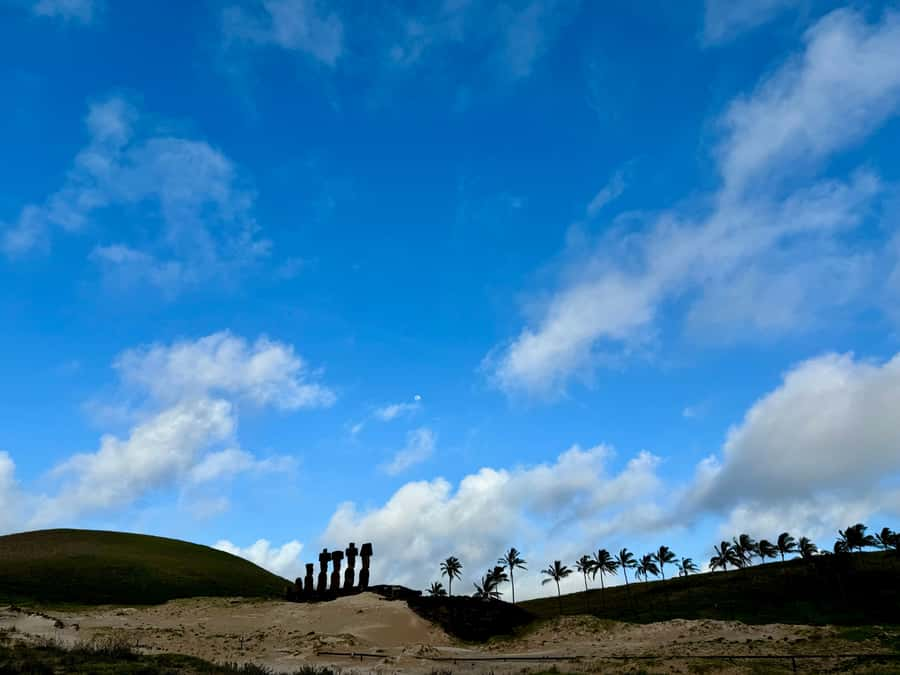
Book it if your priority is breadth and convenience. You will see the island’s major moai sites, volcanic areas, caves, sunrise at Tongariki, and a traditional food and dance program without arranging each part yourself.
Before paying, confirm the English guide, cave visits, pickup time, and cultural program for your dates. If the operator can answer those clearly, $375 can be a sensible price for a tightly planned Rapa Nui visit. If you want slower days or complete control, choose fewer guided stops and keep more time for yourself.
FAQ
How long does the Rapa Nui Dreams package last?
The package lasts three days. The sunrise outing on the third day may finish around 9 a.m., leaving free time afterward.
What places are visited on the first full day?
The first full day includes Vaihu, Akahanga, Rano Raraku, Ahu Tongariki, Te Pito Kura, Ahu Nau Nau, and Anakena.
What places are visited on the second full day?
The second day includes Rano Kau, Orongo, Vinapu, Ahu Akivi, Ana Vai Teka, Ana Tapa Iri, Ana Ohoka, and Ana Te Pahu.
Is the Rapa Nui National Park entrance fee included?
No. Entrance is not included and costs approximately 80,000 Chilean pesos.
Are meals included?
Lunch is not included. The package includes a buffet-style dinner with chicken and ribs as meal choices, but drinks are extra.
Is transport included?
Transport is included for the activities when your accommodation is in the central sector of Hanga Roa.
What languages are available?
Live guides are available in English and Spanish.
How many people are in each group?
The group is limited to 15 participants.
Can I cancel the booking?
You can cancel up to 24 hours in advance for a full refund. The package also allows you to reserve now and pay later.
Newest Hanga Roa trips on the site
- Volcanic Refuges: Excursion to Underground Civilization★ 4.7 · 8 reviews
- Rapa Nui: Polynesian Massage★ 4.8 · 5 reviews
- Rapa Nui Highlights Program: 3 incredible tours to discover!★ 4.8 · 18 reviews
- Rapa Nui: 3 Excursions with Hotel Transfers★ 4.3 · 6 reviews
- Ahu Vinapu, Rano Kao and Orongo City Half-Day Tour★ 4.6 · 20 reviews
- Hanga Roa: Full Day Moai and Mistery★ 4.4 · 22 reviews
- Easter Island: Tropical Diving★ 4.8 · 13 reviews
- Easter Island: Half-Day Archaeology Tour★ 4.2 · 19 reviews
3-Day Experiences, compared.
5 Fantastic Tours in the Atacama Desert in 3 Days
Read our review →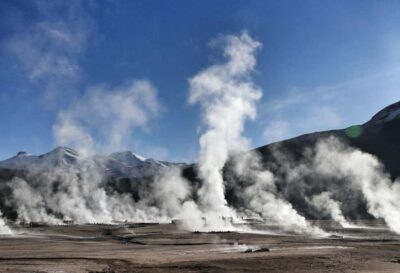
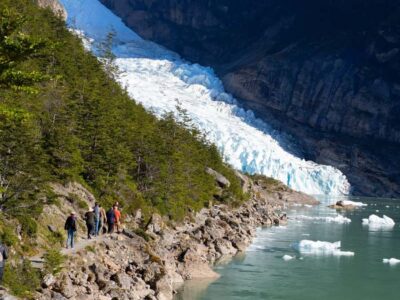
3 Days in Patagonia. Torres del Paine, Perito Moreno and Balmaceda Glacier.
Read our review →
Browse the lists this tour appears in