
Reviewed · MOAI TOURS
Ahu Vinapu, Rano Kao and Orongo City Half-Day Tour
Ahu Vinapu gives this short tour its most intriguing edge: enormous stone slabs form an ahu platform with joints that recall the careful masonry of Cusco. I like that you see this unusual ceremonial site before heading to Rano Kau, where the volcano’s crater lake and offshore islets open up a very different side of Easter Island. I also like the small group, capped at 10 people, and the chance to hear local legends from a guide such as Uka, praised for being friendly and interesting.
The main catch is the extra $100 Rapa Nui National Park entrance fee, which is not included in the $91 tour price. The three-hour schedule is efficient, but it leaves little room for lingering, so this suits you best if you want a focused introduction rather than a slow, full-day visit.
Key points at a glance
- Ahu Vinapu’s unusual stonework: See one of the largest ahu on Rapa Nui and examine its tightly fitted slabs.
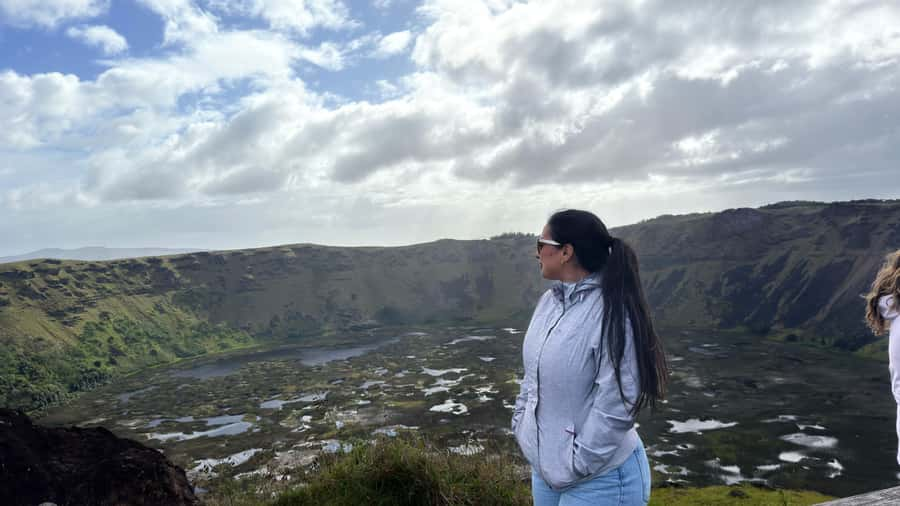
- Rano Kau’s crater lake: Look into one of Easter Island’s three natural freshwater bodies.
- Orongo’s birdman village: Visit about 50 elliptical stone homes arranged above the ocean.
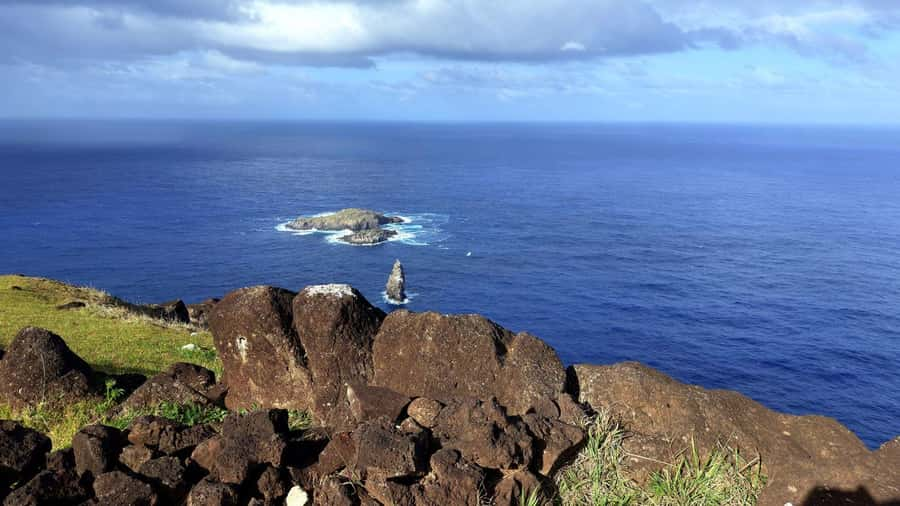
- Views toward three islets: From Rano Kau, look toward Motu Nui, Motu Iti, and Motu Kao Kao.
- Small-group touring: The group is limited to 10 people, with English or Spanish guiding.
- Hotel pickup in Hanga Roa: Transport is included for people staying at Easter Island hotels, but not for cruise passengers coming ashore.
Why this three-hour route works
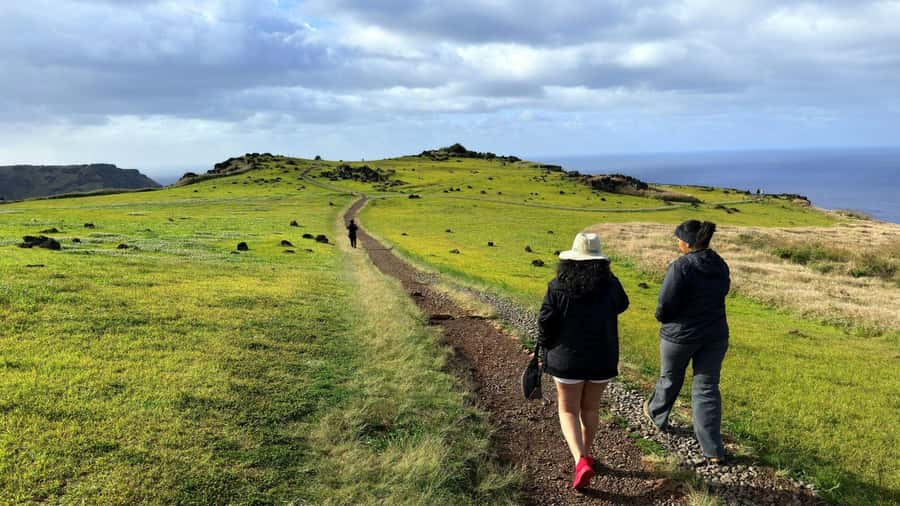
This tour links three sites that tell different parts of Rapa Nui’s story. At Vinapu, the focus is ceremonial architecture. At Rano Kau, nature takes over with a giant volcanic crater and freshwater lake. At Orongo, you encounter the birdman tradition and a village perched near the sea.
I like this combination because it avoids repeating the same kind of stop. You are not spending three hours looking at one set of stone platforms. Instead, the route shifts from carved and fitted stone to volcanic scenery, then to houses, petroglyphs, and religious practice.
The short duration is useful if your time on Easter Island is tight. It can fit neatly into a morning or afternoon, and hotel pickup removes the need to arrange separate transport from Hanga Roa. Still, three hours moves quickly. You should expect a guided overview, not a long period for independent wandering at each location.
The group limit of 10 matters here. A smaller vehicle and group can make transfers easier, and you should have a better chance of hearing the guide than you would in a large coach. The tour is offered in English and Spanish. Uka is one guide associated with especially warm, engaging commentary, and the tour includes legends about Easter Island as you visit the sites.
More moai and Rapa Nui archaeology:
- From Hanga Roa: Journey from Orongo to Ana Te Pahu
★ 4.3 · 75 reviews - Two days of Full Day Tour of Rapa Nui + Sunrise in Tongariki
★ 4.8 · 55 reviews - Sunrise Tongariki: Sunrise at Tongariki Park Private Tour
★ 4.5 · 47 reviews
Ahu Vinapu and its carefully fitted stones
The first stop is the Ahu Vinapu ceremonial complex. An ahu is a ceremonial platform, and Vinapu includes one of the largest on the island. Its most unusual feature is the construction of the platform from large slabs fitted closely together.
The masonry has been compared with Inca construction in Cusco. That comparison is part of what makes Vinapu so compelling. You are not simply seeing a large stone platform. You are looking at the way the stones were shaped, positioned, and wedged into place.
Your guide can add the historical questions and legends that give the site its mystery. The supplied information does not promise a single answer to every question about Vinapu, so expect interpretation rather than a tidy final explanation. That is a good fit for you if you enjoy sites that invite careful looking and discussion.
Vinapu is also a useful first stop because it introduces the ceremonial importance of ahu before you reach Orongo. Pay attention to the scale of the stones and the precision of the joints. Comfortable shoes are important, since this is an outdoor archaeological visit rather than a polished indoor attraction.
Rano Kau and the great crater lake
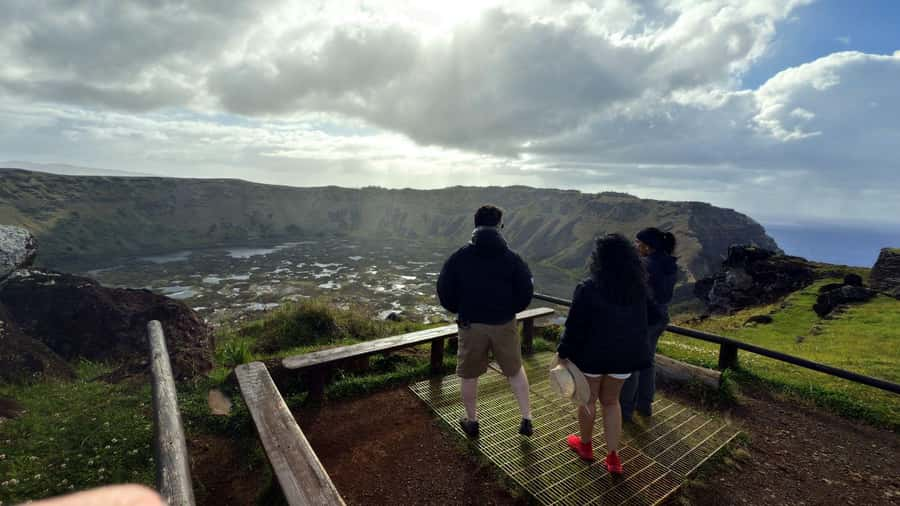
From Vinapu, the route continues to Rano Kau, one of the most dramatic natural settings on Easter Island. The volcano has a crater lake, one of only three natural bodies of fresh water on the island.
The view from the slopes reaches toward Motu Nui, Motu Iti, and Motu Kao Kao. These offshore islets help explain why this stop feels different from Vinapu. Instead of concentrating on a single monument, you are looking across the crater, the sea, and the small islands beyond it.
I would give this part of the tour your full attention. The itinerary identifies Rano Kau as the island’s largest volcanic crater, and the elevated viewpoint provides the broadest scene of the three stops. If you enjoy taking photographs, this is likely to be the tour’s most rewarding setting.
The tour description does not specify how long you remain at the crater or whether there is a long walking route around it. Plan for a viewpoint visit within the three-hour schedule, not a full crater hike. That distinction matters if you are hoping to spend hours walking along the rim.
Rano Kau also adds a useful natural context to the cultural sites. You can see how the island’s volcanic origins shape the places where people lived, worshiped, and looked out toward the ocean. The guide’s commentary and legends help connect the physical setting with the traditions associated with Orongo.
Orongo’s stone homes and birdman tradition
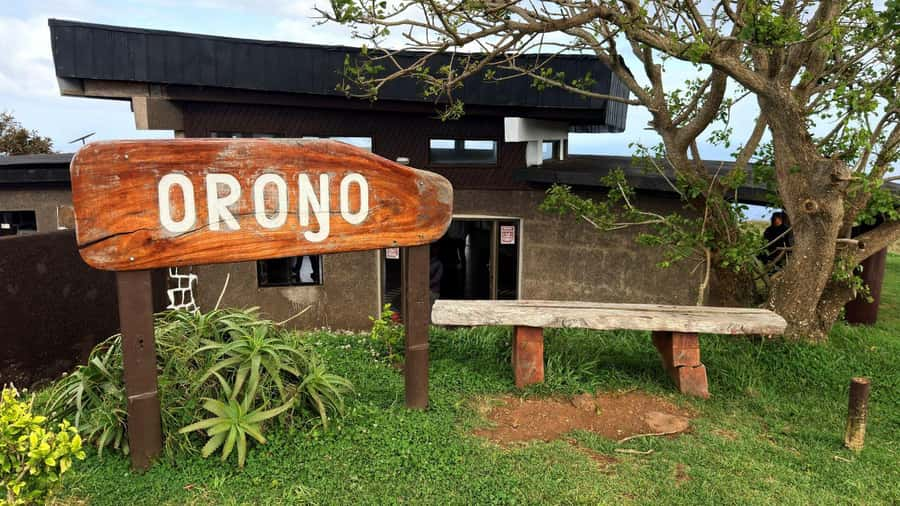
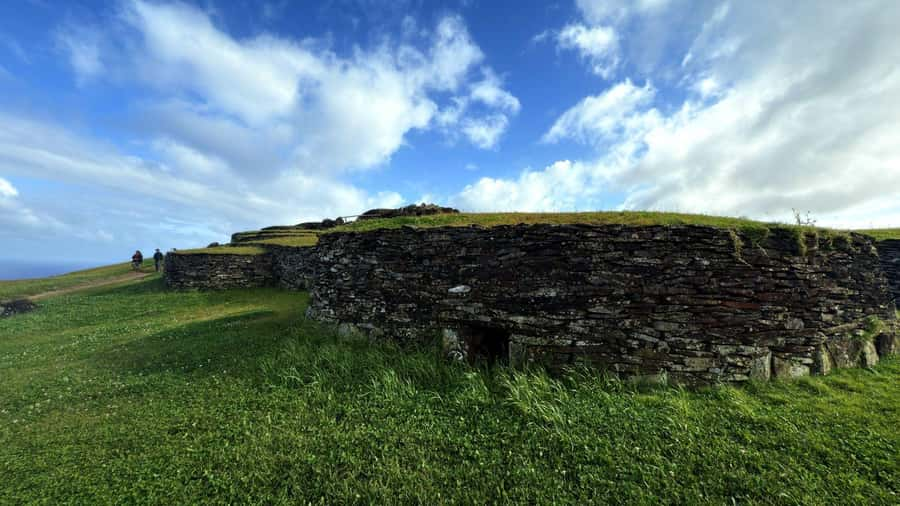
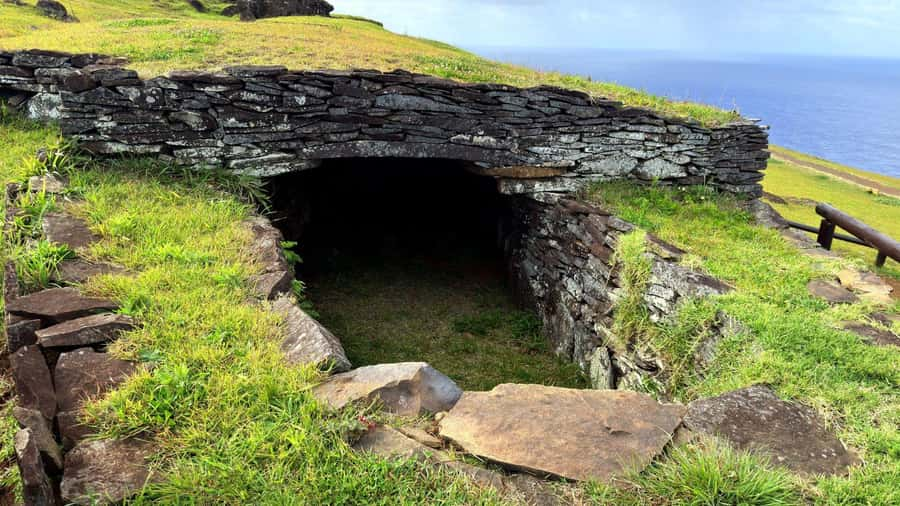
The final major stop is Orongo Ceremonial Village. Between 1600 and 1866, the birdmen were worshiped here. The village contains about 50 elliptical homes built with shale walls, each with a small square entrance facing the ocean.
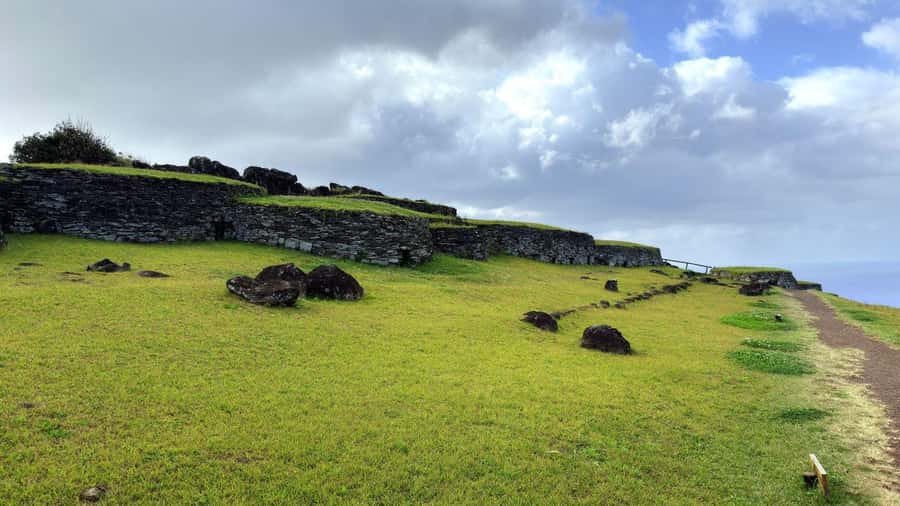
The homes are arranged in two uneven rows. The lower row ends at Mata Ngarahu, the sacred area where the birdman was worshiped. This layout gives you more to examine than a single ruin. You can look at the shape of the houses, their placement on the site, and the way the village relates to the ocean beyond.
One of the island’s most heavily decorated petroglyphs is also located at Mata Ngarahu. This is the kind of detail worth asking your guide about directly. A short visit can otherwise turn into a quick look at stone walls, while the petroglyphs and birdman tradition give the site a clearer purpose.
Orongo is especially valuable if you want cultural context rather than only famous stone monuments. The village shows how religious life on Rapa Nui included more than the ahu and statues associated with the island in popular images. Here, the setting, the homes, the sacred precinct, and the ocean views all belong to the same story.
The guide is an important part of this stop. The tour promises legends about Easter Island, and a good explanation can help you understand why Orongo was significant. Uka is specifically noted as a friendly and interesting guide, which makes the human side of the tour worth considering when you compare options.
More Half-Day Tours in Hanga Roa:
- Easter Island: Half-Day Archaeology Tour
★ 4.2 · 19 reviews - Private Santiago City Half Day Tour
★ 4.0 · 414 reviews - Santiago Half-Day Walking Tour with Hotel Pick up & Brunch
★ 4.7 · 148 reviews - Half-Day Small-Group Panoramic Santiago Tour
★ 4.0 · 89 reviews
What the $91 price really covers
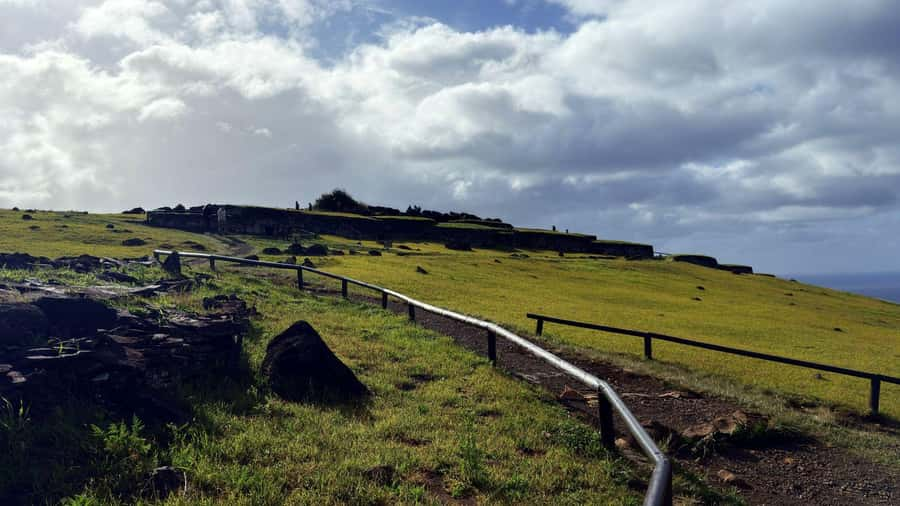
The tour costs $91 per person. That includes hotel pickup and drop-off at Easter Island hotels, a guided visit, and transport between the sites. English and Spanish guiding are available, and the group is limited to 10 people.
The Rapa Nui National Park entrance fee is extra at $100. That means the listed tour price does not represent your full cost for the day. With the park fee included, you should budget $191 per person before considering anything else.
That is a significant add-on, so check the total carefully before booking. At the same time, the park fee is not a small optional extra for this route. The principal stops are within Rapa Nui National Park, and the fee gives you access to the protected sites visited on the tour.
I see the value mainly in the transport and compact schedule. Easter Island sites are spread out, and this outing joins three important locations in one guided trip. You also avoid arranging your own transfer from Hanga Roa and gain commentary in your chosen language.
The value is weaker if you already have private transport, a park visit arranged separately, or several days to explore at your own pace. In that case, you may prefer more time at each place. But for a first visit, the combination of three distinct sites and a small group can justify the cost, provided you are comfortable with the added park entrance fee.
Hotel pickup, timing, and group size
Pickup and drop-off are included for hotels in Hanga Roa. Starting times vary, so you need to check availability for the day you want. The total duration is three hours.
That timing makes the tour easy to fit around other plans, but do not assume the schedule will allow long independent exploration. The route has three main stops, transfers, and guided explanations packed into a half-day format.
The small-group limit is 10 participants. This is a useful middle ground. You get a planned route and local interpretation without the scale of a large sightseeing bus. It also makes it easier to stay with the guide and hear the stories at Orongo and Vinapu.
The tour is not designed for cruise ship passengers. Pickup and drop-off from shore are not included, and the tour is specifically intended for people staying in hotels. If you are visiting Easter Island by cruise, do not book this expecting port transfer support.
Shoes, bags, and access considerations
Wear comfortable shoes. The stops are outdoor archaeological and volcanic sites, and you should be prepared for walking on uneven ground even though the available details do not specify exact distances.
Large bags and luggage are not allowed. Baby strollers and non-folding wheelchairs are also excluded, and the tour is not suitable for wheelchair users. Alcohol and drugs are not permitted.
These rules are easy to overlook when planning a short outing. Bring only what you need for the three-hour visit, and keep your belongings compact. You should also confirm the practical arrangements with the operator if you have mobility concerns, since the tour is not presented as accessible.
Free cancellation is available up to 24 hours in advance for a full refund. You can also reserve and pay later, which helps if your Easter Island schedule is still shifting.
Who will enjoy this tour most
I would choose this tour if you want a short, structured introduction to several major Rapa Nui sites. It works well for a first visit, especially if you are staying in Hanga Roa and prefer hotel pickup.
It is also a good match if you value explanation. Vinapu can raise questions about its masonry, Rano Kau benefits from geographical context, and Orongo has a complex ceremonial story. A guide who can connect those pieces is more useful than a simple transfer service.
The tour may suit you less if you want long walks, extended photography time, or complete freedom at each site. The three-hour format has to keep moving. It is also a poor fit for wheelchair users, people traveling with large luggage, and cruise passengers who need shore pickup.
The strongest reason to book is the variety. You get a large ahu, a volcanic crater lake, three offshore islets in view, a birdman village, and a decorated petroglyph site in one compact outing.
Should you book Ahu Vinapu, Rano Kau, and Orongo?
Book it if you are staying at a Hanga Roa hotel and want a small-group route through three very different sites without arranging your own transport. The English or Spanish guide, hotel pickup, and three-hour schedule make it practical, while Uka’s friendly, engaging style is a reassuring sign for anyone who wants more than a drive-by visit.
Before paying, add the $100 national park entrance fee to the $91 tour price. If that total works for your budget, this is a focused and worthwhile introduction to Vinapu, Rano Kau, and Orongo. Skip it if you need wheelchair access, are arriving by cruise, or want a slow day with ample time at each stop.
FAQ
How much does the tour cost?
The tour costs $91 per person. The Rapa Nui National Park entrance fee of $100 is not included.
How long does the tour last?
The tour lasts three hours. Starting times vary, so check availability when booking.
What places does the tour visit?
The route visits Ahu Vinapu, Rano Kau, and Orongo Ceremonial Village.
Is hotel pickup included?
Yes. Hotel pickup and drop-off are included for hotels in Hanga Roa on Easter Island.
Is the national park entrance fee included?
No. The Rapa Nui National Park entrance fee costs $100 and must be paid separately.
What languages are available?
The live guide is available in English and Spanish.
How many people are in the group?
The tour is limited to 10 participants.
Can cruise ship passengers join the tour?
No. The tour is intended for people staying in hotels, and shore pickup and drop-off are not included.
What should I bring?
Bring comfortable shoes. Large bags and luggage are not allowed.
Is the tour suitable for wheelchair users?
No. The tour is not suitable for wheelchair users, and non-folding wheelchairs are not allowed.
Newest Hanga Roa trips on the site
- Volcanic Refuges: Excursion to Underground Civilization★ 4.7 · 8 reviews
- Rapa Nui: Polynesian Massage★ 4.8 · 5 reviews
- Rapa Nui Highlights Program: 3 incredible tours to discover!★ 4.8 · 18 reviews
- Rapa Nui: 3 Excursions with Hotel Transfers★ 4.3 · 6 reviews
- Rapa Nui Dreams: Experiencie Pack 3 Days★ 4.7 · 32 reviews
- Hanga Roa: Full Day Moai and Mistery★ 4.4 · 22 reviews
- Easter Island: Tropical Diving★ 4.8 · 13 reviews
- Easter Island: Half-Day Archaeology Tour★ 4.2 · 19 reviews
Moai Tours, compared.
Two days of Full Day Tour of Rapa Nui + Sunrise in Tongariki
Read our review →
Sunrise Tongariki: Sunrise at Tongariki Park Private Tour
Read our review →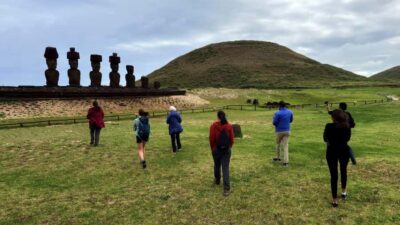
Private tour: where the history of the Moai was born
Read our review →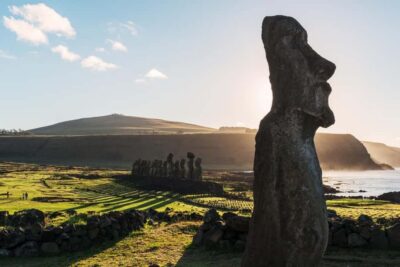
Browse the lists this tour appears in