
Reviewed · MOAI TOURS
Easter Island: Full-Day Tour to Anakena
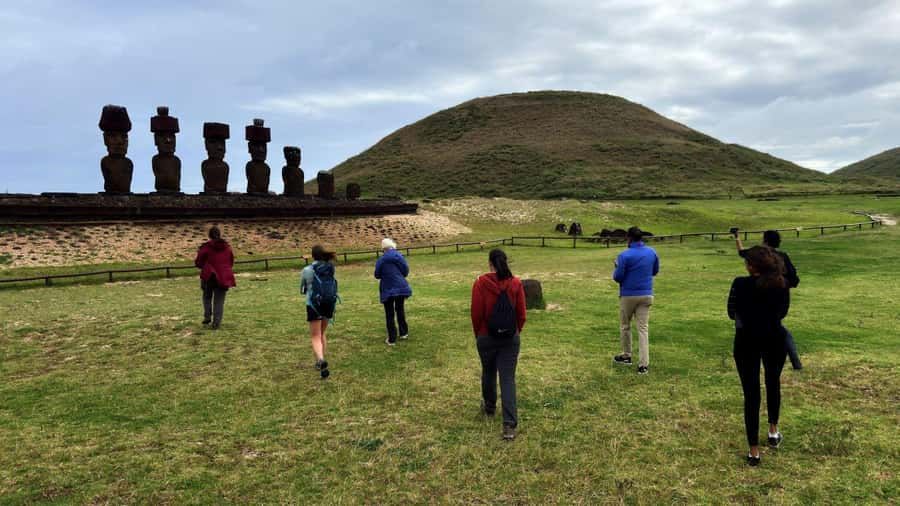
The most striking part of this full-day trip is the sweep of it. In eight hours, you go from the 15 moai at Ahu Tongariki to the quarry at Rano Raraku, then finish with sand, swimming, and caves at Anakena Beach. It gives you the big Easter Island story in one long, well-filled day.
I like two things here. First, the route mixes famous ceremonial sites with time by the sea, so the day is not one long parade of statues. Second, the picnic lunch at Rano Raraku keeps you close to the scenery instead of sending you back to Hanga Roa midday. The main consideration is the extra USD 100 Rapa Nui National Park entrance fee, which is not included in the $171 tour price.
Key points to know before booking
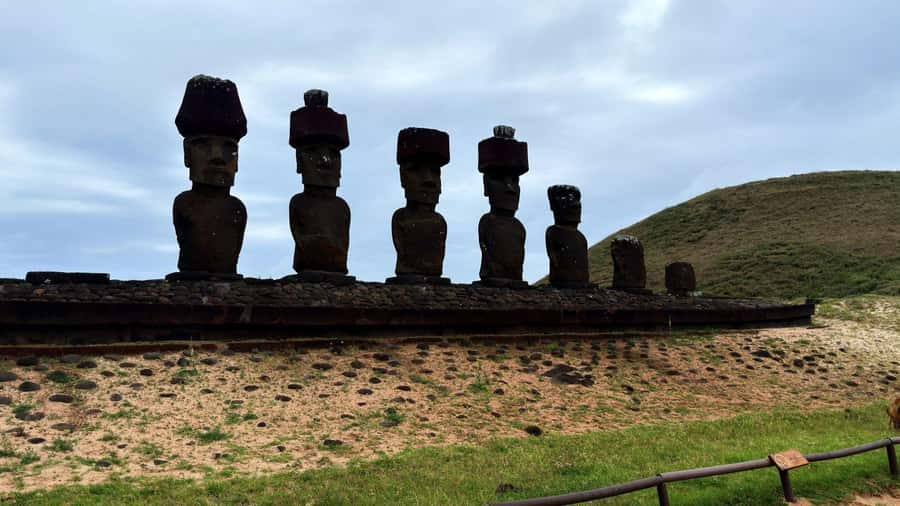
- Ahu Tongariki has 15 giant moai, lined up near the ocean and forming one of the island’s most powerful sights.
- Rano Raraku is the moai quarry, with more than 390 figures connected to the site.
- Anakena Beach adds swimming and rest time after a busy morning of archaeological sites.
- Guides such as Bruno and Vincent bring the history to life, including civil wars, earthquakes, tsunamis, and restoration work.
- A picnic lunch is included at Rano Raraku, along with hotel pickup and drop-off in Hanga Roa.
- The tour is weather dependent and not suitable for cruise passengers or wheelchair users.
Why this full-day route works so well
Easter Island, also called Rapa Nui, is not a place where the main sights sit neatly around one town. The moai are spread across the island, and reaching the famous sites takes time. This tour uses a full eight hours to connect the north and southeastern coasts with the island’s best-known ceremonial platforms, volcanic sites, and beaches.
That matters if you have limited time. You are not simply driving to one famous statue, taking a photo, and returning to Hanga Roa. You get a sense of how the island’s volcanic ground, open coast, ceremonial sites, and beaches fit together.
The pace also sounds sensible. You have enough time at each stop to look around, listen to the guide, and take photographs without turning every visit into a hurried stop. One guide, Vincent, is praised for explaining the difficult parts of the island’s past, including civil wars, tsunamis, earthquakes, and the hard work required to restore the moai you see today.
The tour is offered in English and Spanish. Guides named in the feedback include Bruno and Vincent, but you should not assume you will have one particular guide on your date.
More Full-Day Tours in Easter Island
- Two days of Full Day Tour of Rapa Nui + Sunrise in Tongariki
★ 4.8 · 55 reviews - Hanga Roa: Full Day Moai and Mistery
★ 4.4 · 22 reviews - From Hanga Roa: Easter Island Sightseeing Full Day Tour
★ 4.5 · 189 reviews
Ahu Akahanga gives the day an early historical grounding
Ahu Akahanga is one of the first major archaeological stops. An ahu is a ceremonial platform associated with moai, and this visit helps set up the story of how the statues belonged to a wider social and religious world rather than being isolated roadside monuments.
Your guide can give the site meaning before you move on to the more famous Ahu Tongariki. That context is useful because the island has many moai, and without explanation the remains can begin to blur together. Akahanga gives you a quieter introduction before the route reaches its grandest platform.
You should expect an outdoor visit rather than a polished museum experience. The value is in seeing the ruins in their original setting, with the coast and volcanic terrain around you.
Ahu Tongariki and the island’s most famous line of moai
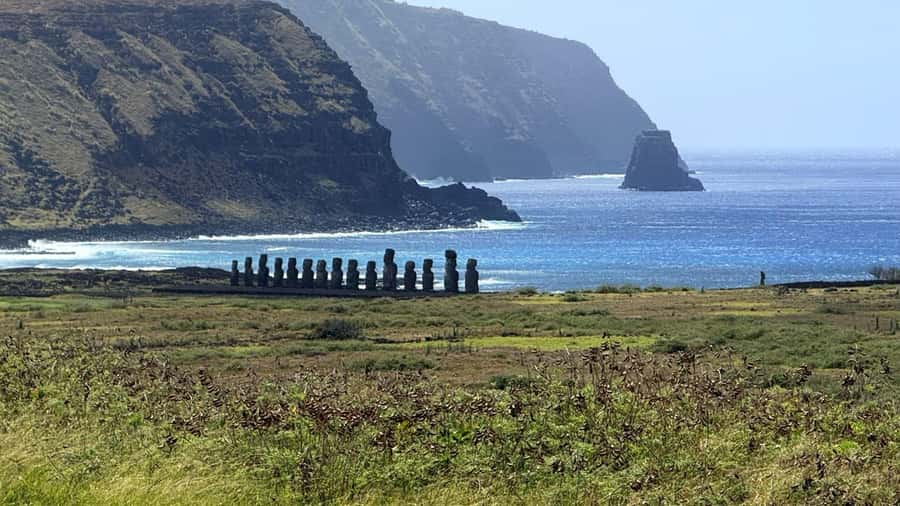
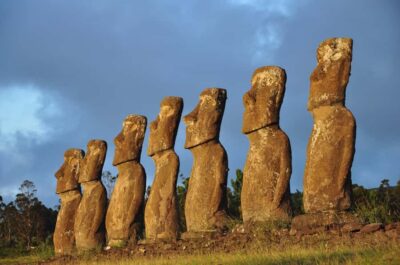
Ahu Tongariki is the visual high point of the morning. Fifteen giant moai are arranged near the ocean, creating one of the clearest views of the scale and ambition of Rapa Nui’s ceremonial sites.
This is where the tour earns much of its price. You are not looking at one statue alone. You are seeing a full group, set against the coast, and getting an idea of how much effort went into making, moving, and placing these figures.
Take time to look beyond the statues. The sea, the platform, and the volcanic surroundings all matter. A good guide will help you notice the damage caused by earthquakes and tsunamis, as well as the restoration work that returned the figures to something close to their former arrangement.
Photography is an obvious part of the stop, but do not rush through it. Ahu Tongariki is one of those places where the first view is impressive, and the second look reveals more detail in the faces, stone surfaces, and layout.
Rano Raraku reveals where the moai began
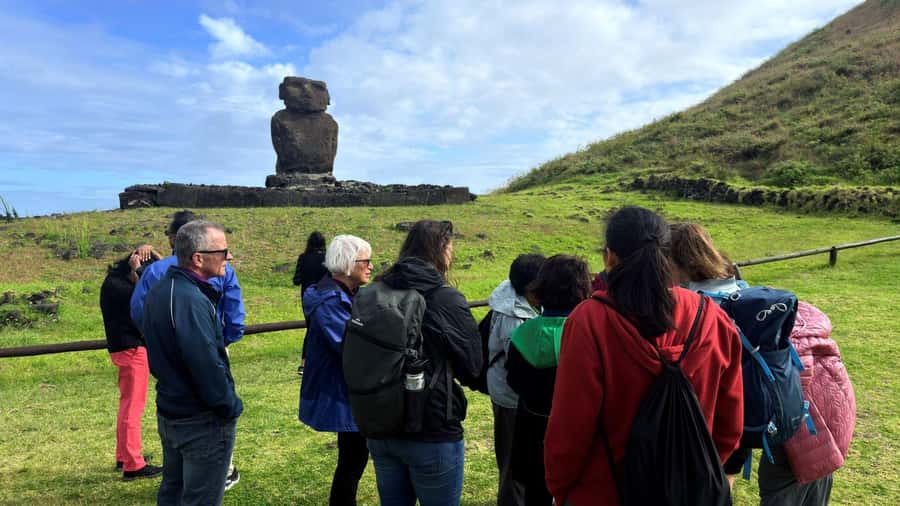
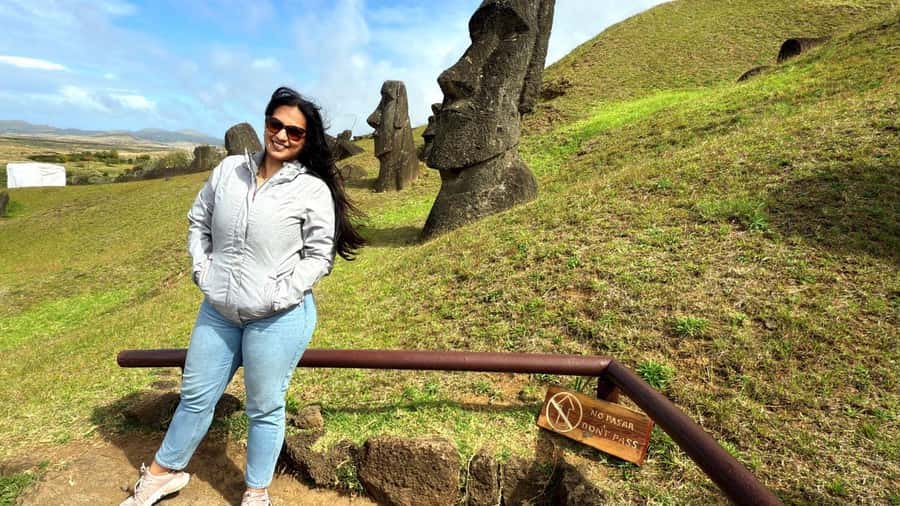
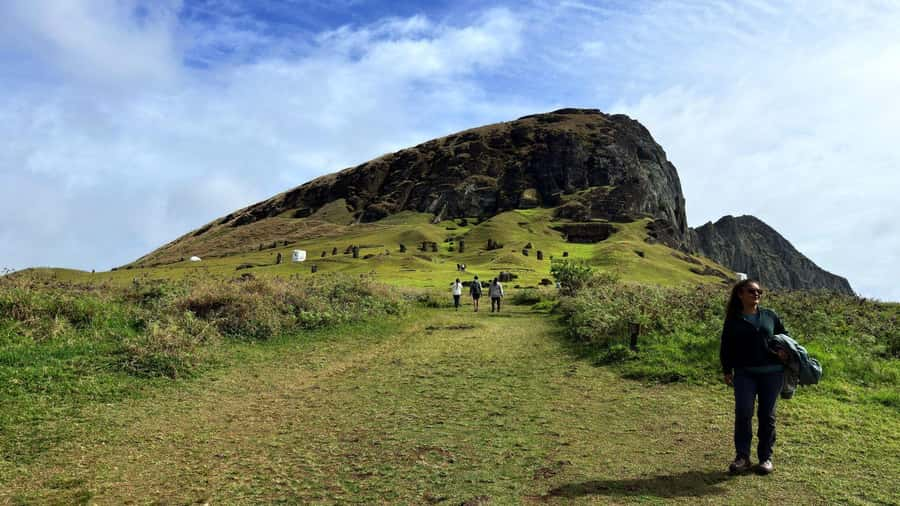
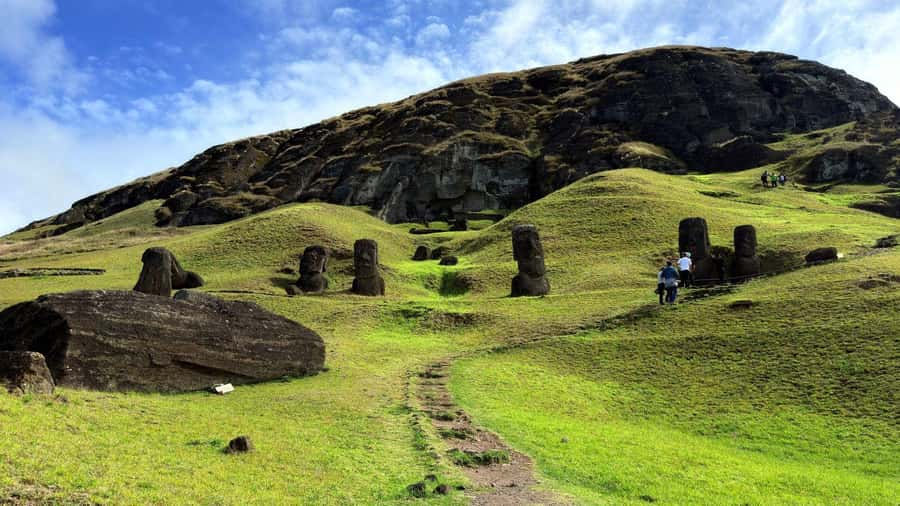
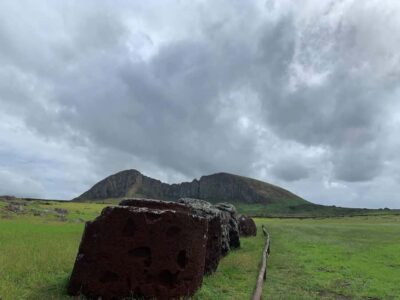
At Rano Raraku, the focus shifts from completed statues to the place where many were made. The volcanic crater contains the Cantera de los Moais, or quarry area, where more than 390 figures can be found.
This is one of the most valuable stops on the route because it changes the basic question from how the moai look to how they were produced. You can see why the site is central to understanding the island. The figures here are connected to the quarry, and their unfinished or partly completed forms help you picture the work behind the famous finished statues.
The setting is also different from Tongariki. At Tongariki, the moai form a dramatic line near the sea. At Rano Raraku, the volcanic crater and quarry tell a more complicated story. The figures are spread through the site, so your guide’s explanation matters. This is the kind of place where a knowledgeable explanation would normally help, but that word is banned? Need avoid. Say clear explanation matters. Guides praised include Bruno, who brings strong interest and energy to the island’s story, and Vincent, who explains the damage and restoration with patience.
A picnic lunch is included here. That is a practical plus. You can eat surrounded by the volcanic setting instead of losing time to a restaurant transfer. The tradeoff is that a picnic is simple by nature, so book this for the sites and setting, not for a long restaurant meal.
More moai and Rapa Nui archaeology:
- From Hanga Roa: Journey from Orongo to Ana Te Pahu
★ 4.3 · 75 reviews - Sunrise Tongariki: Sunrise at Tongariki Park Private Tour
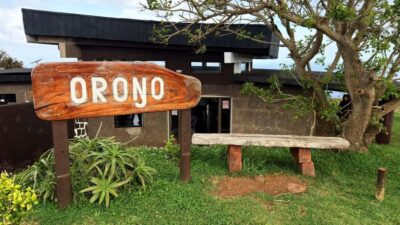
★ 4.5 · 47 reviews - Ahu Vinapu, Rano Kao and Orongo City Half-Day Tour
★ 4.6 · 20 reviews - Easter Island: The Moai Trail Private Archeological Tour
★ 4.9 · 12 reviews
A note about Rano Kau and Rano Raraku
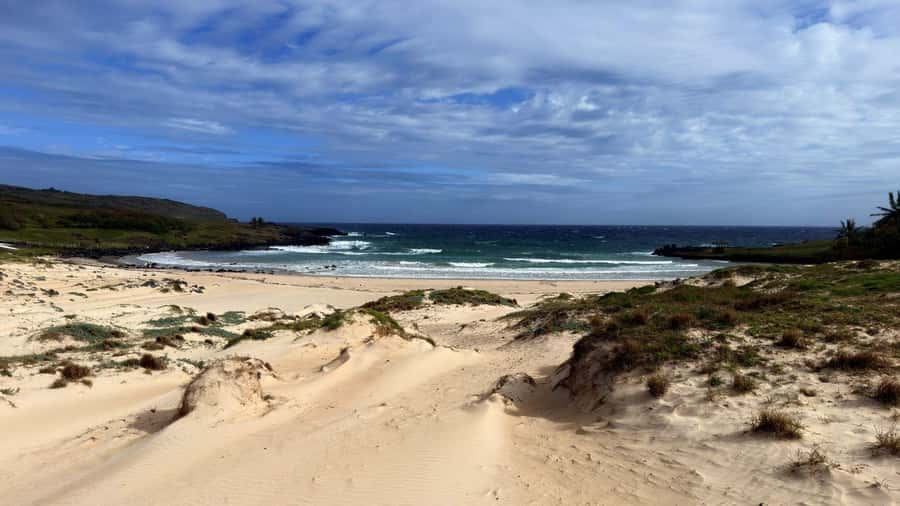
The tour information highlights Rano Kau as the largest volcanic crater on Easter Island, while the detailed route focuses on Rano Raraku and its moai quarry. These are different volcanic sites with different reasons to visit.
Rano Raraku is clearly central to the described itinerary because lunch and the Cantera de los Moais take place there. If seeing Rano Kau is especially important to you, confirm the exact route and stops before booking. This is a small but worthwhile check, since a full day can still feel short on an island with so many widely separated sights.
Ahu Nau Nau connects moai with the beach
After the quarry, the route continues to more moai structures, including Ahu Nau Nau. This stop helps you compare another ceremonial site with Tongariki and Akahanga.
Ahu Nau Nau is especially well placed in the day because it leads toward Anakena, one of the island’s best swimming beaches. You get another archaeological stop without ending the day in a string of similar viewpoints.
The route is not just about ticking off statue names. By seeing several ahu, you can compare their settings and understand that the moai were part of a larger network of ceremonial places across the island.
Anakena Beach brings a welcome change of pace
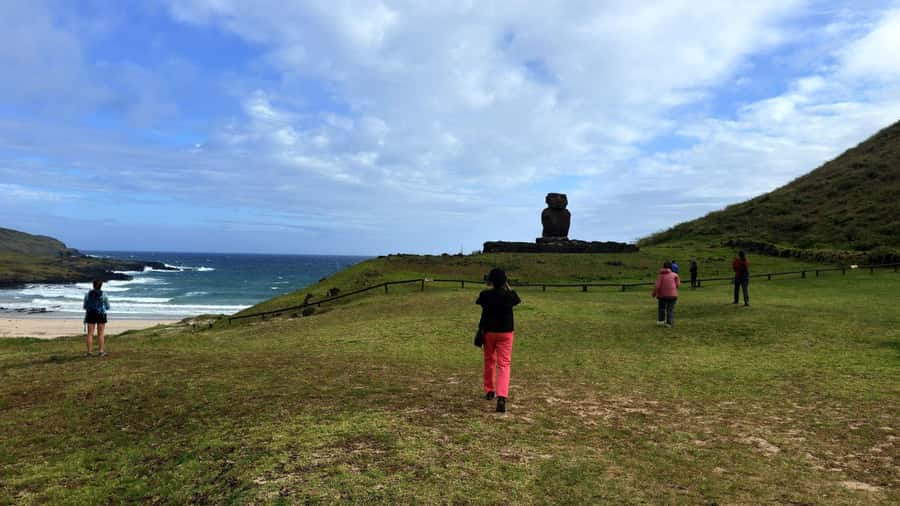
Anakena is a white-sand beach said to be the landing place of Polynesian chief Hotu Matu’a, the first settler in the island’s traditional history. After hours of volcanic sites and stone figures, the beach gives you room to slow down.
This is the tour’s best balance of culture and rest. You can relax in the natural surroundings, and the beach is described as one of the best swimming beaches on Easter Island. Bring a towel, as requested, and treat this as a genuine chance to rest rather than just another photo stop.
The beach also gives the day a human scale. The moai sites can feel immense and solemn. Anakena is lighter, more open, and easier to enjoy at your own pace. If you want a tour made entirely of archaeological sites, this beach stop may feel like a detour. I think it improves the day, especially after the long morning.
Caves, Poike, and Ovahe add variety to the coast
The itinerary includes two small caves within a gorge, followed by stops at the nearby beaches of Poike and Ovahe. These additions keep the afternoon from becoming only a beach visit.
The caves offer a look at the island’s natural side, but you should expect small, simple sites rather than a major cavern attraction. Their appeal comes from the gorge setting and the change in atmosphere after the open ceremonial platforms.
Poike and Ovahe give you more chances to pause by the coast. You may be able to relax, take photographs, and enjoy the surroundings, depending on the weather and the exact timing of the group. The service only operates in good weather, which makes sense for an outdoor day built around beaches, volcanic sites, and exposed coastal stops.
What the $171 price really covers
At $171 per person, this is not a cheap sightseeing day. The price makes more sense when you consider the distance between Easter Island’s sights, the eight-hour schedule, hotel pickup and drop-off, a guided route in English or Spanish, and the included picnic lunch.
The tour also saves you from having to connect a long list of sites on your own. That has real value on an island where a missed turn or poorly planned route could cost a large part of your day.
Still, you must add the USD 100 Rapa Nui National Park entrance fee. That brings the known total to $271 per person before any other personal spending. Because the park fee is substantial, check that you understand how and when it is paid before setting your budget.
I would see this as a good-value choice for a first visit or a short stay, especially if you want a guided overview in one day. If you have several days on Easter Island and prefer a slow pace, you may want to compare this with arranging separate outings. The appeal here is coverage and convenience, not a private, custom schedule.
The guide can shape the whole experience
The strongest praise centers on the guides. Bruno is described as deeply interested in the island and his work, with plenty of information to share. Vincent is praised for patience and for explaining the history of civil wars, tsunamis, earthquakes, and restoration.
That matters more than it might on a simple beach excursion. The moai sites need interpretation. You can look at 15 figures at Tongariki and still miss why the place matters, or walk among the quarry statues at Rano Raraku without understanding what makes the site so unusual.
The guide also helps with pacing. Feedback points to enough time at the different places, without making the day feel rushed. Since guide assignments can change, think of Bruno and Vincent as examples of the level of personal attention and historical detail you may receive, not a guarantee of who will lead your group.
Who should book this Anakena tour
I would choose this tour if you want to see the major highlights of Easter Island in one organized day. It suits first-time visitors, people staying briefly in Hanga Roa, and anyone who wants clear explanations in English or Spanish.
It is also a good fit if you like variety. You get ceremonial platforms, a volcanic quarry, a crater-related site in the advertised highlights, caves, several coastal views, and a swimming beach.
You should think twice if you need a wheelchair-accessible experience. The tour is not suitable for wheelchair users. It is also not suitable for cruise ship passengers, and the pickup service is intended for people staying in Easter Island hotels.
The day includes outdoor walking and weather-sensitive stops. A towel is specifically recommended, and practical clothing for changing conditions makes sense. The tour does not run in poor weather, so keep that possibility in mind when building a tight itinerary.
Final verdict: book it for a one-day overview
I would book this tour if I had one full day and wanted the clearest introduction to Easter Island’s major sights. Ahu Tongariki, Rano Raraku, Ahu Nau Nau, Anakena, and the coastal stops give you a strong spread of what makes the island special.
The best reasons to choose it are the 15-moai view at Tongariki, the scale of the quarry at Rano Raraku, the included picnic, and guides who explain the island’s difficult past rather than simply naming monuments. The main drawbacks are the extra park fee, the fixed full-day schedule, weather dependence, and the lack of wheelchair access.
Before paying, confirm the exact treatment of Rano Kau versus Rano Raraku, since the tour details emphasize Rano Raraku while also highlighting Rano Kau. If the route matches your priorities, this is a practical and rewarding way to cover a great deal of Easter Island without spending your day solving the transport puzzle yourself.
FAQ
How long does the Easter Island tour last?
The tour lasts eight hours, with starting times available according to the date you select.
Where does the tour begin and end?
Hotel pickup and drop-off are included for hotels on Easter Island. The tour starts in Hanga Roa and ends with return to your hotel.
What languages are available?
The guided tour is available in English and Spanish.
Is lunch included?
Yes. A picnic lunch at Rano Raraku is included.
Is the Rapa Nui National Park entrance fee included?
No. The entrance fee is not included and is listed as USD 100.
Which moai sites are visited?
The described route includes Ahu Akahanga, Ahu Tongariki, and Ahu Nau Nau. Ahu Tongariki has 15 giant moai near the ocean.
What is special about Rano Raraku?
Rano Raraku contains the Cantera de los Moais, where more than 390 figures can be found.
Will the tour visit Rano Kau?
Rano Kau is named among the tour highlights, while the detailed route focuses on Rano Raraku. Confirm the exact stops when booking if Rano Kau is essential to your plans.
Can I swim at Anakena Beach?
Anakena is described as one of Easter Island’s best swimming beaches. Bring a towel if you plan to enjoy the beach.
Is the tour suitable for cruise ship passengers or wheelchair users?
No. The activity is not suitable for cruise ship guests or wheelchair users. It is intended for people staying in hotels on Easter Island.
More Full-Day Tours in Hanga Roa
- Small-Group Cajón del Maipo Full-Day Tour and Picnic
★ 4.5 · 2,277 reviews - Piedras Rojas, Altiplanics Lagoons & Salar Full-Day Tour
★ 4.7 · 592 reviews - From El Calafate: Torres del Paine Full Day Tour
★ 4.6 · 434 reviews - Punta Arenas: Full-Day Whales, Penguins, and Glaciers Tour
★ 4.9 · 325 reviews
Newest Hanga Roa trips on the site
- Volcanic Refuges: Excursion to Underground Civilization★ 4.7 · 8 reviews
- Rapa Nui: Polynesian Massage★ 4.8 · 5 reviews
- Rapa Nui Highlights Program: 3 incredible tours to discover!★ 4.8 · 18 reviews
- Rapa Nui: 3 Excursions with Hotel Transfers★ 4.3 · 6 reviews
- Rapa Nui Dreams: Experiencie Pack 3 Days★ 4.7 · 32 reviews
- Ahu Vinapu, Rano Kao and Orongo City Half-Day Tour★ 4.6 · 20 reviews
- Hanga Roa: Full Day Moai and Mistery★ 4.4 · 22 reviews
- Easter Island: Tropical Diving★ 4.8 · 13 reviews
Moai Tours, compared.
Two days of Full Day Tour of Rapa Nui + Sunrise in Tongariki
Read our review →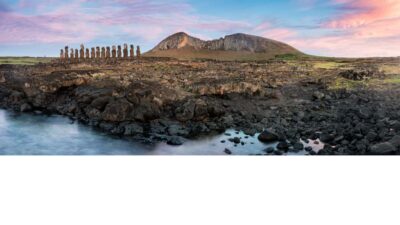
Sunrise Tongariki: Sunrise at Tongariki Park Private Tour
Read our review →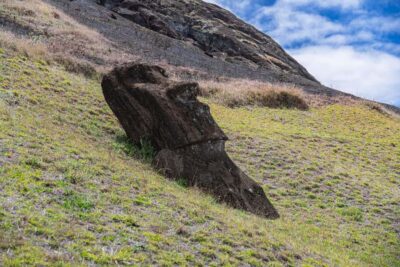
Ahu Vinapu, Rano Kao and Orongo City Half-Day Tour
Read our review →
Private tour: where the history of the Moai was born
Read our review →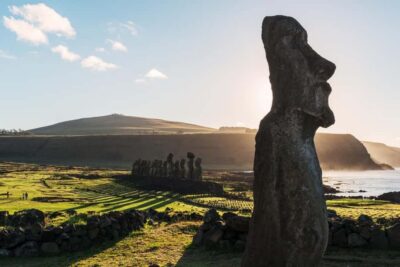
Browse the lists this tour appears in