
Reviewed · FULL-DAY TOURS IN EASTER ISLAND
Full day tour – DREAM
Rano Raraku, the quarry where roughly 400 unfinished moai remain in the volcanic slopes, is the heart of this full-day Easter Island tour. From there, you continue to Ahu Tongariki, Anakena Beach, and several smaller ahu, or ceremonial platforms. The day gives you the broadest look at Rapa Nui’s famous archaeological sites without arranging several separate outings.
I like the wide range of stops, especially the two hours planned at Rano Raraku and Ahu Tongariki. I also like the guides’ strong cultural storytelling. Esteban, Christian, Joaquin, Andre, and others have earned praise for explaining the moai clearly and answering questions in English and other languages.
The main caution is timing. The tour can run smoothly for seven to nine hours, but holiday closures, late pickups, traffic between accommodations, or a slow lunch stop can change the day. You also pay the National Park fee separately, so the real cost is higher than the advertised $120.
Key points to know before booking
- Rano Raraku receives two full hours, giving you time to see the quarry slopes and unfinished moai rather than making a quick photo stop.
- Ahu Tongariki is scheduled for two hours, a generous visit to the largest platform in Polynesia, with 15 moai facing inland.
- The route covers seven places, including Ahu Vaihu, Akahanga, Te Pito Kura, Nau Nau, and Anakena Beach.
- Guides are a major strength, with Esteban especially praised for clear explanations, cultural context, and photography help.
- Lunch is not included, and the day may reach the afternoon before you have a proper meal.
- The park ticket is separate, costing $80 for foreigners or CLP20,000 for Chileans.
Why this full-day route works well on Easter Island
Easter Island, or Rapa Nui, is not a place where a quick drive-by gives you much understanding. The moai are dramatic, but the meaning of each platform depends on knowing how it relates to a former village, a bay, a quarry, or an ancestral ceremony.
This tour gives you that wider picture in one long day. You move from the southern coast to the quarry, then east and north toward Anakena. The stops are not all equally famous, but that is part of the value. Ahu Tongariki may be the photographic star, yet smaller places such as Ahu Vaihu and Akahanga help you see how the monuments fit into daily and ceremonial life.
The advertised duration is about eight to nine hours, beginning at 9:30 a.m. at Iglesia Católica Tu’u Koihu in Hanga Roa and ending back at the same meeting point. Some departures have lasted closer to seven hours, while unusual holiday schedules have shortened the day. I would keep the day open rather than planning an important evening flight, dinner, or second tour.
Groups can reach 15 people. That is still manageable, but it is not a private outing. Smaller groups may move faster and spend less time gathering everyone. That can be good for a long archaeological day, though it also means the actual rhythm may vary by departure.
More Full-Day Tours in Easter Island
- From Hanga Roa: Easter Island Sightseeing Full Day Tour
★ 4.5 · 189 reviews - Two days of Full Day Tour of Rapa Nui + Sunrise in Tongariki
★ 4.8 · 55 reviews - Easter Island: Full-Day Tour to Anakena
★ 4.7 · 27 reviews
Ahu Vaihu gives the tour a human beginning
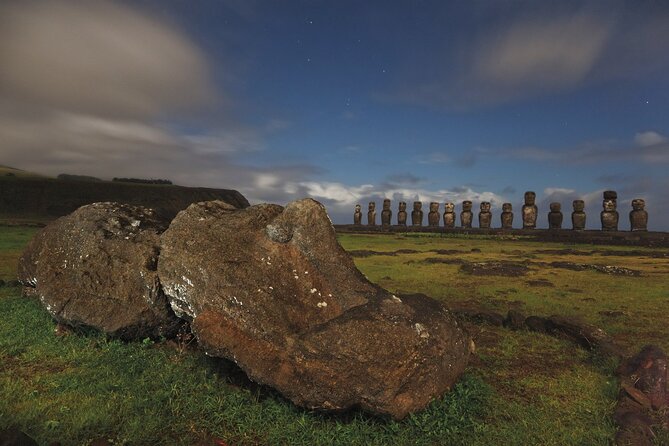
The first listed stop is Ahu Vaihu, where eight moai lie fallen near an ancestral bay used by fishermen. You also see a representative poko manu mea, connected with Rapa Nui villages and customs.
This is a useful opening because it places the moai beside a working coastal setting rather than presenting them as isolated statues. You can begin thinking about the monuments as part of a community, not simply as giant stone figures for photographs.
The stop lasts about 30 minutes. That is enough for an explanation and pictures, but not a long walk or leisurely exploration. Admission is included in the tour itinerary, while your broader National Park ticket must already be purchased before the excursion begins.
Akahanga shows a former village by the sea
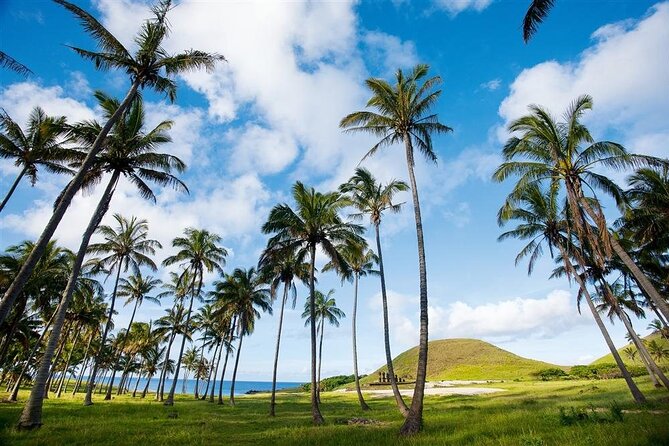
Ahu Akahanga is another short stop, planned for about 30 minutes. Here you see the remains of an old village near a small bay.
The site adds a useful contrast to the more polished presentation of Tongariki. You are looking at a place where the village setting matters as much as the moai platform itself. A good guide can connect the ruins, the coast, and the customs of the people who lived here.
Admission is listed separately from the included stops, so confirm how your National Park ticket applies when you arrive. The tour requires moderate physical fitness. Nothing in the supplied information suggests a technical hike, but you should expect walking over uneven archaeological ground and standing outdoors for much of the day.
Rano Raraku is the day’s essential stop
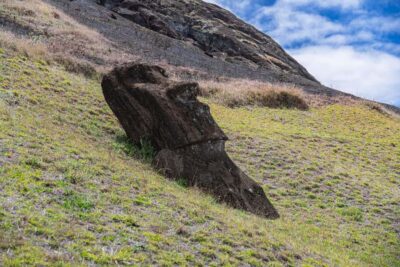
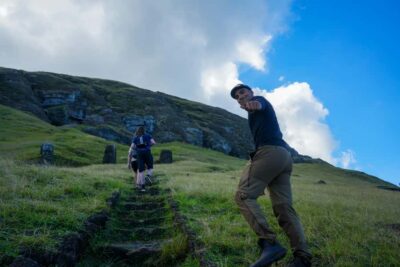
Rano Raraku is the quarry and moai factory, with approximately 400 unfinished specimens. The planned two-hour visit is one of the best reasons to choose this tour instead of a rushed island circuit.
The unfinished figures make the site especially interesting. You see moai in different stages of production, which helps you understand that these were carved from the volcanic rock before being moved to ceremonial platforms. The unfinished statues also leave room for questions, and this is where a strong guide adds real value.
Esteban is repeatedly praised for explaining the moai, Rapa Nui culture, and modern island life in a clear, engaging way. He has also been singled out for speaking excellent English and allowing enough time for photographs. Other guides named in positive accounts include Christian, Joaquin, Andre, and Chris.
You will want sturdy shoes, water, sun protection, and patience here. Two hours can pass quickly because the site rewards both looking closely and stepping back for wider views. The tour includes admission to this stop, but not lunch or drinks.
Same corner of Chile, a completely different day out:
- From Hanga Roa: Rapa Nui Culture Sightseeing Tour
★ 4.6 · 307 reviews - From Hanga Roa: Easter Island Highlights 2-Day Tour
★ 4.3 · 205 reviews - From Hanga Roa: Journey from Orongo to Ana Te Pahu
★ 4.3 · 75 reviews - Rapa Nui Stargazing
★ 4.5 · 62 reviews
Ahu Tongariki delivers the big visual moment
Ahu Tongariki is the largest ahu in Polynesia, with 15 upright moai standing in a row and their backs to the ocean. The two-hour schedule is generous and gives you time to appreciate the platform from more than one angle.
This is the place most likely to produce the image you carried in your head before arriving on Rapa Nui. Still, the best part is not only the scale. The row of statues shows how carefully the platform was arranged and how different each moai can look when you pay attention to posture, size, and weathering.
The site can become crowded, and the operator sometimes changes the order of the route to reduce crowding. Several positive accounts specifically praise guides for working around busy periods and allowing quiet time for photographs. That flexibility is useful, though it also means your actual sequence may differ from the order presented here.
Te Pito Kura adds a strange detail to the route
Ahu Te Pito Kura is scheduled for one hour. The stop includes the magnetic stone and the longest moai, giving you a different kind of experience from the grand row at Tongariki.
The longest moai is associated with the ambition and scale of the island’s carving tradition. The magnetic stone adds a memorable physical detail, though the supplied information does not explain how it is presented or tested during the visit. Ask your guide questions here. The site is most worthwhile when the explanation goes beyond pointing out the objects.
This stop has not always been included in every reported departure, so I would confirm the day’s exact route at pickup. That is not a reason to reject the tour, but it is a reason to keep expectations practical. Island conditions, park hours, and group timing can affect the order and length of visits.
Ahu Nau Nau connects the monuments with Anakena
Ahu Nau Nau sits about 150 meters inland from Anakena Beach and has seven moai. The planned visit is 30 minutes, followed by another 30 minutes at the beach itself.
This pairing works well. You first see a ceremonial platform, then the setting tied to the story of King Hotu Matu’a’s arrival. The beach’s Rapa Nui name is Hanga Rau o Te Ariki, and that name gives the stop a stronger cultural frame than simply calling it a swimming break.
Admission for Ahu Nau Nau is not listed as included, so your National Park pass is essential. If you want to swim, bring suitable clothing and a towel, but do not assume the schedule guarantees beach time. This is primarily an archaeological and cultural outing, not a dedicated beach tour.
Anakena is pleasant, but lunch timing needs thought
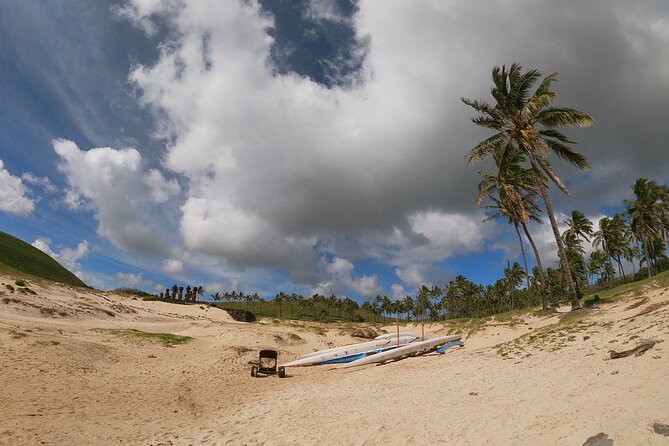
Anakena Beach is the final listed stop, with free admission and about 30 minutes scheduled. It is also the practical lunch opportunity, since food and drinks are not provided by the operator.
This can create a late meal. One departure reached lunch around 3 p.m., and a slow restaurant service caused the group to wait longer than planned. Bring snacks, especially if you do not like eating late. You may find food available near the beach, but the tour price does not cover it, and the information provided does not promise a particular restaurant or menu.
The beach can be a welcome change after hours among stone platforms. Still, the stop is short on paper. If swimming matters most to you, a separate beach visit may be wiser. If your priority is seeing the island’s major archaeological places in one day, Anakena works as a closing stop.
Guides make the largest difference
The best part of this experience is the human explanation. Positive feedback repeatedly highlights guides who connect what you see to Rapa Nui customs, ancient life, present-day island culture, and the meaning of Tapati, the island’s major cultural festival.
Esteban receives especially strong praise for patient answers, clear English, good pacing, and taking photographs. Christian is described as friendly and entertaining, while Joaquin is praised for tying stories directly to the sites. Andre and Chris are also named positively for their command of the subject.
The guide quality may vary by departure, and one account describes a less satisfying visit with limited explanations at Anakena. That is worth keeping in mind. A tour can have an excellent route on paper and still feel thin if the guide rushes the stops.
What the $120 price really means
The listed price is $120 per person, but you must add the National Park entrance fee. Foreign visitors pay $80, while Chileans pay CLP20,000. For a foreign visitor, the combined listed cost is therefore $200 before lunch, drinks, or any other personal spending.
That is not cheap, but the comparison should be with arranging transport, park access, and a full day of guiding on your own. You get a vehicle, a large portion of the island’s major sites, and a guide who can explain what you are seeing. The value is strongest if you have limited time on Rapa Nui and want one concentrated day.
The value drops if your departure loses several hours, misses listed sites, or leaves you waiting in a hot vehicle. Confirm the meeting arrangement, arrive early, and ask for the day’s route before setting out. The tour has a maximum of 15 people, but smaller groups may be used when conditions require it.
Practical preparation for an eight-hour day
You need to buy the National Park ticket before the first day of your excursion. It is available at Ma’u Henua offices or through the Rapa Nui National Park website.
Pack:
- Water and snacks
- Lunch money
- Sun protection
- Comfortable walking shoes
- A hat or light cover
- Swimwear and a towel if you hope to use Anakena Beach
- A phone or camera with spare battery power
The operator sends route information through WhatsApp the day before. Use that message to confirm pickup details, since the stated meeting point is the Catholic church in Hanga Roa and some departures have involved hotel pickups.
Good weather is required. If poor weather cancels the outing, you can receive a different date or a full refund. Standard cancellation is free up to 24 hours before the start time, but changes or cancellations inside that window are not accepted.
Who should book this tour?
I would choose this tour if you have one main sightseeing day on Easter Island and want the major moai sites explained by a local guide. It suits solo visitors, couples, and friends who prefer a planned route over arranging multiple taxis or rental drives.
It is also a good fit if Rano Raraku and Tongariki are your priorities. The two-hour blocks give those sites the attention they deserve, and the smaller stops round out the story.
I would hesitate if you need a perfectly fixed schedule, dislike group transport, or mainly want a relaxed beach day. I would also ask about the exact route before paying if visiting every listed stop is essential to you.
Should you book Rapa Nui Dream?
Yes, for most first-time visitors with limited time, this is a sensible full-day introduction to Rapa Nui. The route reaches the island’s defining places, the guides can add far more meaning than a self-guided drive, and the strongest departures are well paced with plenty of photo time.
Book with realistic expectations. The $120 price does not include the National Park ticket, lunch, or drinks. Start times and stop lengths can shift, and special dates such as Christmas Eve may shorten park access. If you prepare for a long outdoor day and confirm the route in advance, this tour gives you a strong look at the moai and the island culture behind them.
FAQ
How long does the tour last?
The planned duration is approximately eight to nine hours. Some departures may run closer to seven hours, while holiday park closures or other operating conditions can shorten the day.
What time does the tour start?
The stated start time is 9:30 a.m.
Where does the tour begin?
It begins at Iglesia Católica Tu’u Koihu in Hanga Roa, Easter Island, Chile. The activity ends back at the meeting point.
Is lunch included?
No. Food and drinks are not included. You should bring snacks and money for lunch, which may take place late in the afternoon.
How much is the National Park entrance fee?
The fee is CLP20,000 per Chilean visitor or $80 per foreign visitor. You must purchase the ticket before the first day of the excursion.
Which major moai sites does the tour visit?
The route includes Ahu Vaihu, Ahu Akahanga, Rano Raraku, Ahu Tongariki, Ahu Te Pito Kura, Ahu Nau Nau, and Anakena Beach.
Is the tour suitable for children or people with limited mobility?
The stated requirement is a moderate physical fitness level. The supplied information does not specify child policies or detailed accessibility arrangements, so ask the operator before booking if either issue is important.
How many people can join the tour?
The maximum group size is 15 people. On some special departures, the operator may reorganize the outing into smaller groups.
Can I swim at Anakena Beach?
Swimming may be possible when timing and conditions allow, but the experience is primarily an archaeological and cultural tour. Beach time is not guaranteed, so bring swimwear only if you are comfortable carrying it for a possible opportunity.
What is the cancellation policy?
You can cancel at least 24 hours before the local start time for a full refund. Changes or cancellations made less than 24 hours before departure are not accepted. If poor weather causes the operator to cancel, you can choose another date or receive a full refund.
Newest Easter Island trips on the site
- Volcanic Refuges: Excursion to Underground Civilization★ 4.7 · 8 reviews
- Half Day Tour in Rapa Nui★ 5.0 · 48 reviews
- Ride to the highest point on the island for sunset★ 5.0 · 40 reviews
- Tongariki Sunrise: Half Day Private Tour★ 3.8 · 9 reviews
- Terevaka Horse Excursion: The highest point and 360° view.★ 4.7 · 38 reviews
- Easter Island: Private Full Day History Of The Moai★ 4.6 · 12 reviews
- Rapa Nui: Polynesian Massage★ 4.8 · 5 reviews
- Rapa Nui Highlights Program: 3 incredible tours to discover!★ 4.8 · 18 reviews
Full-Day Tours in Easter Island, compared.
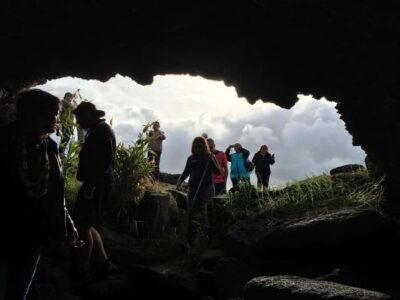
Two days of Full Day Tour of Rapa Nui + Sunrise in Tongariki
Read our review →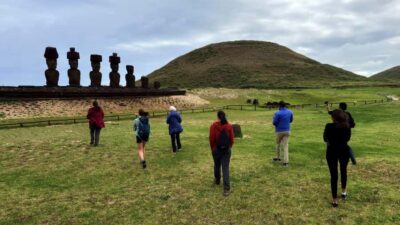
Browse the lists this tour appears in