
Reviewed · HISTORICAL TOURS
Essence of Santiago : History, Flavors and Panoramic Views
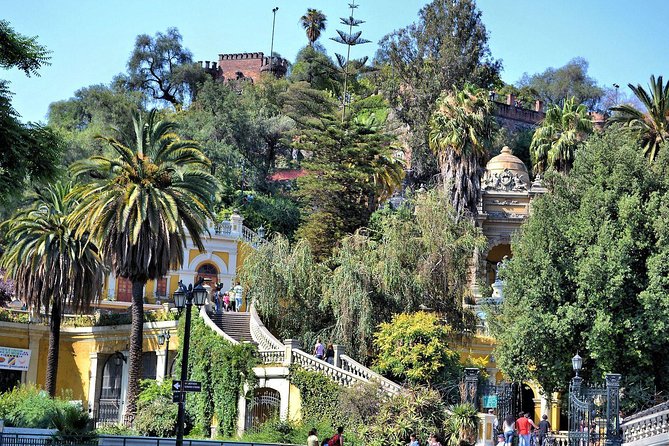
Santiago reveals itself quickly on this private half-day tour: historic civic landmarks, hillside views, central plazas, and food stops fit into four to five hours. You move by private vehicle, then walk where it matters, so you get a useful first look without spending your first day puzzling over the city map.
I like the way the route mixes history and everyday neighborhoods, from La Moneda and Plaza de Armas to the creative streets of Lastarria and Bellavista. I also like the human touch: guides including Esteban, Daniel, Pedro, Claudio, and Leonardo have tailored visits to interests such as architecture, ice cream, current events, and longer walks. The main drawback is pace. Six stops in one morning means orientation rather than a slow, detailed visit, and the food tasting may not satisfy you as lunch.
Key points at a glance
- Private transport keeps the morning efficient: You avoid spending much of a short visit finding your way between central Santiago and Cerro San Cristóbal.
- Cerro San Cristóbal supplies the big view: Cable-car and funicular tickets are included Tuesday through Sunday.
- The route covers six distinct sides of Santiago: Civic power, the historic center, a cosmopolitan district, a bohemian quarter, and a major urban park all appear.
- The guides can shape the experience: Esteban, Daniel, Pedro, Claudio, and Leonardo are named guides associated with strong praise for history, conversation, and flexibility.
- Food is part of the plan, but not a full meal: You receive a typical tasting such as a breaded item or completo with a typical drink.
- The $240 price buys privacy and convenience: It makes more sense when you value a dedicated vehicle and guide, especially on a first visit or a short stay.
A Fast, Useful Introduction to Santiago
This experience is built for the person who has one day, or only a morning, to get oriented. It does not try to turn each stop into a museum visit. Instead, it gives you a broad outline of Santiago, then lets a local guide fill in the city’s political, cultural, and geographic story.
The 9:30 a.m. start is practical. You have a full morning ahead, yet the schedule remains compact enough to fit before an afternoon plan. Since the activity lasts about four to five hours, you should finish around early afternoon, although the exact end time can vary with traffic, walking, and how much you discuss at each stop.
This is a private activity, so only your group participates. That matters more than it may sound. You can ask for more architecture, spend longer walking, or move on when a site has given you what you need. Daniel and Leonardo, for example, adapted a visit for people who wanted to walk through the large city park and nearby streets rather than simply remain in the vehicle.
The strongest quality here is the guide. Esteban has been praised for helping with practical plans beyond the tour itself, including assistance with a dinner booking. Daniel has been described as engaging and flexible, and Pedro drew special praise for explaining both landmarks and architecture. Claudio focused heavily on history, while Leonardo and Daniel handled a visit that included broader conversation about current events and Chilean society.
More Historical Tours in Santiago
- Santiago: Guided Walking Tour of the Historical Old Town
★ 4.8 · 459 reviews - Santiago: Private tour, historic center, high altitude viewpoint, cable car
★ 4.9 · 27 reviews - Discover Santiago, where modernity merges with history
★ 5.0 · 12 reviews
Paseo Bulnes and Santiago’s Early Story
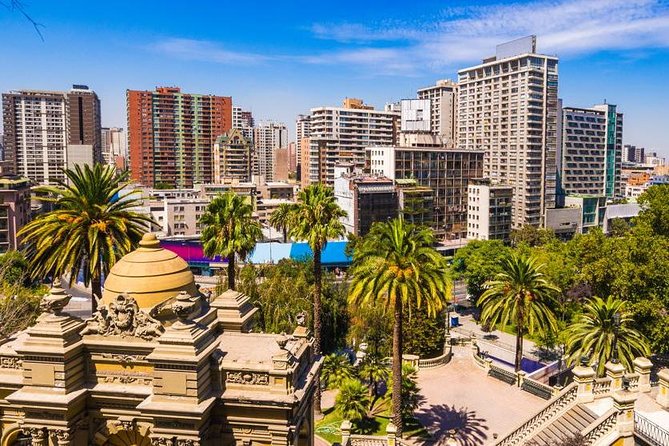
The first stop, Paseo Bulnes, lasts about 30 minutes. It is presented as the historic hill connected with the founding of the city, making it a natural place to begin a Santiago orientation.
Thirty minutes is enough for your guide to establish the basic story and point out what you are seeing. It is not enough for a long archaeological or architectural study. Think of this stop as a foundation: you get the setting, the city’s beginnings, and a reference point for the rest of the morning.
I like starting with a place tied to Santiago’s origins because later stops make more sense when you know how the city began. Ask your guide to connect the early settlement with the modern capital. The available information specifically highlights explanations of geography, climate, architecture, and Chilean society, so this is a good moment to set those questions up.
Admission is included. Since the tour is private, you can use the half hour for questions instead of waiting for a large group to gather.
La Moneda and the Seat of Government
La Moneda gets a 15-minute stop. This is Santiago’s government house, and the short visit reflects its role as an exterior civic landmark rather than a long indoor tour.
Fifteen minutes can feel brief, but it works if your aim is to understand the building’s importance, see the surrounding area, and hear the political background. The stop adds balance to the tour. Santiago is not only viewpoints and colorful neighborhoods. La Moneda places the national government at the center of the morning.
This is also where a well-prepared guide can make a difference. The tour’s strongest guide praise centers on history and current affairs, so you can ask about Chilean society and the building’s place in national life. Do not expect a detailed palace visit from the stated schedule. The value lies in context and orientation.
Admission is included, although the information does not specify that you enter the building. Plan on a concise stop focused on the government house and its surroundings.
Cerro San Cristóbal for the Morning Panorama

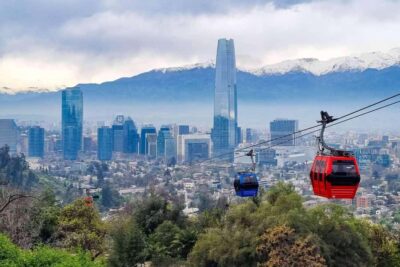
Cerro San Cristóbal is the scenic high point of the route. The park is described as the fourth-largest urban park in the world, and the tour gives you about 30 minutes here. That is enough to take in the view and understand Santiago’s scale, though not enough to explore a large park in depth.
The included cable-car and funicular ticket is an important part of the value from Tuesday through Sunday. You are not simply being driven to a lookout. The transport up and down becomes part of the experience, and it avoids the need to work out the system yourself during a short visit.
Expect this to be a panoramic stop, not a full park excursion. Santiago’s broad setting is easier to grasp from above than from the central streets. You can see why a guide’s explanation of geography and climate adds something here, especially when the view is the main event.
There is one practical point to watch: the included cable-car and funicular ticket is listed for Tuesday through Sunday. The supplied information does not explain the Monday arrangement, so ask the operator about that day before booking if your schedule requires a Monday tour.
Same corner of Chile, a completely different day out:
- Santiago: Cajon del Maipo/Embalse del Yeso Tour with Picnic
★ 4.3 · 3,789 reviews - Santiago: Vina Del Mar, Valparaiso, Casablanca & Reñaca Tour
★ 4.2 · 2,838 reviews - Small-Group Cajón del Maipo Full-Day Tour and Picnic
★ 4.5 · 2,277 reviews - Santiago: Cajon del Maipo & Embalse El Yeso Trip with Picnic
★ 4.5 · 1,859 reviews
Plaza de Armas and the City Center
Plaza de Armas receives 30 minutes and serves as the central urban history lesson. This is the place to connect Santiago’s civic life, public space, and older core.
Half an hour gives you time to walk around, take in the architecture, and hear how the center fits into the wider city. The guide can also help you spot the difference between a formal civic space and the more relaxed neighborhoods later in the route.
I value this stop because it gives the tour a clear middle chapter. Paseo Bulnes and La Moneda introduce origins and government. Plaza de Armas shows the city functioning as a public center. You are not just collecting photographs. You are learning how Santiago is arranged.
Admission is free, and this portion is likely to involve walking. Comfortable shoes make sense, especially if you ask for the longer walking option that some guides have provided.
Lastarria, A More Cosmopolitan Santiago
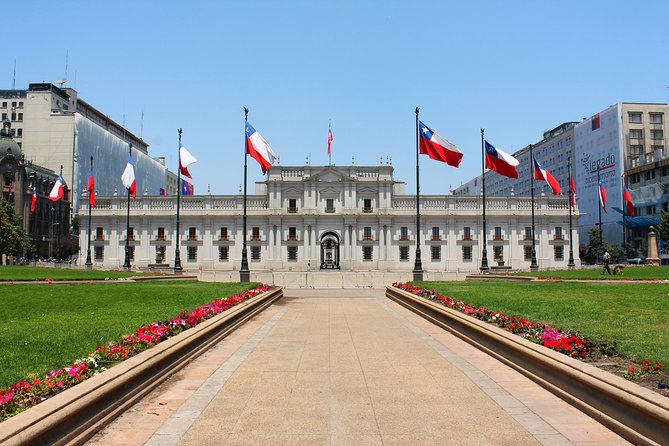
Barrio Lastarria is described as a cosmopolitan neighborhood, with about 30 minutes to explore. It changes the tone of the tour after the formal civic center and historic plaza.
The short visit lets you see the neighborhood’s character without turning the morning into a restaurant crawl or shopping trip. This is a useful place to ask your guide about architecture, art, food, and how Santiago’s districts differ from one another.
One strength of a private tour is that you can use this stop according to your interests. If you care about buildings, ask for more detail. If you want a quick sense of local life, keep moving through the streets. A guide has also tailored experiences around food, including a stop for good ice cream, so you can mention specific interests when you book or meet your guide.
Do not expect a long independent exploration. Thirty minutes passes quickly, and the tour still has Bellavista and the food tasting to cover.
Bellavista and the Bohemian Side of the City
Bellavista is the final named neighborhood stop, described as bohemian and allotted 30 minutes. This gives the itinerary a less formal finish, with a chance to see another side of Santiago’s central districts.
The pairing of Lastarria and Bellavista works well. Lastarria gives you the cosmopolitan angle, while Bellavista offers a more relaxed, artistic feel. Together, they keep the tour from becoming a procession of government buildings and old plazas.
This is a good point to ask questions about modern Santiago. The guides have handled conversations ranging from city history to current events and social life, so you can use the neighborhood stops for subjects that do not fit neatly into a monument visit.
Again, keep the timing in mind. The tour’s goal is range. You will see the district and get an explanation, but you will not have hours to browse every street or stop at several venues.
The Food Tasting: A Sample, Not Lunch
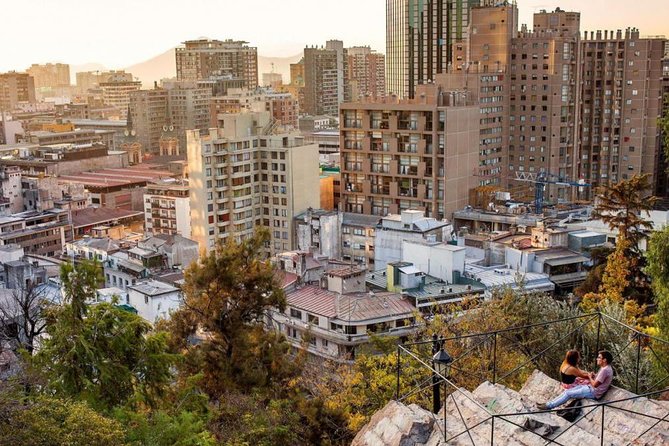
A typical food tasting is included. It may be a breaded item or a completo, paired with a typical drink. This is a welcome break from the sightseeing, particularly because the tour moves at a steady pace.
The food portion deserves a clear expectation. Lunch is not included, and one guide-led morning has been described as covering the history and views without the gastronomy portion. That means you should confirm the food tasting when you meet your guide if it is a deciding factor.
I see the tasting as an introduction rather than a meal. It gives you a local flavor to remember and may help you decide what to order later in your trip. You should still plan lunch separately, especially if you have a larger appetite or intend to continue sightseeing after the tour.
This is also one of the places where personal interests matter. If food is central to your visit, say so early. The tour is designed to be personalized, and the guides have shown a willingness to adjust the experience.
What the $240 Price Really Buys
At $240 per person, this is not a budget way to tick off Santiago’s sights. The price makes more sense if you value a private vehicle, a local guide, bottled water, transport insurance, local taxes, and a route that covers widely separated parts of the city in one morning.
For a solo visitor, the cost may feel high for four to five hours. For a private group, the value comes from control and convenience rather than from the number of admissions. You are paying to avoid transport guesswork, hear a coherent explanation, and adjust the morning to your group’s interests.
The included cable-car and funicular ticket adds real value Tuesday through Sunday. So does the food tasting, even though it is small. Private transport also matters in a city where a short route on paper can take longer once walking and transfers are involved.
I would choose this tour if I had limited time, was visiting Santiago for the first time, or wanted a strong introduction before exploring independently. I would hesitate if I preferred slow museum visits, long meals, or a low-cost walking tour.
Practical Details Before You Book
The tour starts at 9:30 a.m. and lasts approximately four to five hours. You receive private transport, bottled water, local taxes, a local guide, transport insurance, and the typical tasting. Lunch is separate.
The activity is near public transportation, and service animals are allowed. The information says most people can participate, but it does not provide detailed mobility notes for the hill, cable car, funicular, or walking sections. If you have specific mobility needs, ask the provider before booking.
Confirmation is received at booking. Free cancellation is available if you cancel at least 24 hours before the local start time. Cancellations or changes made within 24 hours are not refunded or accepted.
Who Will Get the Most From This Morning
I would recommend it to first-time visitors who want a clear city overview without handling every transfer themselves. It also suits people staying briefly, including anyone with only one free day in Santiago.
It works well for families or private groups that want to control the pace. A private guide can spend more time on architecture, history, food, or walking instead of giving every group the same script.
It is less suited to you if your main goal is a long visit inside La Moneda, extensive time at Cerro San Cristóbal, or a full food tour. The schedule is broad and brisk. You see the city’s main themes, then return later for the places that deserve more time.
Should You Book This Santiago Tour?
Book it if you want a polished first look at Santiago with private transport, a flexible guide, a major viewpoint, central landmarks, and a small taste of local food. The strongest reason to choose it is not the number of stops. It is the combination of efficiency and human explanation.
Ask for a guide whose interests match yours if possible. Esteban is a good name to request if you want broad context and practical help. Daniel fits a more conversational, flexible style, while Pedro has been especially strong on history and architecture. Claudio is a sensible choice if historical detail is your priority, and Leonardo has handled longer walks and wide-ranging discussion.
Skip it if $240 per person feels too steep for a half-day overview or if you would rather spend the morning in one neighborhood. For a short first visit, though, this tour gives you a useful map of Santiago in your head, and that can make every independent day afterward easier.
FAQ
What time does the tour start?
The tour starts at 9:30 a.m.
How long does the Santiago tour last?
The experience lasts approximately four to five hours.
Is this a private tour?
Yes. Only your group participates in the activity.
What is included in the price?
The price includes private transport, bottled water, local taxes, a local guide, transport insurance, cable-car and funicular tickets Tuesday through Sunday, and a typical food tasting with a typical drink.
Is lunch included?
No. Lunch is not included, so you should plan a separate meal after or during the day as needed.
Can I cancel for a full refund?
Yes, if you cancel at least 24 hours before the experience start time. Cancellations or changes made less than 24 hours before the start are not accepted, and the amount paid is not refunded.
Newest Santiago trips on the site
- Walking City Tour with Funicular, Cable Car and Tasting★ 4.3 · 6 reviews
- VIÑA DEL MAR AND VALPARAISO TOUR★ 4.8 · 20 reviews
- Undurraga Wine tour★ 4.2 · 15 reviews
- Coast and Color: Discover Viña and Valparaíso in a Day★ 5.0 · 58 reviews
- Valparaiso & Casablanca : Wine, Gastronomy and Living Culture★ 5.0 · 37 reviews
- Traditional Dinner Show in Santiago★ 4.5 · 41 reviews
- Private Cruise Transfer : Santiago → Valparaiso or San Antonio★ 4.5 · 51 reviews
- Valle nevado Sunset★ 5.0 · 40 reviews
Historical Tours, compared.
Walking Tour Valparaiso, History & Art – Private Optional
Read our review →
Private tour, historic center, high altitude viewpoint, cable car
Read our review →
Private tour: where the history of the Moai was born
Read our review →
Discover Santiago, where modernity merges with history
Read our review →
Browse the lists this tour appears in