
Reviewed · GEYSER TOURS
San Pedro de Atacama: El Tatio Geysers Tour
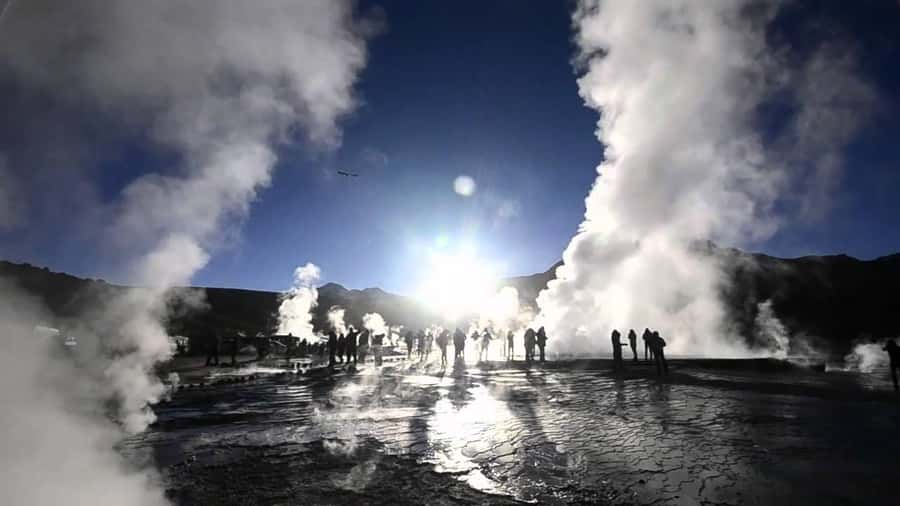
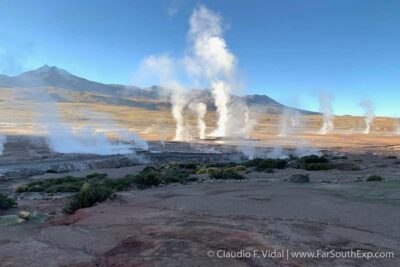
El Tatio is at its best before breakfast, when the rising sun catches the geysers’ white steam and turns a bitterly cold morning into one of Atacama’s great sights. At 4,200 meters, the air is thin, the ground is volcanic, and the first light behind the mountains makes the whole field look otherworldly.
I like the early arrival, which gives you the best chance to see the steam before the day warms it away. I also like the cooked breakfast with views of the Andes, followed by a slower ride through Putana Valley for flamingos, vicuña, and desert plants. The catch is simple: this is a very early and very cold tour, and altitude sickness is a real concern.
Key points to know before booking
- Sunrise timing matters: Pickup is usually between 4:30 AM and 5:10 AM, so you reach the geysers in the coldest part of the morning.
- The geyser field is high: El Tatio sits at 4,200 meters, much higher than San Pedro de Atacama.
- Breakfast is more than a snack: Expect bread, cheese, ham, scrambled eggs, coffee, chocolate, milk, and jam.
- The return route adds wildlife: Putana Valley and a flamingo lagoon give you more than a single geothermal stop.
- The entrance fee is extra: Pay 15,000 Chilean pesos per person in cash at the agency before the outing.
- Good guides make a difference: Guides such as Francisco, Brandon, Franco, Malú, Chris, and Aslye have been praised for clear explanations, humor, and careful attention to altitude concerns.
Why El Tatio is worth the early alarm
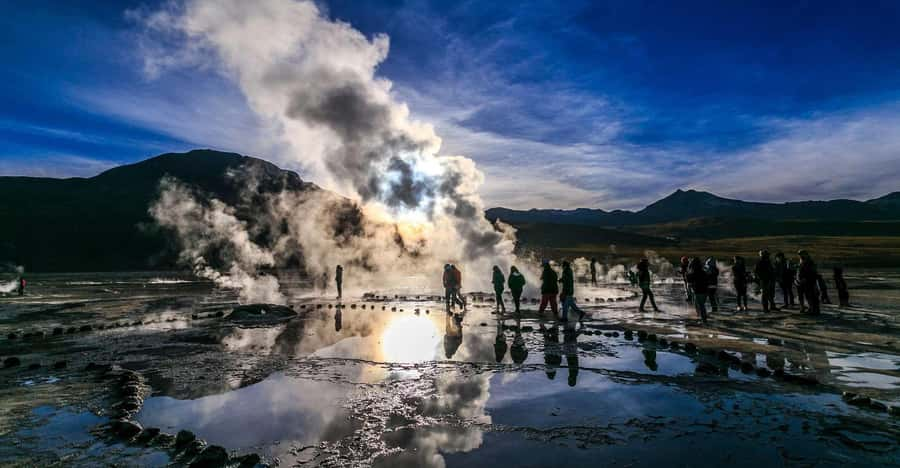
San Pedro de Atacama is surrounded by dramatic sights, but El Tatio feels different from the salt flats, lagoons, and rock formations closer to town. Here, the ground is active with heat. Water pushed upward through volcanic rock bursts, bubbles, hisses, or sends up columns of steam.
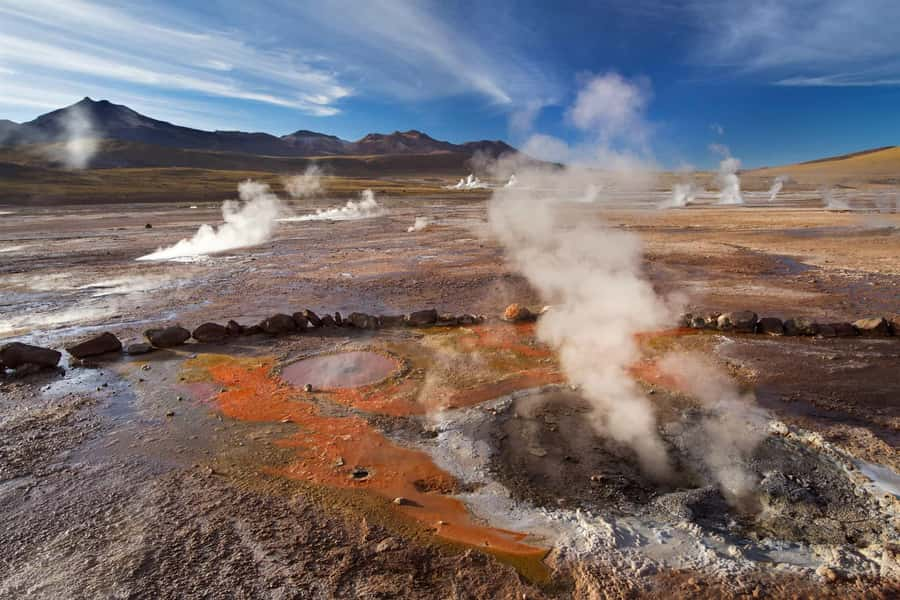
The field is described as the third-largest geothermal field in the world and the largest in the Southern Hemisphere. You will see around 80 geysers and geothermal vents spread across a broad high-altitude area. Not every feature erupts like a tall Yellowstone-style fountain. Some are bubbling pools, steaming cracks, or small bursts. That variety is part of the appeal.
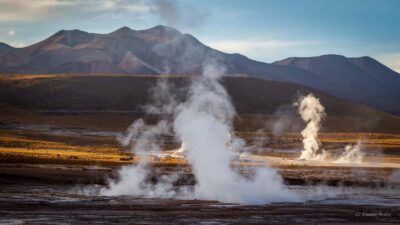
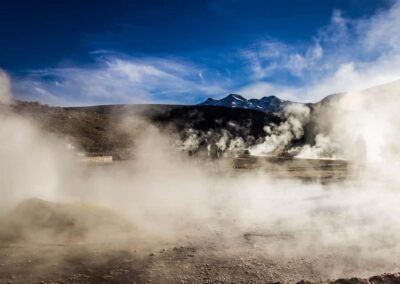
The timing is important. Before sunrise, cold air makes the steam especially thick. As sunlight reaches the field, the colors shift from gray and blue to gold and white. The effect changes minute by minute, so your first half hour at El Tatio may be the most memorable part of the day.
You should also keep your expectations sensible. This is not a theme park with dramatic eruptions on a fixed schedule. The pleasure comes from seeing many forms of geothermal activity in a stark setting, with mountains and open desert around you.
More El Tatio geyser runs:
- From San Pedro de Atacama: El Tatio Geyser Field & Wetlands
★ 4.5 · 141 reviews - Full Day Tour to Geyser del Tatio, Vado Putana and Machuca
★ 5.0 · 134 reviews - El Tatio Geysers Tour from San Pedro de Atacama
★ 4.5 · 100 reviews
The pre-dawn pickup from San Pedro
The day begins while San Pedro is still dark. Pickup is normally scheduled between 4:30 AM and 5:10 AM, with the exact time confirmed before departure. The vehicle collects you from hotels inside the urban area of San Pedro de Atacama.
Pickup does not cover accommodations outside town, including places in the ayllus of Quitor, Yaye, Checar, Sequitor, Solor, and Coyo. It also does not cover hotels in Toconao. If you are staying in one of those areas, check the meeting arrangement before paying.
The ride is part of the challenge and part of the convenience. El Tatio is not a casual drive for someone who wants to sleep late and wander out after breakfast. The road and altitude require an early start, and several people who drove themselves elsewhere in Atacama found this particular excursion better handled by a professional driver.
You can sleep during part of the ride, but bring warm clothing within easy reach. Do not bury your jacket at the bottom of your bag. The temperature at the geysers can drop to around minus 10 or minus 5 degrees Celsius, and some outings have been colder still. Gloves, a hat, and several layers are sensible even outside winter.
Sunrise among more than 80 geysers
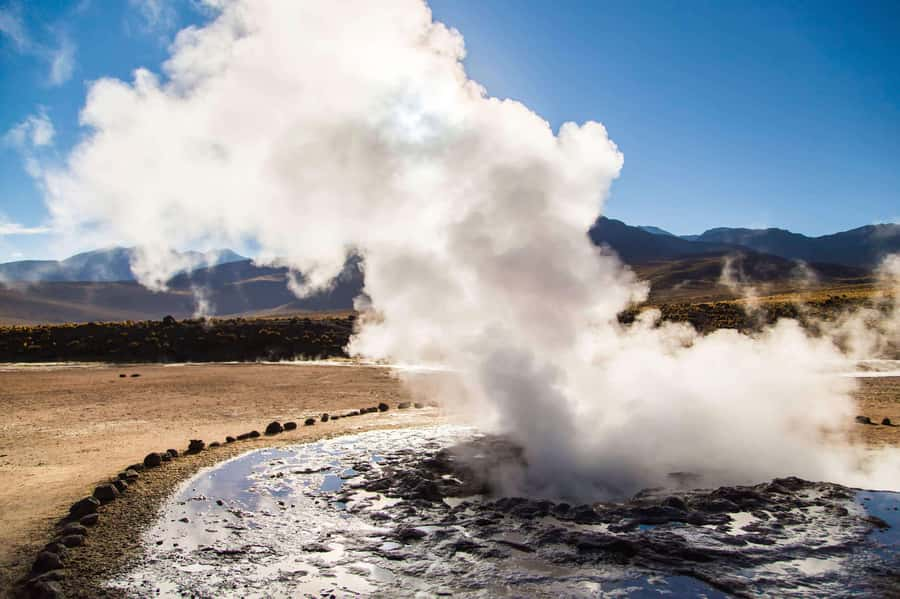
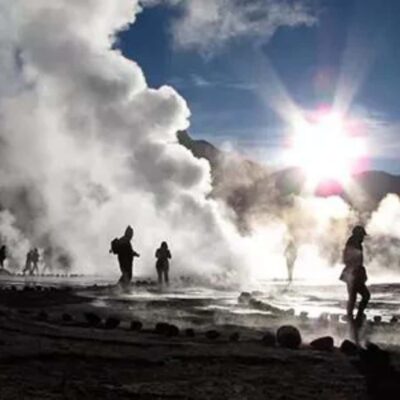
The first stop is the main reason to book. You arrive around sunrise, when the steam stands out against the cold air and the mountains begin to catch the light.
The geothermal field is spread out, so the group moves around to see different types of vents. Some areas are more active than others. You will likely see boiling water, hissing steam, bubbling mud, and mineral-colored ground. Keep to the marked paths and follow the guide closely. Geothermal areas can look calm while remaining dangerously hot.
This is where a strong guide adds real value. Francisco has been singled out for explaining the geology and local setting with energy, while Brandon, Franco, Chris, and Malú have also been praised for clear English and friendly explanations. One practical point came up: if you stand at the back of the group, it may be harder to hear when no microphone or speaker is being used.
The cold changes how you experience the stop. You may begin by photographing the steam, then spend more time stamping your feet and looking for shelter from the wind. Dress for the first hour, not for the warmer conditions later in the morning.
The scenery is spare rather than lush. The geysers, volcanic ridges, brown grasses, and pale sky create a color palette of white, rust, ocher, and blue. The sunrise supplies the drama. On a clear morning, the sun comes up behind the mountains and slowly reveals the scale of the field.
A proper breakfast with a high-altitude view
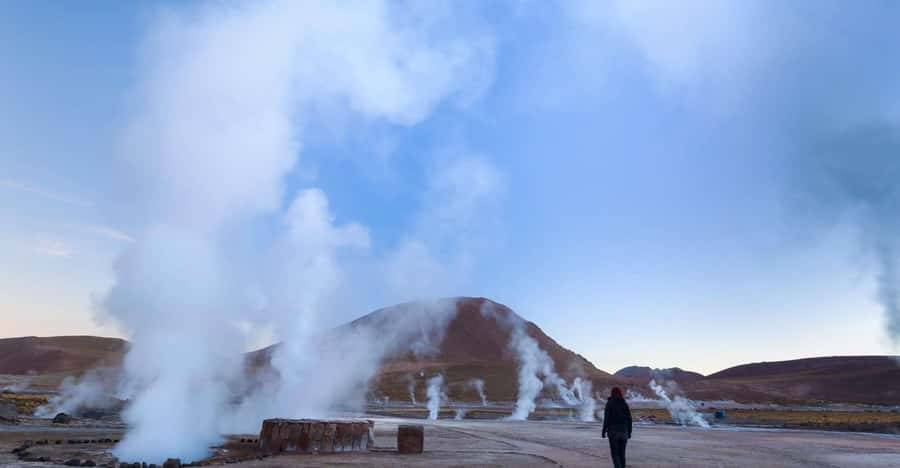
After the geyser visit, the group stops for breakfast. This is a welcome pause, both because you are hungry and because your body needs warmth at this altitude.
The meal includes bread, cheese, ham, scrambled eggs, coffee, chocolate, milk, and jam. Several menus also included healthy choices, and the fresh bread received repeated praise. This is not a luxury brunch, but it is far more useful than a packaged snack after a freezing start.
The setting adds much of the appeal. You eat with views toward the mountain range, usually after the first sunlight has reached the surrounding terrain. A hot drink and cooked eggs feel especially good after standing outside in subzero conditions.
Breakfast also affects the value of the tour. At $70 per person, the cost is not just for transport to the geysers. You are paying for hotel pickup, a bilingual guide, a driver, the long high-altitude route, and a substantial meal. The 15,000 Chilean peso entrance fee is separate, so include that in your budget.
If you are comparing this with renting a car, consider the timing and fuel cost. The departure is so early that a shared vehicle may be easier than navigating a dark, rough route while still adjusting to the altitude. A tour also gives you someone to explain the geothermal features and watch the schedule.
A few more San Pedro De Atacama half-days worth a look
- San Pedro de Atacama: Etno-Stargazing Tour with Transfer
★ 4.8 · 629 reviews - Piedras Rojas, Altiplanics Lagoons & Salar Full-Day Tour
★ 4.7 · 592 reviews - San Pedro de Atacama: Stargazing Experience
★ 4.7 · 489 reviews - San Pedro Atacama: Baltinache Lagoons
★ 4.6 · 359 reviews
Putana Valley, flamingos, and desert wildlife
The return journey is not simply a ride back to San Pedro. The route through Putana Valley gives the morning a second act.
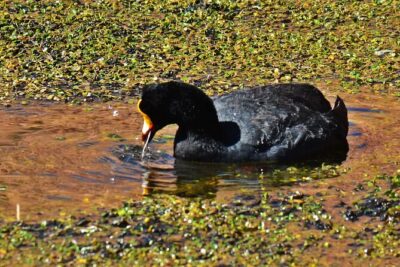
The valley shows a softer side of the high desert, with native plants, open wetlands, and animals adapted to thin air and dry conditions. Vicuña may be seen moving across the plains, and the vegetation becomes more noticeable after the stark geyser field.
The flamingo stop is usually at a lagoon. Seeing pink birds against an otherwise dry setting is a striking contrast, especially when they lift off together. Sightings can vary with the season and the conditions. In colder months, you may see fewer birds than expected, so treat the lagoon as a worthwhile possibility rather than a guarantee of a huge flock.
The return route may also include views of small communities and an optional stop where llama barbecue is sold. That food stop is not the main purpose of the tour, and it may not appeal to everyone, but it offers a glimpse of local food traditions that you will not get from a standard viewpoint.
This part of the outing is valuable because it keeps El Tatio from feeling like a single-photo excursion. You see steam, volcanic ground, wetlands, animals, and human settlements in one morning. The drawback is time. A few people wanted longer at the geyser field, while others appreciated the extra stops. If geysers are your only priority, the return visits may feel like a tradeoff.
Altitude is the main practical concern
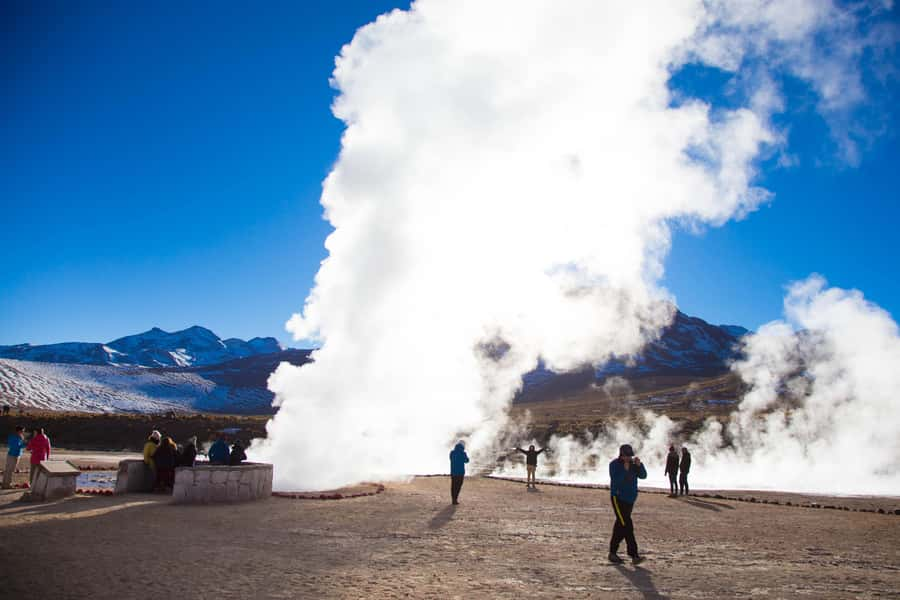
El Tatio is much higher than San Pedro, and the difference matters. Headache, dizziness, nausea, or shortness of breath can affect you even if you felt fine in town.
The operator recommends taking lower-altitude outings before this one so your body has time to adjust. That is good advice. Do not make El Tatio your first activity immediately after arriving in the region if you can avoid it.
The tour is not suitable for children under seven, people with heart problems, people with high blood pressure, people with altitude sickness, or people over 60. Those limits are unusually specific, so take them seriously rather than treating them as routine fine print.
Drink water and avoid alcohol before the outing. Bring sunscreen even though the morning is cold. Once the sun rises, ultraviolet exposure at this elevation becomes strong, and the temperature can change sharply between the geyser field and the lower route back.
Wear layers that you can remove. A T-shirt under a fleece or sweater, topped with a windbreaker or jacket, works better than one bulky coat. Add warm trousers, a hat, gloves, and sturdy shoes. Trainers are considered fine by some participants, but your footwear should still be comfortable on uneven ground.
Guides, drivers, and the value of a bilingual group
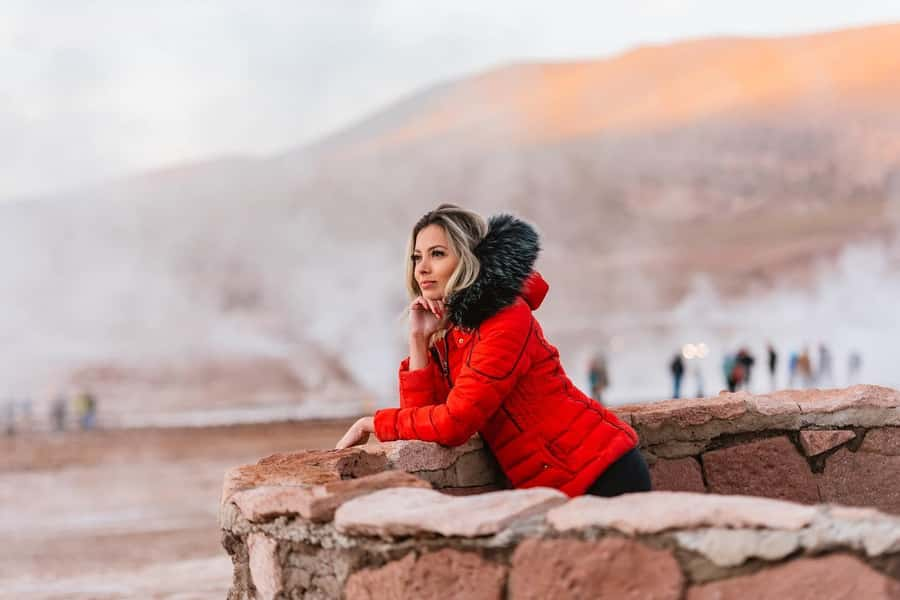
The guide can shape the mood of the whole morning. The strongest reports describe guides who explained what the group was seeing, answered questions in English, took photos, and kept an eye on anyone affected by the altitude.
Francisco received especially frequent praise for his energy, humor, and care. Brandon, Franco, Chris, Malú, Aslye, and others were also noted for making the long morning feel organized and friendly. Drivers such as Felipe, Aldo, Andrés, David, Brian, and Patricio were praised for handling difficult roads carefully.
That does not mean every departure will have the same guide or driver. The staff changes, so book this experience for its overall structure rather than expecting one named person. English and Spanish are offered, but one report noted that a back row could struggle to hear without a microphone. If you have hearing difficulties, sit near the guide and ask questions when the group stops.
The group format also has advantages. You do not need to plan the route, watch the time, or manage a high-altitude drive before dawn. The disadvantage is less freedom to linger. One morning may feel generous, while another may seem rushed if the group is trying to fit in every stop before returning to town.
$70 plus the entrance fee: is it fair value?
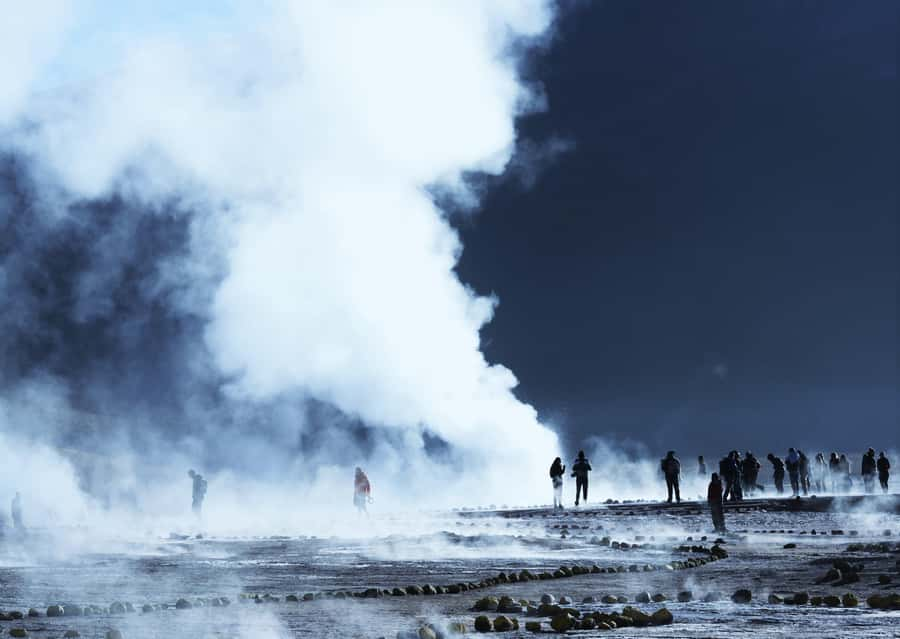
The advertised price is $70 per person, with the 15,000 Chilean peso entrance fee paid separately in cash at the agency before departure. That extra charge is easy to overlook, so budget for both amounts.
For the price, you receive a seven-hour outing, hotel pickup within central San Pedro, a bilingual guide, transport, breakfast, the main geyser visit, Putana Valley, and the flamingo lagoon. I consider that a fair package, especially if you do not want to drive before sunrise or arrange breakfast yourself.
The value is strongest for first-time visitors who want a planned morning with several sights. It is also useful if you have limited time in Atacama and want to combine geothermal features and wildlife in one trip.
It is less attractive if you dislike group schedules, cannot tolerate an early start, or want to spend a long time photographing one location. The entrance fee is not included, and the outing is physically demanding despite requiring little walking compared with a full hiking day.
Free cancellation up to 24 hours before departure and the reserve-now, pay-later option offer useful flexibility. Still, confirm the pickup area and cash payment before the day begins. The outing ends at Plaza Touristour rather than necessarily returning you to your hotel.
Who should book this El Tatio morning?
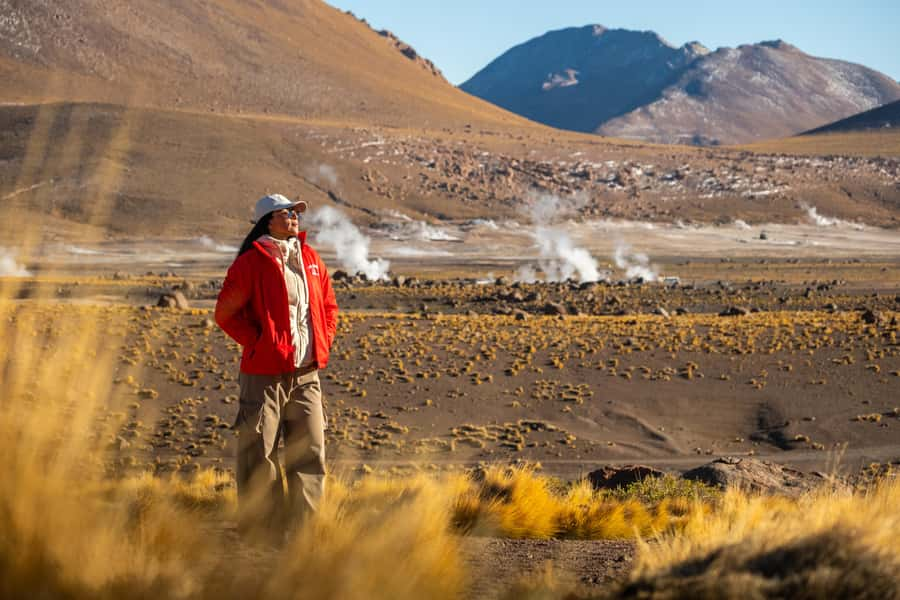
I would choose this tour if you want the classic El Tatio experience without taking on the pre-dawn drive yourself. It suits people who enjoy unusual geology, changing light, open desert scenery, and a few wildlife stops in the same morning.
It is also a good fit for visitors who value explanation. The field is more interesting when you understand why the steam rises, why the air feels so cold, and how the geothermal water reaches the surface. A guide can also help you keep a safe distance from the hot ground.
I would think twice if you have just arrived from sea level, have a heart or blood pressure condition, or already feel symptoms of altitude sickness. I would also avoid it if your ideal holiday morning starts slowly. El Tatio rewards the early alarm, but it does not forgive poor preparation.
Should you book it?
Book this tour if the sight of sunrise steam, a high-altitude volcanic field, flamingos, and a hot breakfast sounds worth a 4:30 AM pickup. The strongest reasons are the timing, the included meal, and the useful return route through Putana Valley.
Skip it if you need a relaxed morning, want complete control over every stop, or are not ready for 4,200 meters. For most fit visitors who acclimatize first and pack serious winter layers, this is one of the best-value half-day experiences around San Pedro de Atacama.
FAQ
How long does the El Tatio Geysers tour last?
The tour duration is seven hours. Pickup is usually between 4:30 AM and 5:10 AM, with the exact time confirmed before departure.
What altitude does El Tatio reach?
The geysers are at about 4,200 meters, or 13,780 feet, above sea level.
Is hotel pickup included?
Yes. Pickup is included from hotels in the urban area of San Pedro de Atacama.
Which accommodations are excluded from pickup?
Pickup is not provided from accommodations in Quitor, Yaye, Checar, Sequitor, Solor, or Coyo, nor from hotels in Toconao.
Is the entrance fee included?
No. The El Tatio entrance fee is 15,000 Chilean pesos per person and must be paid in cash at the agency in advance.
What food is included?
Breakfast includes bread, cheese, ham, scrambled eggs, coffee, chocolate, milk, and jam.
What should I wear?
Wear warm layers, a windbreaker, warm trousers, a hat, and gloves. Morning temperatures can reach around minus 10 to minus 5 degrees Celsius, even outside winter.
Is the tour suitable for children?
It is not suitable for children under seven years old.
Can people with altitude sickness or heart problems join?
No. The tour is also not suitable for people with high blood pressure or people over 60, according to the stated restrictions. Acclimatizing with lower-altitude outings first is recommended.
Newest San Pedro De Atacama trips on the site
- Vallecito★ 4.7 · 13 reviews
- San Pedro de Atacama: Valle de la luna★ 3.0 · 3 reviews
- Atacama Desert and Magic Bus Visit★ 4.8 · 15 reviews
- Valle de la Luna: A Moon-Like Escape in Atacama★ 5.0 · 3 reviews
- Valley of the moon★ 5.0 · 50 reviews
- San Pedro de Atacama: Half day Valle de la Luna, Afternoon Tour★ 4.5 · 52 reviews
- Unique 3-Day Tour in San Pedro de Atacama★ 4.5 · 43 reviews
- Piedras Rojas and Altiplanic Tour★ 4.5 · 38 reviews
Geyser Tours, compared.
Full Day Tour to Geyser del Tatio, Vado Putana and Machuca
Read our review →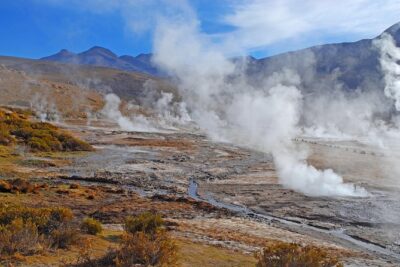
El Tatio Geysers Tour from San Pedro de Atacama
Read our review →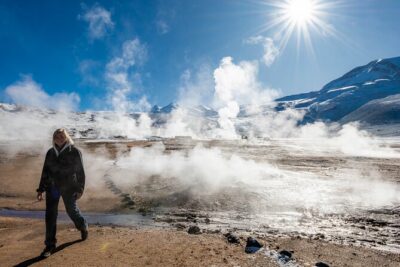
Guided tour to the Tatio Geyser breakfast at Geyser Blanco
Read our review →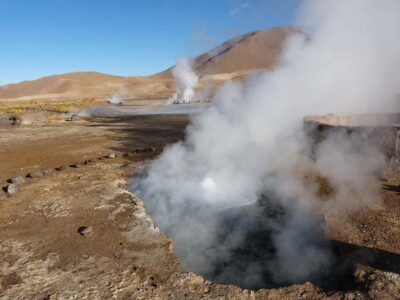
Browse the lists this tour appears in