
Reviewed · STARGAZING TOURS
San Pedro de Atacama: Etno-Stargazing Tour with Transfer
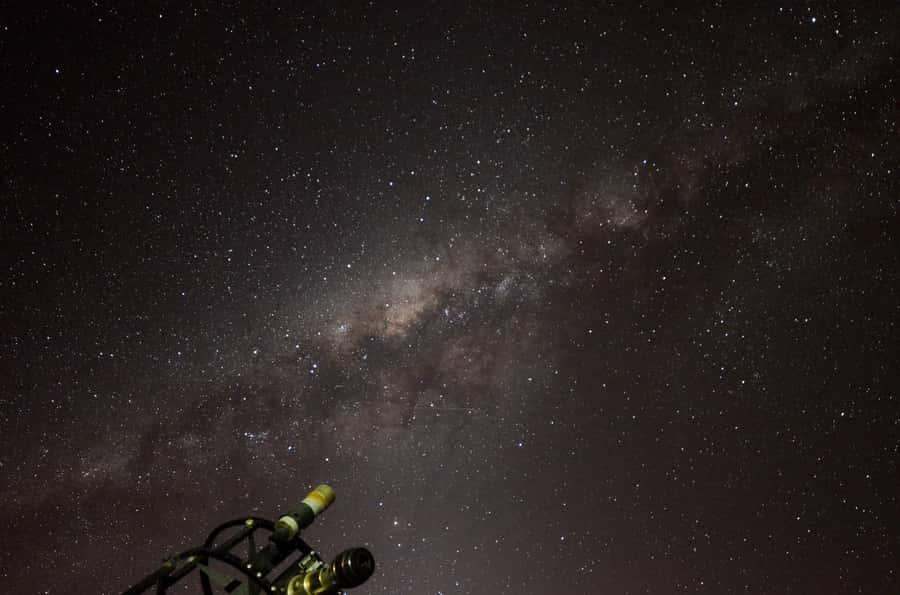
The Atacama night sky is the real star of this experience. Away from San Pedro’s lights, you’ll learn to read the heavens in two ways: through modern astronomy and through the old Andean view of animals, rivers, water, time, and life after death written across the Milky Way.
I like the hands-on telescope time, where guides such as Felipe, Claudio, and Salvador explain what you are seeing before helping you focus on planets, star clusters, nebulae, and galaxies. I also like the warm finish by the fire, with coffee, tea, or red wine after standing in the cold desert air.
The main catch is timing. A full or bright moon can wash out faint stars, and cloudy weather may push the tour later that night or to the following night. Check the lunar calendar before booking, and bring more warm clothing than you think you need.
Key points at a glance
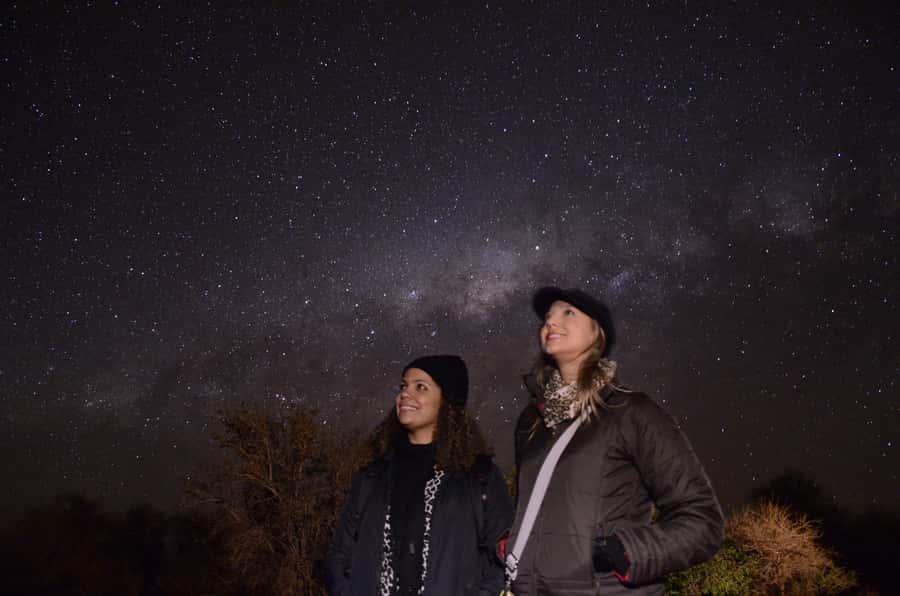
- Two sky stories in one evening: Learn modern Western astronomy, then hear how Andean communities interpreted the Milky Way and Southern Cross.
- Large telescopes with guide assistance: You do not simply look through a scope and move on. The guide explains each object and helps focus the equipment.
- A very cold desert setting: Ponchos may be provided, but warm layers, closed shoes, and perhaps a blanket make a big difference.
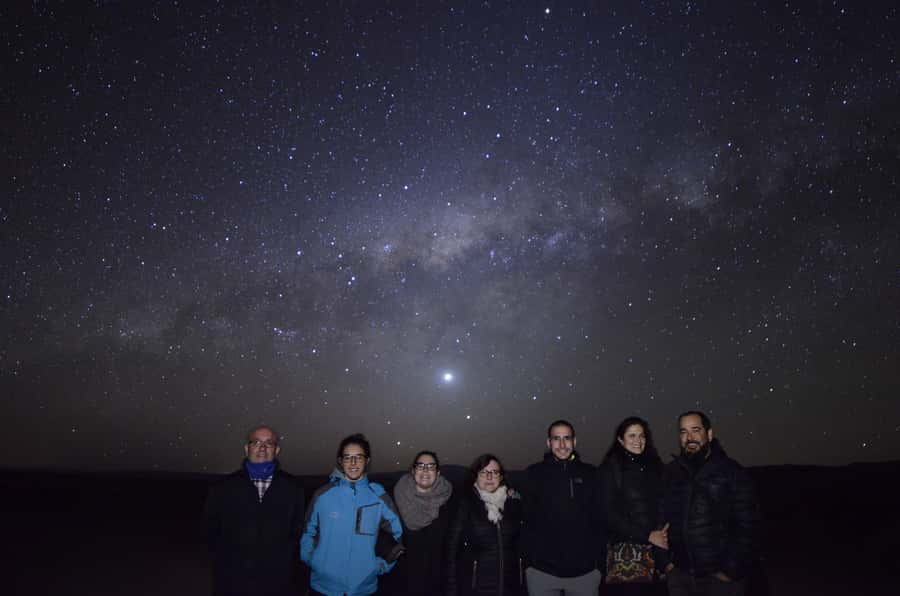
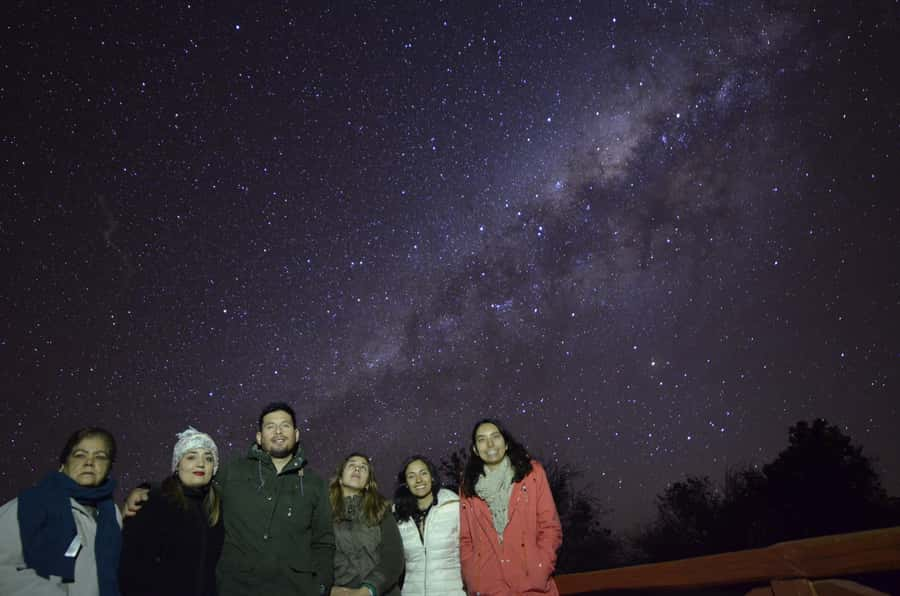
- A souvenir sky portrait: A courtesy photo is sent by email, though bright moonlight may limit it to a telescope-eyepiece image.
- Flexible weather planning: Pickup is generally around 7 p.m. in cooler months and between 9 and 9:20 p.m. during Chilean summer time.
- Good value at $41: Transport, an astronomy guide, telescope equipment, drinks, and a photo are included in a 150-minute outing.
Why San Pedro is such a good place for stargazing
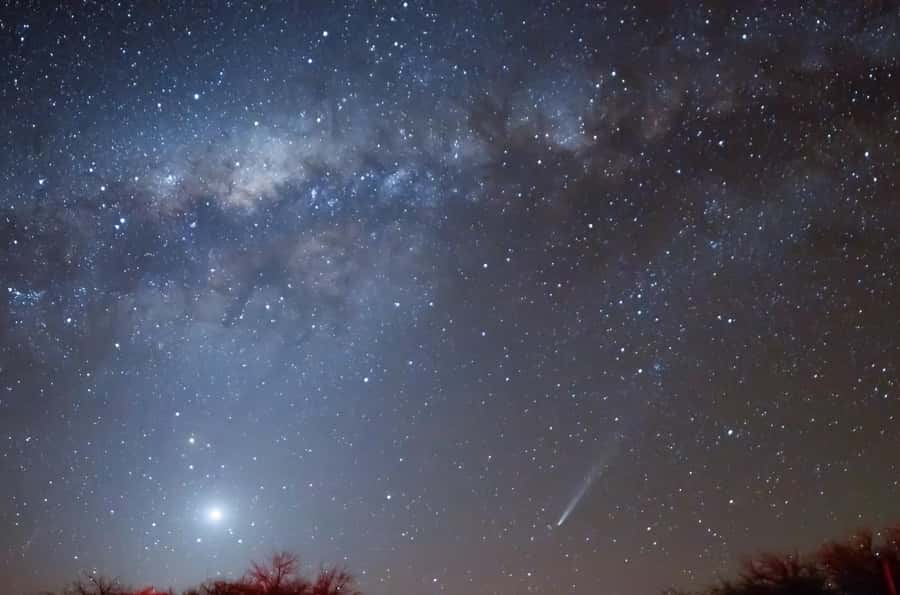
San Pedro de Atacama gives this tour an advantage before the guide says a word. The desert is famously dry and dark, and once the van leaves town, the sky can feel far larger than it does from an ordinary city.
You are not just looking at a pretty field of stars. The Southern Hemisphere offers sights that many visitors cannot see at home, including the Southern Cross and southern constellations. The guide helps turn that scatter of light into something you can recognize again later.
The experience also gives the sky a human context. Ancient Andean communities did not separate astronomy from daily life. Stars and dark spaces helped people understand animals, water, rivers, seasons, schedules, and ideas about what came after death.
That second viewpoint is one of the most worthwhile parts of the evening. Modern astronomy explains brightness, planets, star formation, and deep space. Andean sky traditions explain how people used the same sky as a practical guide and a source of meaning.
More Stargazing Tours in San Pedro de Atacama
- San Pedro de Atacama: Stargazing Experience
★ 4.7 · 489 reviews - Astronomical Tour with Guide and Pick Up San Pedro de Atacama
★ 4.5 · 145 reviews - “Astronomical Adventure in San Pedro de Atacama”
★ 4.5 · 96 reviews
The short van ride out of San Pedro
The outing begins with pickup in San Pedro de Atacama, generally at Restaurant Tara on Licancabur 10. The drive to the viewing site takes roughly 15 minutes, followed by a return trip of about 25 minutes.
That is a useful balance. You get far enough from town for darker conditions without spending a large part of the evening in a vehicle. Pickup is included within San Pedro, but not from the ayllus, so check your meeting point carefully before departure.
One practical warning: make sure you can identify Restaurant Tara and Licancabur 10 in advance. A past pickup was delayed because the meeting place was difficult to find, so do not leave this detail until the last minute. If you are unsure, confirm the exact location with the operator.
The van transfer also makes this easier than arranging your own ride into the desert at night. You can concentrate on the sky rather than on directions, headlights, and getting back to town after the tour.
The first lesson: reading the sky through modern astronomy
At the viewing site, the guide begins with the Western approach to astronomy. You learn about the brightness and color of stars, planets, constellations, the solar system, and how the cosmos formed.
The strongest guides make this part friendly rather than academic. Felipe has explained current research alongside older ideas, while Claudio has used laser pointers and interactive questions to keep the lesson moving. Salvador is another guide praised for energetic explanations that make difficult subjects easier to follow.
The exact objects depend on the date and the hour. You might see a planet, binary stars, a cluster, a nebula, or a galaxy. The moon can also become a major subject, though its brightness changes the overall balance of the evening.
This is a good tour for beginners because you do not need to arrive knowing the names of constellations. The guide points out the pattern, explains its meaning, and then gives you a chance to find it again yourself.
It also works for people who already know some astronomy. Guides have answered detailed questions about stars, galaxies, and current scientific ideas, while still keeping the session accessible for children and first-time observers.
The Andean view of the Milky Way
The ethnic astronomy section adds something that a standard telescope session may miss. Instead of focusing only on bright points of light, you learn how ancient Andean observers read the dark spaces between the stars.
Those dark sections of the Milky Way could form shapes linked to animals and natural features. The night sky became a kind of calendar and map, tied to water, rivers, work, daily schedules, and beliefs about death.
The Southern Cross is an important part of this orientation. Even if you have seen it in photographs, identifying it in the actual southern sky gives the constellation a new sense of place.
I find this part especially useful because it slows the experience down. Telescope viewing can become a hunt for impressive objects. The Andean section reminds you that the sky was also used for ordinary life and shared stories.
The balance between the two approaches is the tour’s clearest point of difference. You get science, but you also get a local cultural lens. The guide’s ability to explain both clearly matters, and the named guides who have led this outing, including Felipe, Claudio, Yvonne, and Salvador, have different styles but share a strong command of the subject.
Same corner of Chile, a completely different day out:
- San Pedro de Atacama: El Tatio Geysers Tour
★ 4.7 · 943 reviews - Piedras Rojas, Altiplanics Lagoons & Salar Full-Day Tour
★ 4.7 · 592 reviews - San Pedro Atacama: Baltinache Lagoons
★ 4.6 · 359 reviews - San Pedro de Atacama: Valle de la Luna Guided Tour
★ 4.4 · 312 reviews
Telescope viewing, one object at a time
The telescope session is more satisfying than simply being shown a distant object for a few seconds. Your guide sets up the equipment, explains what to look for, and helps you use the telescope.
Depending on the season and visibility, the targets can include planets, stars, binary stars, star clusters, nebulae, and galaxies. Saturn has been a highlight on some evenings, while Antares, the crescent moon, and star clusters have also been visible at particular times.
The precise view is never guaranteed. Astronomy depends on the season, cloud cover, the moon, and what is above the horizon during your visit. That is not a flaw in the tour, but it is worth understanding before you book. You are buying expert access to the sky, not a fixed list of objects.
The equipment is another plus. The experience includes telescope gear, and recent sessions have used large or mirror telescopes. Two telescopes may be available for a group, which can reduce waiting, though the exact setup can change.
Ask questions. Guides are used to explaining why one star is brighter than another, how a binary system works, or what you are seeing through the eyepiece. The telescope is much more rewarding when you understand the object before looking.
Photos, a fire, and the coldest part of the evening
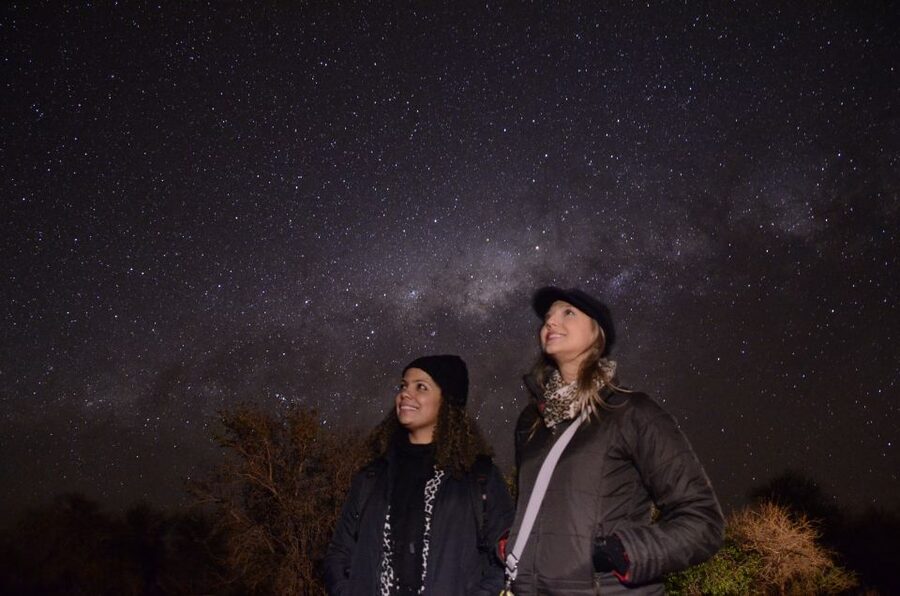
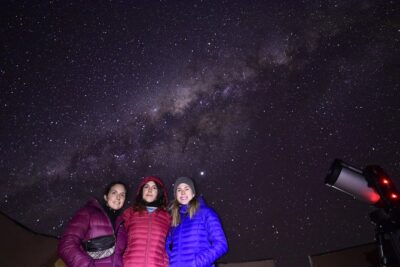
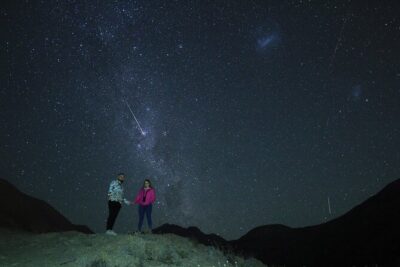
The included courtesy photo gives you a record of the night beyond a phone snapshot. The team sets up a portrait beneath the stars and sends the image by email.
On dark nights, this can produce a striking souvenir with the Milky Way behind you. During periods of strong moonlight, the included photo may be taken only through the telescope eyepiece, so do not expect the same star-filled portrait in every lunar phase.
Some departures also include a more elaborate photo setup, with time for individual and group poses. Treat this as a pleasant extra rather than the main purpose of the outing. The sky itself is the reason to come.
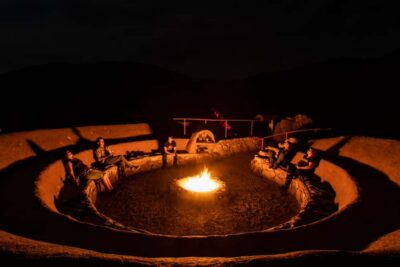
After the viewing, many sessions finish around a fire with snacks and drinks. Coffee, tea, and red wine are listed inclusions, and recent departures have also featured warm chocolate, picnic-style snacks, and wine served in proper glasses. The exact food and drink selection can vary, so confirm if this matters to you.
The cold deserves serious attention. San Pedro may feel mild during the day, but the desert loses heat quickly after dark, and you can spend a long time standing still beside the telescopes. Ponchos may be provided, but wear several warm layers, comfortable clothes, and sturdy shoes. A personal blanket is a smart addition.
Timing, moonlight, and weather
The advertised duration is 150 minutes, but the clock can move around. In April through August, pickup is listed at about 7 p.m. During Chilean summer time, pickup is generally between 9 and 9:20 p.m.
Clouds can lead to a later start, sometimes the same night or the next night. The operator says you will be notified if weather forces a change, and alternative options may be offered if the outing must be canceled.
This flexibility is sensible. A fixed schedule is less useful if the sky is covered, and a delayed start can produce a much better view. Still, avoid putting this tour immediately before an early morning excursion if you dislike late nights. A rescheduled start can run very late.
Moonlight is just as important as clouds. A bright moon can make the desert look beautiful, but it reduces the visibility of faint stars and some deep-space objects. Check the lunar calendar before booking. If your priority is the Milky Way and faint constellations, choose a darker moon period when possible.
A moonlit night is not automatically a bad night. The moon itself can be a fine telescope target, and guides can adjust the program. Just set your expectations correctly.
What the $41 price covers
At $41 per person, this is a strong value if you want more than a quick look at the sky. The price includes transport within San Pedro, an astronomy specialist, telescope equipment, drinks, and a souvenir photo.
You are also paying for the explanation. A telescope alone is less useful if nobody can tell you what is in view or why it matters. The guide-led format gives the evening structure and helps you get more from the equipment.
The 150-minute duration gives enough time for a lesson, cultural astronomy, telescope viewing, photos, and a warm drink. The return transfer is included, which removes the need to arrange late-night transport.
The main limitation is that this is not a private session. The pace and telescope time depend on the group and on how many objects can be viewed. If you want a highly specialized observing program or long uninterrupted eyepiece time, you may prefer a private astronomy experience.
For most people, though, the price covers a lot. It is particularly good for couples, families, first-time stargazers, and anyone who wants a well-organized evening without buying or carrying specialist equipment.
Who will enjoy this most
You should book this if you like learning while you look. The experience suits curious beginners because the guide explains basic ideas without requiring previous astronomy knowledge.
Families can also do well here. Children aged 10 and older have been kept interested by guides who mix facts with questions and clear explanations. The cold and late hour are the main family considerations, not the subject matter.
It is also a good choice for visitors who want something beyond the usual desert scenery. The Andean astronomy section gives the night a cultural layer, and the Southern Cross provides a clear connection to the Southern Hemisphere.
You may want to skip it if you dislike cold outdoor evenings, cannot handle flexible start times, or want guaranteed views of a particular planet. Weather and the moon remain in charge.
The tour is listed as wheelchair accessible, but the viewing site details are not fully described. If you need specific information about ground conditions or vehicle access, ask before booking.
Is this San Pedro stargazing tour worth booking?
Yes, for most visitors, especially at $41. The strongest reasons are the clear two-part presentation, the chance to use proper telescopes with guidance, the included transfer, and the thoughtful finish with warm drinks and a photo.
Book it for a dark-moon period if faint stars are your main goal. Pack serious winter clothing even during a warm desert day, and leave room in your schedule for a late or changed start.
Skip it only if the cold, uncertain timing, or group format would spoil the evening for you. If those points are manageable, this is one of the more useful ways to experience the Atacama after sunset because you leave with both a better view of the sky and a better understanding of how people have read it.
FAQ
Where does the tour begin?
Pickup is in San Pedro de Atacama, with the meeting location listed as Restaurant Tara at Licancabur 10. Pickup is not provided from the ayllus.
How long does the experience last?
The stated duration is 150 minutes. The van ride takes about 15 minutes to reach the viewing area and about 25 minutes for the return journey.
What languages are available?
The tour is offered in English and Spanish.
What time is pickup?
Pickup is listed at about 7 p.m. from April through August. During Chilean summer time, pickup is generally between 9 and 9:20 p.m.
Can the tour time change?
Yes. Weather can cause the tour to move to a later time that night or to the same or following night. You will be notified if the schedule changes.
What can I see through the telescope?
Depending on the season and conditions, you may see planets, stars, binary stars, star clusters, nebulae, galaxies, or the moon.
Does the tour include drinks?
Yes. Coffee, tea, or red wine are included. Some departures also provide snacks and a fire, but the exact selection may vary.
What should I wear?
Bring warm clothing, comfortable clothes, and comfortable shoes. The desert can be very cold at night, so extra layers and a blanket are useful.
Does the tour include a photograph?
Yes. A courtesy photo with the sky is sent by email. During periods of strong moonlight, the photo may be taken only through the telescope eyepiece.
More Private Drivers working out of San Pedro De Atacama
- San Pedro de Atacama: Etno-Stargazing Tour with Transfer
★ 3.5 · 5 reviews - Santiago: Concha y Toro Vineyard Tour w/ Transfer & Tasting
★ 4.2 · 455 reviews - Private Transfer from Santiago Airport to Santiago
★ 4.0 · 330 reviews - Private Transfer from Santiago Airport or Hotel to San Antonio Hotel or Port
★ 4.0 · 92 reviews
Newest San Pedro De Atacama trips on the site
- Vallecito★ 4.7 · 13 reviews
- San Pedro de Atacama: Valle de la luna★ 3.0 · 3 reviews
- Atacama Desert and Magic Bus Visit★ 4.8 · 15 reviews
- Valle de la Luna: A Moon-Like Escape in Atacama★ 5.0 · 3 reviews
- Valley of the moon★ 5.0 · 50 reviews
- San Pedro de Atacama: Half day Valle de la Luna, Afternoon Tour★ 4.5 · 52 reviews
- Unique 3-Day Tour in San Pedro de Atacama★ 4.5 · 43 reviews
- Moon Valley Tour from San Pedro de Atacama★ 4.0 · 59 reviews
Stargazing Tours, compared.
Astronomical Tour with Guide and Pick Up San Pedro de Atacama
Read our review →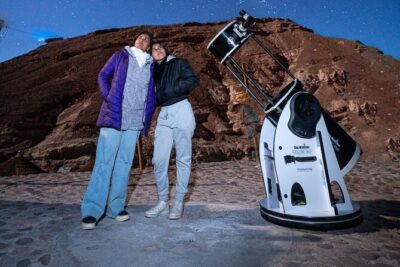
“Astronomical Adventure in San Pedro de Atacama”
Read our review →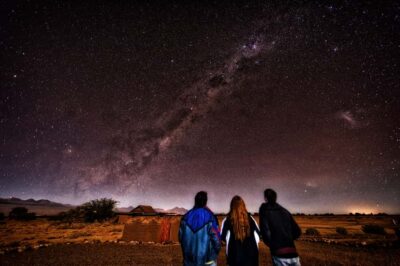
Pisco Elqui: Mountaintop Stargazing and Night Portrait
Read our review →Browse the lists this tour appears in