
Reviewed · STARGAZING TOURS
San Pedro de Atacama: Stargazing Experience
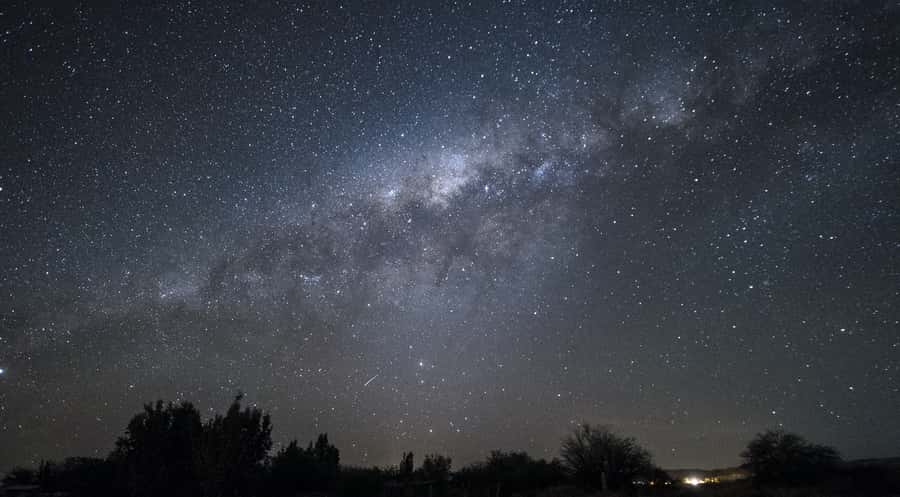
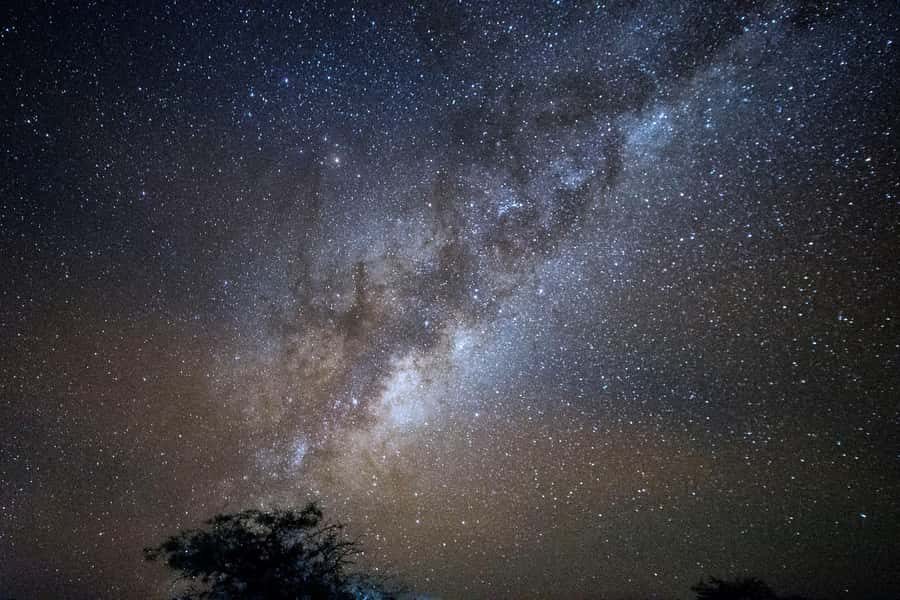
San Pedro de Atacama’s dry desert air gives you a rare chance to see the Milky Way with startling clarity. This two-and-a-half-hour evening pairs a short drive from town with an astronomer’s explanation of the sky, telescope viewing, and a photo beneath the stars. Guides including Alberto and Alejandro are praised for making complex ideas easy to follow.
I like the Southern Hemisphere focus, especially the chance to find the Southern Pole and, at the right time of year, see the Magellanic Clouds. I also like the simple comforts: blankets, hot chocolate, tea, coffee, a snack, and a photo to take home. The main drawback is the cold. A full moon can also reduce the number of visible stars, and the astronomy talk may feel too detailed if you prefer a quick look and a few pretty pictures.
Key things to know before you book
- You leave town for only 15 minutes: The observation site is close enough to fit neatly into an evening in San Pedro.
- You use real telescopes: Depending on the season and sky, you might see planets, binary stars, clusters, nebulae, galaxies, or the Moon.
- The guide does more than point upward: Expect explanations of constellations, astronomy, Ancient Greek ideas, and how to find the Southern Pole.
- The cold is serious: Bring warm layers, a jacket, and comfortable shoes. Blankets are supplied, but do not rely on them alone.
- A photograph is included: The team takes an astrophotograph of you under the stars, though delivery should be confirmed before you leave.
- The $35 price is fair for the package: Transport, a guide, telescope use, drinks, a snack, blankets, and photography are included, though local booking may sometimes cost less.
Why San Pedro is made for an astronomy night
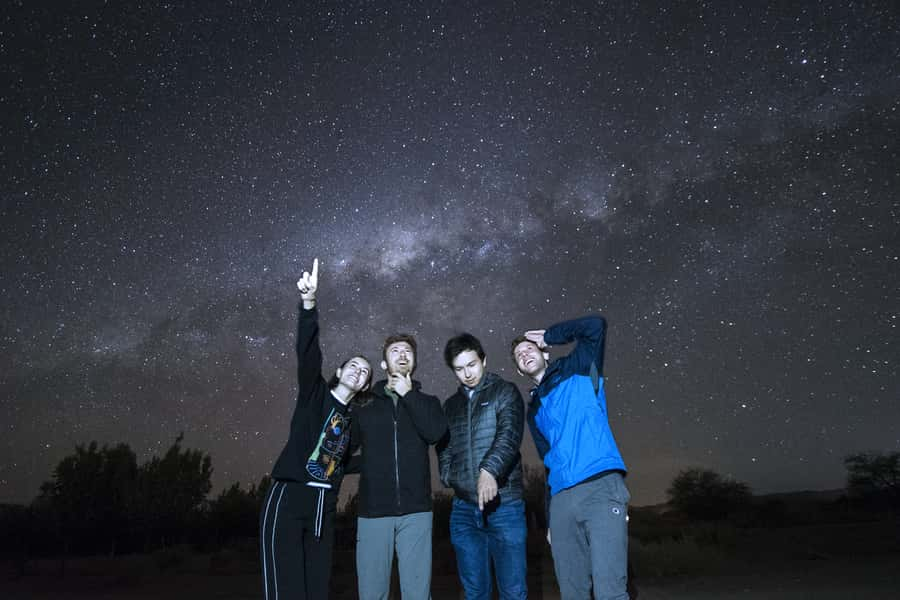
San Pedro de Atacama is surrounded by open desert and far from the glow of a large city. That matters most after sunset, when the sky becomes the main attraction rather than a backdrop for something else.
You begin with the naked eye. This is important. A telescope can show you a planet or a cluster, but the first impression comes from simply looking up and seeing how many stars are normally hidden by city lights. The guide helps you sort the sky into patterns, points out constellations, and explains what you are seeing instead of leaving you to guess.
The exact view changes with the time of year. You might see Saturn and its rings, Mars, Jupiter and some of its moons, bright stars, nebulae, or the Magellanic Clouds. The Moon can also be the star of the evening when it is visible. One particularly useful feature of this experience is that a full moon does not make the outing pointless. It can wash out fainter stars, but it gives the telescope something striking to show you.
More Stargazing Tours in San Pedro de Atacama
- San Pedro de Atacama: Etno-Stargazing Tour with Transfer
★ 4.8 · 629 reviews - Astronomical Tour with Guide and Pick Up San Pedro de Atacama
★ 4.5 · 145 reviews - “Astronomical Adventure in San Pedro de Atacama”
★ 4.5 · 96 reviews
The 15-minute ride into the desert
The meeting point depends on the option you book. From there, the van takes roughly 15 minutes to reach the viewing site, and the same journey brings you back to San Pedro at the end.
That short transfer works well. You spend most of the 150 minutes under the sky rather than in a vehicle, yet you still leave the town lights behind. If you plan to drive your own rental car, follow the tour vehicle rather than heading out alone. The road is dark and dusty, and a guided transfer is the simpler choice.
Drop-off points can include San Pedro de Atacama and addresses on Ignacio Carrera Pinto, including numbers 499 and 530. Confirm your exact return point when booking, especially if your accommodation is not close to the central meeting area.
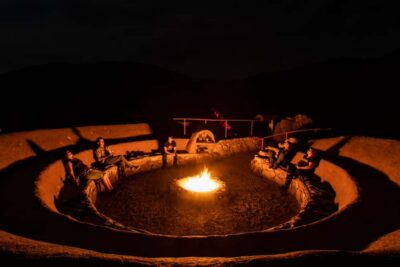
The ride is also your transition from town life to the quiet of the desert. Once you arrive, you can expect a short introduction before the main astronomy session begins. The area has benches with cushions, blankets, and room to settle in while your eyes adjust.
Starting with the naked eye
The guide first gives you time to look at the sky without optical equipment. This opening is easy to underestimate, but I think it is one of the strongest parts of the evening.
You learn how to locate stars and constellations by their position and shape. The talk may include the history of astronomy and the way Ancient Greeks connected stars into stories and figures. Guides such as Alberto, Alejandro, Rafael, and Connie have been praised for speaking clearly, answering questions, and keeping the explanations friendly.
You may also learn how to find the Southern Pole. That gives the experience a real sense of place. The night sky south of the equator is not simply the northern sky turned upside down, and some of its most interesting features are unfamiliar to visitors from Europe or North America.
There is one limitation to this approach. The Greek tradition is a useful starting point, but it is not the only way humans have understood the stars. One person specifically wished for more attention to Southern Hemisphere traditions and astronomy outside the Greek framework. If that subject matters to you, ask your guide about it during the question period.
The talk can be quite detailed. That will suit you if you like science, history, and clear explanations. If you are new to astronomy and want something light, ask questions early and let the guide know what level of detail you prefer.
What the telescopes add
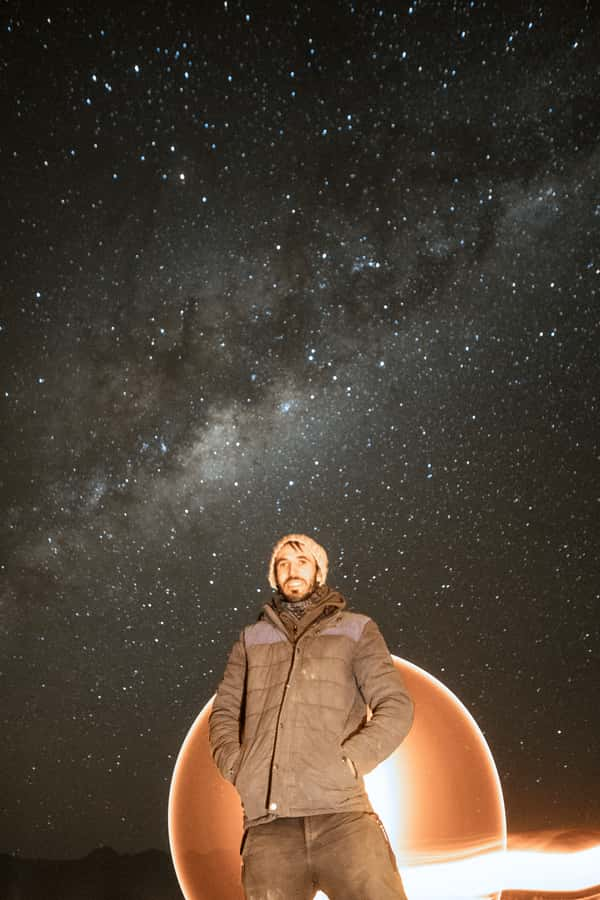
After the naked-eye introduction, you learn how to look through the telescopes. The guide aims each instrument at different objects and adjusts it between viewers so that the next person gets a sharp view.
This shared format means you may need to wait briefly for your turn. That is normal for a small-group astronomy session, and it gives you time to listen, look up, and take pictures. Families are also accommodated well. A step stool was provided for a child during one outing, allowing younger viewers to reach the eyepiece comfortably.
The objects available depend on the date, time, and moon. Possible targets include:
- Planets and their visible details
- Binary stars
- Stellar clusters
- Nebulae
- Galaxies
- Bright individual stars
- The Moon
Seeing Saturn’s rings through a telescope can be the evening’s big moment. Jupiter may show several of its moons. On a clear night, you might also see the Milky Way, the Magellanic Clouds, or even the International Space Station and shooting stars, though none of these can be promised for every departure.
A telescope will not turn every object into a large, colorful observatory image. The pleasure comes from seeing a distant object with your own eye and understanding what it is. The guide’s explanation is what makes a small point of light meaningful.
Same corner of Chile, a completely different day out:
- San Pedro de Atacama: El Tatio Geysers Tour
★ 4.7 · 943 reviews - Piedras Rojas, Altiplanics Lagoons & Salar Full-Day Tour
★ 4.7 · 592 reviews - San Pedro Atacama: Baltinache Lagoons
★ 4.6 · 359 reviews - San Pedro de Atacama: Valle de la Luna Guided Tour
★ 4.4 · 312 reviews
Drinks, snacks, and a useful pause
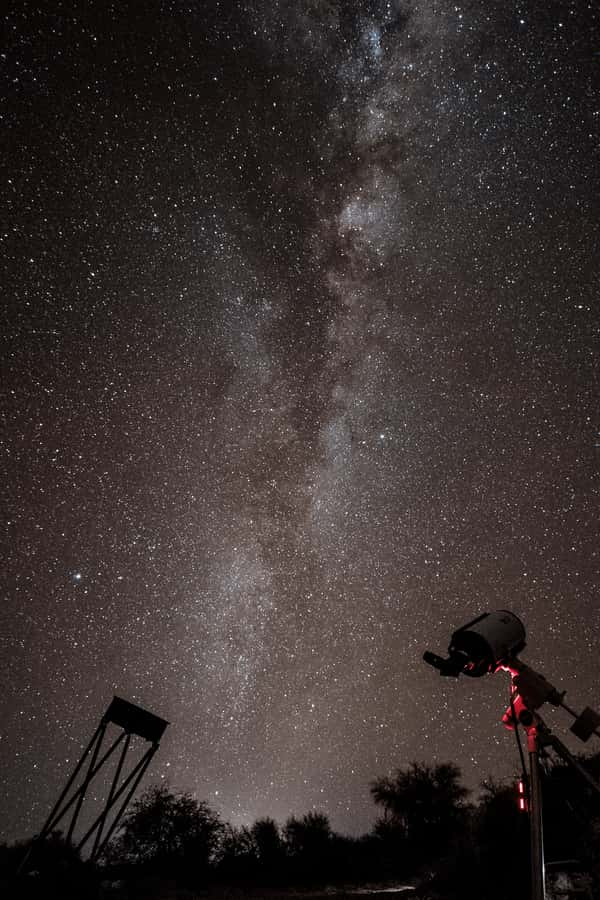
The evening includes both cold and hot drinks. Depending on the option and service, you may be offered juice, red wine, or a pisco sour at the start, followed later by tea, coffee, or hot chocolate. A snack is also included.
These extras are not the reason to book, but they matter in the desert cold. A warm drink gives you a break from standing or sitting outside, and the snack helps make the long evening more comfortable. Blankets are provided too.
Do not mistake refreshments for a full meal. The food is a small snack, not dinner, so eat beforehand if you normally need a proper evening meal. Also remember that alcohol is not allowed to be brought independently, even though the supplied package can include wine or a pisco sour.
One welcome drink received mixed praise, while the hot drinks and cake-style snacks were more consistently appreciated. I would treat this as a thoughtful extra rather than a feature worth paying for by itself.
Astrophotography under the Milky Way
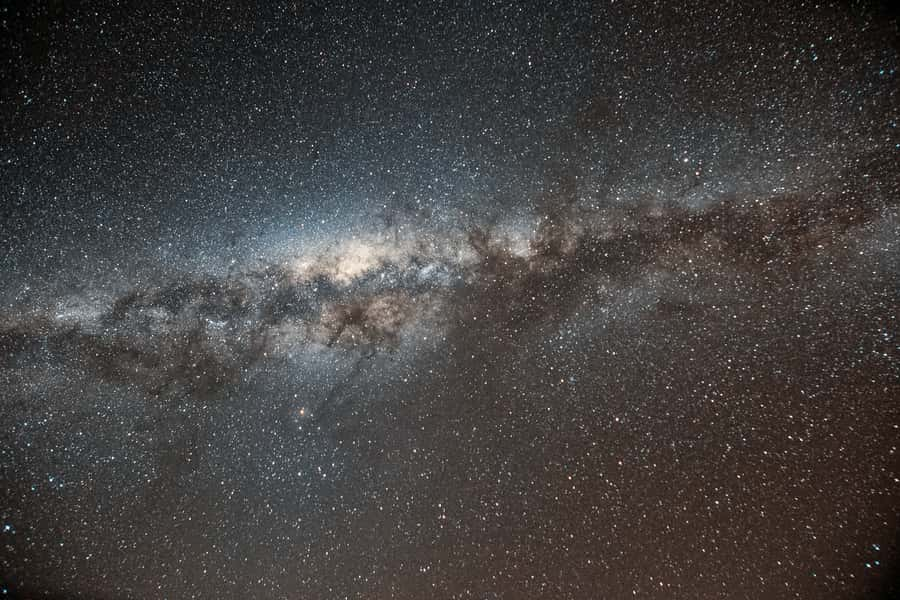
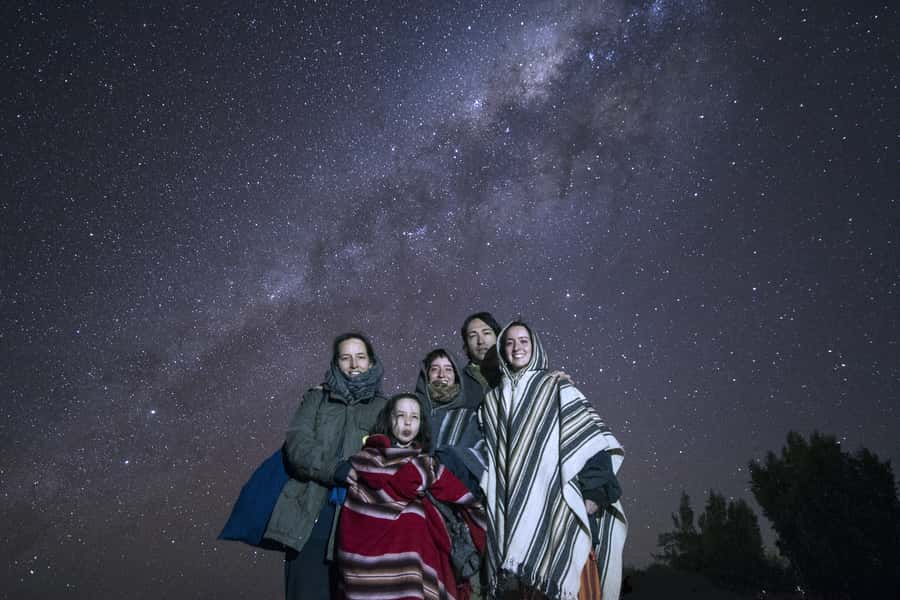
The included photo is a valuable part of the package. The team takes a portrait with the stars behind you, giving you something more memorable than a dark, shaky phone image.
Night photography is difficult without a tripod, a long exposure, and some practice. Guides also share tips for taking your own pictures, which is useful if you have a camera or a phone with manual controls. You should still make time to look away from the screen. The best part of the night is not always the image you take home.
There is one practical caution: confirm how and when the photograph will be delivered. Most of the information about the activity treats the photo as included, but at least two people did not receive theirs and had trouble getting a response later. Before leaving, check the delivery method and make sure the operator has the correct contact details.
Timing, moonlight, and seasonal views
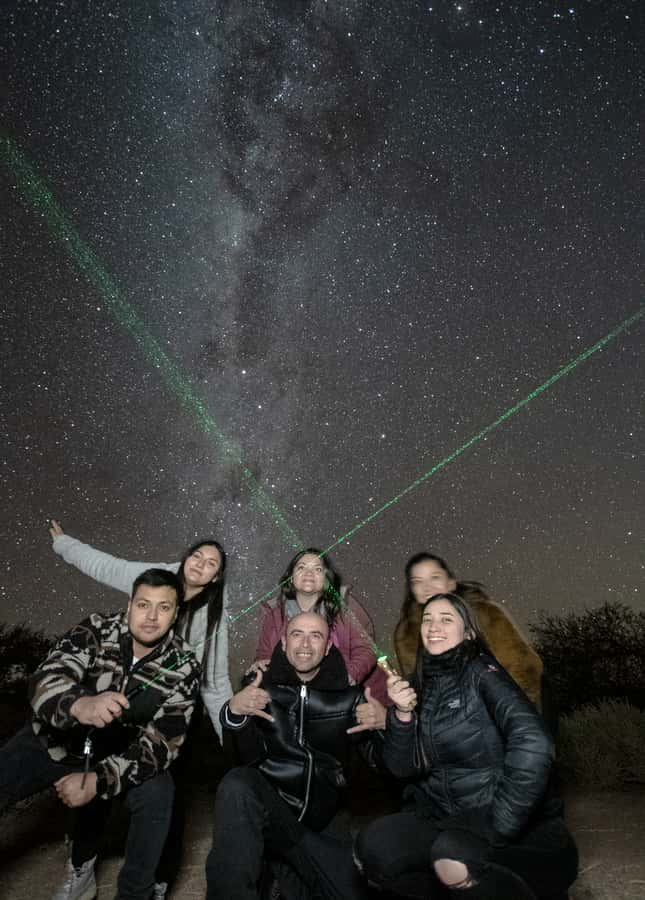
The moon has a major effect on this experience. During a dark or nearly dark period, the Milky Way and fainter stars have a better chance to show clearly. Around a full moon, fewer stars may be visible, but the Moon itself can be excellent through the telescope.
A full moon can also rise late. One outing that took place during a full moon period still included views of the Milky Way, the Magellanic Clouds, Saturn, and many constellations before moonrise. Another evening focused more on the Moon and the history of astronomy because moonlight reduced the number of stars.
When you book, check the moon phase if the Milky Way is your main goal. If you are flexible, do not automatically reject a moonlit night. You may trade a dense field of faint stars for a clear lunar view and a more varied program.
The available planets change as the year moves on. A guide might show Jupiter, Saturn, or Mars on one date and focus on other objects on another. The activity description is honest about this range, so you should not book expecting one specific planet unless the operator confirms it for your date.
How cold is it?
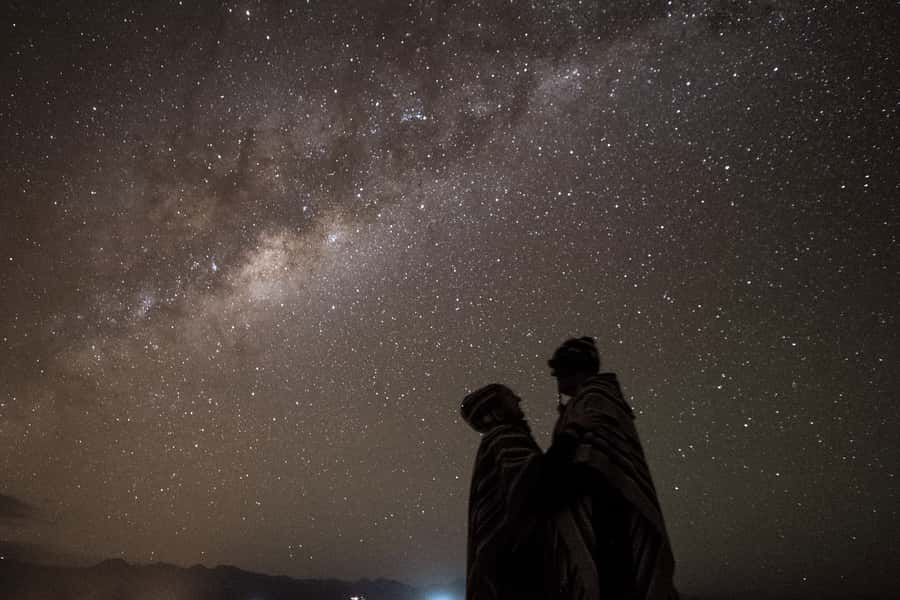
Very cold is the safest assumption. San Pedro’s desert nights can feel sharp even after a warm afternoon, and the tour involves sitting or standing outside while looking through telescopes.
Bring a warm jacket, several layers, long trousers, and comfortable closed shoes. A hat and gloves are sensible additions, even though they are not specifically listed as required. Blankets help, but they do not replace proper clothing.
This is not a good outing for someone who dislikes cold, outdoor waiting, or quiet explanation. It is also not suitable for children under four or people over 80 according to the activity restrictions. Families with older children can enjoy it, particularly when the guide takes time to help children reach the telescope.
Language, group size, and guide quality
Tours are offered in English and Spanish. The guides are a major part of the experience, since the same telescope can feel ordinary or remarkable depending on how well someone explains the object in view.
Alberto is praised for helping families and for adjusting the telescope carefully between viewers. Alejandro is repeatedly noted for his astronomy knowledge, enthusiasm, and clear answers. Other guides, including Rafael and Connie, are also singled out for friendly explanations and practical help with photography.
A small group is available. That matters because telescope viewing works better when the guide can answer questions and help each person at the eyepiece. The exact group size depends on the option booked, so check that detail if personal attention is important to you.
Some guides give a fairly full astronomy lesson. That is a strength for curious adults and older children, but it can feel like too much if you want a short introduction. I would choose the tour for the teaching as much as for the view.
Is $35 good value?
At $35 per person, the package includes the guide, transport from the meeting point, telescope use, drinks, a snack, blankets, and astrophotography. That is a reasonable price for an organized evening, especially if you do not have a car or camera equipment.
The real value is the guide and the access to telescopes. You can look at the sky for free from outside town, but you may not know what you are seeing or where to point your camera. The tour turns a beautiful sky into a more understandable experience.
There is a price catch. One person found the same type of outing locally for about one third less than the online booking price. If you have time in San Pedro, compare prices with local operators. Online booking gives you advance planning, a stated cancellation window, and the option to reserve now and pay later, but convenience may cost extra.
Free cancellation is available up to 24 hours before the activity for a full refund. Starting times vary, so check availability for your date. These flexible terms help if your desert plans depend on weather or changing energy levels, though the supplied information does not promise that every cloudy or poor-view night will be rescheduled.
Who should book this San Pedro stargazing experience?
I would recommend it to first-time visitors who want an easy introduction to astronomy without arranging equipment or driving into the desert at night. It also suits couples, families with children over four, and anyone who has always wanted to see the Milky Way properly.
It is especially good for you if you enjoy asking questions, hearing stories about the sky, and looking at planets through a telescope. The Southern Pole, Magellanic Clouds, and Saturn’s rings can make the night feel specific to this part of the world rather than like a generic stargazing session.
I would think twice if you hate cold, want guaranteed views of one particular planet, or prefer a short photo stop over a two-hour astronomy lesson. A full moon changes the experience, and the exact objects cannot be guaranteed.
Should you book it?
Yes, if you want a well-organized introduction to the Atacama sky at a modest price. The combination of a short transfer, a real astronomy explanation, telescope time, hot drinks, blankets, and an astrophotograph gives you more than a simple night drive outside town.
Before booking, check the moon phase, confirm your meeting and drop-off points, and compare the online price with local options. Pack warmer clothing than you think you need, and verify how the included photograph will be sent. If those details suit you, this is one of the better ways to turn San Pedro’s spectacular night sky into an experience you understand as well as admire.
FAQ
How long does the San Pedro de Atacama stargazing experience last?
The activity lasts 150 minutes, including the transfers and the astronomy session.
How far is the observation site from San Pedro de Atacama?
The van ride takes about 15 minutes from the town center to the observation site, followed by another 15-minute ride back.
What can I see through the telescopes?
Depending on the season and time of the visit, you might see planets, stars, binary stars, stellar clusters, nebulae, galaxies, and the Moon.
Is the tour offered in English?
Yes. Live guiding is available in English and Spanish.
What should I bring?
Bring warm clothing, a jacket, and comfortable shoes. Desert nights can be very cold, even when the daytime temperature is pleasant.
Are drinks and food included?
Yes. The package includes a snack, tea, coffee, hot chocolate, and selected cold drinks such as red wine, pisco sour, or juice. Blankets are also provided.
Newest San Pedro De Atacama trips on the site
- Vallecito★ 4.7 · 13 reviews
- San Pedro de Atacama: Valle de la luna★ 3.0 · 3 reviews
- Atacama Desert and Magic Bus Visit★ 4.8 · 15 reviews
- Valle de la Luna: A Moon-Like Escape in Atacama★ 5.0 · 3 reviews
- Valley of the moon★ 5.0 · 50 reviews
- San Pedro de Atacama: Half day Valle de la Luna, Afternoon Tour★ 4.5 · 52 reviews
- Unique 3-Day Tour in San Pedro de Atacama★ 4.5 · 43 reviews
- Moon Valley Tour from San Pedro de Atacama★ 4.0 · 59 reviews
Stargazing Tours, compared.
Astronomical Tour with Guide and Pick Up San Pedro de Atacama
Read our review →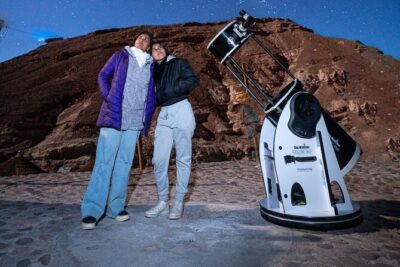
“Astronomical Adventure in San Pedro de Atacama”
Read our review →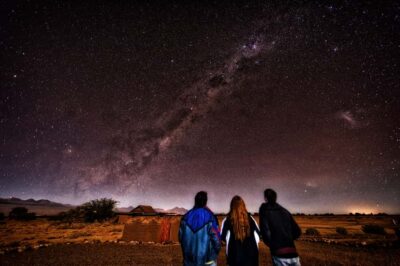
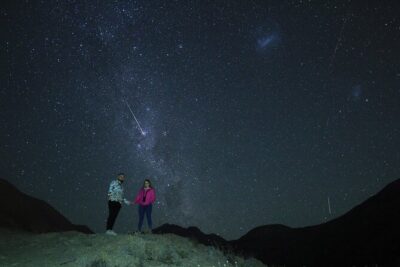
Pisco Elqui: Mountaintop Stargazing and Night Portrait
Read our review →Browse the lists this tour appears in