
Reviewed · SALT FLATS TOURS
San Pedro de Atacama: 3 D. Tour Uyuni and Back to San Pedro
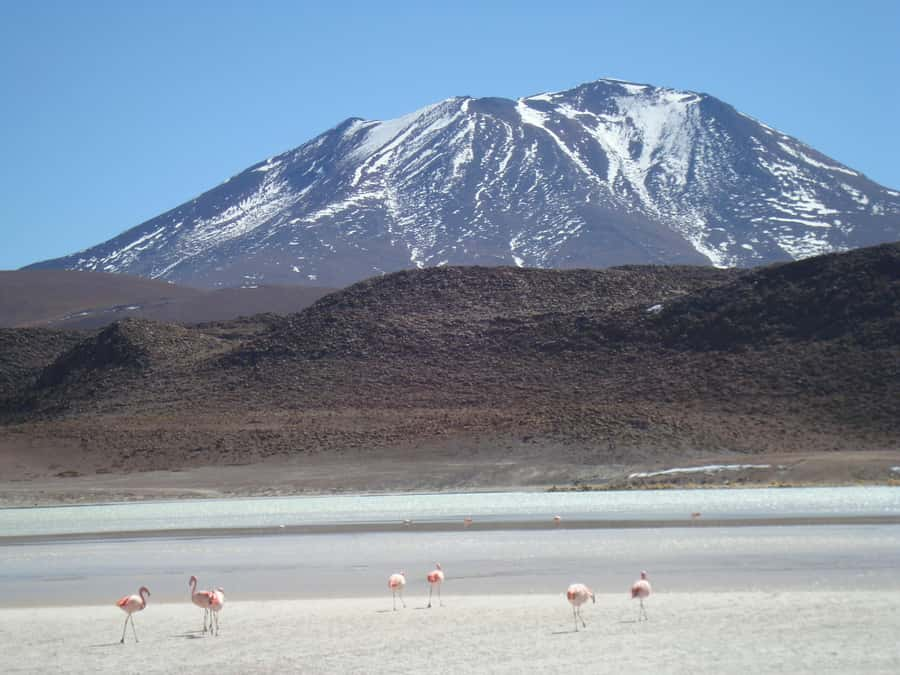
The Uyuni Salt Flats are only part of this three-day trip. The real surprise comes earlier, when you cross from Chile into Bolivia and spend a day among red lagoons, volcanoes, flamingos, geysers, and wind-carved rock formations at altitudes around 4,500 meters.
I like the small vehicle setup, with no more than four people in a car, and I like the guides’ strong local knowledge. Freddy is especially noted for explaining Bolivian history, geology, wildlife, and culture in clear English. The trade-off is simple: this is a demanding overland journey with rough roads, cold nights, long drives, and no luxury.
Key points to know before booking
- Bolivia begins at Hito Cajones: The border crossing leads straight into remote Andean scenery, not a gradual city-to-country transition.
- The first day is the hardest: Expect a 6:00 a.m. start, high altitude, long hours in the car, and possible altitude sickness.
- Laguna Colorada is a major highlight: Red water, ocher tones, and large groups of flamingos make this one of the most memorable stops.
- Incahuasi Island breaks up the salt flat: Giant cacti and coral fossils tell the story of an ancient sea beneath the Altiplano.
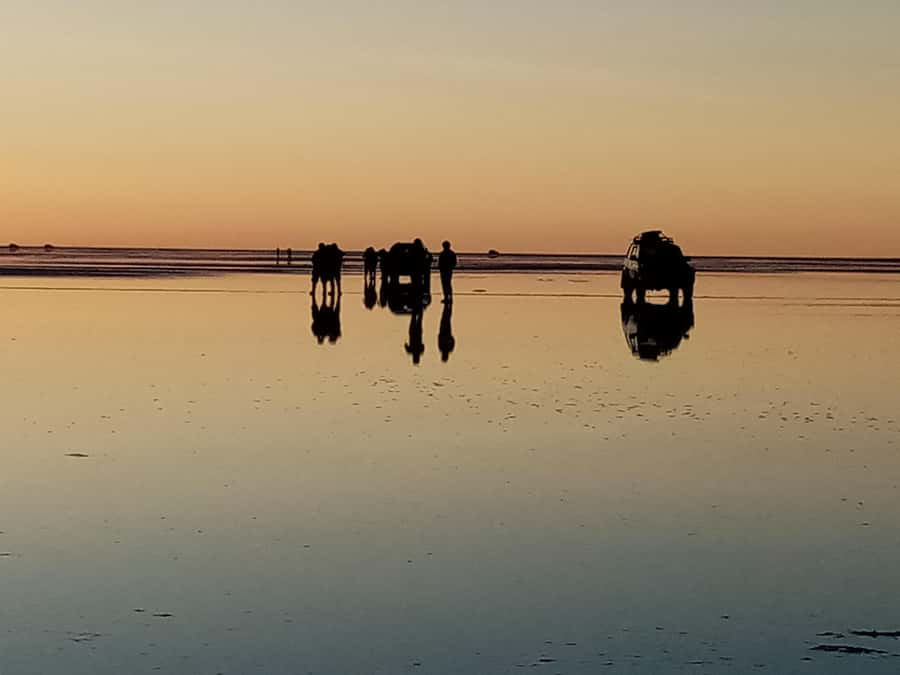
- Sunset is best on the salt: The flat surface gives you unusual reflections, wide-open views, and excellent conditions for playful photos.
- This is an adventure, not a pampering trip: Hotels are warm and practical, but food and rooms are simple by international standards.
Why this three-day route is such a strong choice
From San Pedro de Atacama, this route packs southern Bolivia into a tight return journey. You see the colored lagoons and desert formations that many people rush past on the way to Uyuni, then reach the salt flat itself before returning to Chile.
I like that the trip does not treat Uyuni as a single photo stop. The route gives you a sense of the whole Altiplano: its volcanoes, wildlife, mineral colors, old trade routes, salt crust, and harsh climate. That makes the salt flat more meaningful when you finally reach it.
The tour costs $750 per person, which is a serious price. Its value comes from the compact three-day schedule, the English-speaking guide, the four-wheel-drive vehicle, border transfers, park fees, Incahuasi admission, meals, and accommodation. It also saves you from arranging separate Chilean and Bolivian transport.
You are paying for speed and organization rather than comfort. A longer trip may allow a slower pace, but this version suits you if you have limited time in San Pedro and want a direct round trip. It is also a good fit if you prefer a small group instead of a crowded vehicle.
More salt flat days from San Pedro De Atacama:
- Piedras Rojas, Altiplanics Lagoons & Salar Full-Day Tour
★ 4.7 · 592 reviews - Full Day Tour to Ruta de los Salares
★ 5.0 · 105 reviews - Uyuni Salt Flats 4-days tour from Atacama> private room available
★ 4.5 · 44 reviews
Day one: from San Pedro to red water and flamingos
Your day starts at 6:00 a.m. with a shared van from San Pedro de Atacama to Hito Cajones, the Bolivian border. The transfer takes about an hour, followed by immigration formalities.
Once you enter Bolivia, the scenery changes quickly. The road climbs toward broad high-altitude plains, huge volcanoes, and rock formations shaped by wind. You are likely to feel the thin air here, especially if you have arrived in the Atacama region only recently.
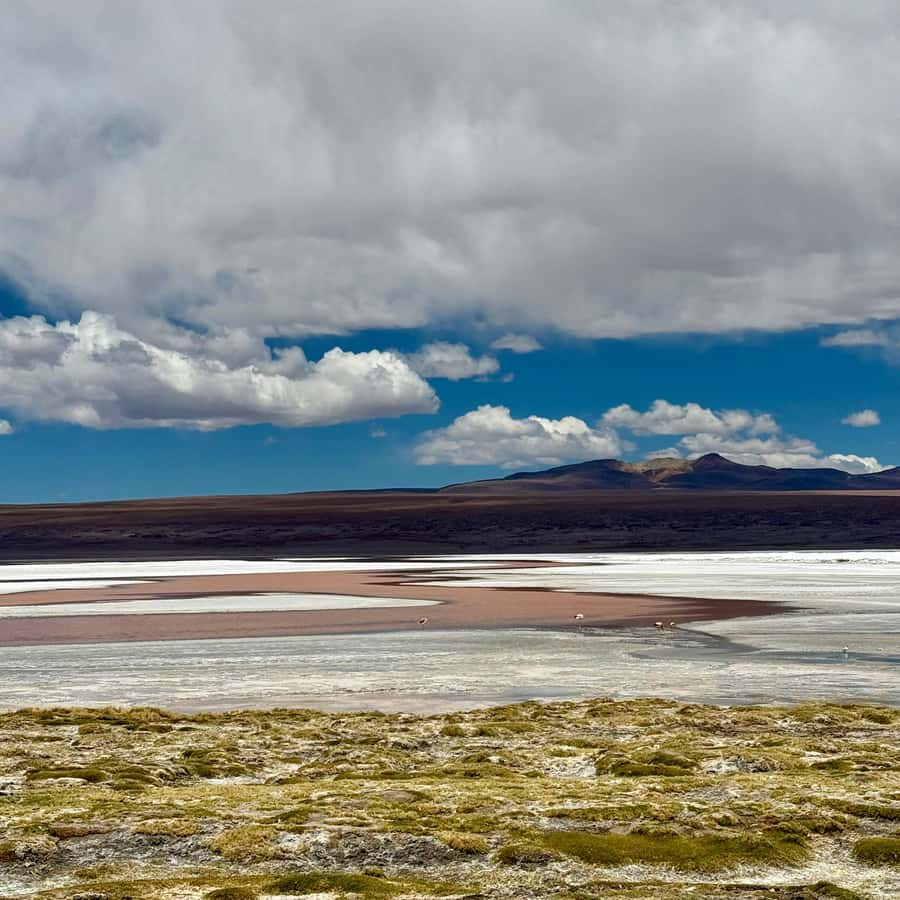
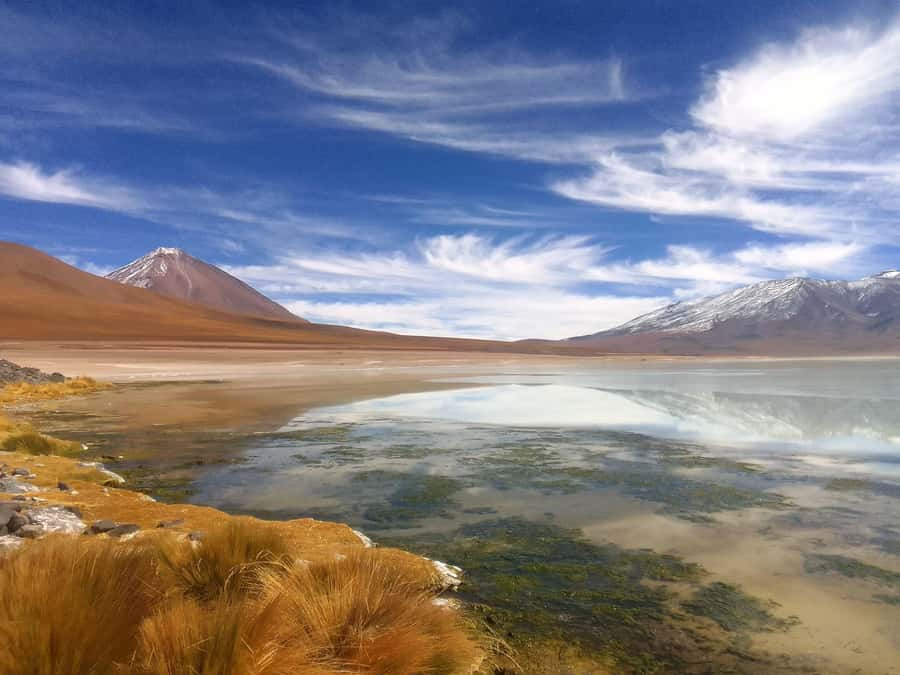
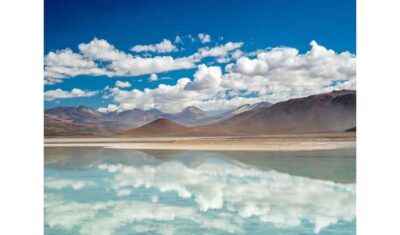
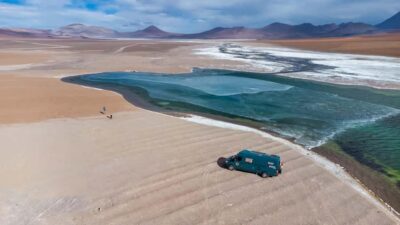
The first day includes several lagoons with striking colors. Water can appear red, blue, white, or greenish depending on minerals, algae, sunlight, and sediment. These are not polished resort stops. You get open desert, strong wind, cold air, and little shelter.
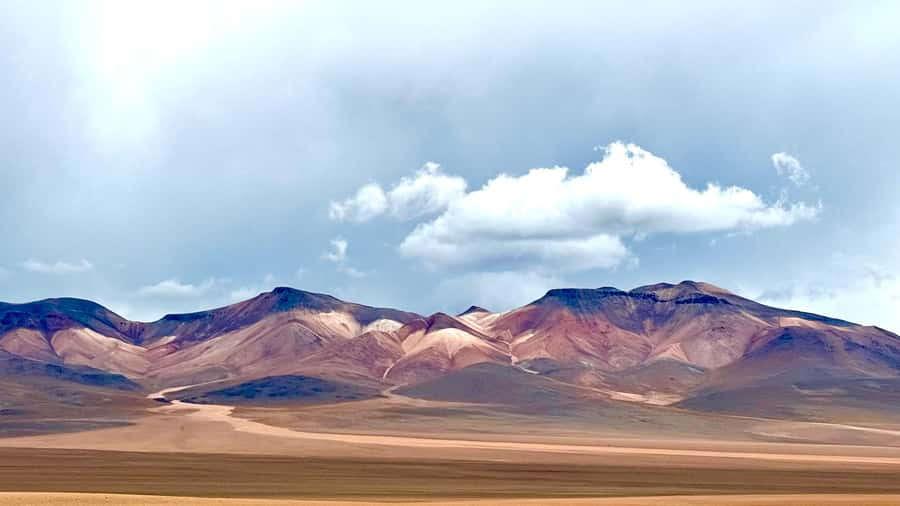
The Rocks of Dali are a memorable stop because their isolated shapes resemble surrealist sculpture. Wind and erosion created the forms, and their setting makes them feel more dramatic than a photograph can suggest. Your guide can add useful context about the geology and the name given to the formations.
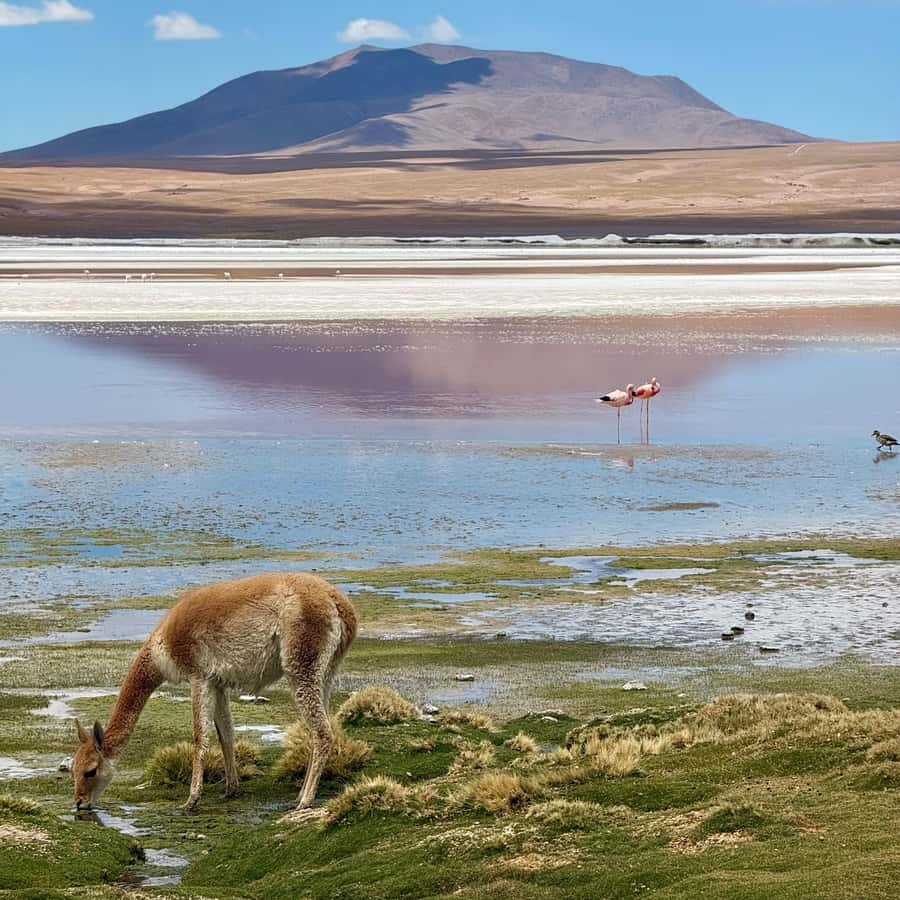
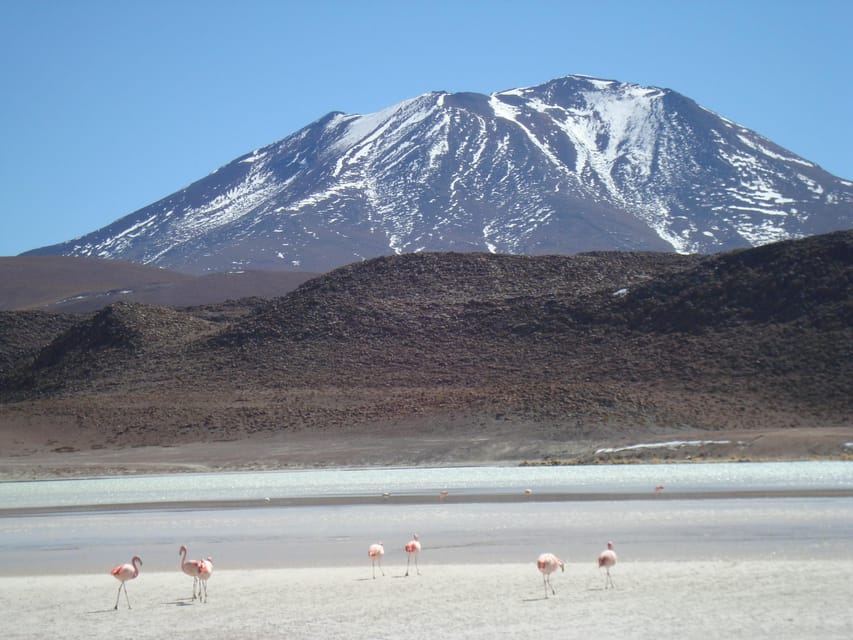
The main event is Laguna Colorada, a shallow red lake surrounded by ocher ground and high desert. The color comes partly from the algae Dunaliella salina, along with mineral deposits. Flamingos feed in the water, and the lake also supports other bird species.
Bring binoculars if you have them, but do not expect a wildlife park with guaranteed close encounters. The appeal is the combination of birds, red water, volcanoes, and empty space. In good conditions, you may also see vicuñas, llamas, foxes, viscachas, or other Altiplano wildlife along the route.
The driving is a major part of this day. Roads can be rough, and the altitude can make a normal drive feel tiring. Several people who have taken this route found the first day physically challenging, even when they were otherwise fit.
Your overnight stop is Kachi Wasi Hotel, with hot water and heating. That matters after a day in the cold. Still, keep your expectations practical. This is a remote desert journey, and the hotel is meant to provide warmth, rest, and basic comfort rather than luxury.
Day two: Incahuasi Island and the wide-open salt
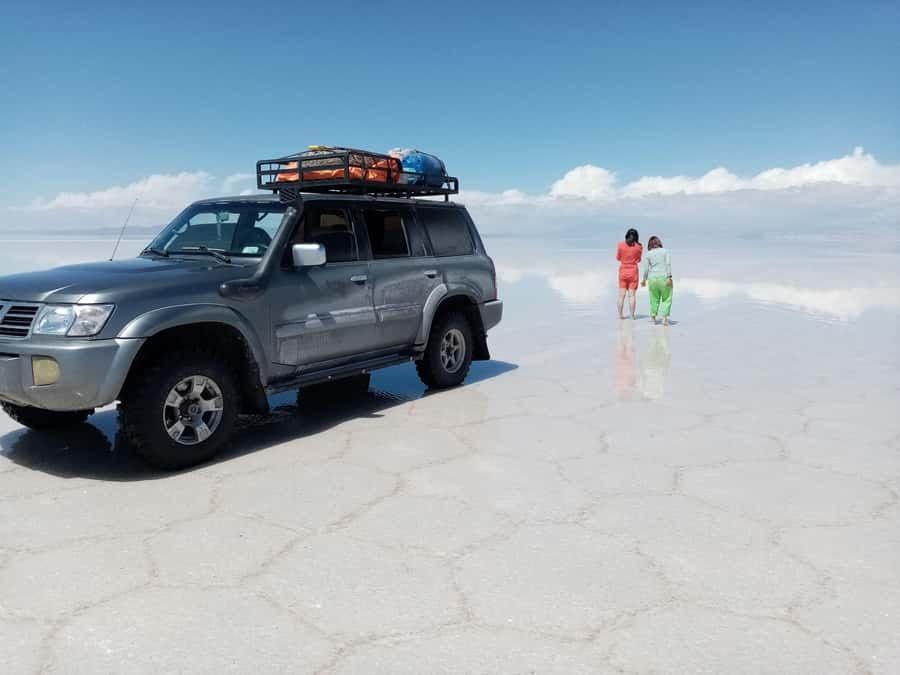
The second day takes you toward Salar de Uyuni, the world’s largest salt flat, covering about 10,000 square kilometers. At roughly 3,600 meters above sea level, it is still high, but many people find this part of the journey easier than the first day.
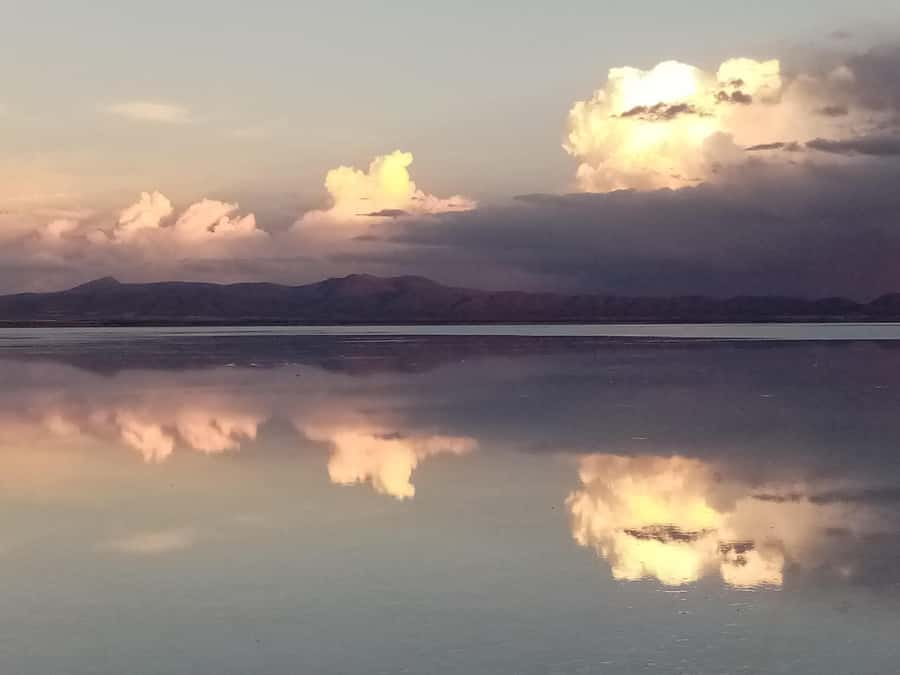
The salt flat formed from ancient lakes that dried out, leaving a huge crust of salt and minerals. In places, the surface forms regular polygon patterns. After rain, a thin layer of water can turn the flat into a giant mirror, though conditions vary by season and weather.
The route includes Incahuasi Island, an isolated rocky outcrop in the middle of the salt. Despite the name, it is not an island surrounded by normal water. It rises from the salt crust and is covered with giant cacti, some reaching seven or eight meters.
Incahuasi also contains coral fossils. They are a reminder that an ancient sea once covered much of the Altiplano. That detail gives the stop more depth than a simple cactus viewpoint. You are looking at a place shaped by both marine history and extreme high-altitude desert conditions.
The island can be tiring because of the elevation and walking. Take your time, drink water, and avoid treating the climb as a race. You may see viscachas, lizards, insects, and small birds, including hummingbirds. The thin air affects animals as well as people, so sightings can be brief.
The salt flat is where the trip becomes playful. The open surface makes forced-perspective photographs possible, and your guide or driver can help with ideas and positioning. Bring a camera or phone with enough storage, because the white ground and huge sky invite repeated shots.
The afternoon continues across the salt toward the shore. The timing is designed for sunset, one of the strongest moments of the tour. As the light drops, the salt can take on pink, gold, blue, or violet tones. If there is surface water, reflections can make the horizon seem to disappear.
Your second night is at Hotel Toñito in Uyuni, with hot water and heating. The accommodation is basic but useful, especially after the cold and dust of the road. Dinner is not included on this night, so budget separately and confirm the exact evening arrangements with the operator.
Meals included in the tour are two breakfasts, three boxed lunches, and one dinner. Vegetarian meals can be arranged, according to the information provided, but it is sensible to state dietary needs before departure.
Day three: the train cemetery and a fast return to Chile
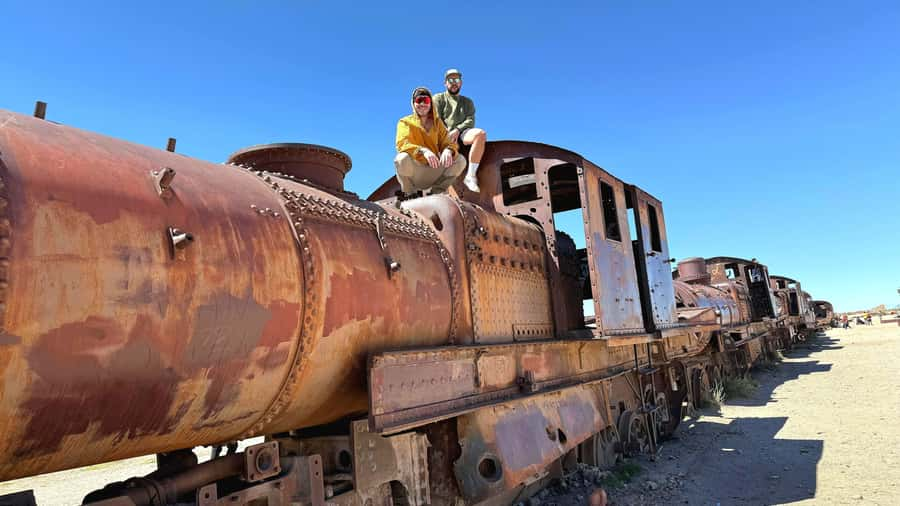
The final day starts early in Uyuni. You first visit the train cemetery, an atmospheric collection of abandoned locomotives outside the city. Rusting engines and open desert make this a short but distinctive stop, especially for photography.
Afterward, the route heads toward Villa Mar and Lake Catal. The drive is long, but it brings you back through the high plains and volcanic country rather than simply retracing the previous route.
At Lake Catal, you hike through a broad area marked by volcanoes and herds of llamas. This is a useful contrast with the salt flat. Instead of a perfectly white horizon, you get dark volcanic forms, rough ground, animals, and a more textured view of the Altiplano.
The return journey continues toward Hito Cajones in a private four-wheel-drive vehicle. From the Bolivian border, a private transfer takes you back to San Pedro de Atacama, with arrival at your hotel at about 3:30 p.m.
That timing makes the tour practical for a short stay, but the day is still demanding. You spend much of it on the road, and an early start follows two intense days. If you need a slow, restful holiday, this schedule will feel rushed. If your priority is seeing as much southern Bolivia as possible in three days, it works well.
A few more San Pedro De Atacama half-days worth a look
- San Pedro de Atacama: El Tatio Geysers Tour
★ 4.7 · 943 reviews - San Pedro de Atacama: Etno-Stargazing Tour with Transfer
★ 4.8 · 629 reviews - San Pedro de Atacama: Stargazing Experience
★ 4.7 · 489 reviews - San Pedro Atacama: Baltinache Lagoons
★ 4.6 · 359 reviews
Guides, drivers, and the small-car advantage
The tour uses an English-speaking guide, and guide quality matters greatly here. Names associated with departures include Freddy, Victor, Christian, and other local guides, with Freddy receiving particular praise for his explanations of history, wildlife, geology, economics, and culture.
A strong guide changes the experience. Without context, a red lake is simply a red lake. With an explanation of algae, minerals, bird life, ancient water systems, and local communities, the stop becomes easier to understand and remember.
Drivers are just as important. Names such as Isaac, Christian, Roly, Javier, and Cristian are connected with different departures. The roads are rough and often remote, so careful driving is a practical part of the tour, not a minor extra.
The car holds no more than four people, although the overall group can reach 12 participants. That usually means a smaller, more personal setup on the road, with room to stop for wildlife, photographs, tea, or bathroom breaks. The exact arrangement may vary, so ask how many people will share your vehicle before booking.
Altitude, cold, and what to pack
The high point of the route reaches about 4,500 meters. Altitude sickness is a real concern, and the tour is not suitable for people who already know they suffer badly from it. It is also not recommended for children under 10 or people over 70.
You do not need fancy equipment, but you do need sensible clothing. Pack:
- Warm layers and a jacket
- Comfortable shoes
- Comfortable clothes for long drives
- Swimwear and a towel for the hot springs
- A change of clothes
- Water, snacks, and an electrolyte drink
- Any personal medication you normally use
A jacket is useful even when the sun looks strong. Desert temperatures can fall quickly after sunset, and wind makes the cold sharper. The hot springs are one reason swimwear and a towel are included on the packing list, but the tour is not built around long periods of relaxation.
Altitude can affect appetite and sleep, so simple snacks are helpful. Ibuprofen and an electrolyte drink were specifically suggested by one experienced participant, but you should only take medication appropriate for you.
Food, hotels, and the real comfort level
The food is practical Bolivian travel food rather than fine dining. Boxed lunches are included, and past departures have handled vegetarian requests. The meals can be surprisingly satisfying, but remote desert travel limits variety.
Both listed hotels provide hot water and heating, which is a meaningful benefit in this part of Bolivia. You will appreciate a warm room and shower far more after a day beside a windy lagoon than you would in a normal city hotel.
At the same time, the accommodation is not five-star. One stay may feel more comfortable than another, and the basic setting is part of the trip. If you need polished rooms, room service, or reliably mild temperatures, spend your money elsewhere.
The second night in Uyuni does not include dinner. This is a small detail, but it matters when you are budgeting. The tour price covers a lot, yet not every meal or personal expense.
What the $750 price really buys
At $750 per person, this is a premium price for an adventure tour. You receive the shared transfer from San Pedro to the border, a private return transfer from Bolivia to San Pedro, a four-wheel-drive vehicle with driver, two nights of accommodation, listed meals, park and Incahuasi fees, and an English-speaking guide.
You are also buying a three-day express itinerary. Many visitors do not have enough time for a longer Uyuni route, and this schedule reaches the salt flat while still including the colored lagoons and desert stops.
The best value comes if you care about organization, safety, English explanations, and a small vehicle. The value is weaker if you mainly want a cheap ride to the salt flat and do not mind arranging food, transport, or accommodation yourself.
The tour allows free cancellation up to 24 hours before departure, and you can reserve now and pay later. Those terms make planning easier, especially when border documents or weather may affect a South American itinerary. Make sure your Bolivian entry documents are in order before you go.
Who should book this journey
I would choose this trip if you want:
- A short round trip from San Pedro de Atacama
- Colored lagoons and wildlife as well as the salt flat
- An English-speaking guide
- A small vehicle and limited group size
- Warm rooms and hot showers without expecting luxury
- A strong focus on photography and scenery
- A tightly planned route with border transfers included
I would not choose it if you want leisurely mornings, smooth highways, low altitude, or long hotel stays. The first day can be especially hard, and the trip involves long hours in a four-wheel-drive vehicle.
Should you book the San Pedro to Uyuni tour?
Book it if your time is short and the salt flat is a priority, but you also want to see the red lagoons, flamingos, volcanoes, wildlife, and desert formations that make southern Bolivia special.
The strongest reasons to go are the compact route, careful drivers, small-car format, and guides such as Freddy who can explain what you are seeing. The biggest warnings are altitude, basic accommodation, early starts, rough roads, and a price that reflects convenience rather than luxury.
Pack warm clothes, water, snacks, patience, and valid border documents. If you can accept the physical demands, this is one of the most efficient ways to connect San Pedro de Atacama with Uyuni and return to Chile with the salt flat sunset still fresh in your mind.
FAQ
How long is the tour from San Pedro de Atacama?
The tour lasts three days and returns you to San Pedro de Atacama at about 3:30 p.m. on the third day.
What time does the tour begin?
Pickup from your hotel is scheduled for 6:00 a.m. on the first day.
Does the tour cross into Bolivia?
Yes. You travel from San Pedro de Atacama to the Hito Cajones border crossing, complete immigration, and continue through southern Bolivia.
How high does the route go?
The route reaches about 4,500 meters near the Bolivian border. Uyuni itself sits at roughly 3,600 meters above sea level.
Is the tour suitable for children?
The tour is not suitable for children under 10 years old.
Is altitude sickness a concern?
Yes. The tour is not suitable for people with altitude sickness. The high elevation, early starts, cold, and long drives can make the first day especially demanding.
What accommodation is included?
Two nights are included: Kachi Wasi Hotel, with hot water and heating, and Hotel Toñito, also with hot water and heating.
Is dinner included every night?
No. The included meals are two breakfasts, three boxed lunches, and one dinner. Dinner on the second night in Uyuni is not included.
What is the group size?
The overall group can include up to 12 participants, while the four-wheel-drive car carries no more than four people.
Newest San Pedro De Atacama trips on the site
- Vallecito★ 4.7 · 13 reviews
- San Pedro de Atacama: Valle de la luna★ 3.0 · 3 reviews
- Atacama Desert and Magic Bus Visit★ 4.8 · 15 reviews
- Valle de la Luna: A Moon-Like Escape in Atacama★ 5.0 · 3 reviews
- Valley of the moon★ 5.0 · 50 reviews
- San Pedro de Atacama: Half day Valle de la Luna, Afternoon Tour★ 4.5 · 52 reviews
- Unique 3-Day Tour in San Pedro de Atacama★ 4.5 · 43 reviews
- Half-Day Tour to Laguna Cejar★ 5.0 · 54 reviews
Salt Flats Tours, compared.
Piedras Rojas, Altiplanics Lagoons & Salar Full-Day Tour
Read our review →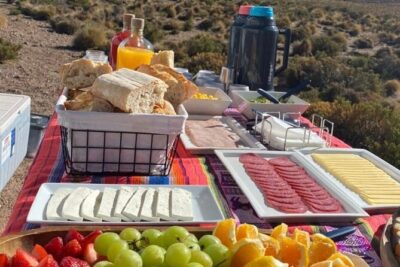
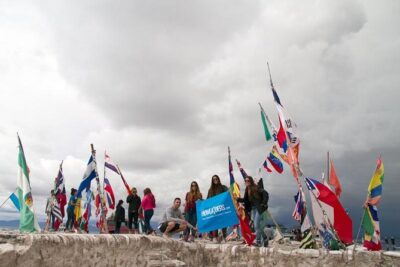
Uyuni Salt Flats 4-days tour from Atacama> private room available
Read our review →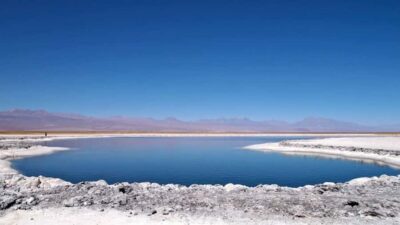
Cejar Lagoon, Tebenquiche Lagoon and Ojos del Salar
Read our review →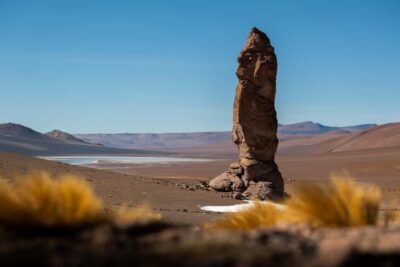
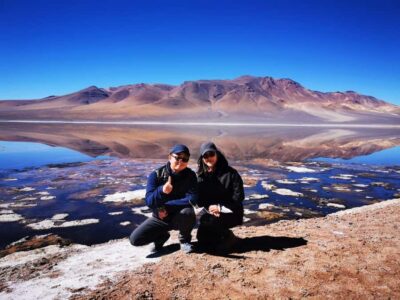
San Pedro de Atacama Day Trip: Atacama Desert and Salt Flats
Read our review →Browse the lists this tour appears in