
Reviewed · STARGAZING TOURS
Chile: Astronomical Tour in the Atacama Desert
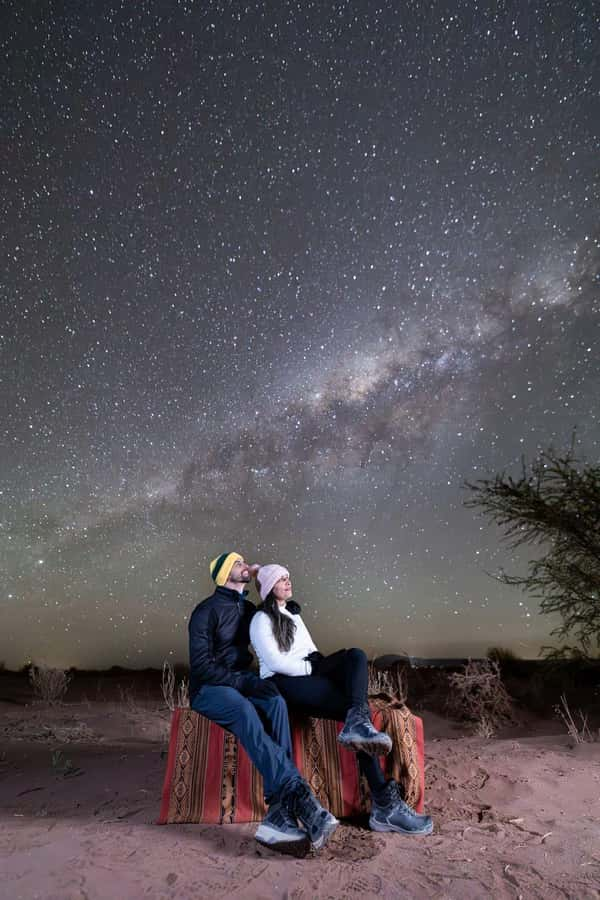
The Atacama Desert gives you a rare look at the night sky, with dry air, high elevation, and little artificial light. I like the mix of serious astronomy and easy storytelling, plus the chance to see the Moon, planets, star clusters, and nebulae through a telescope rather than only with the naked eye.
I also like that the tour includes two photographs, a drink, bilingual guiding, and hotel return transport for $100. The weak point is organization before pickup. Some guests received the wrong time or location and waited as long as an extra hour and a half, so confirm the meeting details carefully.
Key points to know before booking
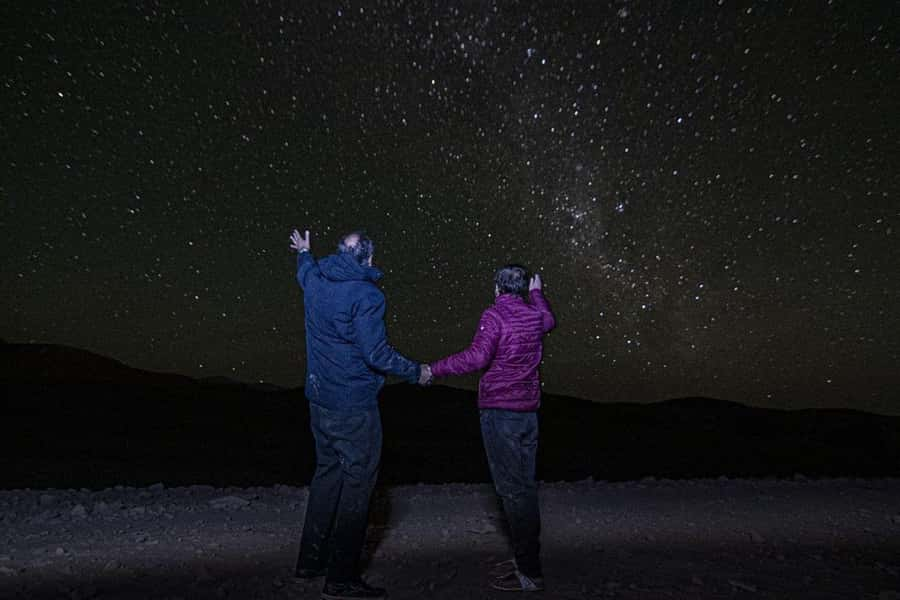
- The Atacama sky is the main attraction: Dry conditions and low light pollution create excellent conditions for stargazing.
- You get telescope time, not just a talk: The equipment can show lunar craters, Saturn’s rings, nebulae, and star clusters.
- The guides are the heart of the evening: Expect Spanish or English explanations about astronomy, mythology, and science.
- Astrophotography is part of the experience: You can receive help using a professional camera or smartphone.
- Hotel return transport is included: Pickup is not included in the same way, so enter your hotel and address accurately and confirm the meeting details.
- Allow more than the advertised 150 minutes: The astronomy program lasts about two and a half hours, but pickup confusion may add waiting time.
Why the Atacama is made for stargazing
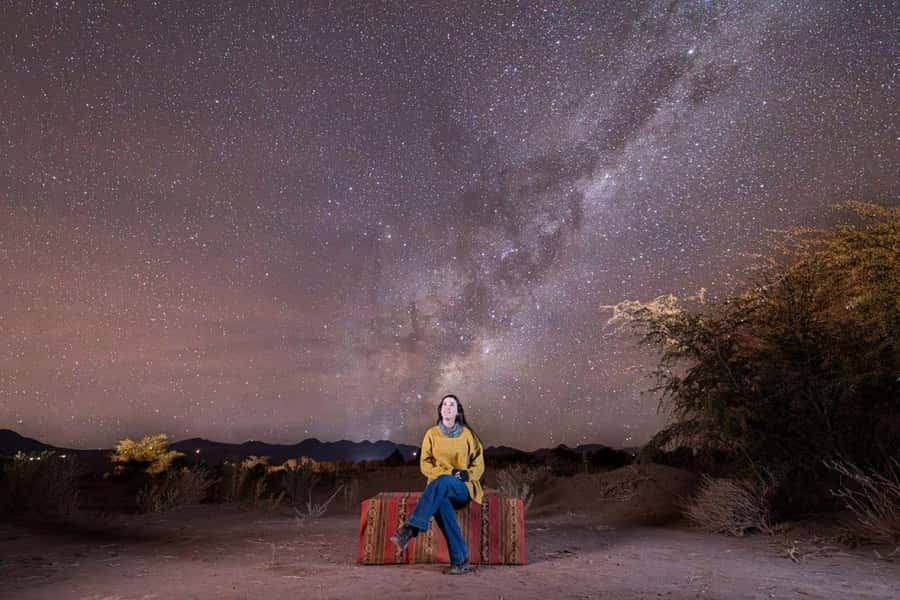
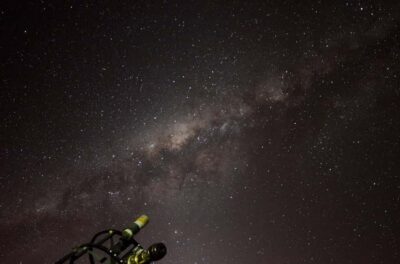
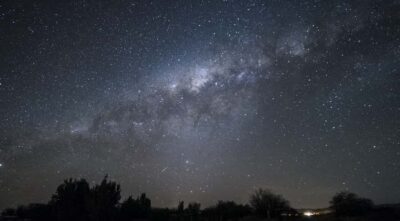
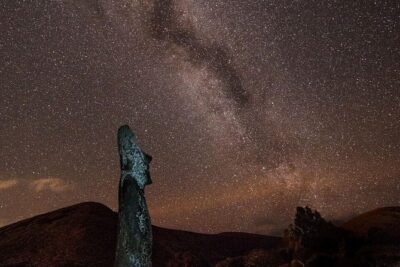
The Atacama is one of the world’s best places to look upward. Its high elevation, extremely dry climate, and limited light pollution help produce a sharp, dark sky. You are not simply visiting a viewpoint with a few stars overhead. You are entering a setting where the Milky Way can stretch clearly across the desert sky.
That natural setting gives the tour its real value. The telescope matters, but the sky itself does much of the work. Even before the guided observations begin, you can look up and see far more stars than you normally would in a city or bright resort town.
The experience also gives you context. Your guide explains the celestial sphere, the movements of heavenly bodies, the life cycle of stars, and the stories attached to constellations. That makes the evening more than a series of telescope views. You learn how people have used the sky for navigation, farming, and storytelling, then connect those older ideas with modern astronomy.
More Stargazing Tours in San Pedro de Atacama
- San Pedro de Atacama: Etno-Stargazing Tour with Transfer
★ 4.8 · 629 reviews - San Pedro de Atacama: Stargazing Experience
★ 4.7 · 489 reviews - Astronomical Tour with Guide and Pick Up San Pedro de Atacama
★ 4.5 · 145 reviews
The 150-minute evening, from hotel pickup to first stars
The tour begins late, with pickup scheduled between 9:00 and 9:30 p.m. The operator confirms the exact time on the day of the activity. You need to provide your hotel name and address, and I would take that step seriously.
The pickup process is the one part that needs extra patience. The published arrangement includes a return transfer to your hotel, but pickup is listed separately as not included. That wording can be confusing, so confirm exactly where you should meet the vehicle and when. Incorrect pickup information caused one visitor to wait an additional hour and a half, and another noted that advance coordination could be better.
Once you reach the observation area, the evening settles into a much calmer rhythm. The group moves away from the brighter surroundings of town, giving you a darker setting for the sky. One guest particularly appreciated being taken a short distance away from Atacama, where the stars appeared clearer.
The program itself lasts 150 minutes. That is enough time for an introduction, guided sky watching, telescope observations, photography help, and a final look at the stars without turning the night into an exhausting astronomy class.
Telescopes, planets, and the changing night sky
The telescope session is the centerpiece. Your guide uses observation equipment to bring distant objects into clearer view. The exact sights depend on the season, the time of night, and current conditions, so you should not treat every object in the description as a guaranteed target.
You might see the Moon’s craters, Saturn’s rings, nebulae, and star clusters. One guest visited while the Moon was in a waxing crescent phase and still found the telescopes powerful enough to produce excellent views. That is useful to know because a bright Moon can affect the darkness of the sky, but it does not automatically ruin the experience.
The guide helps you understand what you are seeing. A star cluster is not just a bright patch in the eyepiece. A nebula is not merely a colorful shape in a photograph. The explanations connect the view to the scale and movement of the universe, giving you a better sense of why each object matters.
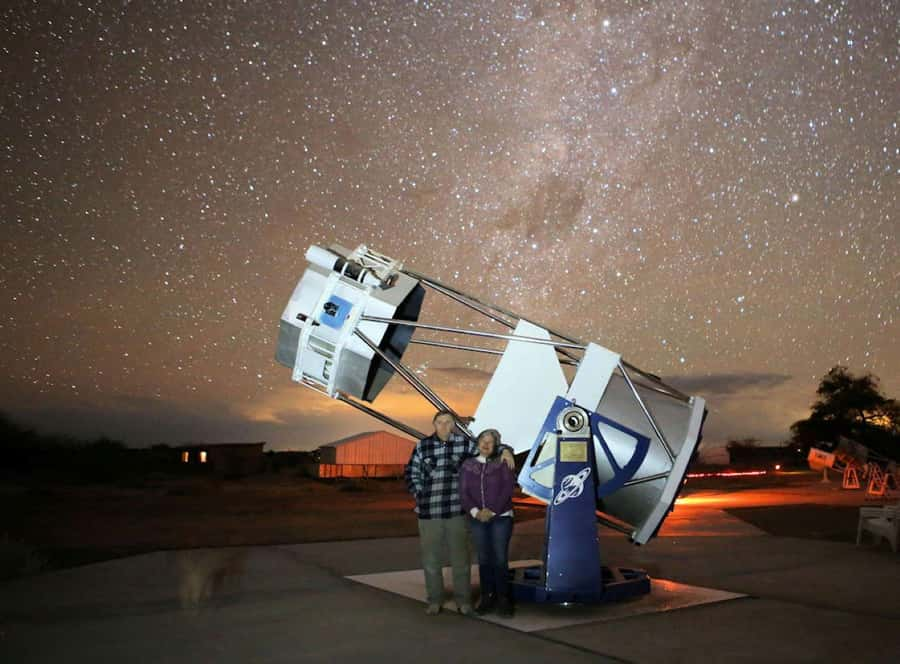
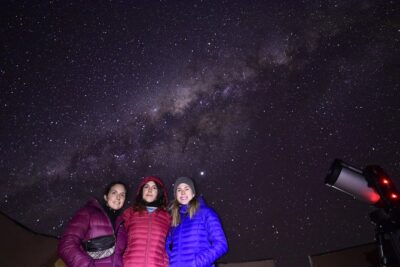
The supplied photographs show a large telescope, but the actual equipment may not match the promotional image. One guest expected the very large telescope shown in the photographs and found that it was not present, although the available telescope was fairly new. Keep your expectations practical: you are paying for access to a working astronomy setup and a guided experience, not a guarantee of one specific instrument.
Guides who make the science approachable
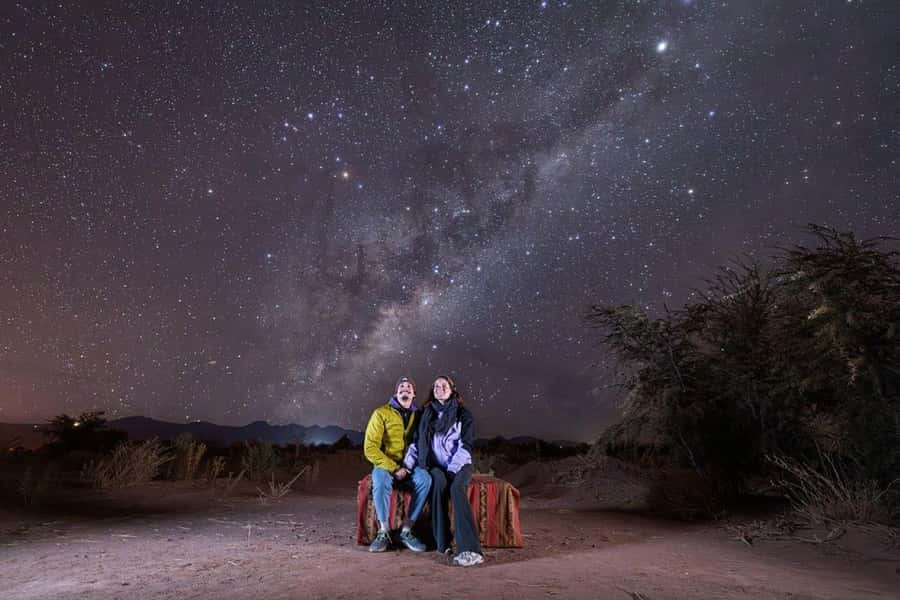
The guide is especially important here. Astronomy can become dry when it is presented as a string of technical terms. This tour relies on bilingual guides who explain the stars in Spanish or English and add mythology, history, and scientific background.
The strongest praise for the evening centers on the guides’ enthusiasm and personality. That matters because you will spend much of the 150 minutes listening, asking questions, and moving between naked-eye viewing and telescope observations. A guide who can explain clearly makes the sky feel inviting instead of distant.
You can expect lessons about constellations, celestial movements, the formation and life cycle of stars, and modern discoveries. The cultural side adds another layer. Ancient communities studied the sky for navigation, agriculture, and storytelling, while modern observatories use the same broad sky to investigate planets, stars, and galaxies.
No guide names are provided for this experience, so I would not book it expecting a particular person. The useful point is the language choice and the style of guiding. If you want a technical lecture delivered only to experienced astronomers, this may feel light. If you want clear explanations with room for curiosity, it is a better fit.
Same corner of Chile, a completely different day out:
- San Pedro de Atacama: El Tatio Geysers Tour
★ 4.7 · 943 reviews - Piedras Rojas, Altiplanics Lagoons & Salar Full-Day Tour
★ 4.7 · 592 reviews - San Pedro Atacama: Baltinache Lagoons
★ 4.6 · 359 reviews - San Pedro de Atacama: Valle de la Luna Guided Tour
★ 4.4 · 312 reviews
Astrophotography with a phone or camera
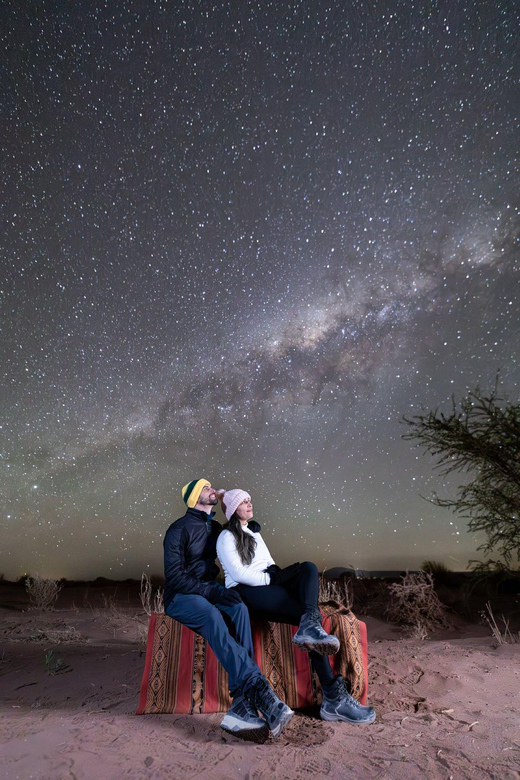
The Atacama offers a strong setting for night photography, and the tour includes guidance for capturing the sky. You can ask for help with a professional camera or a smartphone. That is a practical touch, since many people arrive with a phone but lack the settings needed for a dark sky.
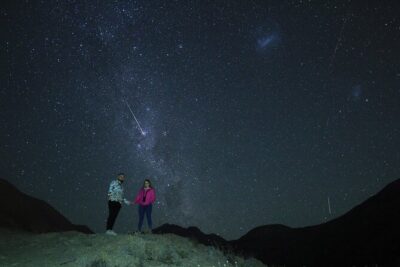
The guides can show you how to frame the stars and preserve the memory of the evening. Two photographs are included, adding a small but useful keepsake to the telescope session. The experience description also promises help taking images of celestial objects, although the exact camera setup and final image style are not specified.
Keep your expectations realistic. Night photography depends on the equipment you bring, your comfort with camera settings, and the sky conditions that evening. A smartphone may record the stars, but it will not necessarily produce the same result as a professional camera. The value lies in getting practical help and leaving with a better idea of how astrophotography works.
Bring your phone or camera if you want to try this part. The supplied information does not state that cameras are provided, so do not assume you can borrow professional equipment.
A drink and a quiet moment under the stars
A cocktail and drinks bar are included. That gives the evening a social pause between the explanations and telescope viewing. The drink is not the reason to book this activity, but it helps make the program feel like a special night out rather than a technical demonstration.
The final moments are meant to be quiet and reflective. After learning about stars, planets, and galaxies, you get time to look across the open desert sky on your own. I like that the tour leaves room for this pause. Astronomy works best when you have a moment to stop listening and simply look.
Atacama nights can feel cool, but the provided details do not specify temperatures or clothing recommendations. Check the conditions before you go and dress sensibly for a late outdoor activity. The tour runs at night, and you may spend time standing outside while waiting for your turn at the telescope.
Is $100 a fair price?
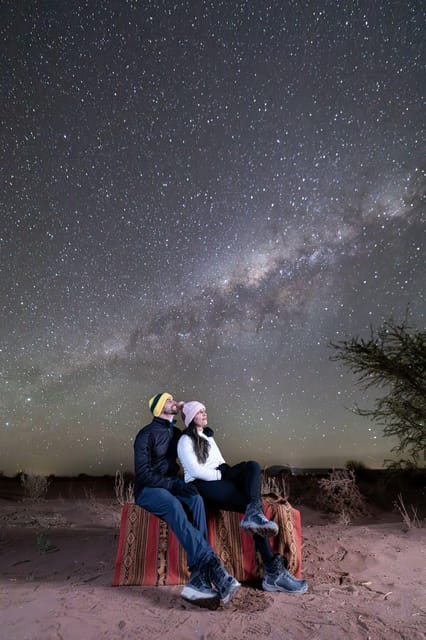
At $100 per person, this is not the cheapest evening activity in northern Chile. The value depends on what you want from it.
You receive a 150-minute guided program, bilingual instruction, telescope access, a drink, two photographs, and return transport to your hotel. The setting is also a major part of the cost. You are paying for an organized astronomy experience in a location known for clear skies, not simply for a short look through a telescope.
I think the price makes sense if you want structure and interpretation. You could look at the sky independently, but you would miss the guide’s explanations, the telescope views, the mythology, and the chance to learn basic astrophotography techniques.
The value is weaker if you already own serious astronomy equipment or expect a giant observatory-style telescope. The actual equipment may be smaller than the large instrument shown in promotional material. You also need to count the cost of your time if pickup coordination is poor.
The flexible booking terms help. You can cancel up to 24 hours in advance for a full refund, and you can reserve now and pay later. Those policies reduce the risk of committing while your Atacama schedule is still changing.
Who will enjoy this night most?
I would recommend this tour to first-time stargazers, couples looking for a memorable evening, families with older children, and anyone who wants an introduction to astronomy without needing prior knowledge. The guides’ enthusiasm appears to be a major strength, and the explanations work for beginners.
It also suits people who want a little more than sightseeing. You are not only looking at a pretty sky. You are learning how to read it, how cultures used it, and how modern science studies it.
Photography fans should find useful material here, especially if they bring a phone or camera and want help with night-sky settings. The two included photographs give you an added record of the outing.
I would be more cautious if you have a strict schedule, dislike late-night pickups, or need exact transport coordination. The scheduled pickup window is already late, and past communication problems led to a long wait. I would also be cautious if your main goal is seeing the exact large telescope shown in the photographs.
Practical advice for a smoother evening
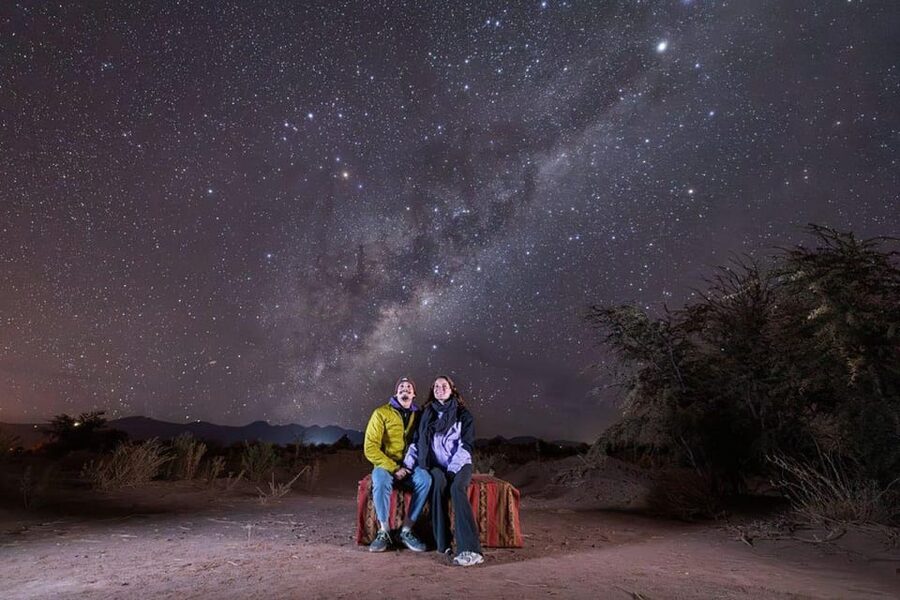
Enter your hotel name and full address when booking. Then confirm the pickup time and location on the day of the tour, since the operator gives the final time between 9:00 and 9:30 p.m.
Keep your phone available for communication. The information supplied does not state a fixed pickup point, and the coordination record is the main weakness of the activity.
Bring a camera or smartphone if astrophotography interests you. Ask the guide for help rather than assuming your usual settings will work in the dark.
Expect the guide to shape the evening. Listen for the links between science, mythology, and daily life. Those explanations are what turn the telescope views into a lasting memory.
Do not judge the tour only by the telescope size. The sky, the guide, and the clarity of the explanations matter just as much as the instrument. At the same time, keep your expectations grounded because the equipment may not match the largest telescope pictured.
Should you book the Atacama astronomy tour?
I would book it if you want an accessible, well-guided night under one of the world’s clearest skies. The best parts are the enthusiastic bilingual instruction, the chance to see celestial objects through a telescope, and the practical photography help. At $100, the package is reasonable for a two-and-a-half-hour program with drinks, photographs, and hotel return transport.
I would not book it without confirming pickup details. That is the one repeated concern, and it can turn a beautiful night into a frustrating wait. I would also choose another option if you require a specific large telescope or a highly polished transport operation.
For most first-time visitors to northern Chile, the strengths outweigh the drawbacks. Confirm the meeting arrangements, bring a phone or camera, and give yourself room in your evening schedule. Then you can focus on the real reward: learning to read the sky above the Atacama.
FAQ
Where does the astronomical tour take place?
The tour takes place in northern Chile, in the Atacama Desert area. The group moves to a location away from Atacama where the stars can be seen more clearly.
How long does the activity last?
The astronomy program lasts 150 minutes, or two and a half hours.
What time does pickup take place?
Pickup is scheduled between 9:00 and 9:30 p.m. The operator confirms the exact time on the day of the tour.
Is hotel pickup included?
Pickup is listed separately as not included. You should provide your hotel name and address and confirm the exact meeting arrangements with the operator.
Is transportation back to the hotel included?
Yes. A return transfer to your hotel is included.
Which languages are available?
The live guide is available in Spanish and English.
Is a telescope included?
Yes. Telescope use is included in the activity.
Can I take astrophotographs?
Yes. The guides provide help with astrophotography using professional cameras or smartphones.
Are photographs included in the price?
Yes. Two photographs are included.
Can I cancel the booking?
You can cancel up to 24 hours in advance for a full refund. You can also reserve now and pay later.
Newest San Pedro De Atacama trips on the site
- Vallecito★ 4.7 · 13 reviews
- San Pedro de Atacama: Valle de la luna★ 3.0 · 3 reviews
- Atacama Desert and Magic Bus Visit★ 4.8 · 15 reviews
- Valle de la Luna: A Moon-Like Escape in Atacama★ 5.0 · 3 reviews
- Valley of the moon★ 5.0 · 50 reviews
- San Pedro de Atacama: Half day Valle de la Luna, Afternoon Tour★ 4.5 · 52 reviews
- Unique 3-Day Tour in San Pedro de Atacama★ 4.5 · 43 reviews
- Piedras Rojas and Altiplanic Tour★ 4.5 · 38 reviews
Stargazing Tours, compared.

Astronomical Tour with Guide and Pick Up San Pedro de Atacama
Read our review →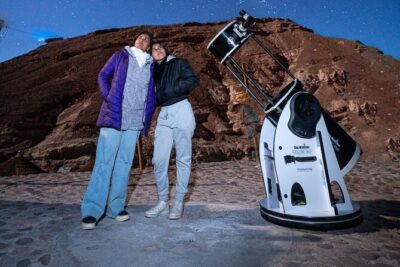
“Astronomical Adventure in San Pedro de Atacama”
Read our review →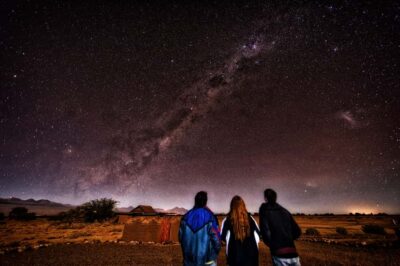
Browse the lists this tour appears in