
Reviewed · SAN PEDRO DE ATACAMA TOURS
San Pedro de Atacama: Wildlife Safari and Photography Tour
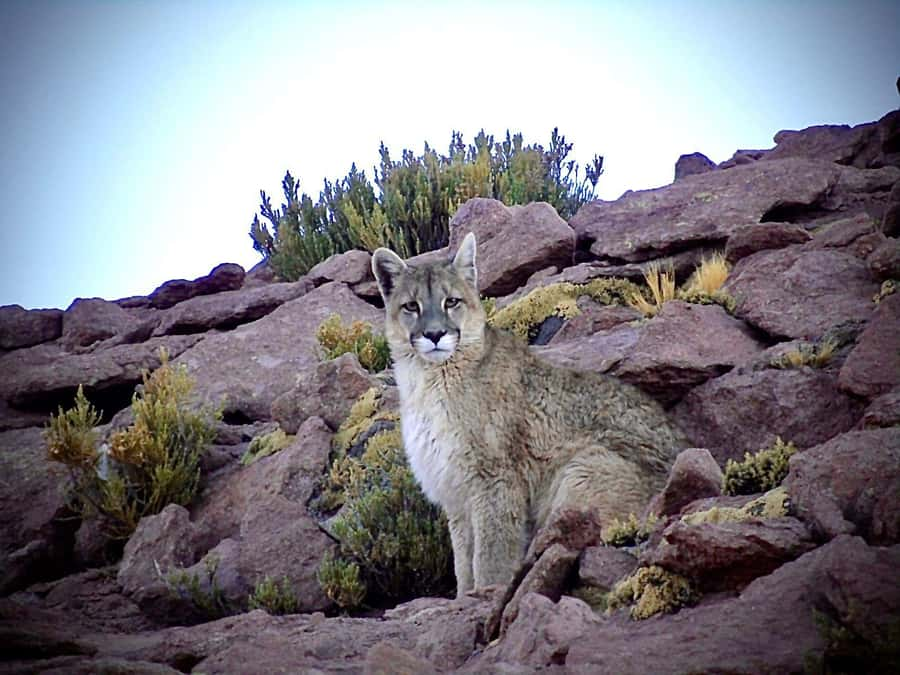
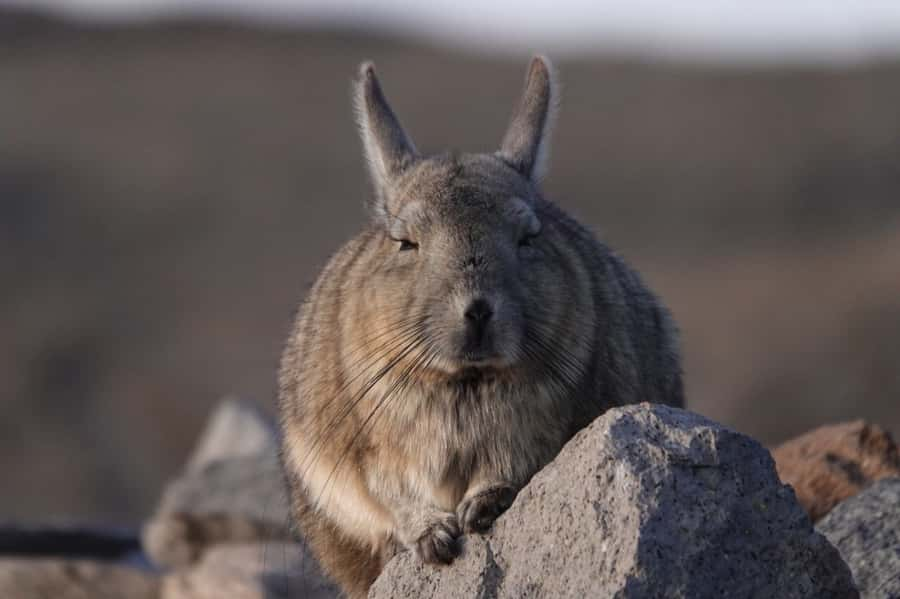
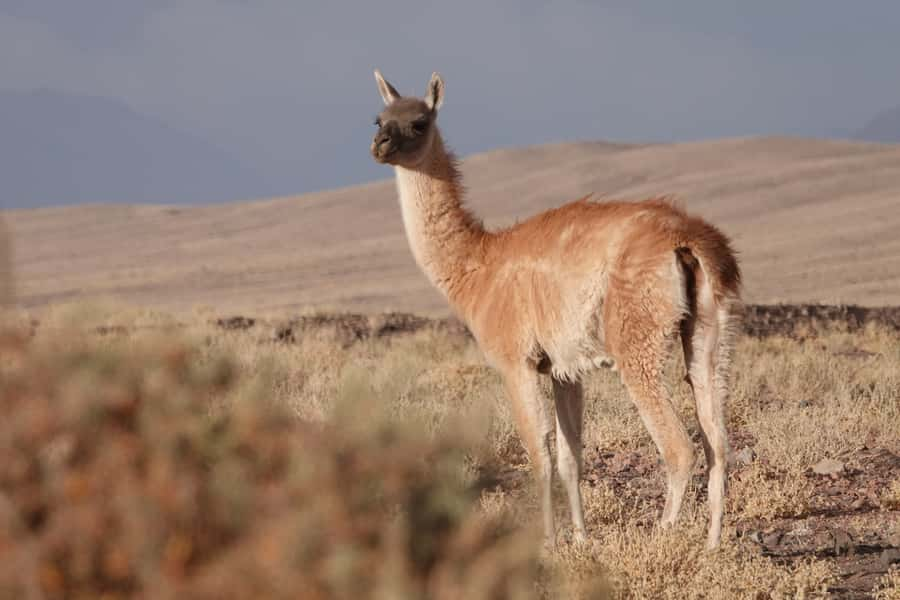
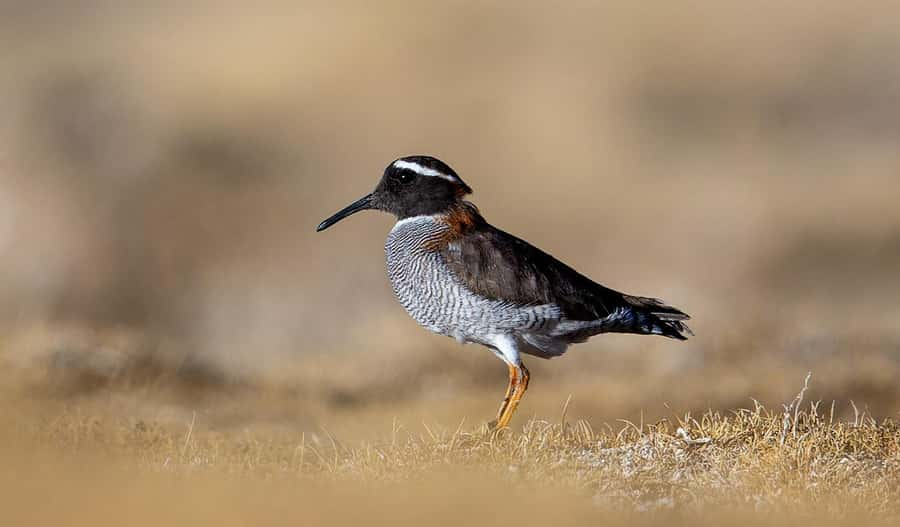
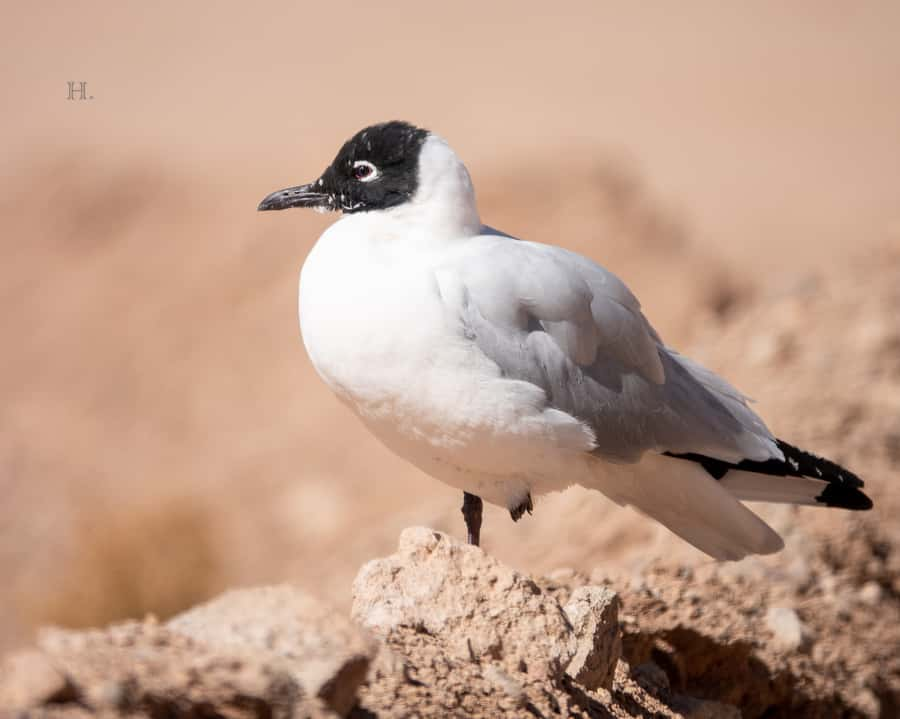
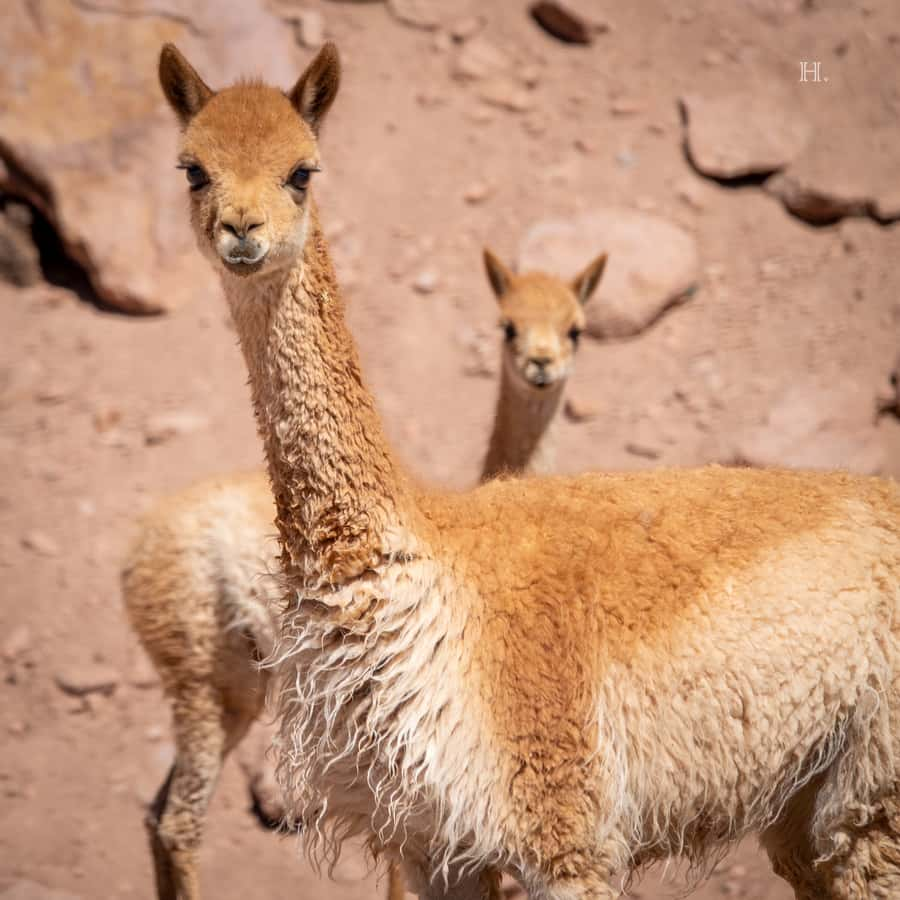
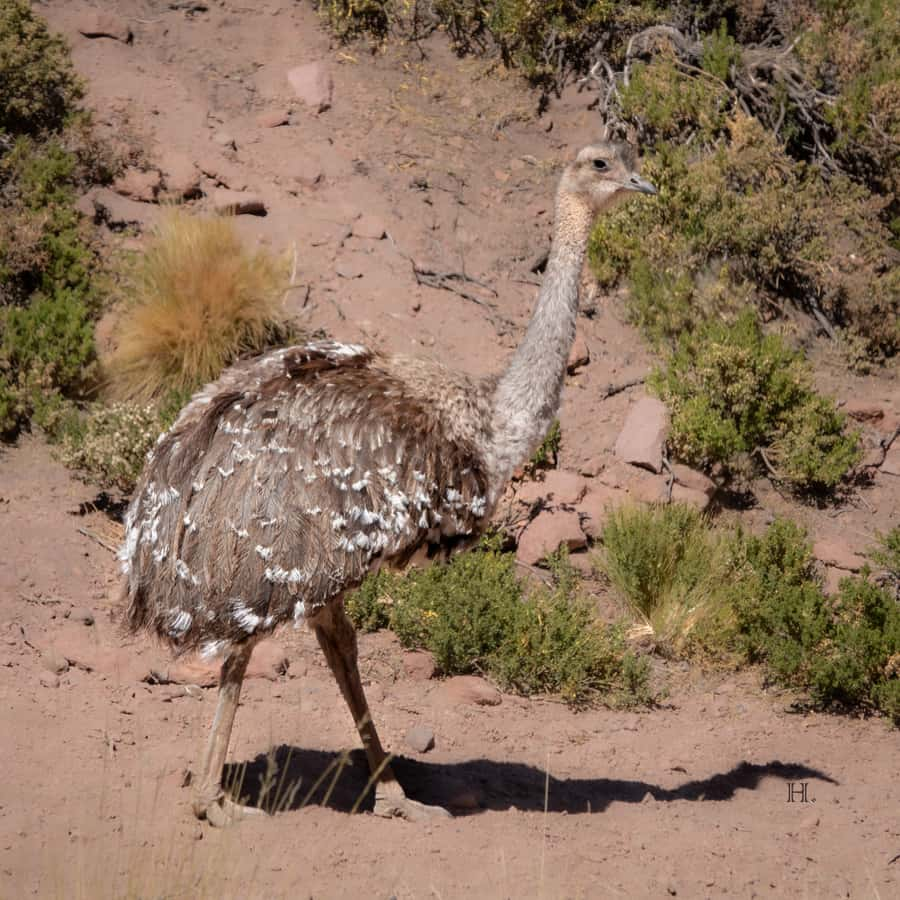
The best part of this Atacama wildlife safari is the chance to see animals in open country with a guide who knows where to look. Juan Pablo, often called Juan, helps you spot creatures that can blend into the rocks, including guanacos, vicuñas, vizcachas, flamingos, and small birds.
I like the small groups of no more than four and the useful photography gear, especially the spotting scopes with phone adaptors. The main consideration is the four-hour limit: you get a strong introduction to the area, but not a full-day wildlife expedition.
Key points at a glance
- Quirquincho Pass wildlife: Search the rocky slopes for guanacos and vizcachas shortly after leaving San Pedro.
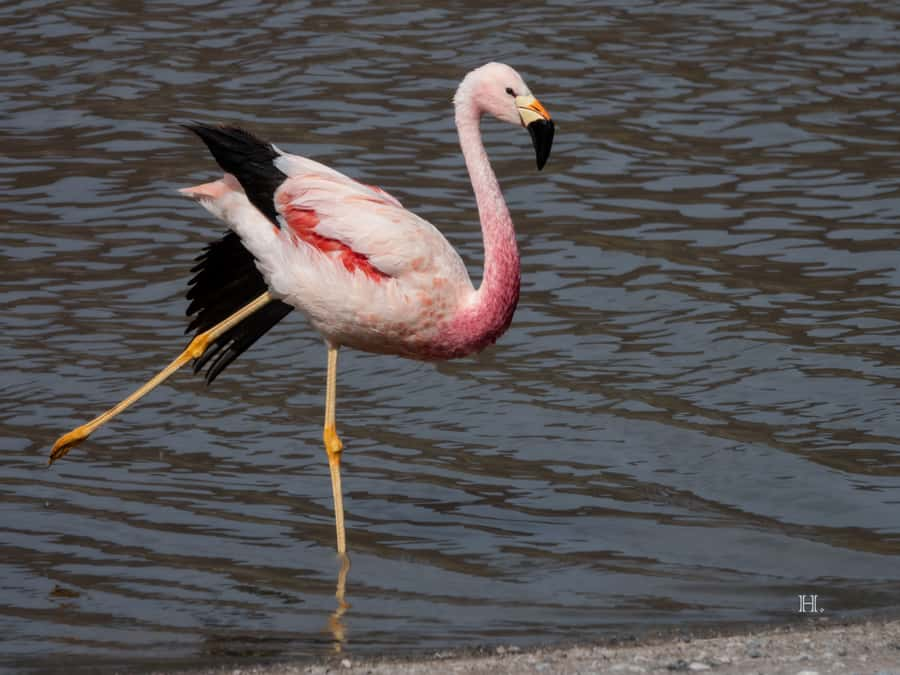
- Machuca wetlands: Take a short walk among bird habitat, with flamingos among the possible highlights.
- Putana Vade lookout: Finish with a broad 360-degree view over a major highland wetland and surrounding volcanoes.
- Built for photographers: Use binoculars, field guides, and a spotting scope fitted with a phone adaptor.
- Personal guiding: Juan Pablo can adjust the outing around your interest in birds, mammals, plants, or photography.
- Quiet group size: With four people or fewer, you have more room to watch, ask questions, and take pictures.
Why this four-hour Atacama outing feels different
San Pedro de Atacama has no shortage of tours, but many are built around famous scenery and a fast run between stops. This one gives wildlife the main role. The volcanoes, saltflats, and wetlands are still part of the show, but you are encouraged to pause and search.
That change in pace matters. A vizcacha may sit in plain sight against a rocky slope, yet you can easily miss it without a trained eye. Juan Pablo has a strong sense of where animals tend to be and can point out details you might otherwise pass over. One useful benefit is that he does not only identify an animal after you see it. He helps you find it in the first place.
The trip is also friendly to different skill levels. You do not need an expensive camera or a long lens to get something from it. The spotting scopes bring animals closer, and the phone adaptor gives you a chance to record what you see through the scope. Binoculars and field guides add another layer for birdwatchers who want help sorting one species from another.
A few more San Pedro De Atacama half-days worth a look
- From Santiago: Safari Park, a wild experience
★ 4.5 · 20 reviews - SAFARI PARK-TOUR RANCAGUA : CHILE
★ 4.5 · 4 reviews
The 45-minute climb to Quirquincho Pass
Pickup is included from your hotel, and the drive to the mountain area takes about 45 minutes. The first main stop is the rocky Quirquincho Pass, where the focus turns to guanacos and vizcachas.
This is a good opening because the terrain itself becomes part of the search. Guanacos may appear against open slopes, while vizcachas can be harder to notice among the rocks. You will want to keep your camera ready, but do not spend the whole time looking through a viewfinder. The guide’s spotting scope is often the better way to locate an animal before trying for a picture.
For photography, the pass offers uncluttered views and natural contrast between stone, sky, and distant peaks. It is less about posed wildlife and more about patience. Animals are not placed beside the road for easy photographs, so the quality of the experience depends partly on how happy you are to wait and scan.
This is also where Juan Pablo’s local experience makes the price easier to understand. You are paying for a guide who can interpret what you are seeing, not simply for transport to a viewpoint. If you are new to wildlife photography, he can help you understand where to aim and how to use the supplied optics.
A short walk through the Machuca wetlands
After Quirquincho Pass, the route continues to the wetlands near Machuca Village. You take a short hike here, with birdlife as the main attraction. Flamingos are among the possible highlights, along with several other bird species.
The walk adds variety to the morning or afternoon. At the pass, you search rocky ground for mammals. At Machuca, you look toward wetland habitat and open water. That change makes the outing feel more like a real wildlife search than a standard scenic drive.
A large flock of flamingos can be the memorable moment, but it is worth paying attention to the smaller birds too. The binoculars and field guides are especially useful here. You can ask Juan to help identify birds you would not recognize on your own, and you have time to watch behavior rather than simply collect a quick photograph.
The hike is described as short, but you still need comfortable shoes. Bring warm clothes even if San Pedro feels mild when you leave. The high country can feel cold, and the outing includes exposed areas with little shelter. A hat and sunscreen are also practical choices.
Machuca Village itself is part of the route. You drive across the village before continuing to the final lookout. The village provides a human touch between the open mountain country and the wetlands, though this tour is centered on wildlife rather than a long cultural visit.
The wide view from Putana Vade
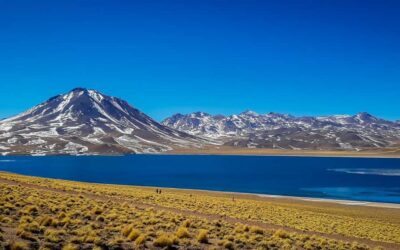
The final main stop is the Putana Vade lookout in the highlands. Here you can relax with a 360-degree view over the region’s largest wetland, surrounded by high volcanoes.
This is the point where the tour’s subjects come together. You have had the chance to search for mammals, walk beside bird habitat, and now step back for a broad view of the setting. The lookout is useful for photographers who want more than close wildlife shots. You can work with distance, scale, and the relationship between wetland and volcano.
The view is also a good reason not to treat the outing as a birding-only trip. Even if an animal stays out of sight for a while, the scenery gives you something worthwhile to study. Depending on the departure time, the light may be especially appealing later in the day. One outing produced golden light near sunset, though you should check the available starting time rather than assume every departure finishes then.
The 360-degree view can be windy and exposed, so keep a warm layer within easy reach. You will appreciate the chance to slow down here, particularly after the searching and short walk earlier in the route.
Same corner of Chile, a completely different day out:
- San Pedro de Atacama: El Tatio Geysers Tour
★ 4.7 · 943 reviews - San Pedro de Atacama: Etno-Stargazing Tour with Transfer
★ 4.8 · 629 reviews - Piedras Rojas, Altiplanics Lagoons & Salar Full-Day Tour
★ 4.7 · 592 reviews - San Pedro de Atacama: Stargazing Experience
★ 4.7 · 489 reviews
How good is the photography support?
The equipment is simple but well chosen for this type of trip. You receive binoculars, a field guide, and a spotting scope with a phone adaptor. That setup helps bridge the gap between casual sightseeing and serious wildlife photography.
The scope is the most useful item for many people. It lets you examine animals at a distance without disturbing them. The phone adaptor can help you capture proof of what you saw, though you should not expect the same results as a professional telephoto lens.
If you already use a camera, bring it. If you only have a phone, you can still take part fully. The tour is suitable for all photography levels because the focus is on finding and understanding wildlife, not on technical camera skill.
I would bring extra phone battery power if you plan to use your phone through the scope, though no battery service is listed as part of the tour. Keep your camera and phone easy to reach. Wildlife sightings can be brief, and a packed bag slows you down.
The best photographs may come from patience rather than equipment. Watch where the guide points, listen for the reason an animal is using a particular area, and take a moment to frame the wider scene as well as the close-up.
What makes the guide important
The guide can make or break a wildlife trip, and this experience puts a bilingual fauna specialist in the field with you. Juan Pablo speaks English, Spanish, and Portuguese, which gives international visitors a useful choice of language.
His role goes beyond naming animals. He can discuss birds, mammals, plants, San Pedro, the Atacama region, and Chile more broadly. He also asks what interests you and can shape the outing around that. If you care most about birds, you can spend more time with the wetland species. If you want a vizcacha photograph, he can focus the search around rocky habitat.
That flexibility is a major advantage of a group limited to four. A larger vehicle full of people usually means more fixed timing and less chance to stop for one person’s interest. Here, you have a better chance to ask questions without holding up a crowd.
The operation also deserves credit for running the trip even when only one person is booked, based on one solo outing. That is not something to assume from every small-group activity. If you end up alone, the experience may feel more like a private nature drive, though the listed price remains $145 per person.
Is $145 a fair price?
At $145 per person for four hours, this is not the cheapest way to see the Atacama. The value depends on what you want from the morning or afternoon.
For a simple transfer to a viewpoint, the price would be hard to justify. But the fee includes hotel pickup and drop-off, a bilingual specialist guide, binoculars, field guides, and a spotting scope with a phone adaptor. The group size is capped at four, and the guide’s ability to locate animals is central to the experience.
The price makes the most sense for you if wildlife is a priority or if you want photographs that are difficult to get independently. A person who already knows the area, owns strong optics, and is content to search alone may prefer a cheaper scenic tour. Someone visiting the Atacama for the first time may find the expert help saves time and improves the odds of seeing more.
The tour also offers a quieter alternative to a crowded sightseeing circuit. You may see few other vehicles in some areas, which helps the experience feel more connected to the highland environment. That quieter pace is part of what you are buying.
Who should book this tour?
This is a strong choice for birdwatchers, wildlife photographers, nature lovers, and anyone who wants to understand the animals of the Atacama rather than only photograph volcanoes. It suits beginners because the guide and optics help you get started, but experienced photographers also have room to work at their own pace.
You should be comfortable with a short hike and outdoor conditions. Wear sturdy, comfortable shoes, warm clothing, a hat, and sunscreen. The tour is not suitable for children under 12.
It may be less suitable if you want a full-day trip, a long cultural visit in Machuca, or a guaranteed list of species. Wildlife is unpredictable. You may see flamingos, vicuñas, guanacos, vizcachas, and many birds, but no responsible guide can promise every animal on every departure.
Booking details worth knowing
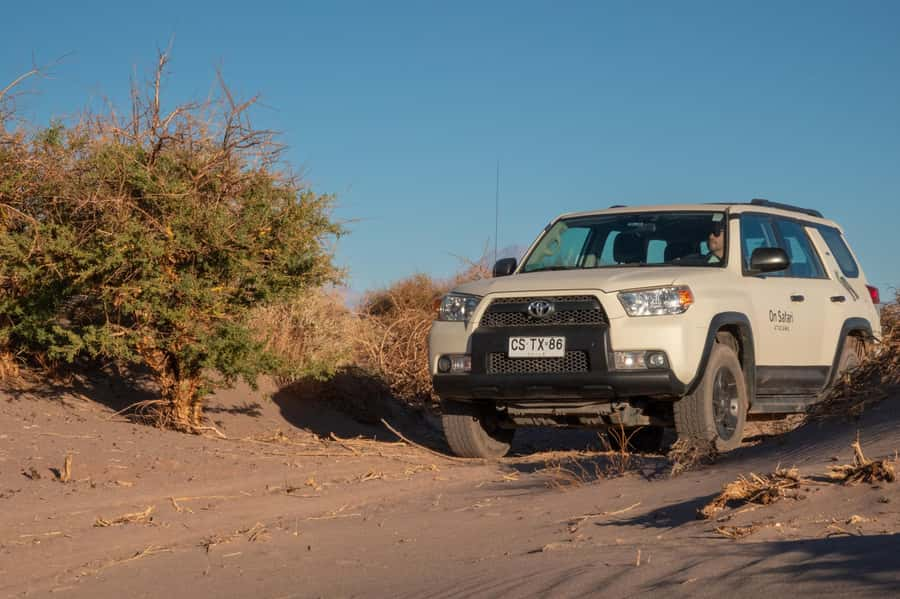
The activity lasts four hours and includes hotel pickup and drop-off through the car company. Starting times vary, so check availability for your date.
You can cancel up to 24 hours before departure for a full refund. Reserve now and pay later if you want to keep your schedule flexible. The live guide service is available in English, Spanish, and Portuguese.
The group limit is four people. That is small enough to keep the guide’s attention focused and to make it easier for everyone to use the spotting scope.
Should you book the Atacama wildlife safari?
Book it if you want a personal search for wildlife, strong mountain views, and time to use optics instead of racing through photo stops. The combination of Quirquincho Pass, Machuca wetlands, and Putana Vade gives you three different settings in four hours.
I especially recommend it if you are frustrated by the thought of missing animals that are right in front of you. Juan Pablo’s ability to locate and explain wildlife is the core reason this trip earns its price. Skip it if your main goal is a long, relaxed cultural tour or a full-day expedition.
For a compact introduction to Atacama fauna, with a small group and practical photography support, this is one of the better targeted outings from San Pedro.
FAQ
How long is the wildlife and photography tour?
The tour lasts four hours.
What animals might I see?
Possible sightings include guanacos, vicuñas, vizcachas, flamingos, and other bird species.
Where does the tour go?
The route includes Quirquincho Pass, the wetlands near Machuca Village, Machuca itself, and the Putana Vade lookout.
Is hotel pickup included?
Yes. Hotel pickup and drop-off are included.
What photography equipment is provided?
The tour provides spotting scopes with phone adaptors, binoculars, and field guides covering fauna and birds.
What languages are available?
The live guide service is available in English, Spanish, and Portuguese.
How many people can join the tour?
The group is limited to four participants.
Is the tour suitable for children?
No. The activity is not suitable for children under 12.
Newest San Pedro De Atacama trips on the site
- Vallecito★ 4.7 · 13 reviews
- Atacama Desert and Magic Bus Visit★ 4.8 · 15 reviews
- San Pedro de Atacama: Valle de la luna★ 3.0 · 3 reviews
- Valle de la Luna: A Moon-Like Escape in Atacama★ 5.0 · 3 reviews
- Valley of the moon★ 5.0 · 50 reviews
- San Pedro de Atacama: Half day Valle de la Luna, Afternoon Tour★ 4.5 · 52 reviews
- Unique 3-Day Tour in San Pedro de Atacama★ 4.5 · 43 reviews
- Moon Valley Tour from San Pedro de Atacama★ 4.0 · 59 reviews
San Pedro de Atacama Tours, compared.
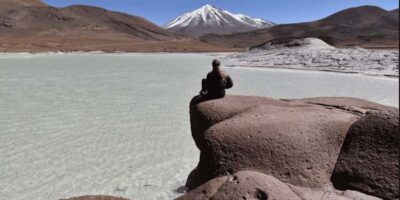
Piedras Rojas, Altiplanics Lagoons & Salar Full-Day Tour
Read our review →
Triple tour: Red stones, highland lagoons and Chaxa Lagoon
Read our review →Browse the lists this tour appears in