
Reviewed · GEYSER TOURS
Tatio Geysers Tour: San Pedro de Atacama
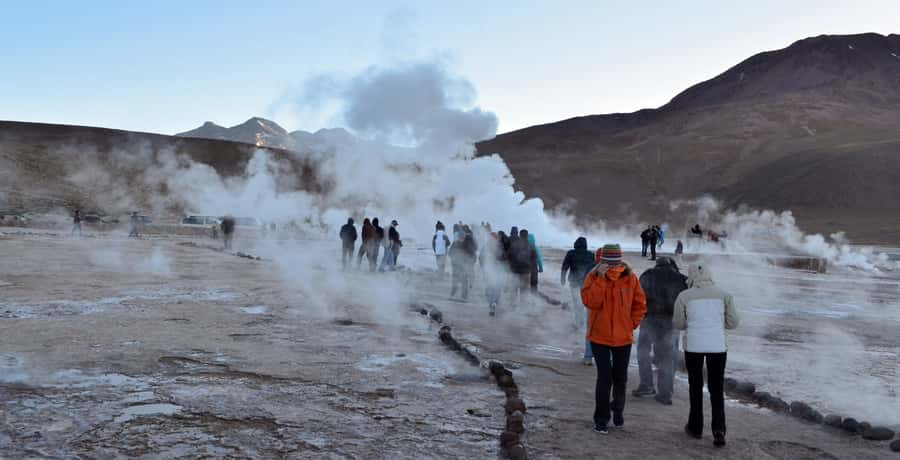
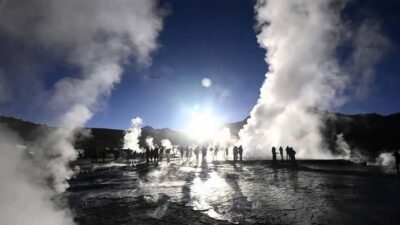
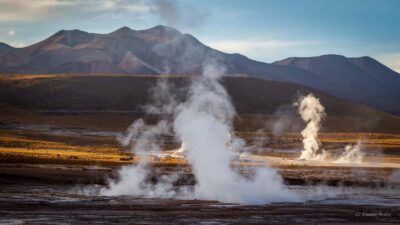
El Tatio is at its most dramatic in the cold early morning, when steam rises from the ground at 4,320 meters above sea level and the geothermal field reaches temperatures of up to 85 C. I like this tour for its two-hour visit at the geysers and for the chance to see vicuñas, llamas, rheas, vizcachas, giant cacti, and llaretas along the return route.
The main caution is altitude. This is not a gentle outing from San Pedro, and the cold before sunrise can be severe. I would schedule it on your second day, or near the end of your stay, rather than making it your first activity.
Key points to know
- El Tatio before breakfast: The geyser field is most active at dawn, before the day warms up.
- High-altitude conditions: The tour reaches 4,320 meters, so allow time to adjust in San Pedro first.
- Wildlife on the return: Keep watch for vicuñas, llamas, rheas, and vizcachas in the Altiplano.
- A real extra cost: The $52 tour price does not include the 15,000 Chilean peso entrance fee, payable in cash.
- Machuca and Laguna Salada: You pass the small herding village of Machuca and visit an area where flamingos, ducks, and seagulls may be seen.
- Small-group flexibility: The agency needs at least six people and may combine your group with another local operator.
Why dawn is the right time at El Tatio
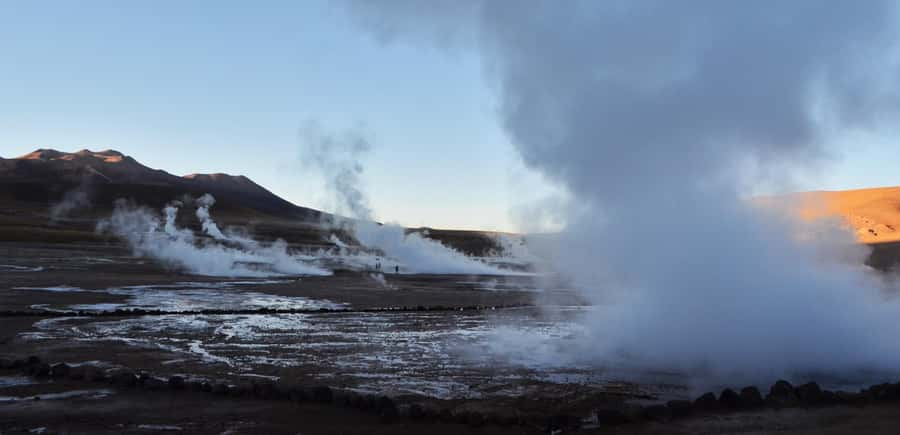
El Tatio, from the Kunza word tata-iu, meaning the crying grandfather, is one of the highest geyser fields in the world. It is also described as the largest group of geysers in the Southern Hemisphere and the third largest worldwide, after Yellowstone in the United States and Dolina Giezerow in Russia.
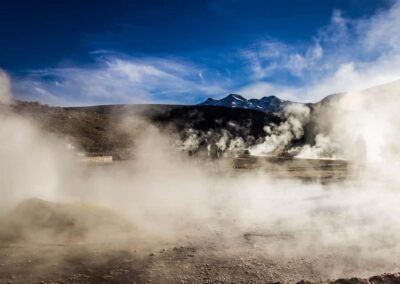
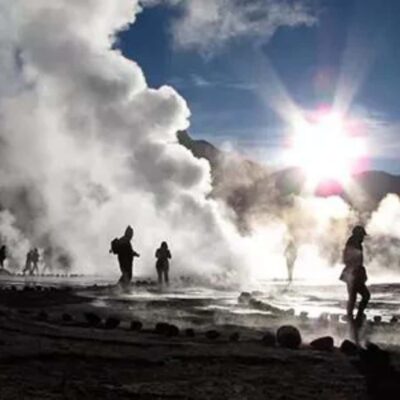
The timing matters. At dawn, the difference between the freezing air and the hot geothermal water creates thick columns of steam. You will see fumaroles, steaming vents, and mineral-streaked ground in a setting that feels spare and remote.
I like that the main visit lasts about two hours. That gives you time to walk through the geothermal field with a guide rather than making a rushed photo stop. The guide speaks English or Spanish, and the service has received particularly strong praise for clear explanations, careful organization, and friendly hosting. If Ernesto is your host, you can expect the same personal guide-and-driver role that has earned him specific praise.
Do not expect a warm, leisurely morning. The tour leaves San Pedro early enough to reach the field when it is most active, and the first part of the day can be bitterly cold. Bring a proper jacket, layers, closed-toe shoes, a hat, water, and sunscreen. The sun becomes powerful quickly at this altitude.
More El Tatio geyser runs:
- San Pedro de Atacama: El Tatio Geysers Tour
★ 4.7 · 943 reviews - From San Pedro de Atacama: El Tatio Geyser Field & Wetlands
★ 4.5 · 141 reviews - Full Day Tour to Geyser del Tatio, Vado Putana and Machuca
★ 5.0 · 134 reviews
The long climb from San Pedro to the geysers
The route begins with pickup in San Pedro de Atacama. Pickup can take around 30 minutes because the minibus collects people from several accommodations. You need to wait at your hotel reception or lobby, unless your accommodation is outside town. In that case, arrange a central meeting point in advance.
The ride is shared in a minibus, not a private car. The journey includes roughly 40 minutes of driving followed by another 1.5 hours before reaching El Tatio. The total road time is part of the price and also part of the experience, since the route carries you from the desert town into the high Andes.
At 4,320 meters, the altitude is the serious issue. You may feel the thin air through tiredness, a headache, or shortness of breath. The tour is not suitable for children under 12, pregnant women, people with heart problems, wheelchair users, or people over 80. Those restrictions do not mean every younger, healthy person will have trouble, but they do underline the need to take the setting seriously.
I would spend at least one day in San Pedro before booking this outing. The operator specifically recommends doing it on your second day or at the end of your visit. That is sensible advice, especially if you have arrived from a much lower altitude.
Two hours among El Tatio’s steaming vents
The guided visit to El Tatio lasts about two hours. This is the heart of the morning, and the geothermal field deserves more than a quick stop for a few photographs.
You will see steam rising from vents and hot water moving through the ground. The cold air makes the steam easier to see, which is why the early start is worth the effort. The field’s appearance can change from one viewing point to another, so follow the guide and stay within the designated areas.
Use caution here. Hot ground and water are not harmless just because the scenery looks calm. Stay with the group and follow the guide’s directions. Drones are not allowed, so plan to use a phone or camera from ground level.
The guide-driver arrangement also matters. One person handles both the road and the visit, rather than a separate large tour staff. A strong guide can add useful context and keep the morning moving. The two highest-rated comments specifically praise the explanations, organization, and the host Ernesto, so this is one of the tour’s best features when the right guide is on duty.
Breakfast after the cold morning
After El Tatio, the minibus drives for about 20 minutes to an unnamed breakfast stop. Breakfast is included and served on the road, which is welcome after a pre-dawn departure.
This is not presented as a restaurant meal or a long café break. Think of it as a practical stop that lets you warm up, eat, and regain energy before the remaining visits. Since the itinerary does not list the exact menu, I would not book this tour for a particular breakfast dish.
The timing is useful. Eating after the geyser visit means you do not have to carry a full meal into the geothermal field, and it gives the group a natural break before the wildlife and village stops. Keep your water with you, though. Breakfast does not replace the need to stay hydrated at high altitude.
A few more San Pedro de Atacama half-days worth a look
- San Pedro de Atacama: Etno-Stargazing Tour with Transfer
★ 4.8 · 629 reviews - Piedras Rojas, Altiplanics Lagoons & Salar Full-Day Tour
★ 4.7 · 592 reviews - San Pedro de Atacama: Stargazing Experience
★ 4.7 · 489 reviews - San Pedro Atacama: Baltinache Lagoons
★ 4.6 · 359 reviews
Vado de Putana and the Altiplano wildlife
The return route includes a stop at Vado de Putana, along with other short guided and photo stops. The exact order can vary, and some stops are described only as secret stops, so you should expect a flexible roadside program rather than a fixed museum-style schedule.
This is where the tour broadens beyond geysers. The Altiplano has tough, low-growing vegetation adapted to cold, dry conditions. Look for giant cacti, llareta, and coirón grass. These plants help you read the setting: this is not simply an empty desert, but a high mountain environment with its own plant life.
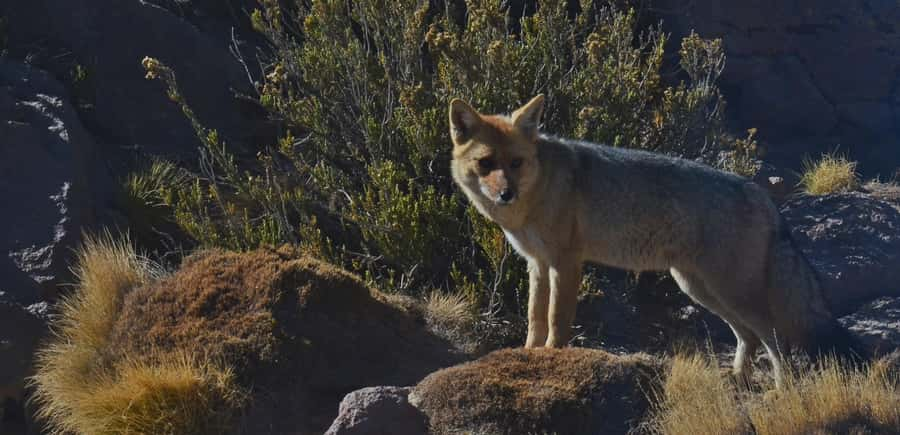
Wildlife sightings are possible on the return. You might see vicuñas, llamas, rheas, or vizcachas. None is guaranteed, and the animals may be some distance from the road, so binoculars could be useful if you have room for them. The value here is the chance to observe living things in their natural surroundings, not a formal animal encounter.
The short stops also keep the long drive from feeling like one unbroken ride. You can step out, take photographs, listen to the guide, and see the scenery from a new angle. Still, anyone expecting a full wildlife safari should set expectations lower. This is a geyser tour with Altiplano wildlife viewing along the way.
Machuca, a small village with a working life
The route passes in front of Machuca, a small ancestral town with only a few inhabitants. Local families are mainly involved in herding and cheese production.
That detail gives the stop more meaning than a simple scenic pullout. Machuca is connected to daily work in a difficult environment. The village offers a glimpse of rural life in the high desert, where grazing and food production remain important.
The itinerary includes a viewpoint and a guided stop, but it does not promise a long village visit. You may mainly see Machuca from the road or a viewing area. That is worth knowing if you want an extended cultural visit. The attraction here is the brief context and the setting, not a full village tour.
Keep your camera ready, but give the place more than a quick photograph if the guide provides an explanation. A small settlement such as Machuca can tell you more about the region than a polished visitor center, precisely because it remains tied to local work.
Laguna Salada and high-desert birdlife
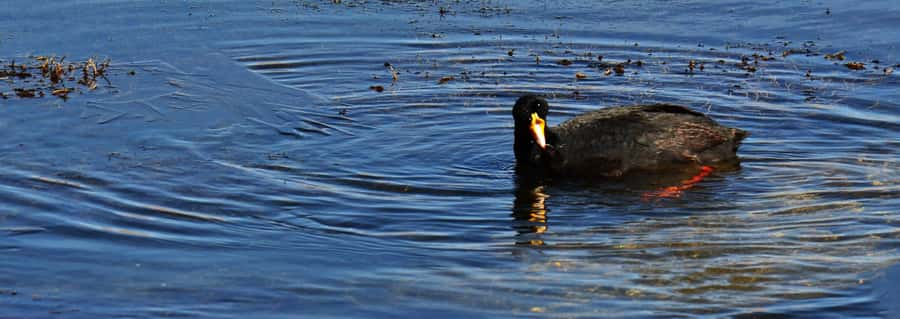
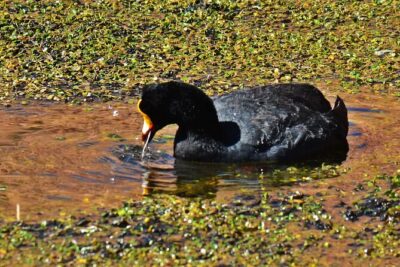
Close to Machuca is Laguna Salada, where families of flamingos, ducks, and seagulls live. The lagoon adds water and birdlife to a route otherwise defined by rock, steam, grass, and open sky.
Bird sightings depend on conditions and distance, so do not treat them as guaranteed. Still, the stop is a useful reminder that the Atacama region is not uniformly dry. Small water sources can support birds and create important habitat in an otherwise harsh place.
The views around the lagoon are broad and exposed. Bring sunscreen and a hat even if the morning begins cold. At high altitude, sunlight can feel intense once the sun is up. Closed-toe shoes are also a good idea because the stops take place outdoors rather than on smooth city pavements.
What the $52 price really includes
At $52 per person, the tour offers a practical way to reach a remote high-altitude site without arranging separate transport. The price includes hotel pickup from accommodations in town, shared minibus transportation, an English- or Spanish-speaking driver-guide, breakfast, and drop-off in central San Pedro.
The entrance ticket is extra: 15,000 Chilean pesos per person, payable in cash. Add that amount when comparing this tour with other El Tatio options. The real cost is the advertised price plus the park entrance, not $52 alone.
I see good value here if you want one organized morning covering the geysers, breakfast, wildlife areas, Machuca, and Laguna Salada. A private vehicle would offer more control, but this shared option keeps the cost lower. The tradeoff is less control over departure timing, photo stops, and the pace of the group.
The agency operates with a minimum of six people. If it does not reach that number, it may join your booking with another local agency. That can change the vehicle or guide, so keep your plans slightly flexible. The upside is that your tour is less likely to depend on a large, fixed operator.
Who will enjoy this tour most
I would recommend this outing to you if El Tatio is a priority and you want more than a geyser-only visit. The return route gives you wildlife, plants, a village viewpoint, bird habitat, and several short stops without requiring you to organize the day yourself.
It suits travelers who are comfortable with an early start, shared transport, cold weather, and high altitude. It is also a good fit if you value a guide who explains what you are seeing. The specific praise for organization and detailed explanations makes the guide a major part of the experience.
I would be cautious if you are still adjusting to San Pedro, have a heart condition, need wheelchair access, or dislike long minibus rides. The tour lasts seven hours, but only two hours are spent at the geyser field. Much of the day involves driving because El Tatio is far from town.
Free cancellation up to 24 hours before departure and the reserve-now, pay-later option make it easier to place this tour later in your schedule. I would still check the pickup arrangement carefully, especially if your hotel is outside San Pedro’s central area.
Should you book the El Tatio morning tour?
Book it if you want the classic dawn geyser experience plus a useful sample of the high Andes. The strongest reasons are the two-hour guided visit, the chance to see Altiplano plants and animals, and the added stops at Putana, Machuca, and Laguna Salada.
Skip it, or choose a different arrangement, if you are not ready for 4,320 meters or if you want a private and slower-paced day. For most healthy visitors who spend time adjusting in San Pedro, this is a good-value way to reach one of the region’s most unusual sights. Just budget for the 15,000 Chilean peso entrance fee, dress for freezing dawn temperatures, and save it for your second day or later.
FAQ
How long does the Tatio Geysers tour last?
The tour lasts about seven hours, including transportation, the two-hour guided visit at El Tatio, breakfast, and the return stops.
How high is El Tatio?
El Tatio is approximately 4,320 meters above sea level.
Is the entrance fee included in the tour price?
No. The entrance ticket costs 15,000 Chilean pesos per person and must be paid in cash.
What languages does the guide speak?
The live guide service is available in English and Spanish.
Is hotel pickup included?
Pickup is included for hotels in the town of San Pedro de Atacama. You must wait at reception or in the lobby. If your hotel is farther from town, you need to arrange a central pickup point in advance.
What should I bring?
Bring a sun hat, sunscreen, water, a jacket, weather-appropriate clothing, and closed-toe shoes. Drones are not allowed.
Newest San Pedro de Atacama trips on the site
- Vallecito★ 4.7 · 13 reviews
- San Pedro de Atacama: Valle de la luna★ 3.0 · 3 reviews
- Atacama Desert and Magic Bus Visit★ 4.8 · 15 reviews
- Valle de la Luna: A Moon-Like Escape in Atacama★ 5.0 · 3 reviews
- Valley of the moon★ 5.0 · 50 reviews
- San Pedro de Atacama: Half day Valle de la Luna, Afternoon Tour★ 4.5 · 52 reviews
- Unique 3-Day Tour in San Pedro de Atacama★ 4.5 · 43 reviews
- Moon Valley Tour from San Pedro de Atacama★ 4.0 · 59 reviews
Geyser Tours, compared.
Full Day Tour to Geyser del Tatio, Vado Putana and Machuca
Read our review →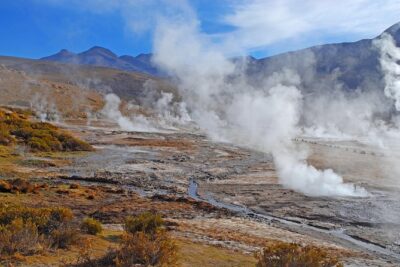
El Tatio Geysers Tour from San Pedro de Atacama
Read our review →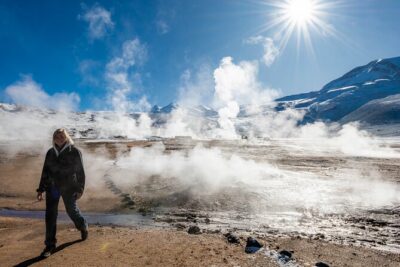
Guided tour to the Tatio Geyser breakfast at Geyser Blanco
Read our review →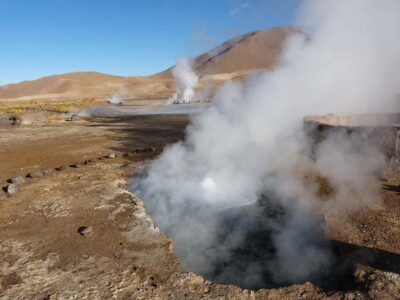
Browse the lists this tour appears in