
Reviewed · STARGAZING TOURS
Milky Way Sanctuary Stargazing Tour at Pangue Observatory
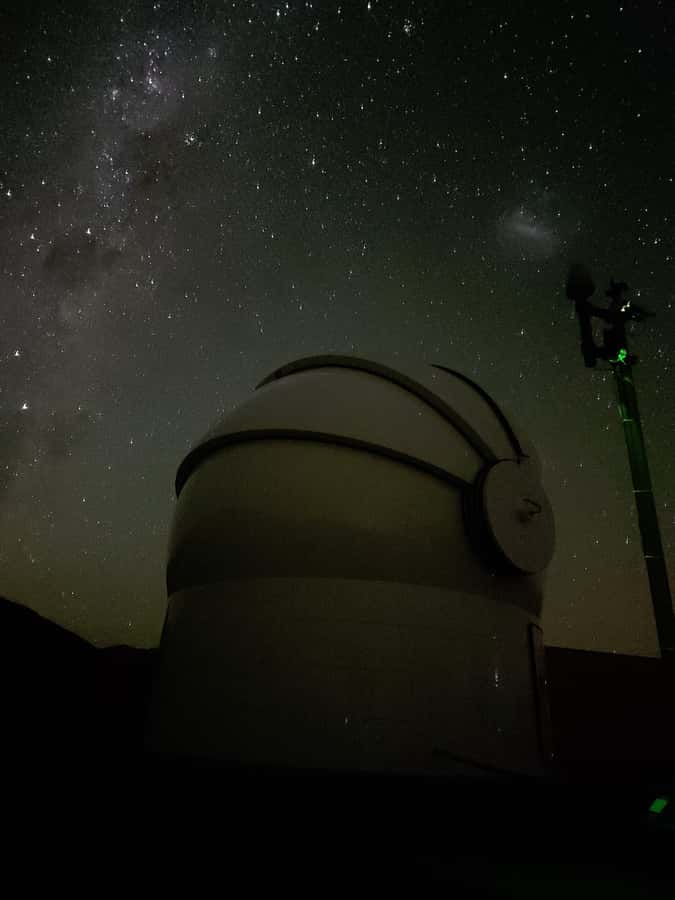
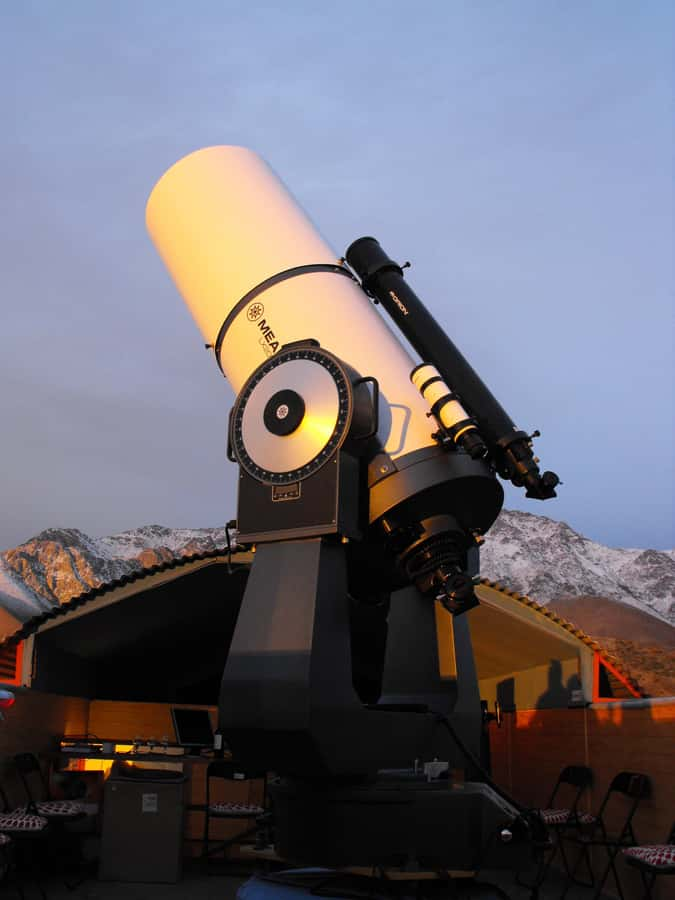
Pangue Observatory puts you beneath some of the clearest southern skies on Earth, with the Milky Way, planets, nebulae, and star clusters viewed through 16-inch and 25-inch telescopes. I like the small group of no more than eight, and I like the rare location across from major research observatories, including Gemini and the future Vera Rubin Observatory. The main catch is timing: the tour does not run close to the full moon, and same-day spaces can be scarce.
I also appreciate the practical comforts. You get pickup in La Serena, a stop in appealing Vicuña, a small coffee area, and free coffee, water, or tea at Pangue. The six-hour outing is a long evening, but the drive and the careful telescope time make this feel like a serious astronomy experience rather than a quick look through a backyard telescope.
Key points to know before booking
- The observatory sits 1,500 meters above sea level in the Elqui Valley, beneath the Gabriela Mistral Dark Sky Sanctuary.
- The telescope choice is a major strength: Pangue uses advanced 16-inch and 25-inch instruments with specialized eyepieces.
- You can view more than 10 celestial objects, including planets, nebulae, galaxies, clusters, massive blue stars, red dwarfs, and supernova remnants.
- The group is limited to eight people, giving you more time to ask questions and take your turn at the telescope.
- The route includes Vicuña and sunset scenery, not just a ride straight to the observatory.
- Book at least 24 hours ahead and avoid dates near the full moon for the darkest possible sky.
Why Pangue is a serious place for stargazing
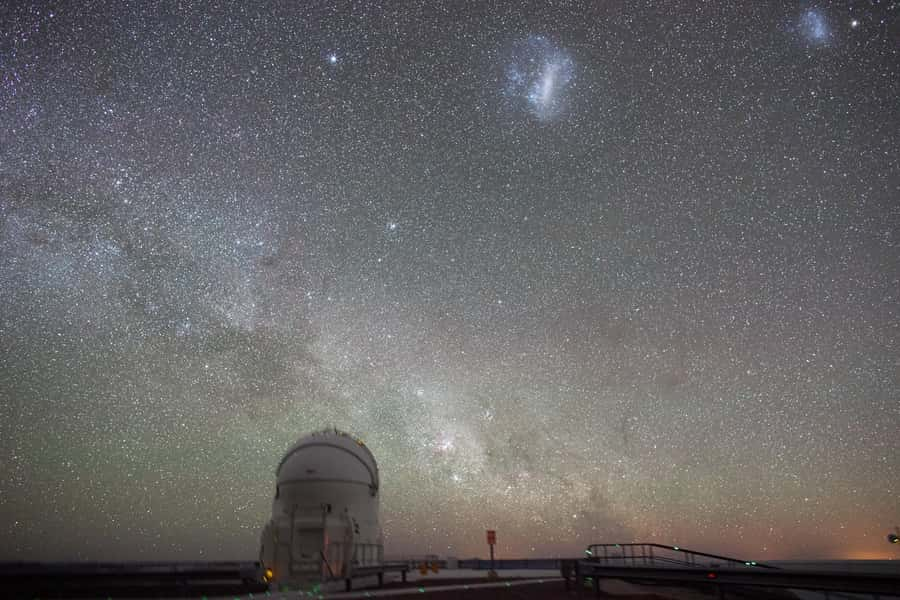
The Elqui Valley is famous for its dry air, clear skies, and low light pollution. Pangue Observatory sits in the pre-Andean mountains at about 1,500 meters, within the area protected by the Gabriela Mistral Dark Sky Sanctuary. Those details matter because astronomy depends on more than a powerful telescope. Dry, transparent air helps keep distant stars from looking blurred, while limited artificial light lets you see far more of the night sky.
Pangue also faces several major observatories. Across the valley are Tololo, SOAR, Gemini, and the site associated with the Vera Rubin Observatory, whose enormous digital camera is designed for wide surveys of the universe. You are not touring those research facilities, but their presence gives you useful context. This is a working astronomical region, not simply a scenic hill with a telescope.
The view begins before darkness. As you climb toward Pangue, the road opens to broad mountain scenery and the Elqui Valley below. The sunset portion gives you time to see the setting before the main event begins. Once the sky darkens, the same open surroundings help you understand why observatories are built far from cities.
More Stargazing Tours in Chile:
- San Pedro de Atacama: Etno-Stargazing Tour with Transfer
★ 4.8 · 629 reviews - San Pedro de Atacama: Stargazing Experience
★ 4.7 · 489 reviews - Santiago: Sky Costanera Observatory Admission Ticket
★ 4.3 · 208 reviews
Leaving La Serena for the Elqui Valley
The tour starts with pickup at your accommodation in La Serena or nearby surroundings. You need to wait at the reception area, so be ready before the stated departure time. The drive to Vicuña takes about an hour, giving you a gradual change from the coastal city to the dry mountain valley.
This transfer is useful rather than wasted time. It links the astronomy visit with the Elqui Valley, and it keeps you from having to arrange a separate taxi or rental car for a remote evening outing. The vehicle cannot be used for alcoholic drinks, so plan on a calm, practical ride to and from the observatory.
The distance is also the main logistical tradeoff. A six-hour tour includes roughly two hours of driving between La Serena and the valley, plus the local movement around Vicuña and Pangue. If you want a very short activity close to town, this is not the right choice. If you want access to a darker, higher site without driving yourself at night, the transfer is part of the value.
A short stop in Vicuña
The group has about 15 minutes in Vicuña for a break and free time. This is brief, so think of it as a chance to stretch your legs and get a quick look at the town rather than a full sightseeing visit.
Vicuña adds a pleasant human pause to an otherwise technical evening. The valley town has a different feel from La Serena, and the stop breaks up the outward journey before you continue toward the mountains. Still, keep your expectations in check. Fifteen minutes is not enough for a museum, long meal, or extended walk.
The return route includes about 30 minutes of bus travel through Vicuña before the final hour back to La Serena. That timing makes the stop more practical as a rest break than as a major destination.
Sunset at Pangue Observatory
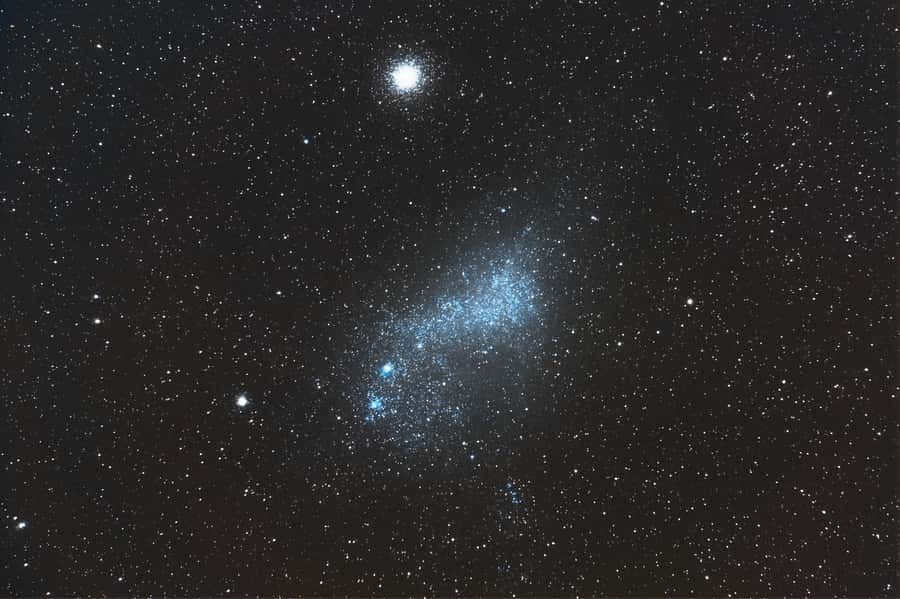
The Pangue visit lasts about two and a half hours and includes the guided tour, sunset, scenic views, and stargazing. Arriving before full darkness is a real advantage. You can see the setting, the mountain surroundings, and the observatory area before focusing on the sky.
Pangue has a small coffee area with comfortable seats. Free coffee, water, and tea are available, which is welcome during a long night at altitude. These are simple touches, but they matter because the observation period is not a quick ten-minute stop. You will spend time waiting for different objects, listening to explanations, and taking turns at the eyepiece.
Bring comfortable clothes and a long-sleeved shirt. Even if La Serena feels mild, the mountain setting can feel cooler after sunset. The supplied information does not specify temperatures or provide heavy clothing, so you should dress in layers rather than count on the observatory to supply extra warmth.
Same corner of Chile, a completely different day out:
- Santiago: Cajon del Maipo/Embalse del Yeso Tour with Picnic
★ 4.3 · 3,789 reviews - Santiago: Vina Del Mar, Valparaiso, Casablanca & Reñaca Tour
★ 4.2 · 2,838 reviews - Small-Group Cajón del Maipo Full-Day Tour and Picnic
★ 4.5 · 2,277 reviews - Santiago: Cajon del Maipo & Embalse El Yeso Trip with Picnic
★ 4.5 · 1,859 reviews
What you can see through the telescopes
The central promise here is the chance to view more than 10 stellar objects through advanced equipment. The exact mix changes with the season, the time of night, and the position of the sky, but the planned range includes planets, nebulae, star clusters, galaxies, massive blue stars, red dwarfs, and supernova remnants.
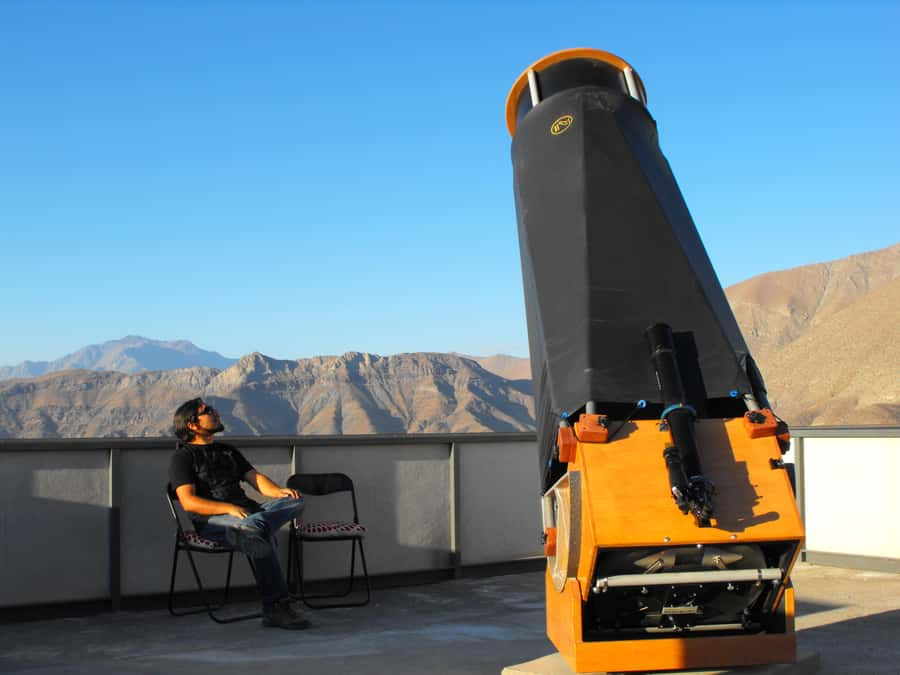
The 16-inch and 25-inch telescopes gather far more light than a small household telescope. That helps show faint objects and gives bright objects more detail. The eyepieces are also important. A telescope does not provide one fixed view, so different eyepieces help the guide choose a useful magnification for a planet, cluster, or distant cloud of gas.
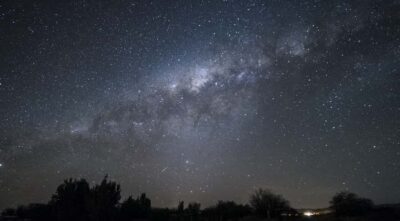
The southern sky is another reason this outing is special. From Chile, the center of the Milky Way is well placed for viewing, and Pangue offers a chance to study the dense star fields around our galaxy’s heart. A guide can also point out objects that are difficult or impossible to see from many northern locations.
The experience is not limited to the most famous planets. Recent observations included Mars, Saturn, and Jupiter, along with a supernova and a dying star. Those examples show the range of the session: familiar bright planets can be followed by faint, strange objects that need a careful explanation.
You should not expect every object to look like a colorful space photograph. Telescope views are usually subtler than images produced by long-exposure cameras. The reward is seeing the actual light from a distant object through the eyepiece, with a guide explaining what it is and why it matters.
Why the group limit of eight helps
The tour is limited to eight participants. That is a useful number for astronomy because telescope time has to be shared. A large crowd can turn an observatory visit into a line, with little chance to ask questions. A group of six, for example, leaves more room for each person to look carefully and speak with the guide.
The small format also makes the evening easier to personalize. If you are new to astronomy, you can ask basic questions without feeling rushed. If you already know the difference between a nebula and a cluster, you can ask for more detail about the objects being viewed.
A recent departure led by Cristobal was praised for clear explanations, considerate help, and careful driving. The observatory team also received strong marks for explaining the objects well. Guide quality matters here because the telescope is only half the experience. You need someone who can identify what you are seeing and connect a tiny point of light to a much larger story.
English, French, and Spanish tours are available. Confirm your preferred language when booking, especially if the astronomy explanations are an important part of your decision.
Moon timing, darkness, and the booking calendar
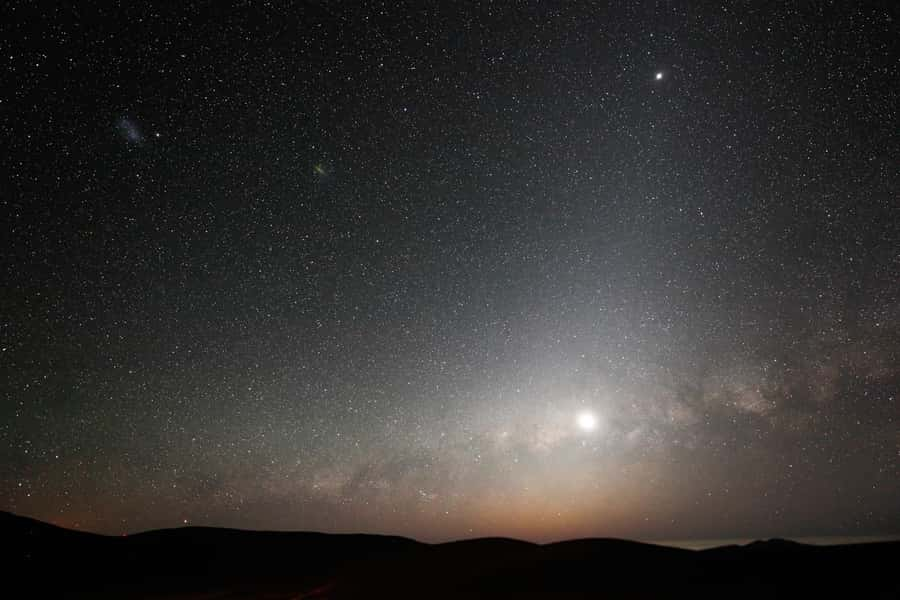
The tour is not offered on nights close to the full moon. That restriction is sensible. A bright moon can wash out faint stars and make it harder to see nebulae, galaxies, and the Milky Way. The moon itself can be a fine object through a telescope, but it is not the goal of this particular outing.
You should book at least 24 hours ahead. Same-day reservations may have very few spaces, and the eight-person limit makes last-minute planning risky. If you have a fixed date in La Serena, check availability early rather than building your whole schedule around a departure that may already be full.
The information provided does not promise a specific list of objects for each date. That is normal for astronomy. The available planets and deep-sky objects change with the time of year and the hour of observation. What remains consistent is the setting, the equipment, the small group, and the dark-sky focus.
Is $225 a fair price?
At $225 per person, this is not a budget evening. You are paying for more than admission to an observatory. The price includes pickup from La Serena, the roughly six-hour round trip, a small group capped at eight, a multilingual guide, access to large telescopes, and a guided session with more than 10 planned objects.
The value is strongest if you do not have a car or do not want to drive mountain roads after dark. It is also stronger for people who care about the quality of the equipment and the time available at the eyepiece. A basic public stargazing event may cost less, but it may also involve a larger crowd, shorter viewing time, or smaller instruments.
The value is weaker if you are mainly looking for a scenic evening in the Elqui Valley. In that case, the astronomy focus and higher price may feel excessive. You also need to accept the possibility that the final viewing list will differ from what you hoped to see. The experience is built around the sky that is available on the night, not a guaranteed planet-by-planet program.
Who will enjoy this tour most?
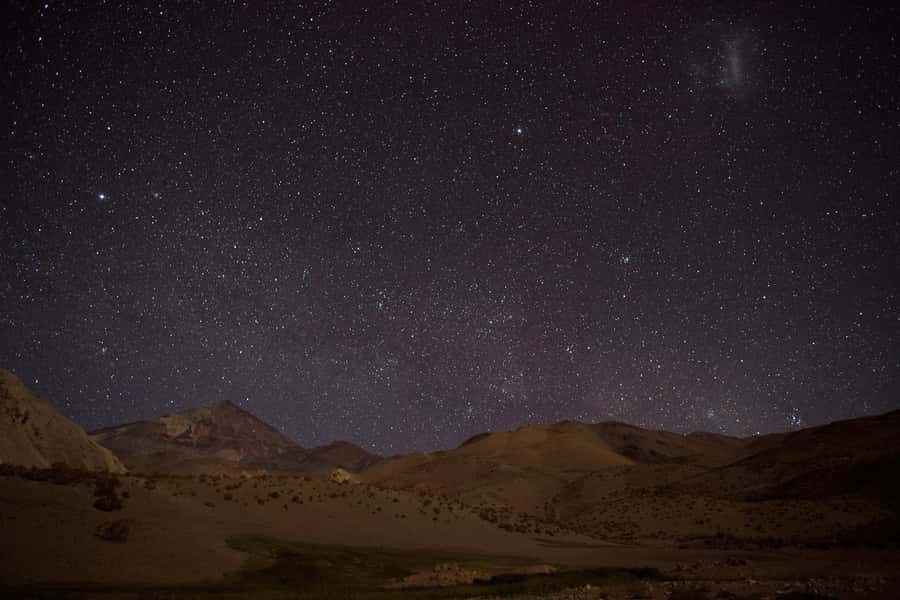
I would choose this outing for a curious first-time observer who wants a proper introduction to the southern sky. You do not need an astronomy background. The guide and telescope team handle the technical side, while the small group gives you room to ask questions.
It also suits experienced amateur astronomers who want access to the Elqui Valley’s dark conditions and larger instruments. The 25-inch telescope, when used for an appropriate object, can offer views beyond what many casual setups provide.
Families and mixed-interest groups may enjoy the combination of Vicuña, sunset, mountain scenery, and astronomy, though the six-hour length and late timing may not suit young children. The tour is not suitable for wheelchair users, and the available information does not describe adapted transport or observatory access.
This is less suitable for someone who wants a flexible evening with no fixed schedule. The pickup, drive, sunset, guided session, and return all follow a planned rhythm. It is also a poor fit for anyone who expects a full-moon outing or wants to drink during the drive.
Practical details that make the evening better
A few simple choices will improve the experience:
- Wear comfortable clothes and bring a long-sleeved shirt.
- Wait at your accommodation reception for pickup.
- Book at least 24 hours ahead, especially during popular travel periods.
- Avoid dates close to the full moon.
- Expect to share telescope time, even with a small group.
- Bring patience. Each object needs time to locate, explain, and view.
- Use the coffee area during pauses rather than treating the session as a nonstop telescope line.
The tour offers free coffee, water, and tea, but no meal is listed. Eat beforehand if you need a substantial dinner. Since the stop in Vicuña is only about 15 minutes, do not count on it for a long restaurant visit.
Should you book Pangue Observatory?
Book it if you want a serious, small-group astronomy evening in one of Chile’s strongest stargazing regions. The large telescopes, dark-sky setting, multilingual guiding, sunset visit, and access to more than 10 types of celestial objects give the $225 price a clear purpose.
Skip it if you want a cheap, short activity, dislike a long evening transfer, or can only visit near the full moon. For the best chance of a memorable session, choose a date away from bright moonlight, reserve at least a day ahead, and arrive ready for a cool mountain night. If Mars, Saturn, Jupiter, a supernova, or a dying star appears in the eyepiece, you will understand why this is more than a simple look at the stars.
FAQ
How long is the Pangue Observatory tour?
The experience lasts six hours, including pickup in La Serena, the drive to the Elqui Valley, the Vicuña stop, the Pangue Observatory visit, and the return to La Serena.
Where does pickup take place?
Pickup is included from your accommodation in La Serena or nearby surroundings. You should wait at the reception area of your accommodation.
What languages are available?
The tour is available in English, French, and Spanish.
How many people can join the tour?
The group is limited to eight participants. This allows more individual time for questions and telescope viewing.
What telescope equipment is used?
Pangue Observatory uses advanced 16-inch and 25-inch telescopes with specialized eyepieces.
Can I book close to the full moon?
The stargazing tour is not made on nights close to the full moon because moonlight can reduce visibility. Booking at least 24 hours ahead is also recommended, since same-day availability can be limited.
Newest Chile trips on the site
- Walking City Tour with Funicular, Cable Car and Tasting★ 4.3 · 6 reviews
- Ascent to Villarrica volcano 2,847masl, from Pucón★ 4.8 · 36 reviews
- Volcanic Refuges: Excursion to Underground Civilization★ 4.7 · 8 reviews
- Viña del Mar: Guided city tour★ 4.9 · 10 reviews
- Viña del Mar and Reñaca 4-Hour Pacific Coast Tour★ 4.7 · 14 reviews
- Viña del Mar and Valparaiso: guided day tour★ 4.2 · 8 reviews
- Valparaíso Viña del Mar y Reñaca★ 4.6 · 22 reviews
- Valparaíso y Viña del Mar full day★ 4.6 · 3 reviews
Stargazing Tours, compared.
Astronomical Tour with Guide and Pick Up San Pedro de Atacama
Read our review →
“Astronomical Adventure in San Pedro de Atacama”
Read our review →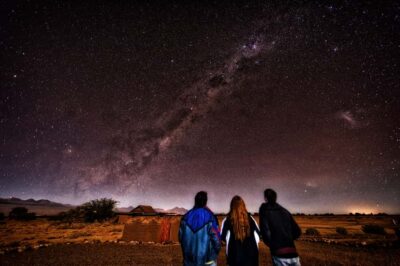
Browse the lists this tour appears in