
Reviewed · SALT FLATS TOURS
Roundtrip to the Uyuni Salt Flat and the Colored Lagoons
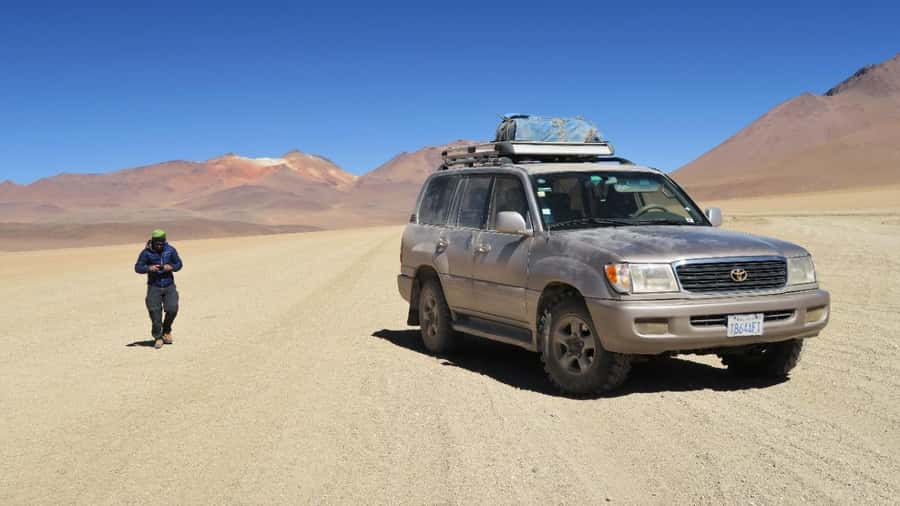
Uyuni’s salt flat is only the beginning. This four-day trip takes you through flamingo-filled lagoons, hot springs, geysers, salt hotels, and stark Andean deserts, with nights spent in simple family hostels and a salt-built hotel. The reward is variety: you get far more than a quick photo stop on the white expanse.
I like the small group of up to six and the use of 4×4 vehicles, which makes long rough-road days more manageable. I also like the personal touch from a local family business, especially when you have a guide such as Zima, who has been praised for explaining sights in both Spanish and English. The main caution is altitude: this route reaches roughly 3,600 to 5,000 meters, so it is not a casual ride for anyone prone to altitude sickness.
Key points at a glance
- Laguna Colorada offers one of the trip’s most striking views, with red water and Andean wildlife.
- Incahuasi Island gives you a close look at giant cacti rising from the middle of the Uyuni Salt Flat.
- Sol de la Mañana is an early start worth making for steaming vents and volcanic ground.
- Salt hotels provide an unusual overnight stay, but comfort is basic and hot showers cost extra.
- Six-person 4×4 groups keep the ride more personal than a large coach tour.
- Extra fees matter, including park entry, hot springs, Incahuasi Island, border tax, bathrooms, and showers.
Why this route is more than a salt-flat photo stop
The Uyuni Salt Flat is the headline, but the road to it is the real story. You cross Bolivia’s high Andean plateau, passing volcanoes, mineral-colored water, desert plains, and wildlife adapted to thin air and cold nights.
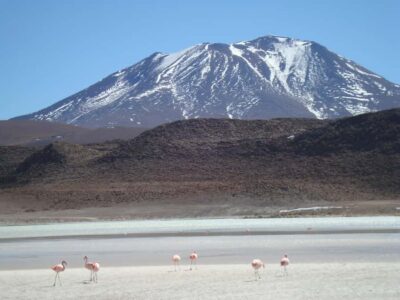
The route includes views toward major volcanic peaks such as Licancabur, Ollague, and Tunupa. You may spot vicuñas and flamingos along the way. These are not zoo encounters or carefully staged stops. They are part of the wide, spare setting you pass through in a 4×4.
The trip begins and ends with border transfers between San Pedro de Atacama and Hito Cajon. That makes it useful if you are combining northern Chile with Bolivia. You must pass through both Chilean and Bolivian border controls, so keep your passport and any required visa ready.
More salt flat days from San Pedro De Atacama:
- Piedras Rojas, Altiplanics Lagoons & Salar Full-Day Tour
★ 4.7 · 592 reviews - Full Day Tour to Ruta de los Salares
★ 5.0 · 105 reviews - San Pedro de Atacama: 3 D. Tour Uyuni and Back to San Pedro
★ 4.8 · 61 reviews
Four days from San Pedro to Bolivia’s high plateau
The published plan includes transfers by minibus from San Pedro de Atacama to Hito Cajon, the Chilean and Bolivian border point, and back again at the end. After the border crossing, the main journey continues by 4×4.
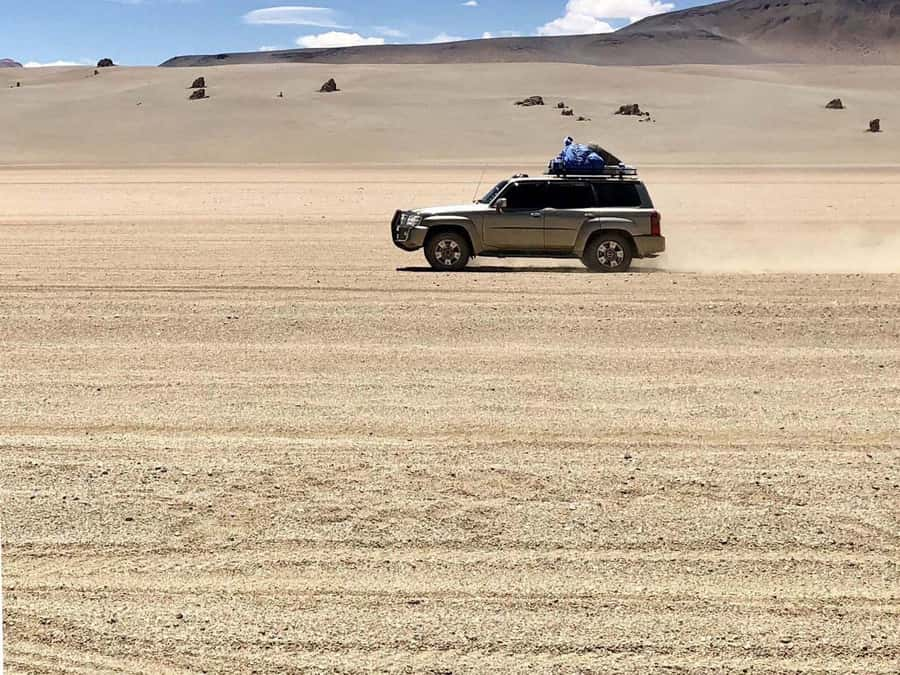
Your car carries no more than six people. That matters here. The distances are long, roads can be rough, and you will spend much of the day looking through the windows or stopping outside in strong wind and cold. A smaller vehicle gives you a better chance of hearing your guide and sharing the schedule without the feel of a large bus excursion.
The guide service is listed as Spanish, with basic English available in the tour information. Zima has been praised for making explanations clear in both languages and for taking time to show the country at its best. Still, you should not assume fluent English on every departure. If you need detailed explanations in English, confirm the language arrangement before paying.
Expect early starts. Sol de la Mañana is best seen early, and the high plateau is cold before the sun has warmed the ground. Bring layers you can add and remove, plus comfortable shoes for short walks near lagoons, geysers, and volcanic sites.
Day one: border crossing, lagoons, and Villamar
The first day takes you from the Chilean side through the Hito Cajon crossing and into Bolivia’s Andean highlands. The exact stop order can vary, but the signature sights include high-altitude lagoons, volcanic views, and desert country.
This is where Laguna Blanca and Laguna Polques fit into the journey. Laguna Blanca is known for its pale appearance, while Laguna Polques offers natural hot springs. The hot water is a welcome break after hours in the cold, though entry is not included and costs about 6 Bolivianos, subject to change.
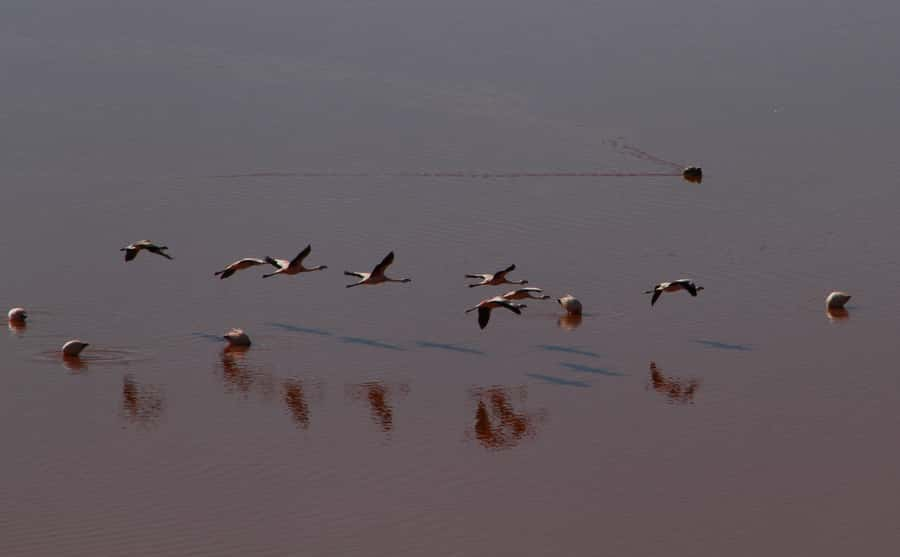
You may also encounter flamingos around the lagoons. Their bright color against the pale water and brown-red ground is one of the most memorable contrasts of the trip. Vicuñas may appear farther out across the plateau.
The first night is at a family hostel in Villamar. Accommodation is a shared room with a shared bathroom. That is a fair warning for anyone used to private hotel rooms: this is a remote high-altitude route, not a comfort-focused resort circuit.
The family-run setting is part of the appeal. You get a more local base than you would from a standard chain hotel, and meals are included. The trade-off is limited privacy and basic facilities. Pack a small towel, toilet paper, and personal toiletries rather than counting on every bathroom supply being provided.
Day two: geysers, red water, and a salt hotel
Day two brings some of the most dramatic stops. The Sol de la Mañana geyser field is a major highlight, with steam, bubbling ground, and volcanic activity spread across a high plain. You will want warm clothing here, especially if the stop comes at first light.
The ground around geysers can be uneven, and the air is thin. Stay close to the guide and follow instructions around hot or unstable areas. This is one reason the altitude warning deserves attention, not a place to rush around for photographs.
From the geyser field, the route continues toward the Siloli Desert and Laguna Colorada. Siloli is known for unusual rock formations set among open desert. Its famous shapes give the stop a surreal quality without needing elaborate interpretation. The strongest visual impact comes from the emptiness, the rust-colored ground, and the huge sky.
Laguna Colorada is one of the trip’s key sights. Its reddish water comes from mineral and algae activity, and flamingos can often be seen feeding in the shallows. The color will not look identical in every light or season, so think of it as a living natural feature rather than a fixed postcard.
The route also includes views toward Licancabur and Ollague, volcanoes that help explain the scale of the Altiplano. At elevations approaching 5,000 meters, even a short walk can feel demanding. Walk slowly, drink water, and do not treat the stops as a race.
The second night is in a private double room at a salt hotel. Salt blocks are used in parts of the construction, giving the accommodation a direct connection to the region’s most famous natural resource. This is a memorable place to sleep, but it remains a simple hostel-style stay.
A hot shower is available for about 20 Bolivianos, subject to change. The listing also notes an extra charge for hot showers on the second and third nights. Carry some Bolivianos in small denominations, since small payments for showers, bathrooms, and entrance fees are part of the practical side of this trip.
A few more San Pedro De Atacama half-days worth a look
- San Pedro de Atacama: El Tatio Geysers Tour
★ 4.7 · 943 reviews - San Pedro de Atacama: Etno-Stargazing Tour with Transfer
★ 4.8 · 629 reviews - San Pedro de Atacama: Stargazing Experience
★ 4.7 · 489 reviews - San Pedro Atacama: Baltinache Lagoons
★ 4.6 · 359 reviews
Day three: Dali Desert, hot springs, and the road to Uyuni
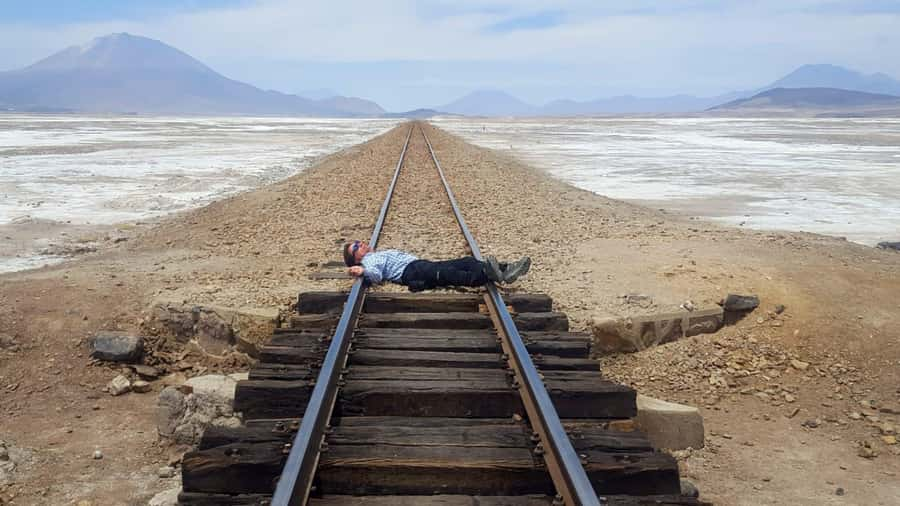
Day three continues through the Siloli and Salvador Dali deserts, with more high-altitude scenery and volcanic color. The Salvador Dali area gets its name from rock shapes and broad, surreal-looking desert views. The setting feels spare and abstract, with little vegetation and long stretches of open ground.
Laguna Polques is especially welcome on this day. Its natural hot springs offer a chance to warm up and rest your muscles after the bumpy ride. Entry is extra, and changing facilities are likely to be basic, so bring a swimsuit and a way to keep dry clothing separate.
You will also see Laguna Blanca and other Andean lagoons during the wider route. Each has a different tone, from pale mineral water to intense reds and darker volcanic shades. I like this part of the trip because you are not simply repeating the same view. The scenery changes in color, texture, and wildlife from one stop to the next.
The third night returns to the Villamar family hostel, again in a shared room with a shared bathroom. The repeated stay may feel less exciting than a new hotel, but it keeps the route practical and gives you another local base rather than adding more long transfers.
Meals include four breakfasts, three lunches, and three dinners across the four days. Vegetarian food is available, and it has been specifically praised as good. If you have other dietary needs, ask before departure because the supplied information does not explain how broad the menu choices are.
Day four: the salt flat and Incahuasi Island
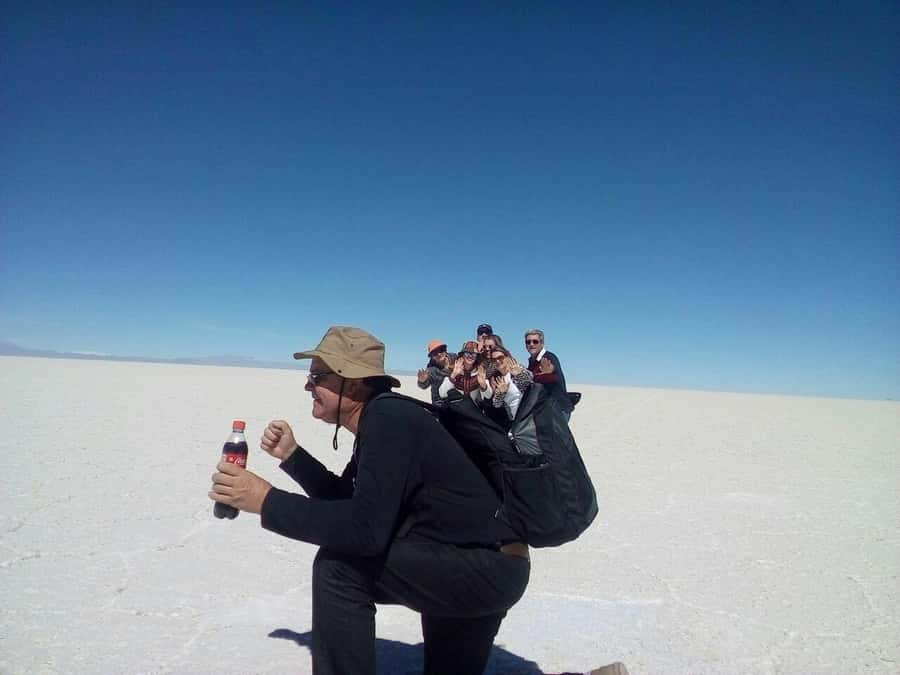
The final day brings the trip’s most famous destination, the Uyuni Salt Flat. At about 10,000 square kilometers, Salar de Uyuni is the world’s largest salt flat. Its immense white surface can make distance hard to judge, especially under a clear sky.
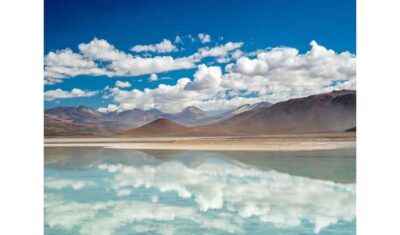
The experience here depends heavily on weather and surface conditions. At times, the flat is a hard white plain marked by geometric salt patterns. At other times, a thin layer of water can create mirror-like reflections. The tour promises time to experience the vast salt surface and photograph the unusual horizon, but exact photographic conditions cannot be guaranteed.
Incahuasi Island is one of the most useful stops because it breaks up the flat’s endless whiteness. Giant cacti rise from the island, some reaching impressive heights, and the elevated setting gives you a broad view across the salt. The island entrance costs about 30 Bolivianos and is not included.
You should allow time for short walks and photographs, but remember the sun can be strong even when the air feels cold. Sunglasses, warm layers, comfortable shoes, and water are sensible choices.
The salt hotel experience also helps explain local building traditions. Salt is not just something you see under the tires. It becomes part of the walls and rooms, connecting the overnight stay with the geology of the region.
The return journey includes the minibus transfer back toward San Pedro de Atacama through Hito Cajon. Border procedures take time, so keep your documents accessible and avoid scheduling a tight onward connection. Airport transfers are not included.
Altitude is the serious issue here
This tour reaches heights between roughly 3,600 and 5,000 meters. That is the central physical challenge, more important than the cold or bumpy roads.
The trip is not suitable for people with altitude sickness, pregnant women, or people with pre-existing medical conditions. If you have a health concern, get medical advice before booking. Do not assume fitness alone solves altitude problems.
You may find yourself walking only a short distance but breathing harder than expected. Take it slow, drink water, and tell the guide if you feel unwell. Early starts, cold air, and long drives can add to fatigue.
The supplied practical advice about altitude could be stronger, so I would make this your own preparation priority. The views are worth the effort, but no photograph is worth ignoring symptoms.
What the $458 price really covers
At $458 per person, the price includes four days of transport, three nights of accommodation, four breakfasts, three lunches, and three dinners. It also includes the border transfers from San Pedro de Atacama to Hito Cajon and back, plus 4×4 transport with a group of up to six.
That is solid value for a remote route with several overnight stays and long-distance vehicle travel. You are paying for access to places that are difficult to connect independently, not just for entry to the salt flat.
The headline price is not the final cash amount. Budget separately for:
- Eduardo Avaroa Protected Area entry, listed at 150 Bolivianos
- Polques Hot Springs, listed at 6 Bolivianos
- Incahuasi Island, listed at 30 Bolivianos
- Border tax, listed at 17 Bolivianos
- Roadside bathrooms, about 20 Bolivianos
- Hot showers on the second and third nights, about 20 Bolivianos
- Snacks and extra bottles of water
- Personal expenses, travel insurance, and airport transfers
These amounts can change without notice. Bring enough Bolivianos for the extras, and do not expect regular shops or modern bathroom facilities on the road.
Simple accommodation, serious scenery
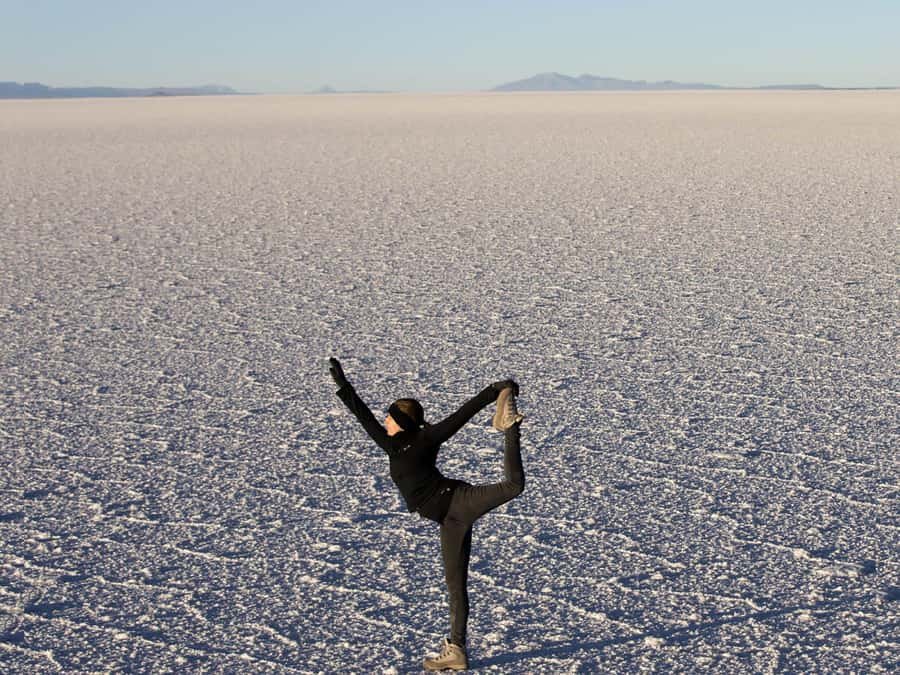
The accommodation is practical rather than polished. You spend the first and third nights at the Villamar family hostel in a shared room with a shared bathroom. The second night is in a private double room at a salt hotel.
That mix suits you if you value location and character over privacy. It will not suit you if you need a private bathroom, reliable hot water, or hotel-level comforts each night.
Pack a small towel, toilet paper, warm sleepwear, and toiletries. The practical information specifically points to hand towels, toilet paper, and Bolivian cash as items worth clarifying before departure. I would prepare as if you need to carry your own supplies.
Who should book this four-day route?
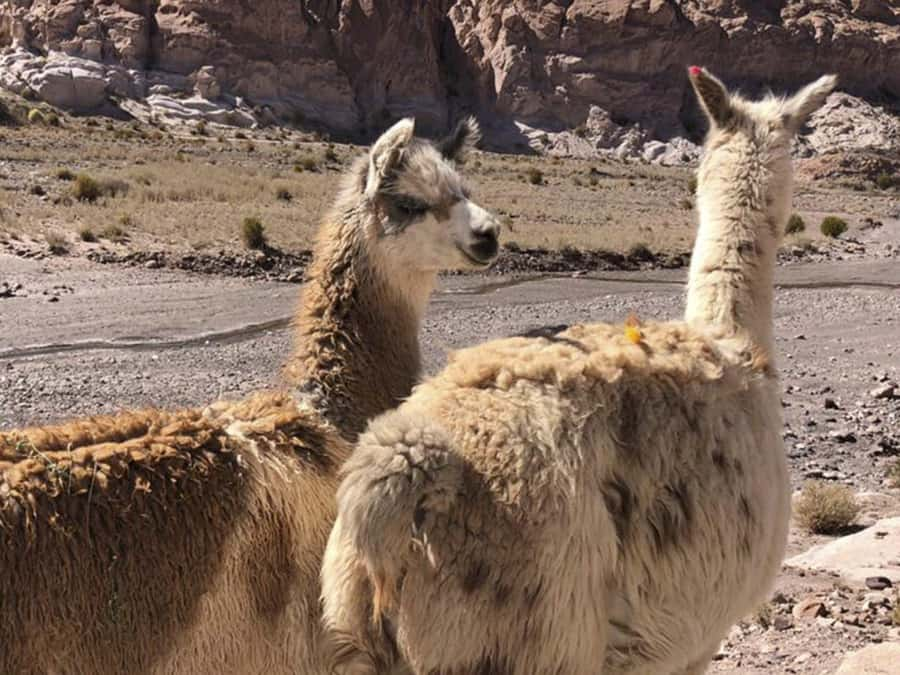
I would choose this trip if you want the main Uyuni Salt Flat plus the colored lagoons, geysers, deserts, volcano views, and hot springs in one organized circuit. It suits people who accept early mornings, long 4×4 rides, basic hostels, and high altitude in exchange for access to remote scenery.
The small group is a strong fit for couples, friends, and solo bookers who want a shared experience without a large coach. The private double room on night two is useful for couples, but the shared Villamar rooms mean you should be comfortable with less privacy.
It is less suitable if you are looking for a relaxed holiday, fluent English guiding on every departure, or a luxury stay. The tour language is Spanish, with basic English noted, so confirm communication needs in advance.
Free cancellation is available up to 24 hours before departure, and you can reserve now and pay later. Pickup is included, but you need to wait in your hotel lobby 30 minutes before the scheduled time. Drivers wait no longer than five minutes after pickup, so be ready early.
Should you book it?
Book this tour if you want a compact, high-impact introduction to Bolivia’s Altiplano and you are prepared for altitude, cold, early starts, and basic accommodation. The route earns its price by combining the salt flat with the places many shorter trips leave out: Laguna Colorada, Sol de la Mañana, Salvador Dali Desert, hot springs, wildlife, and salt-built lodging.
Skip it if altitude is a concern, you need private facilities every night, or you require a fully English-speaking guide without confirming availability. For the right person, this is a demanding but memorable four-day crossing, with the strongest value coming from the range of places you reach in one small 4×4.
FAQ
How long is the Uyuni Salt Flat and Colored Lagoons tour?
The experience lasts four days.
Where does the tour start and finish?
The tour includes minibus transfers between San Pedro de Atacama and Hito Cajon at the Chilean and Bolivian border. You must pass through both Chilean and Bolivian border controls.
How many people travel in each 4×4?
Each 4×4 vehicle carries a group of up to six participants.
What language does the guide speak?
The live tour guide service is listed as Spanish. The tour information also describes the local guide as having basic English.
What accommodation is included?
The first and third nights are at a Villamar family hostel in a shared room with a shared bathroom. The second night is in a private double room at a salt hotel.
Are meals included?
Yes. The package includes four breakfasts, three lunches, and three dinners.
Which entrance fees are not included?
You pay separately for entry to the Eduardo Avaroa Protected Area, Polques Hot Springs, Incahuasi Island, and the border tax. The listed amounts are subject to change.
Is the tour suitable for people with altitude sickness?
No. The experience is not suitable for people with altitude sickness, pregnant women, or people with pre-existing medical conditions. The route reaches approximately 3,600 to 5,000 meters above sea level.
Newest San Pedro De Atacama trips on the site
- Vallecito★ 4.7 · 13 reviews
- San Pedro de Atacama: Valle de la luna★ 3.0 · 3 reviews
- Atacama Desert and Magic Bus Visit★ 4.8 · 15 reviews
- Valle de la Luna: A Moon-Like Escape in Atacama★ 5.0 · 3 reviews
- Valley of the moon★ 5.0 · 50 reviews
- San Pedro de Atacama: Half day Valle de la Luna, Afternoon Tour★ 4.5 · 52 reviews
- Unique 3-Day Tour in San Pedro de Atacama★ 4.5 · 43 reviews
- Moon Valley Tour from San Pedro de Atacama★ 4.0 · 59 reviews
Salt Flats Tours, compared.
Piedras Rojas, Altiplanics Lagoons & Salar Full-Day Tour
Read our review →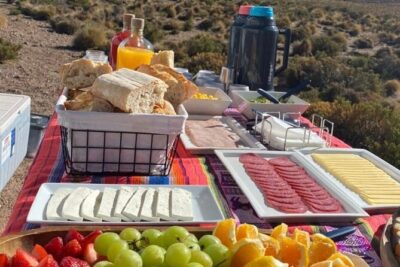
Uyuni Salt Flats 4-days tour from Atacama> private room available
Read our review →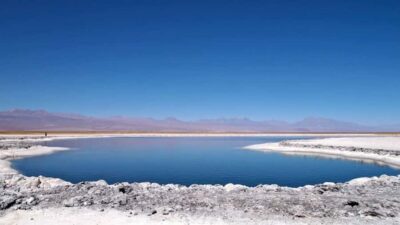
Cejar Lagoon, Tebenquiche Lagoon and Ojos del Salar
Read our review →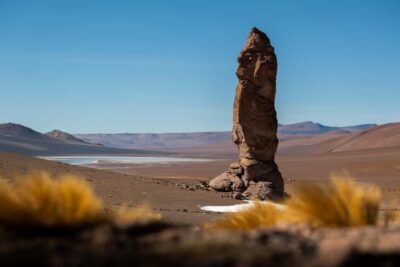
Browse the lists this tour appears in