
Reviewed · EASTER ISLAND TOURS
Adventures in Rapa Nui: High-quality tourism with Easter Island Your Tour.
Rapa Nui is best understood one site at a time, with enough quiet and explanation to connect the moai, volcanoes, coast, and living island culture. This private tour gives you that chance, visiting the island’s major ceremonial sites in one long day with a local guide such as Eric.
I like the private format, which lets you adjust the pace and ask questions without waiting for a large group. I also like the hotel pickup and custom planning, especially for travelers who have already seen the main sites and want to add caves or change the day’s focus. The main consideration is the packed 390-minute schedule. You will see a lot, but this is not a slow, empty-calendar day.
Key points at a glance
- Eric is a highly praised guide: He speaks English well, explains Rapa Nui history and culture clearly, and adjusts the day to your interests.
- The route covers the island’s essential moai sites: Akahanga, Rano Raraku, Tongariki, Te Pito Kura, and Anakena are all included.
- Hotel pickup keeps the morning simple: You meet at your accommodation or another agreed location on Easter Island.
- Private touring changes the experience: You can ask more questions, set a comfortable pace, and request a custom itinerary.
- The price is $200 per person: That is a serious spend, but it includes a private guide, driver, vehicle, and a full day of sightseeing.
- Park admission costs extra: Budget roughly 20,000 to 80,000 Chilean pesos, with the exact price subject to change.
Why a private day matters on Rapa Nui
Easter Island is small in size but dense with places that deserve context. A moai is not simply a large stone statue beside a road. It is part of a ceremonial site, a community story, and a wider picture of how Rapa Nui society changed over time.
That is where this tour earns its keep. You travel with a certified guide who explains the island’s history and culture, rather than simply dropping you at a viewpoint and naming the monument. The guide can also respond to your questions, which matters on a site where you may want to ask about carving methods, ceremonial platforms, family traditions, or the meaning of a particular location.
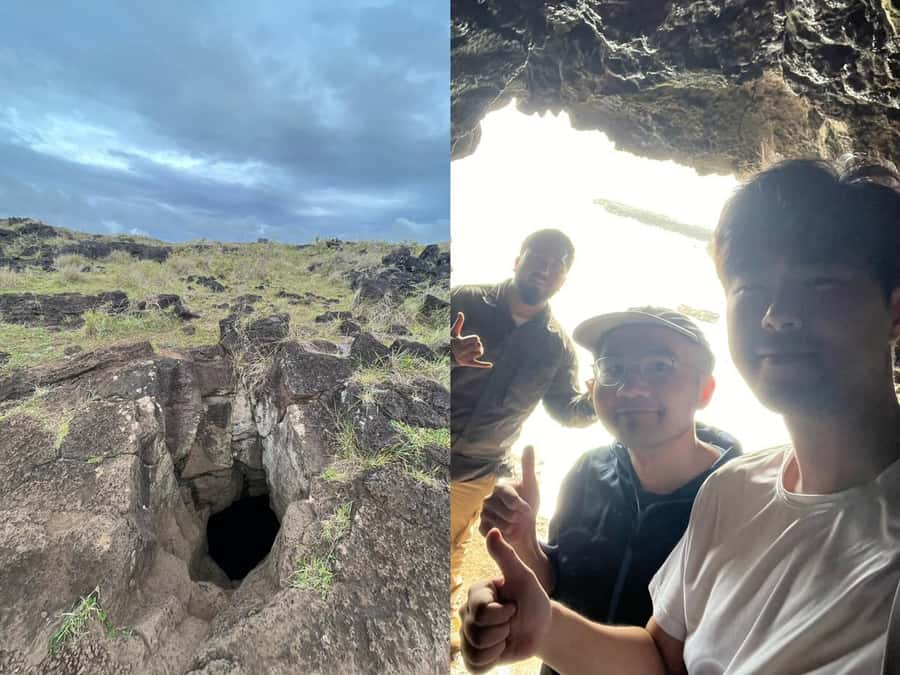
Eric is the guide most often associated with this experience. He speaks English well, is described as friendly and flexible, and has adjusted tours for people who had already visited the standard stops. One particularly useful option was replacing familiar sites with caves on the west coast. That tells you something important about the format: you are not locked into a rigid bus schedule.
The tour is private, so you are not paying for a seat in a large group. You are paying for personal attention, local interpretation, and the ability to shape the day. If you are interested in photography, archaeology, local culture, or simply moving at your own pace, that difference can be worth the added cost.
A few more Easter Island half-days worth a look
- From Hanga Roa: Rapa Nui Culture Sightseeing Tour
★ 4.6 · 307 reviews - From Hanga Roa: Easter Island Highlights 2-Day Tour
★ 4.3 · 205 reviews - From Hanga Roa: Easter Island Sightseeing Full Day Tour
★ 4.5 · 189 reviews
Starting with hotel pickup and a comfortable vehicle
Your guide picks you up at your hotel or accommodation on Easter Island. That removes the need to find a separate meeting point, a useful perk in a place where you may be staying outside the main town area.
The tour includes a professional driver familiar with the island’s tourist routes. You ride in a comfortable vehicle with air conditioning and a sound system. The exact vehicle model is not specified, but the provided equipment suggests a more comfortable setup than an informal ride.
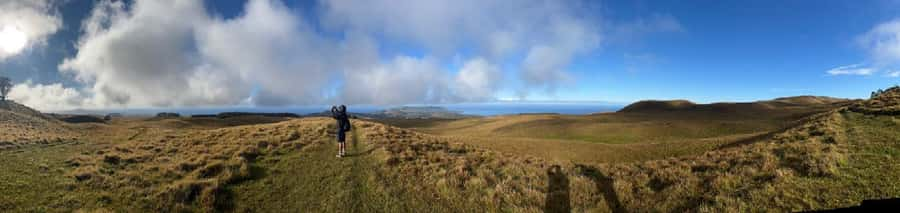
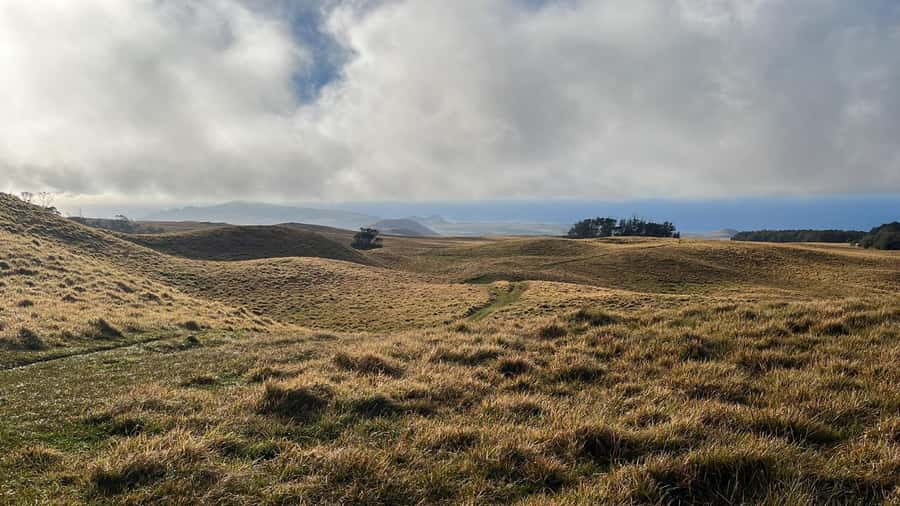
The drive between stops is part of the day, not dead time. Rapa Nui’s open spaces and changing views help connect the sites, while the guide can continue explaining what you are seeing. The full activity lasts 390 minutes, or six and a half hours. That gives you a substantial day, though the number of stops means the pace may feel brisk.
Bring water, sunscreen, a hat, and a windbreaker. Weather can change, and the advice to bring hiking shoes, long pants, and clothes that can get dirty is worth following. This is a cultural tour, but it also involves outdoor stops and uneven ground.
Ahu Akahanga and the first look at ceremonial Rapa Nui
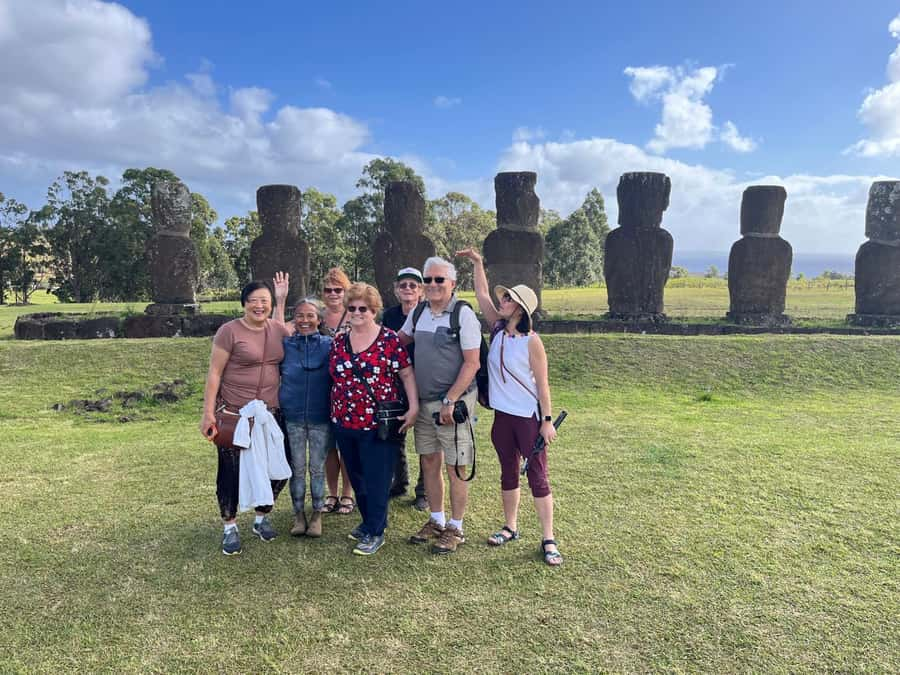
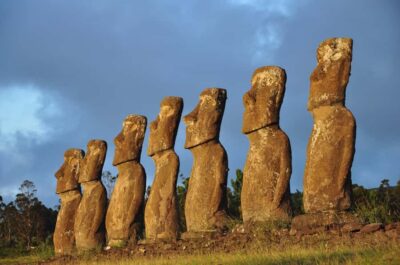
Ahu Akahanga is one of the first major stops on the route. An ahu is a ceremonial platform, and the site helps you see how moai were connected to community spaces rather than placed randomly across the island.
Your guide leads you through the site and explains what you are looking at. This is the kind of stop where a local guide adds real value because the stones alone do not tell the full story. You can ask questions and take time to understand the arrangement of the platform, statues, and surrounding ground.
Akahanga also sets the tone for the day. The tour is not only about finding the most famous standing moai. It is about seeing different sites and considering how each one fits into Rapa Nui culture.
Because the day includes several major stops, your time at Akahanga may be limited by the wider schedule. If this site interests you most, tell your guide early. The private format gives you a better chance of spending more time where your curiosity leads.
Rano Raraku, the quarry behind the moai
Rano Raraku is likely to be one of the most important stops of the day. This volcanic site is closely tied to the carving of the moai, making it essential for understanding how the statues came into being.
The site is not just a photo stop. It helps you picture the work involved in shaping enormous figures from volcanic stone before moving them to ceremonial platforms around the island. Your guide can give the setting a clear human scale and explain why unfinished or partially completed figures remain so important to the story of Rapa Nui.
Wear proper shoes here. The tour specifically recommends trekking or hiking shoes, and you should take that advice seriously. Comfortable clothes, long pants, and water will also help.
Rano Raraku can be especially rewarding for visitors who want more than a quick introduction to the moai. At the same time, the ground and walking conditions may be less comfortable for anyone with limited mobility. The tour is listed as wheelchair accessible, but you should discuss the exact route and site conditions with the provider before booking if you need step-free access throughout the day.
Same corner of Chile, a completely different day out:
- Full day tour – DREAM
★ 5.0 · 86 reviews - From Hanga Roa: Journey from Orongo to Ana Te Pahu
★ 4.3 · 75 reviews - Rapa Nui Stargazing
★ 4.5 · 62 reviews - Two days of Full Day Tour of Rapa Nui + Sunrise in Tongariki
★ 4.8 · 55 reviews
Ahu Tongariki and the island’s great ceremonial view
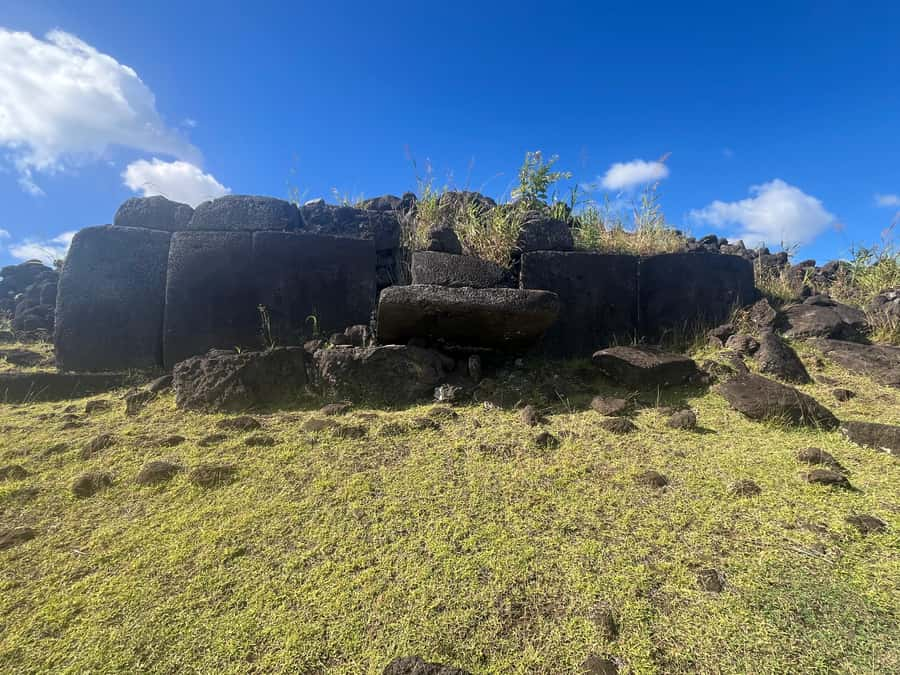
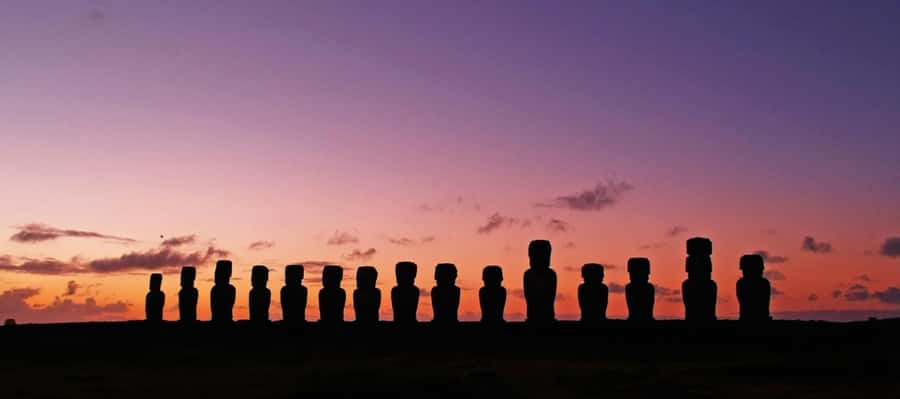
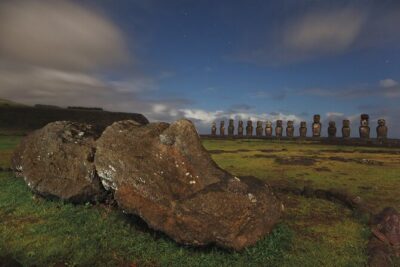
Ahu Tongariki is one of the signature stops on the island route. Its line of moai gives you the classic image many people associate with Rapa Nui, but the setting is more meaningful when your guide explains the ceremonial role of the ahu and the relationship between the statues and the coast.
This is a good place to slow down for photographs and ask questions. The broad setting makes it easier to appreciate the scale of the site, while the group arrangement shows that the moai were created as part of a shared cultural system.
The private tour is useful here because photography takes different amounts of time for different people. You can ask for a few extra minutes rather than being hurried along by a large coach schedule. Still, remember that you have several more sites ahead, so the day requires some balance.
Ahu Te Pito Kura and a different side of the moai story
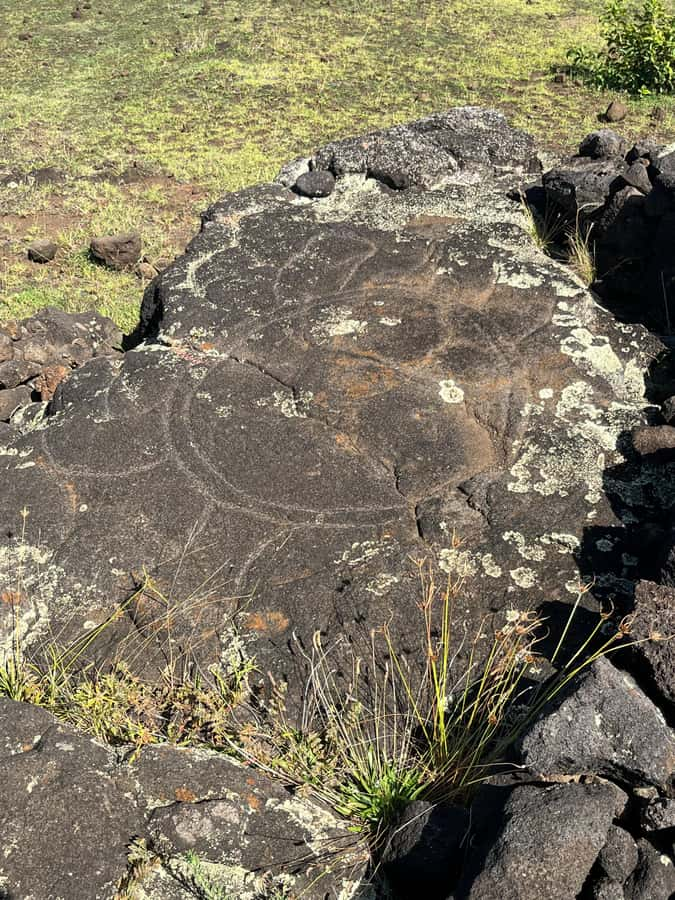
Ahu Te Pito Kura adds another important stop to the sequence. Rather than seeing only the most famous restored platforms, you get a wider view of the island’s ceremonial places and the changes that affected them.
This stop works well as part of the larger route because it lets you compare sites. Your guide can help you notice differences in the platforms, the condition of the statues, and the way each place sits within its surroundings.
The value here is cumulative. One stop introduces the idea of the ahu, another brings you to the quarry, and another shows the moai in a grand ceremonial line. Te Pito Kura helps fill out that picture instead of leaving you with one postcard image of Rapa Nui.
Anakena, a coastal finish to the day
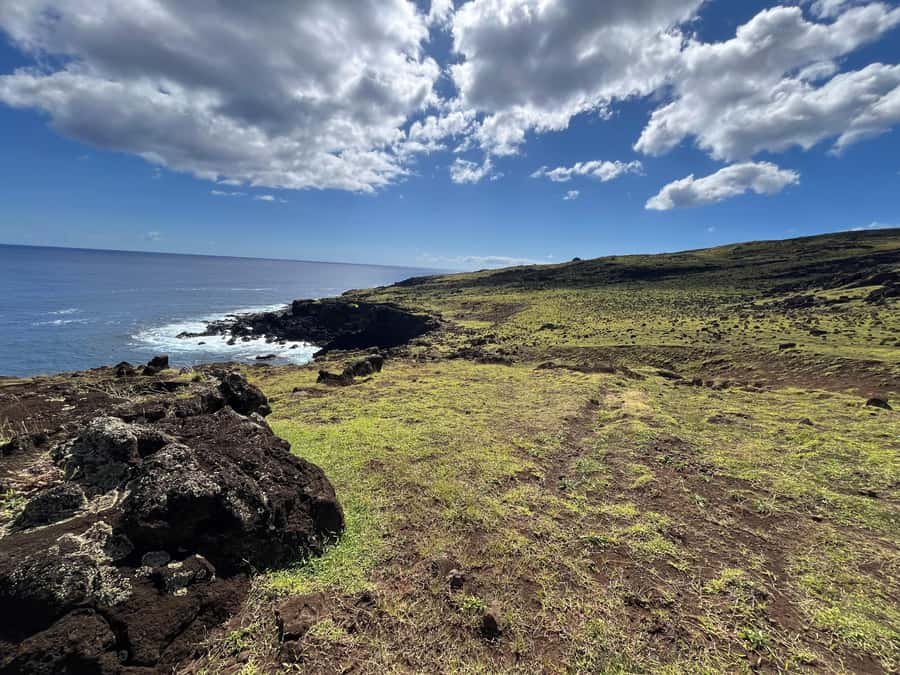
Anakena gives the route a change of mood. After several important archaeological sites, you reach a coastal setting associated with one of the island’s best-known beaches.
The stop lets you see another part of Rapa Nui, where culture and the natural setting meet. The tour information does not promise a specific water activity or beach time, so you should treat Anakena as a guided sightseeing stop rather than assume a full swimming session.
Bring biodegradable sunscreen, especially if you expect time near the water. The provider also lists lifeguards for water activities, but the details of which activities are offered are not specified. Ask before booking if swimming or another water experience is a priority for you.
Anakena can be a satisfying final major stop because it broadens your sense of the island. Rapa Nui is not only moai and stone platforms. It is also coast, open space, and places where people connect with the island in more everyday ways.
A guide who can change the day around you
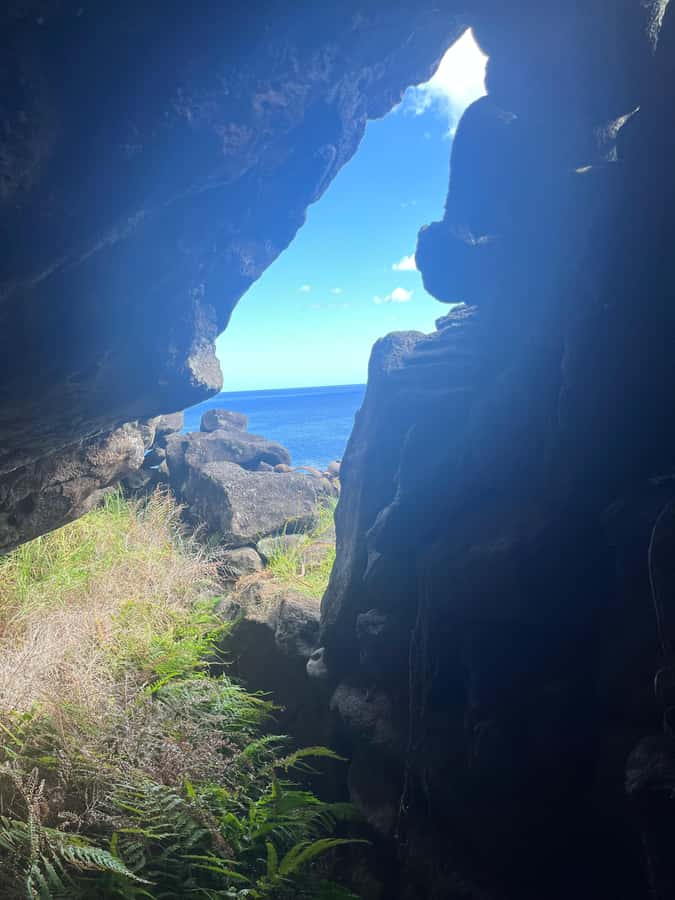
The strongest part of this experience is the human element. Eric has guided visitors who wanted a standard tour, but he has also changed the plan for people who had already visited many of the main sites. In one case, he added caves around the west coast instead.
That kind of flexibility is hard to get on a fixed group excursion. You can tell the guide if you want more cultural explanation, more time for photographs, a gentler pace, or a different mix of sites. The itinerary provided here follows the island’s major landmarks, but custom planning is included as part of the service.
You also receive assistance in English or Spanish. This matters because detailed cultural questions are much easier when you can communicate comfortably. The guide is expected to explain Rapa Nui history and culture, and the strongest praise for the experience centers on clear explanations, good English, friendly conversation, and thoughtful answers.
The company also says its guides are native to the island. That does not mean every story will match your interests, so speak up and ask questions. A private tour works best when you treat it as a conversation rather than a lecture.
What $200 per person really buys
At $200 per person, this is not a budget sightseeing option. Park admission is not included, and you should add approximately 20,000 to 80,000 Chilean pesos per person for the ticket, depending on the current rate and ticket type.
The price includes more than transport. You receive a certified guide, an experienced driver, a private group setting, a vehicle with air conditioning and a sound system, emergency and first-aid preparation, English or Spanish assistance, and custom itinerary planning. The provider can also help with accommodation and meal reservations at selected establishments.
I would consider the cost reasonable for couples, families, or small groups who value privacy and detailed explanation. It is also a good fit if you have limited time on Easter Island and want to cover the major sites efficiently.
The value is weaker if you mainly need transportation from one monument to another and do not care about personal interpretation. In that case, a cheaper shared option may suit you better. You are paying here for service, flexibility, and the chance to shape the day.
Practical preparation for a six-and-a-half-hour outing
Pack light, but pack carefully. You should bring:
- Passport or identification card
- Water
- Comfortable shoes and hiking shoes
- Hat and sunscreen
- Biodegradable sunscreen and insect repellent
- Comfortable clothes
- Long pants
- A windbreaker
- Clothes that can get dirty
- Any personal medication you need
The clothing advice is practical. Outdoor stops can expose you to sun, wind, dust, and uneven ground. You may find that a light layer is useful even on a warm day.
Alcohol and drugs are not allowed, and alcoholic drinks cannot be carried in the vehicle. Littering is also prohibited. Those rules fit the company’s stated policy of respecting Rapa Nui culture and protecting the environment.
You can cancel up to 24 hours before the activity for a full refund, and the reserve-now, pay-later option keeps your plans flexible. The activity is listed as wheelchair accessible, but if you need specific access arrangements, confirm the details for each archaeological site before you commit.
Who should book this Rapa Nui tour?
I would recommend it most strongly to you if you want a private cultural day, not just a ride to famous monuments. It suits first-time visitors who want a clear introduction, as well as returning visitors who want the guide to replace familiar sites with caves or other less expected stops.
It is also a good match for English-speaking visitors who want to ask detailed questions. Eric’s strong English and conversational approach are important advantages here. Spanish-speaking visitors can also book with confidence because Spanish assistance is available.
Families and small groups may appreciate the private vehicle and flexible pace. People who dislike large tours will likely find the format much more comfortable.
I would think twice if you want a slow beach day, a dedicated hiking trip, or a tour built around water activities. The itinerary is broad and efficient, covering many major sites in 390 minutes. Its strength is range and personal attention, not a single deep focus.
Should you book Easter Island Your Tour?
Book this tour if you want to see the main moai sites with a local guide who can explain what you are seeing and adjust the plan to suit you. The highest praise goes to Eric’s clear English, friendly manner, cultural insight, and willingness to change the route when a visitor has already seen the standard sights.
The main tradeoff is cost. At $200 per person, plus park admission, you are paying for a private service rather than the lowest possible fare. For a small group that values comfort and flexibility, that can be good value. For solo budget travelers, it may feel expensive.
Before booking, tell the company how much walking you prefer, whether you have already visited any sites, and whether Anakena or the west coast caves matter most to you. That conversation will help turn a busy island circuit into a day that fits your interests.
FAQ
Where does the tour begin?
Pickup is available at your hotel or other accommodation on Easter Island.
How long does the activity last?
The listed duration is 390 minutes, or six and a half hours.
Which sites are included?
The route includes Rapa Nui National Park, Ahu Akahanga, Rano Raraku, Ahu Tongariki, Ahu Te Pito Kura, and Anakena.
Is the tour private?
Yes. The activity is offered for a private group.
Is a guide included?
Yes. The service includes a certified guide who explains Rapa Nui history and culture.
Which languages are available?
Guiding and assistance are available in English and Spanish.
Is Eric the guide?
Eric has guided this experience, but the supplied information does not guarantee that he will lead every departure. You can ask the provider about guide availability when booking.
Are national park entrance tickets included?
No. Tickets are purchased separately at the Mau Henua office or online. The approximate price is 20,000 to 80,000 Chilean pesos, subject to change.
What should I bring?
Bring identification, water, comfortable or hiking shoes, a hat, sunscreen, a windbreaker, comfortable clothes, long pants, clothes that can get dirty, personal medication, and biodegradable insect repellent.
Can I cancel the booking?
Yes. You can cancel up to 24 hours in advance for a full refund. You can also reserve now and pay later.
Newest Easter Island trips on the site
- Volcanic Refuges: Excursion to Underground Civilization★ 4.7 · 8 reviews
- Half Day Tour in Rapa Nui★ 5.0 · 48 reviews
- Ride to the highest point on the island for sunset★ 5.0 · 40 reviews
- Tongariki Sunrise: Half Day Private Tour★ 3.8 · 9 reviews
- Terevaka Horse Excursion: The highest point and 360° view.★ 4.7 · 38 reviews
- Easter Island: Private Full Day History Of The Moai★ 4.6 · 12 reviews
- Rapa Nui: Polynesian Massage★ 4.8 · 5 reviews
- Rapa Nui Highlights Program: 3 incredible tours to discover!★ 4.8 · 18 reviews
Easter Island Tours, compared.
Two days of Full Day Tour of Rapa Nui + Sunrise in Tongariki
Read our review →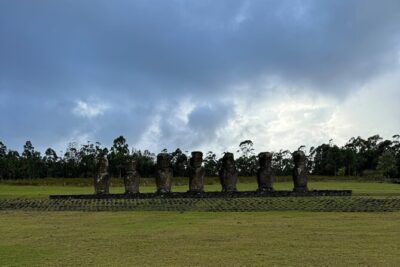
Browse the lists this tour appears in