
Reviewed · EASTER ISLAND TOURS
Private Tour: The Underground World of Rapa Nui Caves
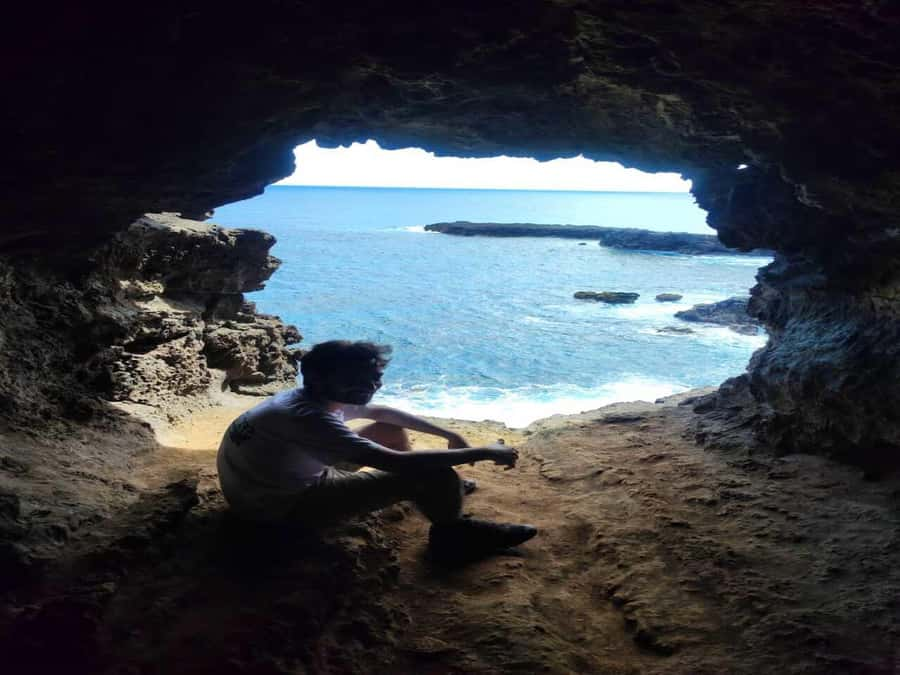
Rapa Nui’s most memorable stories are not all out in the open. They are tucked inside ancient lava tubes, where low ceilings, odd rock shapes, and shifting light reveal the island from below. This five-hour private outing links four cave and ceremonial sites with coastal walking and local cultural insight.
I like the private format, since you can focus on questions and set a more personal pace than you would in a large group. I also like the native guide, who connects the caves to Rapa Nui beliefs, moai traditions, and everyday island history rather than treating the sites as empty geological curiosities.
The main caution is physical. Some cave entrances are small, and you may need to crawl through them. Comfortable shoes and clothes are essential, and this is not the right choice if you want a gentle sightseeing drive with little movement.
Key points to know before you book
- Four distinct sites in five hours: Ana Kakenga, Ana Te Pora, Ahu Te Peu, and Ana Te Pahu each offer a different mix of geology and culture.
- Private native guide: English and Spanish guiding lets you ask questions about local customs, folklore, and the meaning of the sites.
- Coastal walking included: Parts of the route follow cliffs and open views before you enter the caves.
- Lanterns supplied: These help with the darker sections of the lava tubes, while a rain cape is also provided.
- Tight cave entrances: Some access points may require crawling, so this is an active half-day rather than a casual stop-by-stop tour.
- National Park ticket costs extra: The $150 price covers the tour services listed, but not the required park admission.
Why Rapa Nui’s caves are worth your time
Most first-time visits to Rapa Nui focus on the moai, and rightly so. Yet the caves give you a different way to understand the island. The statues tell you about public ceremony, craftsmanship, and community power. The lava tubes show the volcanic ground beneath those traditions and the sheltered places people used and valued.
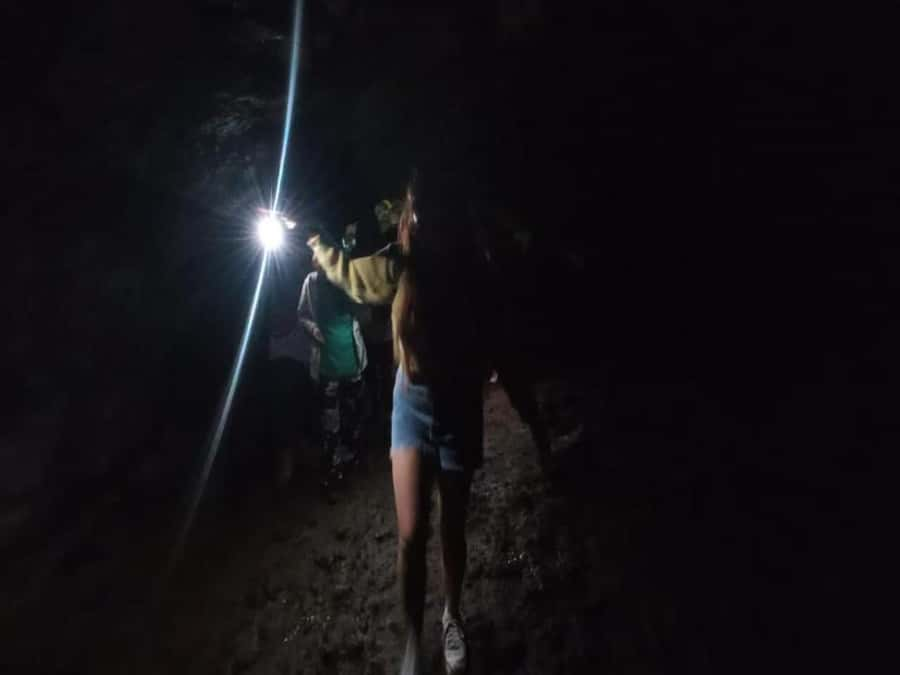
I like the contrast. One moment you are looking across the open coast, with sea and sky stretching away from the cliffs. The next, you are crouching under a low ceiling with a lantern in hand. That change in scale makes the island feel less like a collection of famous stops and more like a place shaped by both nature and human memory.
This is also a good option if you want more than a standard moai circuit. The route does include Ahu Te Peu, a ceremonial site connected with moai, but the main focus is the network of caves and the paths between them. You should book it for variety, not as a replacement for a full tour of Rapa Nui’s major archaeological sites.
The outing lasts five hours, so it fits neatly into half a day. One French booking described it as a half-day excursion, which is useful to keep in mind when planning meals, museum visits, or another major site afterward. The pace includes walking, cave entry, stops for explanation, and transport, so it is better to leave some breathing room around it.
A few more Easter Island half-days worth a look
- From Hanga Roa: Rapa Nui Culture Sightseeing Tour
★ 4.6 · 307 reviews - From Hanga Roa: Easter Island Highlights 2-Day Tour
★ 4.3 · 205 reviews - From Hanga Roa: Easter Island Sightseeing Full Day Tour
★ 4.5 · 189 reviews
Ana Kakenga, a lava tube with a dramatic start
Ana Kakenga is the first major cave stop. Its appeal begins with the setting: you approach a volcanic opening formed by old lava flows, then leave the bright outdoors for a confined underground passage.
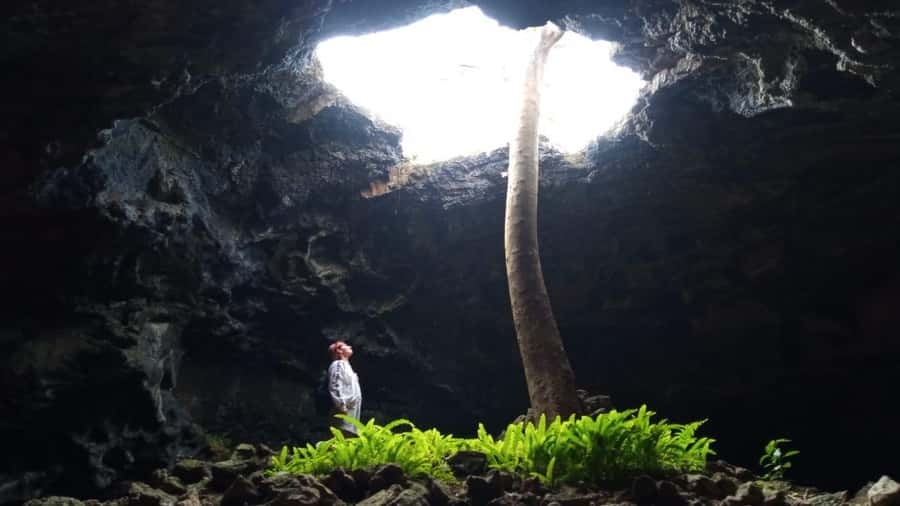
The cave helps explain how Rapa Nui’s volcanic ground was made. As lava moved and cooled, hollow channels could remain beneath the surface. Over time, those channels became natural rooms and passageways. You will see the results as rock surfaces and formations shaped by heat, cooling, and age.
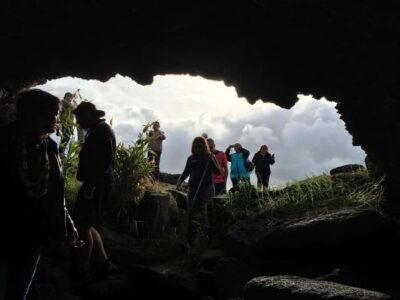
The transition into Ana Kakenga is part of the experience, but it is also where the physical demands become clear. Some entrances on the route are small, and you may need to crawl rather than simply walk inside. If you dislike enclosed spaces, have knee trouble, or prefer firm, level paths, ask for a clear description of the entry before booking.
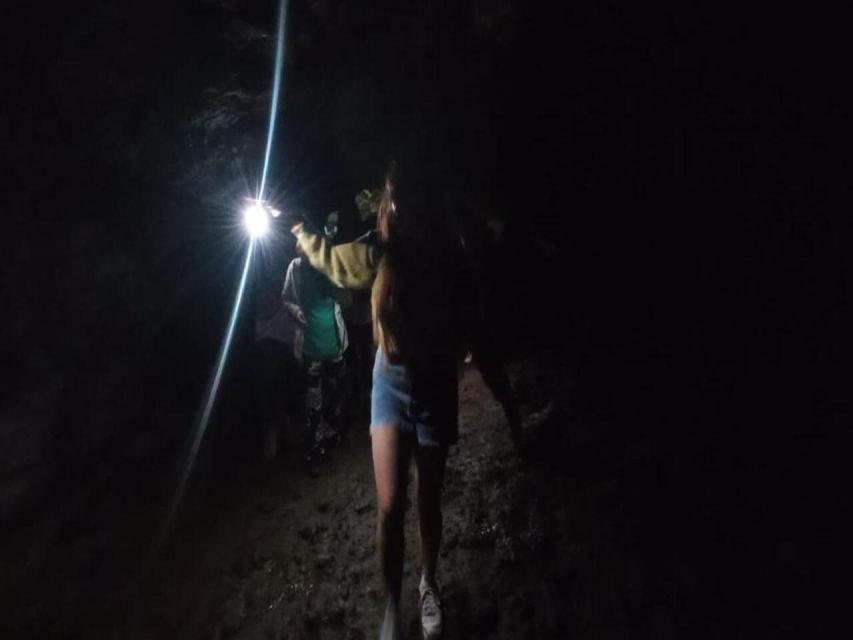
A lantern is included, which matters once daylight fades. It lets you see the surfaces around you and follow the route without relying only on a phone light. Even so, you should bring shoes with a good grip and clothing you can move in comfortably.
The guide adds the important human side. Instead of treating Ana Kakenga as only a geological stop, the tour links it to Rapa Nui stories and beliefs. The result is more useful than a list of rock formations, because you begin to consider why certain sheltered places mattered to the people who knew the island well.
Ana Te Pora and the power of low light
Ana Te Pora offers another look at the island’s underground world. Here, the change from sunlight to shadow creates much of the mood. The cave is not about a single grand object. Its effect comes from the quiet, the uneven walls, and the way a lantern picks out one surface at a time.
I find this kind of stop rewarding because it slows you down. Outdoors, Rapa Nui can feel wide open and exposed. Inside Ana Te Pora, your attention narrows to the next step, the shape of the ceiling, and the sound of the group moving through the passage.
Your guide explains the cultural meaning attached to these places, including ancient beliefs and practices. That context gives the cave more weight. You are not simply entering a hole in the rock for a photograph. You are hearing how underground spaces fit into the wider story of Rapa Nui.
The light and shadow can also make the cave feel more dramatic than expected. Keep your expectations sensible, though. This is a natural site, not a developed attraction with broad walkways or extensive lighting. The roughness is part of its appeal, but it also means you need to watch your footing and accept a little discomfort.
Ahu Te Peu connects caves with moai culture
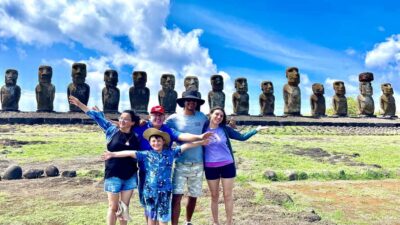
Ahu Te Peu changes the focus from underground geology to ceremonial history. An ahu is a sacred platform associated with moai, and this stop gives you a chance to consider the skill and labor behind the island’s famous stone figures.
The guide explains the craftsmanship involved in creating the moai and the ceremonies once held at the site. That connection matters because the statues can seem mysterious when viewed without context. At Ahu Te Peu, you get a clearer sense that they belonged to a social and spiritual system, not just to the island’s scenery.
The site also breaks up the cave visits. After crouching through dark passages, you return to open air and larger views. I like that rhythm. It keeps the five-hour route from feeling repetitive and gives you a chance to stretch, look around, and take in the scale of the coast.
Do not expect Ahu Te Peu to function like a polished monument complex. The appeal is in the remains, the setting, and the explanation. You are visiting a sacred place with traces of an older ceremonial world, so the experience depends heavily on your guide’s ability to provide context and on your willingness to look carefully.
Same corner of Chile, a completely different day out:
- Full day tour – DREAM
★ 5.0 · 86 reviews - From Hanga Roa: Journey from Orongo to Ana Te Pahu
★ 4.3 · 75 reviews - Rapa Nui Stargazing
★ 4.5 · 62 reviews - Two days of Full Day Tour of Rapa Nui + Sunrise in Tongariki
★ 4.8 · 55 reviews
Ana Te Pahu and the final underground chapter
Ana Te Pahu is the last cave on the route and has a particularly strong sense of place. The guide shares stories about Rapa Nui’s past while you explore the interior, helping you connect the physical cave with the island’s older traditions.
One distinctive feature is the cave’s natural acoustics. Sounds can carry and change inside an enclosed lava tube, making even ordinary movement feel different. That sensory shift adds another layer to the visit and may help you picture how people experienced these spaces before modern lighting or transport.
As with the other caves, the conditions are natural rather than built for easy access. The route may involve uneven ground and cramped sections. A rain cape is included, which is useful in changeable conditions, but it does not turn the cave into a dry, comfortable walkway. Wear clothes you do not mind getting dusty or damp.
Finishing at Ana Te Pahu gives the tour a fitting close. You have seen open coastal views, learned about moai ceremonies, and passed through several forms of volcanic shelter. The final cave brings those threads together: geology provides the setting, and local stories give it meaning.
Coastal cliffs add welcome breathing room
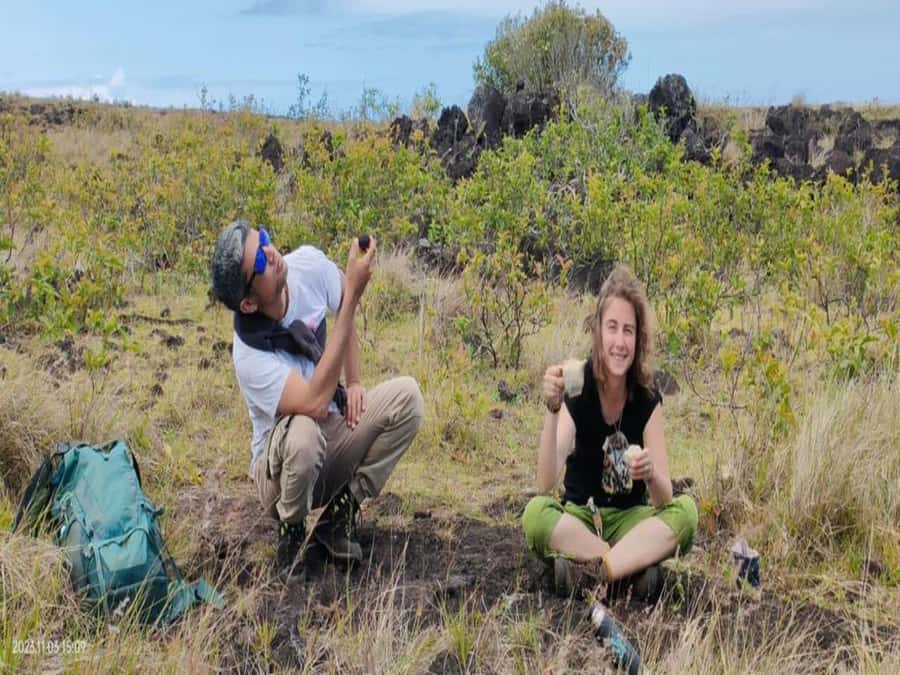
The caves are the headline, but the coastal walking is a major part of the appeal. The route includes peaceful stretches along the cliffs, with broad views that remind you how exposed and remote Rapa Nui can feel.
I especially like this contrast for people who worry that a cave tour might feel cramped from start to finish. You do spend time underground, but you also move through open country and pause to look out across the coast. The scenery gives your eyes a rest before the next low entrance.
The walking is described as relaxing, but you should still prepare for an active outing. Bring comfortable shoes, sunscreen, and clothing suited to movement. The open sections can expose you to sun, while the cave sections may call for careful steps and crouching.
The views also make the tour feel less like a series of enclosed stops. You are not simply being transported from one cave to another. The paths between them help you see how the volcanic ground, coastline, and archaeological sites belong to one connected setting.
The private guide makes the difference
A private group is valuable here because the sites invite questions. You can ask about the meaning of a cave, the construction of a moai, or a local story without waiting for a large group to move along. The guide can also explain the route as you go, rather than saving all the information for one long talk.
The service includes a native guide in English or Spanish. No individual guide names are provided, so you should not expect to request a particular person. What you can expect is local guidance focused on both the natural formations and Rapa Nui culture.
The tour’s strongest praised qualities are its peaceful mood, unusual route, and sense of being away from the busiest sightseeing pattern. One French assessment described it as a memorable experience away from the usual path, while another highlighted the calm walk along the cliffs and the useful information about the island.
That praise fits the design of the outing. It is not trying to rush through a checklist of famous monuments. It gives you time in places where quiet, darkness, and distance matter. If you enjoy asking questions and paying attention to small details, the private setup should suit you well.
Is $150 a fair price?
At $150 per person, this is not a budget walk. The value depends on how much you want a private, guided experience rather than a self-directed visit or a larger shared excursion.
The price includes transportation, pickup, drop-off, a native guide, lanterns, and a rain cape. Those inclusions matter on an island where arranging transport between several scattered sites can take planning. The private format also means you are paying for personal attention, not simply for entry to one cave.
The National Park ticket is not included, so add that cost to your total before deciding. This is the most important extra expense listed for the activity.
I think the price makes the most sense for couples, families, or small groups who value convenience and local explanation. If you are mainly interested in taking quick photographs, you may find a longer private tour harder to justify. If you want to understand what you are seeing and avoid managing the transport yourself, the cost is easier to defend.
The option to reserve now and pay later gives you some planning flexibility, and cancellation is free up to 24 hours before the activity for a full refund. Those terms do not change the tour’s physical demands, but they reduce some of the risk when arranging a busy island schedule.
What to bring and how to prepare
Keep your packing simple:
- Comfortable shoes with reliable grip
- Comfortable clothes that allow crouching and walking
- Sunscreen for the exposed coastal sections
- A willingness to get close to uneven rock and small entrances
Lanterns and a rain cape are provided. You do not need to pack those items, though you should still dress for changing conditions. The supplied equipment supports the route, but it does not remove the need for care inside the caves.
Most importantly, prepare mentally for a half-day adventure rather than a passive sightseeing ride. Some entrances may require you to crawl. That detail is easy to overlook, but it could determine whether you enjoy the outing.
The activity is available in English and Spanish. Since the group is private, you can choose the language that works best for your party when booking.
Who should book this cave tour?
I would recommend it to you if you want to see a less familiar side of Rapa Nui, enjoy natural sites, and appreciate cultural explanation along the way. It is especially well suited to people who have already set aside time for the major moai sites and now want a more unusual half-day.
It also suits small groups who value privacy and flexibility. The coastal walking, cave interiors, and storytelling create a varied outing rather than a single-site visit.
I would think twice if you dislike narrow spaces, cannot comfortably crawl, or want a fully accessible route. The available information does not give a formal accessibility rating, so ask the provider about current conditions before paying if mobility is a concern.
The overall rating is 4.2 from 23 bookings, which suggests a generally strong experience with some room for variation. The clearest pattern is that people enjoy the unusual caves, quiet coastal setting, and local information. The clearest warning is equally plain: some entrances are small.
Should you book the Underground World of Rapa Nui Caves?
Book it if you want volcanic caves, coastal cliffs, and moai culture in one private half-day. The route gives you a side of Rapa Nui that a standard statue-focused visit may not provide, and the native guide adds meaning to places that could otherwise look like dark holes in the ground.
Skip it if you want easy access, broad paths, or a quick photo stop at each site. The $150 price is reasonable for private transport, guiding, equipment, and a five-hour route, but the National Park ticket costs extra and the physical effort is real.
For an active visitor who wants quiet scenery and a closer look at the island’s underground world, this is a strong addition to a Rapa Nui itinerary.
FAQ
How long does the tour last?
The tour lasts five hours and is designed as a half-day excursion.
What sites are included?
The route includes Ana Kakenga, Ana Te Pora, Ahu Te Peu, and Ana Te Pahu.
Is the tour private?
Yes. The activity is operated as a private group experience.
Which languages are available?
The live guide is available in English and Spanish.
Is transportation included?
Yes. Transportation, pickup, and drop-off are included in the tour price.
Are lanterns provided?
Yes. Lanterns are included for the cave sections.
Is the National Park ticket included?
No. The National Park ticket is not included and must be paid separately.
What should I bring?
Bring comfortable shoes, sunscreen, and comfortable clothes. Some cave entrances may require crawling, so clothing that allows easy movement is helpful.
Can I cancel for a full refund?
Yes. You can cancel up to 24 hours in advance for a full refund.
Newest Easter Island trips on the site
- Volcanic Refuges: Excursion to Underground Civilization★ 4.7 · 8 reviews
- Half Day Tour in Rapa Nui★ 5.0 · 48 reviews
- Ride to the highest point on the island for sunset★ 5.0 · 40 reviews
- Tongariki Sunrise: Half Day Private Tour★ 3.8 · 9 reviews
- Terevaka Horse Excursion: The highest point and 360° view.★ 4.7 · 38 reviews
- Easter Island: Private Full Day History Of The Moai★ 4.6 · 12 reviews
- Rapa Nui: Polynesian Massage★ 4.8 · 5 reviews
- Rapa Nui Highlights Program: 3 incredible tours to discover!★ 4.8 · 18 reviews
Easter Island Tours, compared.
Two days of Full Day Tour of Rapa Nui + Sunrise in Tongariki
Read our review →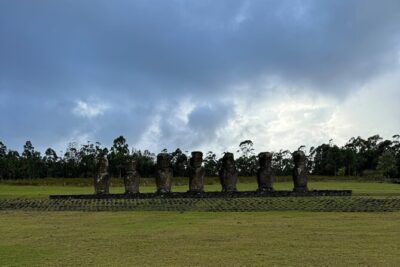
Browse the lists this tour appears in