
Reviewed · MOAI TOURS
Hanga Roa: Full Day Moai and Mistery
The heart of this tour is Rano Raraku, the volcanic quarry where the Moai were carved. You will see statues still attached to the stone and others facing the island, then continue to Tongariki’s famous row of 15 Moai and Anakena Beach. It is a big day, but it gives you a useful first look at Rapa Nui’s main sites.
I like the native local guiding and the mix of major monuments with quieter places such as Pito Kura. I also like the practical value: seven hours of transport, a driver, and a live guide for $100 per person. The main concern is pacing. One recent booking found too much time spent at less interesting stops and too little at Tongariki, so your experience may depend heavily on the assigned guide.
Key points at a glance
- Rano Raraku is the centerpiece: See Moai in different stages of carving at the island’s ancient stone quarry.
- Tongariki brings the big visual moment: Fifteen restored Moai face the Pacific in one powerful row.
- The route covers six important places: Vaihu, Akahanga, Rano Raraku, Tongariki, Pito Kura, and Anakena.
- Local guides add cultural context: English and Spanish guiding is available, and guide Ene is an archaeologist.
- Anakena provides a softer ending: Finish among sand, palms, and turquoise water rather than more ruins.
- Budget for the National Park ticket: Transportation, driver, and guide are included, but park admission is not.
A full day built around the Moai
Rapa Nui can look small on a map, but its archaeological sites are spread around the coast and inland hills. This seven-hour outing handles the driving for you and links many of the places you would want to see on a first visit.
You are picked up in Hanga Roa, the island’s main town. From there, the day moves through ceremonial sites, fallen statues, the quarry, a restored platform, and a beach with strong cultural importance. You will not simply see one famous group of Moai and return to town. You will get a broad view of how the island’s monuments fit together.
That breadth is the tour’s main strength. If you have only one full day for organized sightseeing, the route covers a lot. The tradeoff is that every stop has to share the clock. I would choose this outing for coverage, not for a slow, scholarly visit at each site.
More Full-Day Tours in Easter Island
- Two days of Full Day Tour of Rapa Nui + Sunrise in Tongariki
★ 4.8 · 55 reviews - Easter Island: Full-Day Tour to Anakena
★ 4.7 · 27 reviews - From Hanga Roa: Easter Island Sightseeing Full Day Tour
★ 4.5 · 189 reviews
Vaihu and Akahanga: starting with fallen Moai
At Vaihu, the Moai are part of a quiet coastal setting where the statues stand in relation to an ahu, or ceremonial platform. The site gives you an early look at the scale of the stone figures without beginning with the island’s most famous view.
Your guide can explain what the Moai represented to the Rapa Nui people and why the statues were tied to ceremony, ancestry, and place. That context matters. Without it, the figures can seem like isolated sculptures. With it, you begin to see the island as a network of family and sacred sites.
Akahanga shifts the mood. Here, fallen Moai and toppled topknots lie scattered across the ground. Those broken remains show the island’s later turmoil, but they also make the site feel less polished than the restored monuments you will see later.
I like having Akahanga early in the day because it prevents the tour from becoming a parade of postcard views. You see damage, fragments, and unfinished stories. The drawback is that the site may feel less immediately impressive than Tongariki or Rano Raraku, especially if you prefer large, complete statues.
Rano Raraku, where the statues began
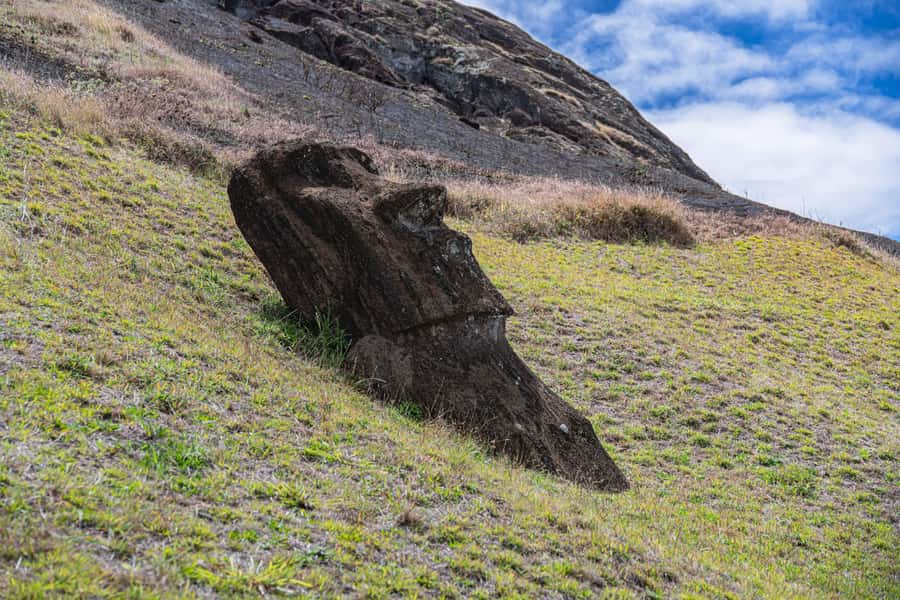
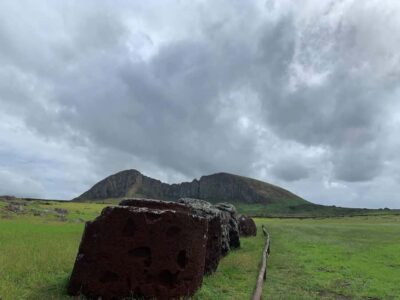
Rano Raraku is the stop that makes the entire tour worthwhile. This volcanic crater was the main quarry for the Moai, and the unfinished figures still visible in the rock help explain how the statues were made.
You will see Moai at different stages of completion. Some remain partly attached to the quarry wall. Others rest around the slopes, giving you a sense of the enormous work involved before a statue ever reached its ahu.
This is also where a good guide matters most. A guide with archaeological training can help you notice the difference between a completed figure, a statue still being shaped, and a monument left behind before transport. Guide Ene is identified as an archaeologist and has received particularly warm praise for the depth of the explanations.
Give your attention to the setting as well as the statues. The crater and surrounding volcanic terrain show why this was a practical place to work, while the unfinished Moai bring the island’s old building process close to eye level. You are not looking at a museum display. You are seeing stone in the place where it was cut.
Because this is one of the most important stops, keep an eye on the time. A seven-hour route has several more sites ahead, and the guide must balance the schedule. If Rano Raraku is your top priority, tell the guide early that you would like enough time here to look carefully rather than rush through.
Tongariki and the fifteen Moai
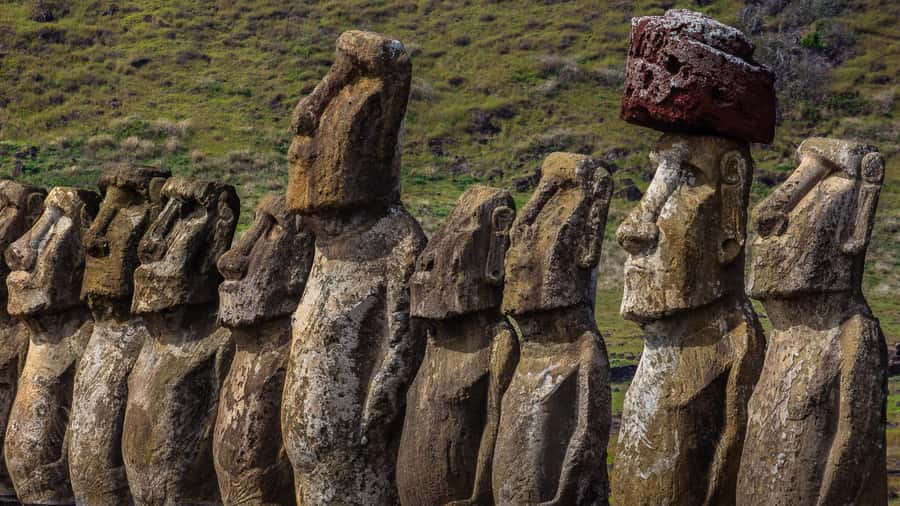
Tongariki supplies the tour’s clearest grand view. Fifteen Moai line the restored ahu with the Pacific behind them, creating the image most people carry in their heads before visiting Rapa Nui.
The power of Tongariki comes from scale and order. After seeing fallen figures at Akahanga and unfinished figures at Rano Raraku, you now see a full ceremonial assembly brought back into form. The arrangement gives you a better sense of the effort required to create and maintain these monuments.
Your guide should explain both the symbolic role of the platform and the restoration work that returned the Moai to their upright position. That restoration is part of the site’s story, not a footnote. The row you see today reflects years of care and cultural pride.
This is also the stop where pacing matters most. One poor experience reported only a quick pass through Tongariki after time had been spent at less rewarding places. I would not treat this as a minor photo stop. If you want time for photographs, wide views, and an explanation of the site, say so politely when the day begins.
The Pacific setting adds drama, but the statues remain the focus. Take a moment to look at the differences in posture, size, and weathering rather than taking one quick picture and returning to the vehicle.
More moai and Rapa Nui archaeology:
- From Hanga Roa: Journey from Orongo to Ana Te Pahu
★ 4.3 · 75 reviews - Sunrise Tongariki: Sunrise at Tongariki Park Private Tour
★ 4.5 · 47 reviews - Ahu Vinapu, Rano Kao and Orongo City Half-Day Tour
★ 4.6 · 20 reviews - Easter Island: The Moai Trail Private Archeological Tour
★ 4.9 · 12 reviews
Pito Kura and the island’s ceremonial side
Pito Kura is less famous than Tongariki, but that can be part of its value. It adds another layer to the day by showing a ceremonial village and features connected to religious and community life.
The supplied details do not specify every structure you will see there, so I would treat this stop as a place for your guide’s interpretation. Ask about the ceremonies held here, how the village was used, and how it relates to the larger network of ahu and Moai sites.
This is the kind of stop that can feel modest if you judge it only by the size of the statues. Its importance comes from the human activity around the monuments. Rapa Nui was not only a place where people carved giant figures. It was also a lived society with rituals, families, and sacred spaces.
If your interests lean toward archaeology and culture, Pito Kura may stay with you longer than its reputation suggests. If you want only the most famous views, it may feel like the least urgent stop on the route.
Anakena Beach gives the day a change of pace
Anakena is a smart final stop because it changes the rhythm completely. After stone platforms and volcanic ground, you reach golden sand, turquoise water, and coconut palms.
The beach gives you a chance to pause and reflect on what you have seen. It also reminds you that Rapa Nui is more than an archaeological destination. The coast, water, and open sky are part of the island’s character.
Do not expect Anakena to replace a full beach day. The tour finishes here, and the listed duration is seven hours, so your time may be limited by the rest of the route. Still, the setting makes a pleasant finish and gives you a chance to take photographs that look very different from those at the inland quarry.
The contrast is useful. The Moai sites can feel heavy with age and unanswered questions. Anakena is lighter, open, and inviting. Together, they show two sides of the island.
Why the local guide makes a difference
The tour lists native expert guides, with live commentary in English or Spanish. That is important on Rapa Nui, where the meaning of a site cannot always be understood from the stones alone.
I would pay close attention to the guide assigned to your group. Ene, identified as an archaeologist, has earned strong praise for clear and substantial explanations. Zoe has also been praised warmly for her hospitality. Those individual details suggest that the best version of this tour comes when the guide is engaged, prepared, and generous with time.
The experience is not uniformly dependable. One recent booking described a guide as unmotivated and said the guide slept during the drive, while the driver still did a good job. That is a serious complaint, especially on a cultural tour where interpretation is a central part of the price.
The overall rating is 4.4 from 22 reviews, which points to a generally positive experience but not a flawless one. I would book with realistic expectations: the route and sites are excellent, while the quality of the day can vary with the guide and the way the hours are managed.
Is $100 a fair price?
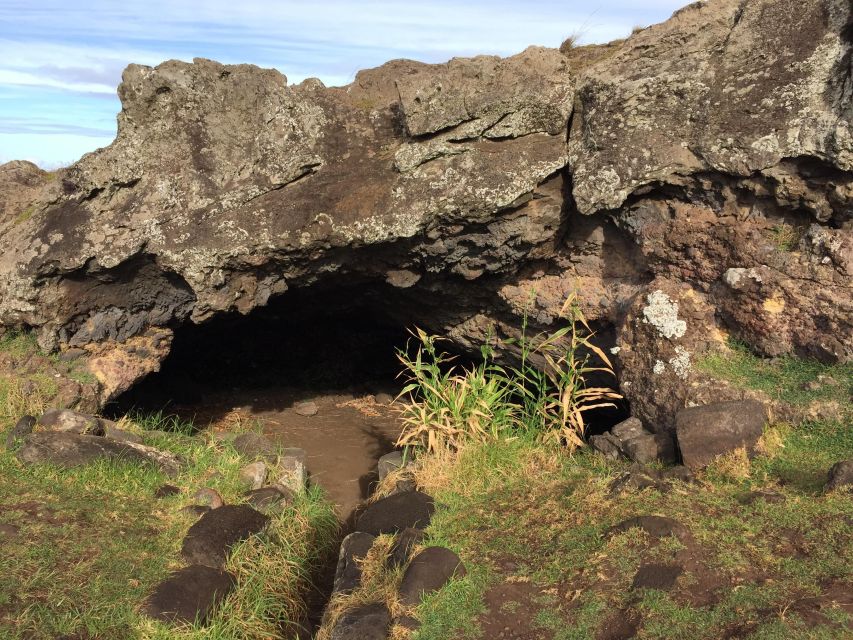
At $100 per person, this tour offers reasonable value if you want transport around the island and a guide who can connect the sites. You are paying for a full seven-hour outing, a driver, pickup in Hanga Roa, and visits to six major locations.
The price is less attractive if you already have reliable transport and prefer to explore at your own pace. A private or self-directed visit could give you longer at Rano Raraku and Tongariki, though the supplied information does not provide prices for other options.
Remember that the National Park ticket is not included. Add that cost before comparing the total with other tours. The ticket is not a small technical detail, because these sites are the reason you are booking the day in the first place.
The reserve-now-and-pay-later option and free cancellation up to 24 hours before departure make planning easier. Those terms are useful if your island schedule is still changing, but they do not change the basic value question: this is a transport-and-interpretation tour, not simply a ride between photo stops.
Who will get the most from this outing?
I would recommend it most strongly to a first-time visitor with one full sightseeing day. The route gives you the major Moai sites, a ceremonial location, and Anakena without requiring you to organize transport across Rapa Nui.
It also suits you if you want cultural explanation rather than a self-guided circuit. The English and Spanish options make the tour practical for many international visitors, and an archaeologist such as Ene can add useful detail to the quarry and restoration sites.
You may want another plan if you dislike a fixed schedule or want long, quiet periods at each monument. The route is ambitious, and the negative experience described above shows why you should ask at the start how much time will be spent at Tongariki and Rano Raraku.
The tour is listed as wheelchair accessible. Since the information does not explain the surfaces or access conditions at each archaeological site, you should confirm the practical details before booking if you need specific mobility support.
A few practical tips for the seven-hour route
Start by confirming your Hanga Roa pickup details and the language you want. The tour offers English and Spanish guiding, so clear communication at the beginning can help set the tone for the day.
Keep the National Park ticket in your budget. It is not included in the $100 price.
Use the first part of the day to identify your priorities. If the quarry and Tongariki matter most to you, tell the guide. That is especially sensible because one recent experience felt that the best-known site received too little time.
Bring your questions. Ask about the meaning of the Moai, the fallen figures at Akahanga, the unfinished statues at Rano Raraku, Tongariki’s restoration, and the ceremonies linked to Pito Kura. A good guide can turn the drive between sites into part of the learning rather than dead time.
Should you book Hanga Roa: Full Day Moai and Mistery?
Book it if you want a broad, efficient introduction to Rapa Nui and value having transport, a driver, and a local guide in one package. The route is strong, Rano Raraku and Tongariki are essential stops, and Anakena gives the day a welcome change of mood.
I would be more cautious if you are highly particular about guide quality or want to linger at every major site. The mixed experience with pacing and one poor guide report are worth taking seriously.
My call: this is a sensible first-day tour for most visitors, especially if you have limited time on the island. Confirm the National Park ticket cost, tell the guide which sites matter most, and treat the day as a wide introduction rather than a slow archaeological study.
FAQ
Where does the tour begin?
Pickup is available from Hanga Roa on Rapa Nui.
How long does the tour last?
The tour lasts seven hours.
Which sites are included?
The route includes Vaihu, Akahanga, Rano Raraku, Tongariki, Pito Kura, and Anakena Beach.
Is transportation included?
Yes. Transportation, a driver, and a local guide are included.
Is the National Park ticket included?
No. The National Park ticket is not included in the tour price.
What languages are available?
Live guiding is available in English and Spanish.
Is the tour wheelchair accessible?
The activity is listed as wheelchair accessible.
Can I cancel for a full refund?
Yes. You can cancel up to 24 hours in advance for a full refund.
More Full-Day Tours in Hanga Roa
- Small-Group Cajón del Maipo Full-Day Tour and Picnic
★ 4.5 · 2,277 reviews - Piedras Rojas, Altiplanics Lagoons & Salar Full-Day Tour
★ 4.7 · 592 reviews - From El Calafate: Torres del Paine Full Day Tour
★ 4.6 · 434 reviews - Punta Arenas: Full-Day Whales, Penguins, and Glaciers Tour
★ 4.9 · 325 reviews
Newest Hanga Roa trips on the site
- Volcanic Refuges: Excursion to Underground Civilization★ 4.7 · 8 reviews
- Rapa Nui: Polynesian Massage★ 4.8 · 5 reviews
- Rapa Nui Highlights Program: 3 incredible tours to discover!★ 4.8 · 18 reviews
- Rapa Nui: 3 Excursions with Hotel Transfers★ 4.3 · 6 reviews
- Rapa Nui Dreams: Experiencie Pack 3 Days★ 4.7 · 32 reviews
- Ahu Vinapu, Rano Kao and Orongo City Half-Day Tour★ 4.6 · 20 reviews
- Easter Island: Tropical Diving★ 4.8 · 13 reviews
- Easter Island: Half-Day Archaeology Tour★ 4.2 · 19 reviews
Moai Tours, compared.
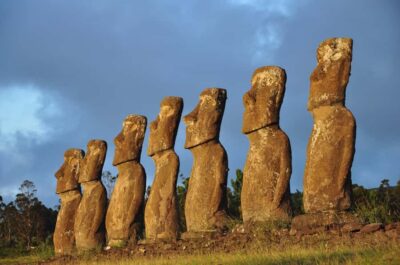
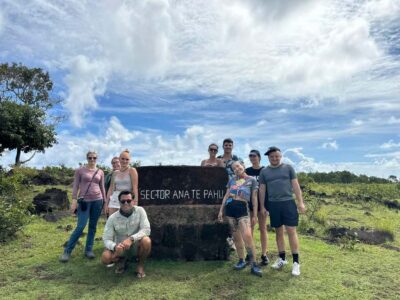
Two days of Full Day Tour of Rapa Nui + Sunrise in Tongariki
Read our review →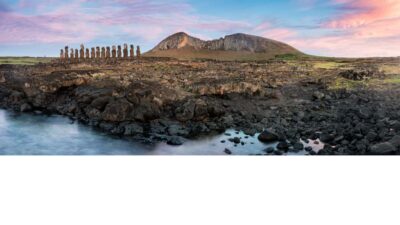
Sunrise Tongariki: Sunrise at Tongariki Park Private Tour
Read our review →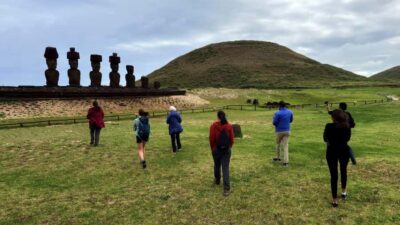
Ahu Vinapu, Rano Kao and Orongo City Half-Day Tour
Read our review →
Private tour: where the history of the Moai was born
Read our review →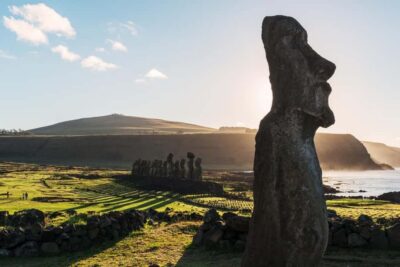
Browse the lists this tour appears in