
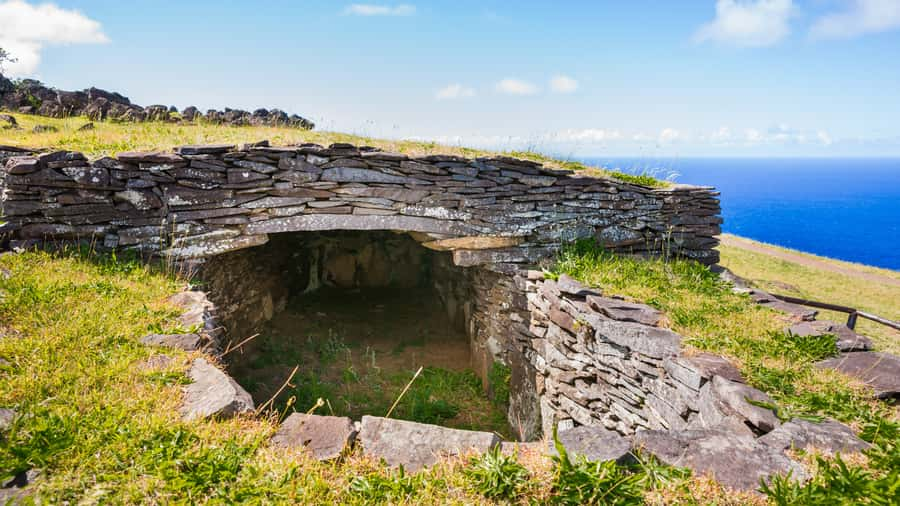
Reviewed · MOAI TOURS
Orongo: The mythical city of kings
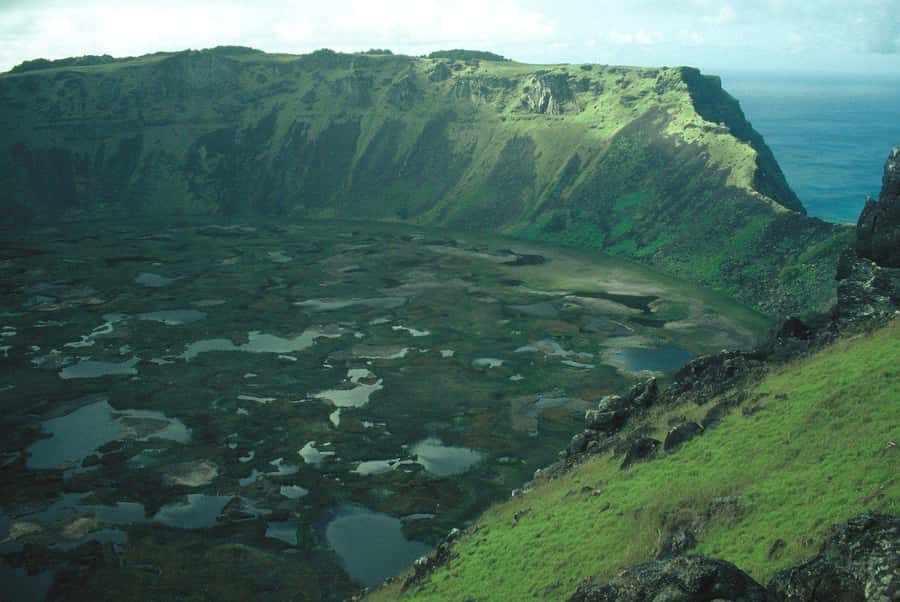
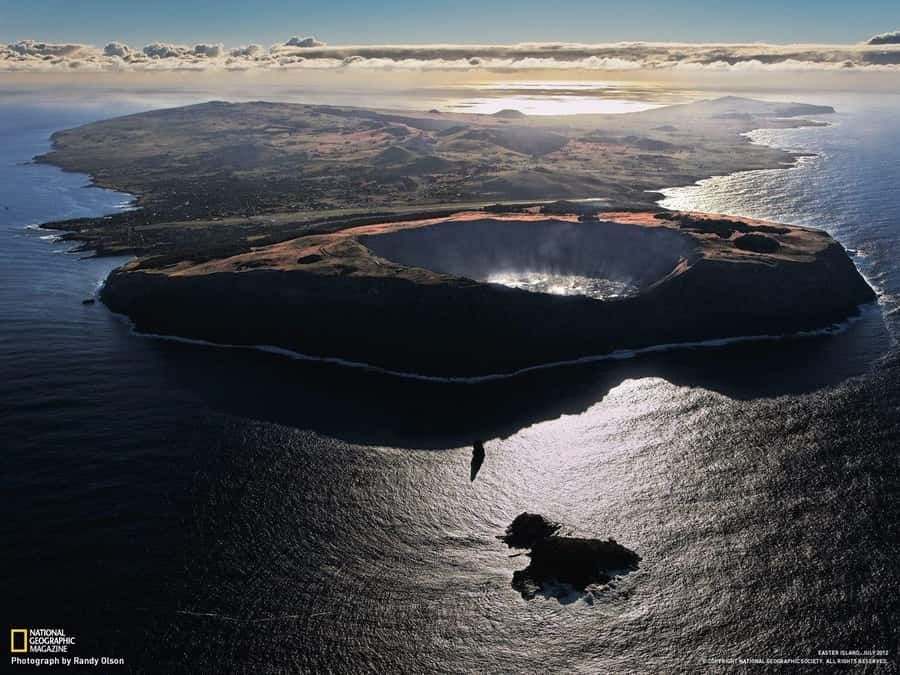
Orongo is one of the most striking places on Rapa Nui, perched beside the huge Rano Kau crater with the Pacific dropping away beyond it. This private tour links that ceremonial village with Ahu Vinapu, giving you a strong look at the island’s religion and royal traditions, not just its famous moai.
I like the efficient route, especially if you have only one morning or need to leave on an afternoon flight. I also like the private format, which gives you a better chance to ask about petroglyphs, myths, and island customs. The main concern is guide quality: one recent visitor found the guide nearly silent, while others praised Hete for answering questions and sharing stories.
Key points at a glance
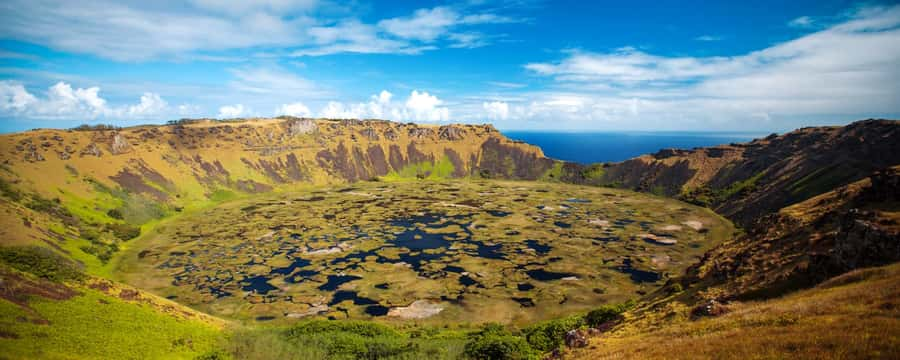
- Rano Kau’s great crater: Begin at a sacred volcanic site with a broad view into the crater and its unusual inner world.
- Orongo’s birdman ceremony: Learn how this cliff-top village was tied to religion, power, and competition among Rapa Nui leaders.
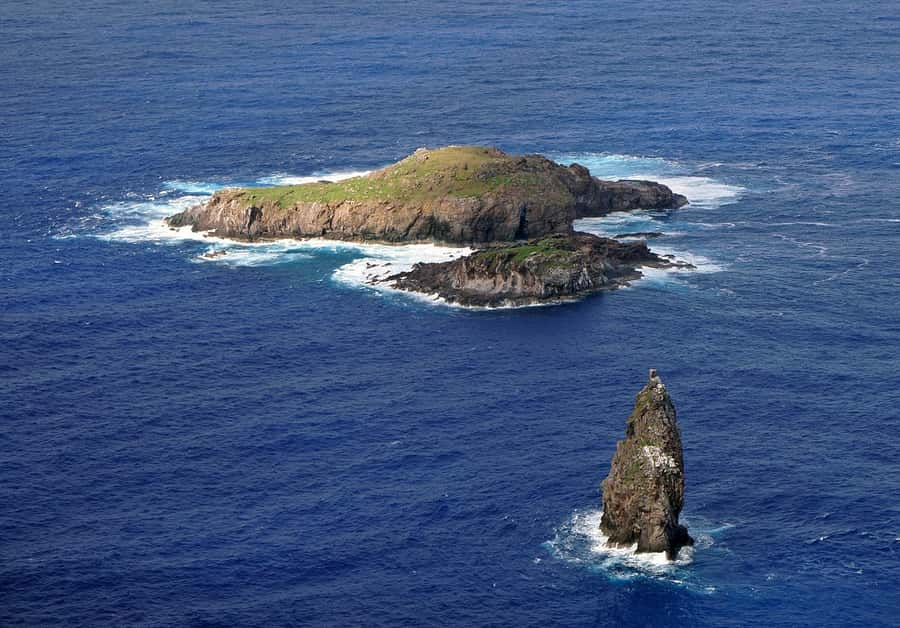
- Petroglyphs and ocean views: Look for the famous carved symbols while viewing the sea and nearby islands.
- Ahu Vinapu’s stonework: Add an important ceremonial platform to a route that is not centered only on moai statues.
- Private three-hour format: This suits a short stay, a tight schedule, or anyone who prefers direct conversation with a guide.
- Guide choice matters: Hete received especially warm praise, but the experience can depend heavily on who leads your outing.
Why Orongo gives this tour its character
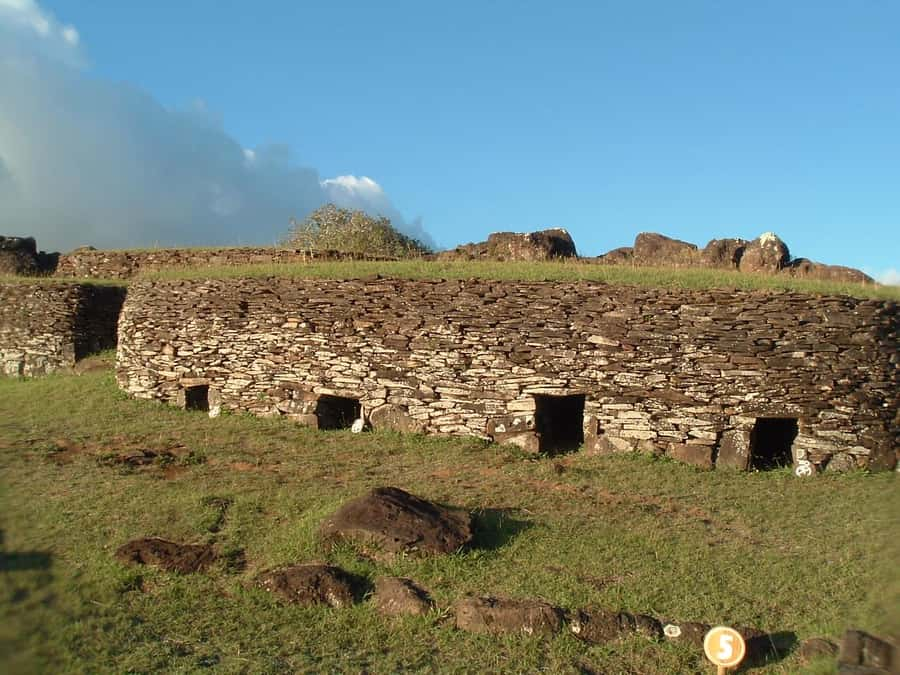
Many Rapa Nui tours focus on moai. This one takes you into a different part of the island story. Orongo was a ceremonial village connected to the birdman religion, a later spiritual and political tradition that shaped life on Rapa Nui.
The setting does much of the work. Orongo sits near the rim of Rano Kau, where the ground falls toward the ocean and the crater spreads out behind you. From here, the old ceremonies make more sense. This was not simply a settlement. It was a place tied to ritual, authority, and the contest for power.
You will hear about Rapa Nui mythology and religion as you walk. The value of a guide is clear here, because the stones and carved symbols do not explain themselves. A good guide can connect the village, the petroglyphs, the sea, and the island’s beliefs without turning the visit into a list of dates.
That said, this is not a long archaeological day. The scheduled time at Orongo is about 50 minutes, including the guided walk and views along the way. You will see the main setting and gain useful context, but you will not have hours to examine every feature at a slow pace.
More moai and Rapa Nui archaeology:
- From Hanga Roa: Journey from Orongo to Ana Te Pahu
★ 4.3 · 75 reviews - Two days of Full Day Tour of Rapa Nui + Sunrise in Tongariki
★ 4.8 · 55 reviews - Sunrise Tongariki: Sunrise at Tongariki Park Private Tour
★ 4.5 · 47 reviews
Rano Kau: a volcanic beginning
The tour begins with pickup in Easter Island and continues to Rano Kau. The visit here lasts about 30 minutes, with sightseeing and a walk around the viewpoint area.
Rano Kau is a sacred place in the cultural and religious life of Rapa Nui. Its broad volcanic crater gives the tour an immediate sense of scale. You are looking at an immense natural formation, but the important point is how the ancient inhabitants understood and used places like this.
The crater is especially useful as an introduction to the island. It shows you that Rapa Nui is not only a collection of statues. Volcanoes, cliffs, water, and ceremonial sites are tied together. I like beginning here because it gives the rest of the tour a setting rather than treating each stop as an isolated monument.
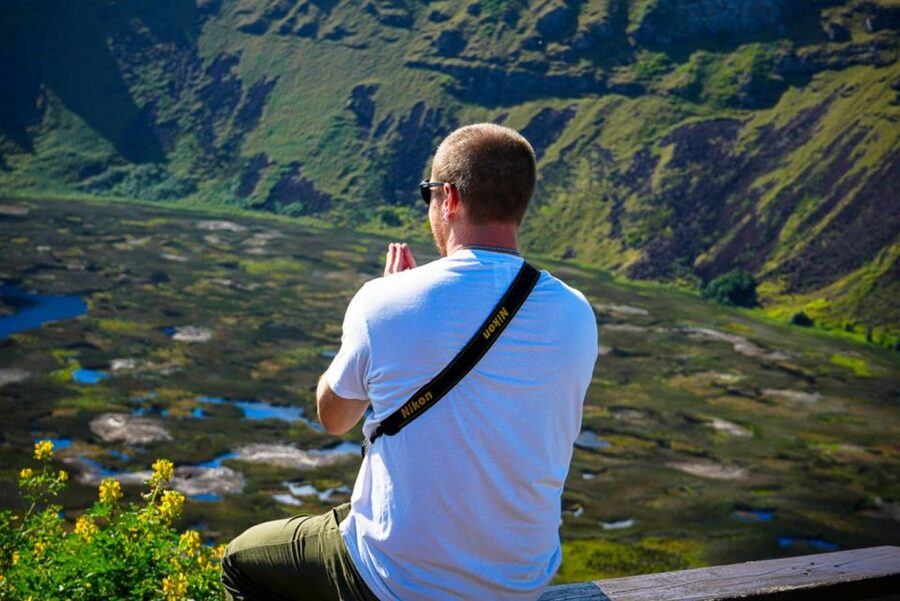
The 30-minute visit is enough for a guided look and photographs, but it is not generous. If you like lingering over views, you may wish the schedule allowed more time. The private format may help if the group is small and moving at a comfortable pace, but the overall tour still has three main stops to cover.
Ask your guide to explain the connection between Rano Kau and Orongo. That link is more important than simply checking off a crater and then driving away. The most useful part of the visit is learning why this volcanic site mattered to Rapa Nui culture.
Orongo and the island’s birdman traditions
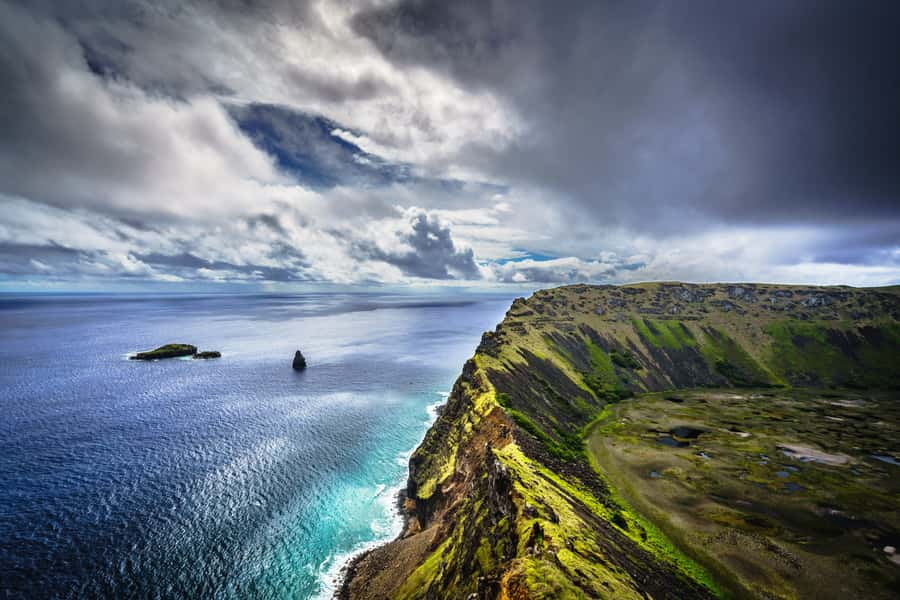
From Rano Kau, you continue to Orongo. The route includes scenic views on the way, followed by a guided walk through the ceremonial village.
Orongo is the emotional center of the experience. Its position near the crater and the sea makes it feel exposed and dramatic. You can look out over the ocean and neighboring islands while learning about the religious practices associated with the village.
The famous petroglyphs are a major reason to come. They give you a direct look at the symbols used in Rapa Nui belief. You should listen closely here, since the meaning of a carving may depend on the story and setting your guide provides.
The tour description highlights mythology and religion, and Orongo is where those subjects become most concrete. You are not merely seeing old stone walls. You are hearing about a system of belief and ceremony that shaped leadership on the island.
This is also where guide skill matters most. A lively, well-prepared guide can answer questions and explain the relationship between the village, the crater, the ocean, and the carved figures. Hete has been praised for responding to questions and discussing the island in a relaxed way. If you are assigned Hete, expect a more conversational outing based on that experience.
There is a practical caution. A recent participant described a young guide who offered little explanation and mostly drove between stops. That account is sharply different from the stronger experiences associated with Hete and other guides. Since the tour is private, the quality of your personal interaction can shape the entire day. Ask questions early and clearly, especially if you want more than transport and photo stops.
Ahu Vinapu and the quieter side of Rapa Nui
The final main stop is Ahu Vinapu, with about 40 minutes for a visit, guided walk, and photographs.
Ahu Vinapu adds balance to the tour. Orongo is tied strongly to ceremony and mythology, while Vinapu brings attention back to the island’s ceremonial stone platforms. It also helps explain why a western Rapa Nui route can feel different from areas known mainly for rows of moai.
One visitor chose this tour specifically because the route offered a productive way to see the western part of the island before an afternoon flight. That is a useful clue for planning. You get several important sites in a compact morning rather than spending the whole day on a longer circuit.
The stop is also a good reminder that Rapa Nui history cannot be reduced to statue viewing. Platforms, stone construction, sacred sites, and religious practice are part of the same larger story. Your guide can help you connect Vinapu with what you have already seen at Rano Kau and Orongo.
You should expect a focused visit, not a long study session. The 40-minute stop gives you time to see the site and ask questions, but you may need to choose between extended photography and a fuller explanation. If you want both, say so at the start of the tour.
A few more Chile half-days worth a look
- From Hanga Roa: Rapa Nui Culture Sightseeing Tour
★ 4.6 · 307 reviews - From Hanga Roa: Easter Island Highlights 2-Day Tour
★ 4.3 · 205 reviews - From Hanga Roa: Easter Island Sightseeing Full Day Tour
★ 4.5 · 189 reviews - Full day tour – DREAM
★ 5.0 · 86 reviews
A private tour that works well with a tight schedule
The advertised duration is three hours, while the detailed description allows roughly three to four hours. The timed visits add up to about two hours, with the remaining time used for driving, pickup, returning to your hotel, and the transitions between sites.
That makes the tour useful for several kinds of plans. You might book it on a short visit to Easter Island, use it on the morning before an afternoon departure, or choose it when you want a private route instead of a larger group outing.
Pickup and return to your hotel are included. You should wait in the hotel lobby 10 minutes before the scheduled pickup time. The tour begins and ends on Easter Island, so you do not need to arrange separate transport to the first site.
The private group format is a real advantage if you have a focused interest. You can ask about religion, petroglyphs, stonework, or local mythology without waiting for a large group to catch up. It also gives you a chance to request a little extra time at one location, although the schedule and guide will determine what is possible.
One visitor asked to add a place that was not part of the planned route and said the guide agreed. I would not count on an extra stop, since no formal promise is given, but it is reasonable to ask politely if your timing allows. The shorter the tour, the more important it is to raise special requests before setting off.
What the $169 price includes, and what it does not
At $169 per person, this is not a budget sightseeing ride. The price makes more sense if you value a private group, hotel pickup, a multilingual guide, and a compact route covering three significant sites.
You are paying for convenience and personal attention as much as for the places themselves. A private vehicle and a direct route can be worthwhile on an island visit where your time is limited. If you are traveling alone or with only one companion, the per-person cost may feel high. For a small group splitting the private experience, the value improves.
The price does not include food or drinks, tips, or the entrance ticket to the site. That entrance fee is important to check before booking, since the advertised price is not the full cost of the outing.
There is no meal built into the tour, so plan to eat before pickup or after returning to your hotel. The tour lasts only a few hours, but the outdoor stops and walking make it sensible to carry water unless your hotel arrangements cover that need.
The cancellation policy gives you room to adjust plans: you can cancel up to 24 hours ahead for a full refund. You can also reserve now and pay later, which is useful when your island schedule is still changing.
Guide language and the importance of asking questions
Guiding is available in French, English, and Spanish. That broad choice is helpful on a tour where interpretation matters as much as scenery.
Do not hesitate to say what interests you. If you want mythology, ask for the religious story behind Orongo. If you care about archaeology, ask how Ahu Vinapu fits into the island’s ceremonial traditions. If you mainly want photographs, tell the guide that too.
The strongest accounts of this outing involve guides who answer questions, share information about the island, and keep the mood friendly. Hete is the only guide named in the available feedback, and the comments about him are especially positive. At the same time, the sharply negative account shows why you should not assume every departure will feel identical.
A private tour should feel personal, so basic silence is a fair concern. If your guide gives little explanation, ask direct questions at the first stop. That may change the pace and content of the outing. If it does not, you will at least know early that the experience is more transport than interpretation.
Who should book this Rapa Nui outing
I would recommend this tour to you if you want to understand Rapa Nui beyond its moai. The combination of a sacred volcano, a ceremonial village, petroglyphs, ocean views, and Ahu Vinapu gives you a useful western-island introduction.
It is also a strong fit if you have limited time. The route is compact, private, and organized around three important locations. The visitor who had an afternoon flight used the morning efficiently, and that is exactly the kind of schedule this tour serves.
It may suit you less if you want a slow, full-day archaeological experience. The stops are short, and the focus is on the main sights rather than extended walking or a broad island circuit. You should also think carefully if the site entrance fee, food, drinks, and tips would push the total beyond your budget.
The tour is best for people who enjoy asking questions. The content is cultural and historical, not simply scenic. You will get more from it if you want to discuss Rapa Nui religion, mythology, and ceremonial life.
Should you book Orongo: The mythical city of kings?
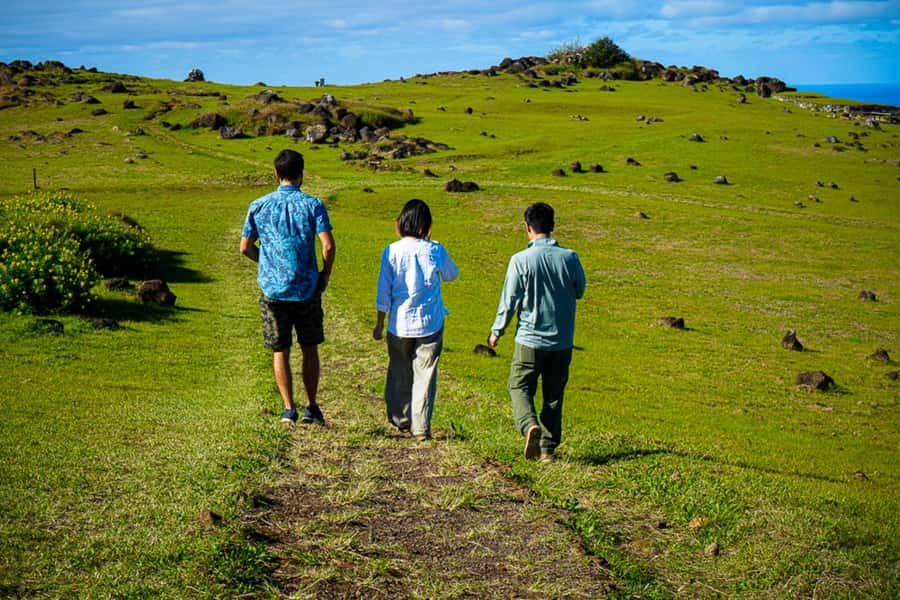
Book it if you have three to four hours, want a private outing, and need a focused look at Rano Kau, Orongo, and Ahu Vinapu. The route offers more than statue photography, and the setting around Orongo is one of the most memorable parts of western Rapa Nui.
I would book with two conditions in mind. First, budget separately for the entrance ticket, food, drinks, and tip. Second, confirm the available guide language and make your interest in detailed guiding clear at the start.
The best version of this tour is a thoughtful conversation about sacred places, birdman traditions, petroglyphs, and island culture, with Hete being a particularly encouraging guide match if available. The weaker version is simply a drive between viewpoints. For a private tour costing $169 per person, that difference matters. Ask questions, use the short schedule well, and book it when efficiency and cultural context matter more to you than a long, leisurely day.
FAQ
Where does the tour begin?
Pickup is provided in Easter Island, with hotel pickup included. You should wait in the hotel lobby 10 minutes before your scheduled pickup time.
How long does the tour last?
The stated duration is three hours. The detailed description allows approximately three to four hours, depending on the schedule and travel time between stops.
Which places does the tour visit?
The route includes Rano Kau, the ceremonial village of Orongo, and Ahu Vinapu before returning to Easter Island.
How much time is planned at Rano Kau?
The guided visit and walk at Rano Kau take about 30 minutes.
How much time is planned at Orongo?
The guided walk and sightseeing at Orongo take about 50 minutes.
How much time is planned at Ahu Vinapu?
The visit, guided walk, and photo stop at Ahu Vinapu take about 40 minutes.
What languages are available?
Live guiding is available in French, English, and Spanish.
Is the tour private?
Yes. The experience is arranged for a private group.
Are food, drinks, and entrance tickets included?
No. Food and drinks, tips, and the ticket to enter the site are not included in the price.
Newest Chile trips on the site
- Walking City Tour with Funicular, Cable Car and Tasting★ 4.3 · 6 reviews
- Ascent to Villarrica volcano 2,847masl, from Pucón★ 4.8 · 36 reviews
- Volcanic Refuges: Excursion to Underground Civilization★ 4.7 · 8 reviews
- Viña del Mar: Guided city tour★ 4.9 · 10 reviews
- Viña del Mar and Reñaca 4-Hour Pacific Coast Tour★ 4.7 · 14 reviews
- Viña del Mar and Valparaiso: guided day tour★ 4.2 · 8 reviews
- Valparaíso Viña del Mar y Reñaca★ 4.6 · 22 reviews
- Valparaíso y Viña del Mar full day★ 4.6 · 3 reviews
Moai Tours, compared.
Two days of Full Day Tour of Rapa Nui + Sunrise in Tongariki
Read our review →
Sunrise Tongariki: Sunrise at Tongariki Park Private Tour
Read our review →
Ahu Vinapu, Rano Kao and Orongo City Half-Day Tour
Read our review →
Private tour: where the history of the Moai was born
Read our review →Browse the lists this tour appears in