
Reviewed · MOAI TOURS
Easter Island: Private Full Day History Of The Moai
The most striking part of this tour is the way it links the Moai to the island that made them. You move from fallen and unfinished statues to the grand row at Ahu Tongariki, then end beside the sand and water at Anakena. It is a long day, but it gives you a strong first look at Rapa Nui’s eastern and northern shores.
I like two things in particular: the private group format, which gives you room to ask questions, and the time at Rano Raraku, where the Moai remain in various stages of carving. The main caution is organization. Some bookings have had delayed or confused pickups, so confirm your meeting point and time before setting out.
Key points to know before booking
- Rano Raraku gets two hours, making it the most substantial stop and the heart of the Moai story.
- Ahu Tongariki has 15 Moai, one of the island’s most memorable sights and a major reason to choose this route.
- Anakena includes 100 minutes, with time for sightseeing, free time, photos, and a break.
- The tour is private, so you are not tied to a large group’s pace.
- Food and park entry are extra, while one bottle of water per person is included.
- Pickup communication needs care, especially if you arrive by cruise tender rather than staying at a hotel.
Why this route works for a first day on Rapa Nui
Rapa Nui can feel small on a map, yet its important archaeological sites are spread around the coast and inland volcanic slopes. A private vehicle and guide save you from piecing together the route yourself. In seven hours, you see ceremonial platforms, a sacred stone, a Moai quarry, a grand restored platform, and two beaches.
I find this especially useful if you have limited time on the island. The tour does not linger at just one major site. Instead, it gives you a connected story: how the statues were carved, moved, raised, placed on platforms, and later found fallen or unfinished.
The route is not only about taking pictures of famous statues. At Akahanga, you see Moai lying near their original ceremonial setting. At Rano Raraku, unfinished figures show that the work stopped before every statue reached its intended destination. At Tongariki, the scale of the restored platform makes the island’s ceremonial tradition easier to grasp.
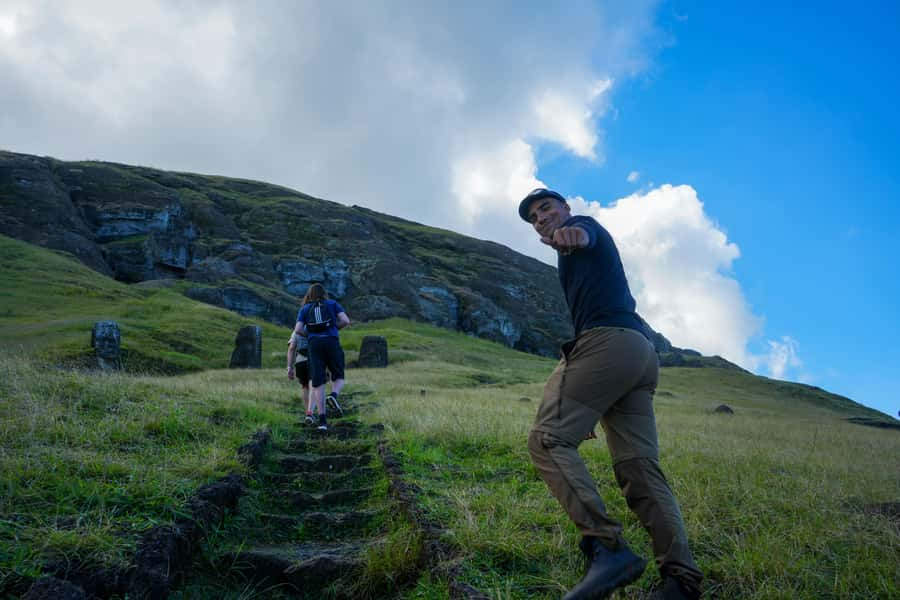
You should expect a full schedule. Several stops are short, and the route includes walking on uneven ground. The pace suits someone who wants broad coverage more than a slow, single-site archaeological visit.
More Full-Day Tours in Easter Island
- From Hanga Roa: Easter Island Sightseeing Full Day Tour
★ 4.5 · 189 reviews - Full day tour – DREAM
★ 5.0 · 86 reviews - Two days of Full Day Tour of Rapa Nui + Sunrise in Tongariki
★ 4.8 · 55 reviews
Starting near Hanga Roa and the Vinapu question
Pickup is included from your hotel, and you are asked to wait in the lobby ten minutes before the scheduled time. The route information also refers to a starting visit near Hanga Roa and mentions Ahu Vinapu, a site known for carefully fitted stonework that has often drawn comparisons with Inca masonry.
There is an important detail to check before you book. The stated tour description includes Vinapu, but the timed itinerary lists a location marked RJQR+F6 in Hanga Roa rather than a separate Vinapu stop. It also gives stops at Akahanga, One Makihi, Rano Raraku, Tongariki, Ovahe, Te Pito Kura, and Anakena.
Ask the operator to confirm the exact stops on your date. Two of the shorter photo stops have occasionally been skipped, according to the supplied booking feedback. That may be a simple timing decision, but it matters if Vinapu or One Makihi is high on your list.
Pickup is the other point to handle in advance. Simon once waited for a late tender arrival, which is encouraging if your ship is running behind. But another booking had a one-hour delay, and a separate cruise arrival involved a half-hour wait because nobody was immediately visible at the port. If you are coming ashore by tender, send your arrival details ahead of time and make sure you know where the guide will stand.
Ahu Akahanga and the sight of fallen Moai
Ahu Akahanga is scheduled for about 30 minutes. This is a short visit, but it introduces an important part of Rapa Nui’s story: not every ceremonial platform looks like Tongariki today.
Here, you can see Moai lying near the ahu, or ceremonial platform, rather than raised in a neat row. The stop gives your guide a chance to explain how the statues once formed part of a community’s sacred setting and how the site looks after centuries of change.
I would use this first stop to ask basic questions. What did the ahu represent? How were the statues positioned? Why are some figures standing while others are down? A private tour is at its best when you use the guide to connect these details instead of waiting for a memorized speech.
That point is worth stressing because guide quality appears to vary. Simon received praise for explaining the island’s history, culture, and language. Flora was also singled out as warm and effective. One English-language booking, however, found the explanations repetitive and difficult to follow. If your guide’s English, French, or Spanish is unclear, say so early and ask short, specific questions.
One Makihi and Te Pito Kura
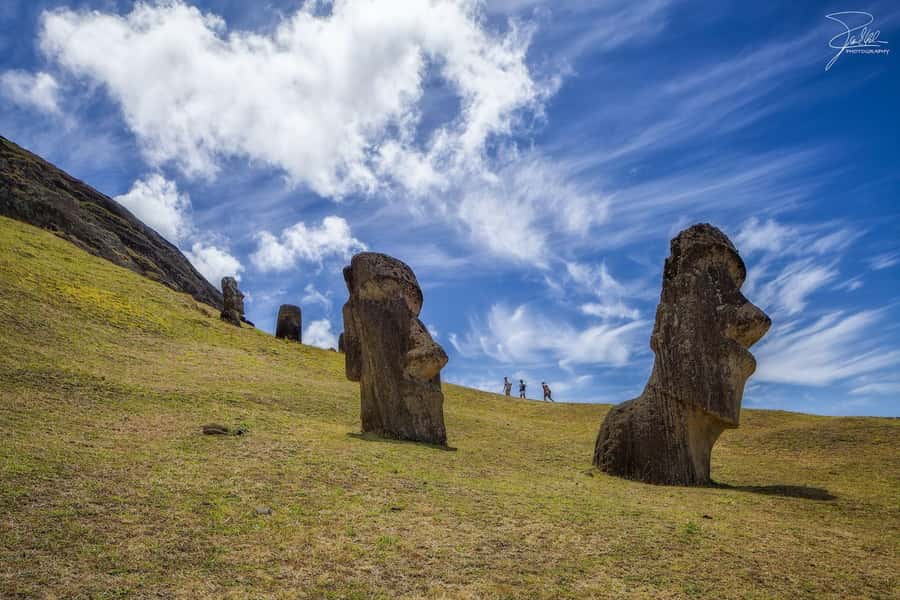
One Makihi is planned as a 30-minute photo and sightseeing stop. The feature here is a supine, finely carved Moai, a different sight from the familiar upright figures on an ahu. It is one of the shorter visits, so you may spend more time looking and photographing than walking.
Next comes Ahu Te Pito Kura, scheduled for about 20 minutes. The area is tied to a sacred place and includes one of the largest Moai on the island. The guide’s explanation is important here because size alone does not tell you why these statues mattered to Rapa Nui communities.
The itinerary places Te Pito Kura after Ovahe, while the descriptive route mentions it earlier. That is not a major concern, but it shows why you should treat the timing as an outline rather than a guarantee down to the minute.
At both stops, I would keep your expectations practical. These are compact visits, not extended archaeological walks. They work well as supporting chapters in the day’s story, but Rano Raraku and Tongariki are the places where you will spend the most meaningful time.
More moai and Rapa Nui archaeology:
- From Hanga Roa: Journey from Orongo to Ana Te Pahu
★ 4.3 · 75 reviews - Sunrise Tongariki: Sunrise at Tongariki Park Private Tour
★ 4.5 · 47 reviews - Easter Island: Full-Day Tour to Anakena
★ 4.7 · 27 reviews - Hanga Roa: Full Day Moai and Mistery
★ 4.4 · 22 reviews
Rano Raraku, where the Moai were carved
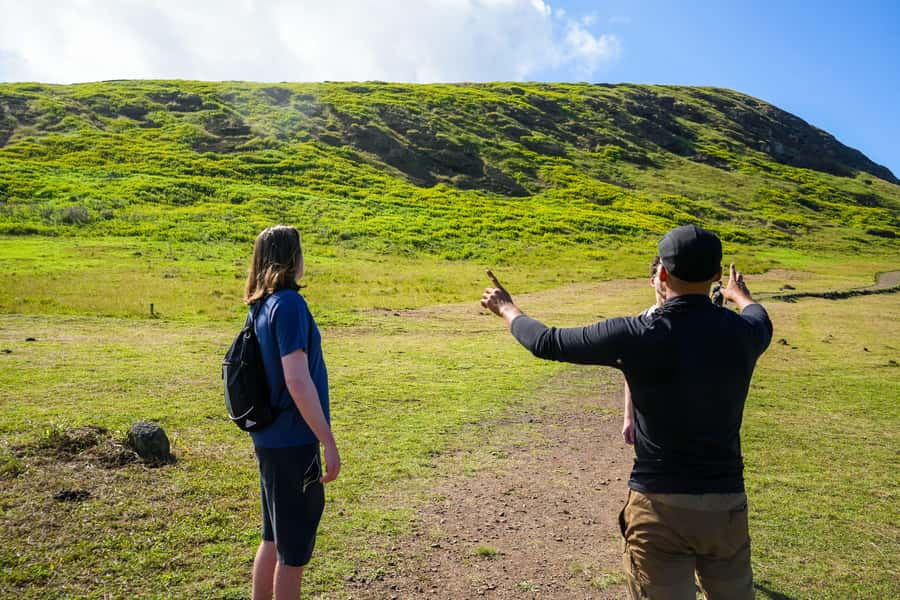
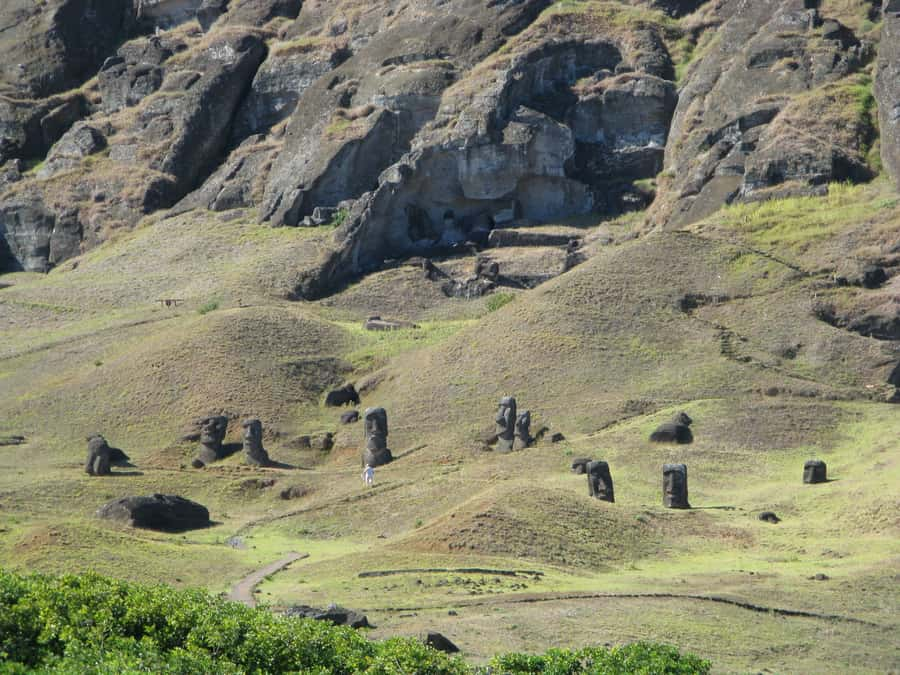
Rano Raraku receives about two hours, by far the longest stop before Anakena. This is the tour’s central experience.
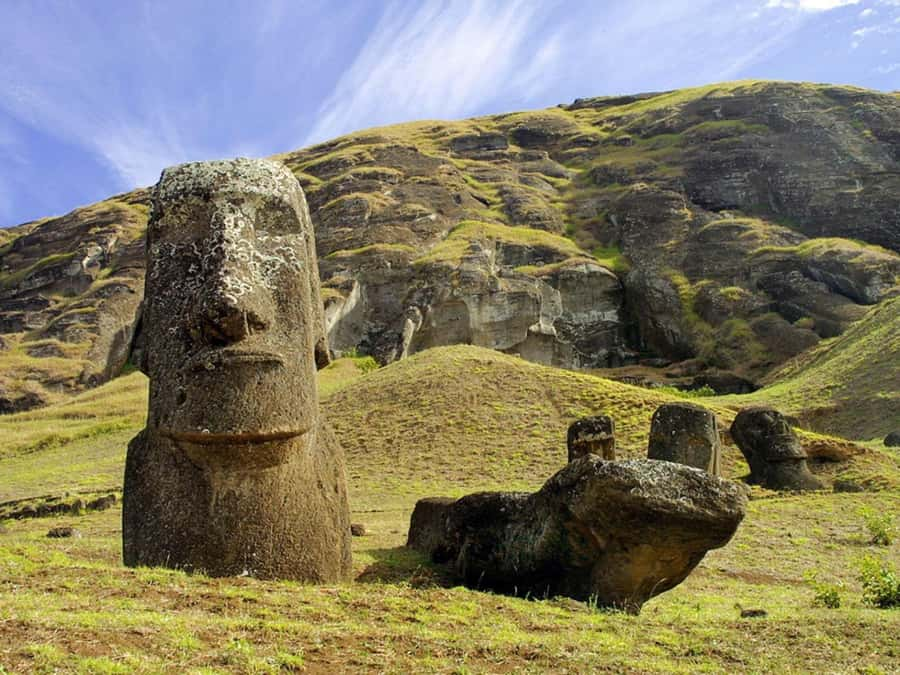
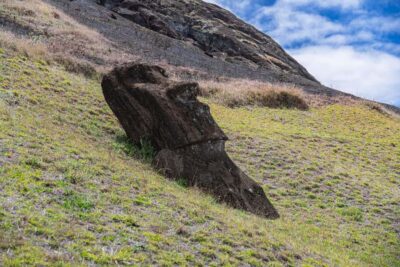
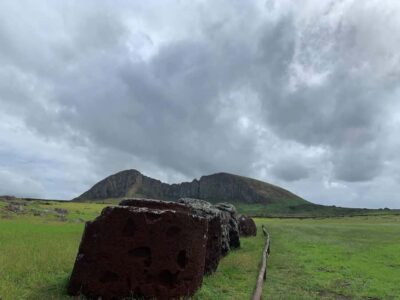
The volcanic quarry is often called the Moai factory because many of the statues were carved from its stone. You walk among figures that remain attached to the rock or were left unfinished. Some are only partly shaped, while others appear ready for transport. This gives you a rare look at the work before the statues reached their ahu.
I like this stop because it corrects a common misunderstanding. The Moai were not simply found standing across the island. They were planned, carved, moved, and placed in ceremonial settings. Seeing the quarry lets you picture the labor and decisions behind the finished figures.
Two hours sounds generous, but it can pass quickly. You will want time for photographs, listening, and walking the marked paths. Wear shoes suitable for uneven ground and save room in your attention for the guide’s explanation. The figures are impressive, but their position in the quarry is the real lesson.
This is also where a private guide can earn the price difference. You can stop to ask about an unfinished statue, the carving process, or the meaning of the figures instead of moving along with a fixed group. If you are interested in archaeology, this is the stop where an excellent explanation adds the most value.
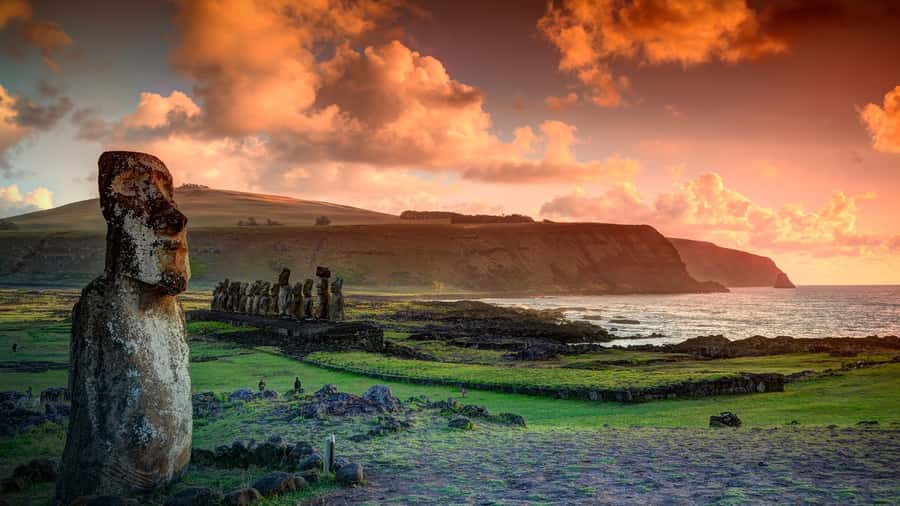
Ahu Tongariki and fifteen restored figures
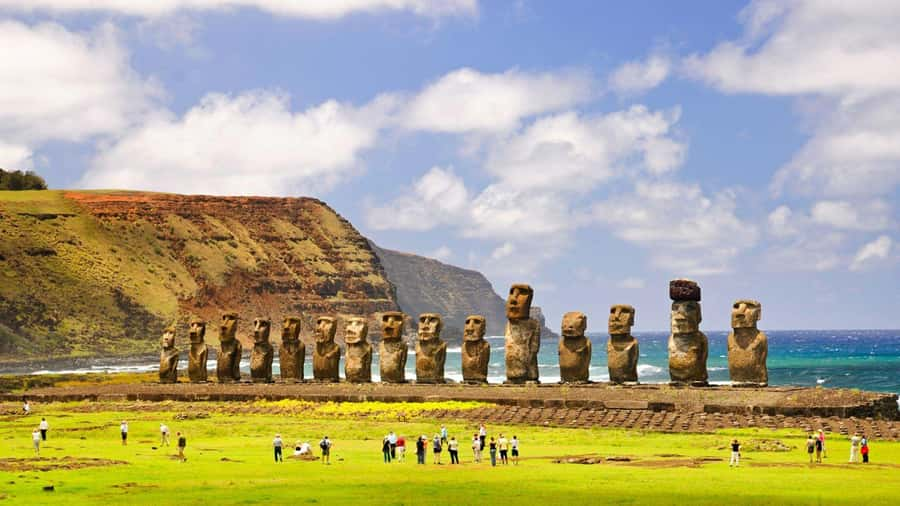
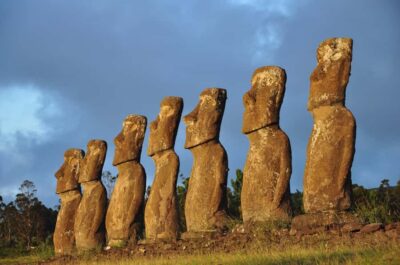
Ahu Tongariki gets about 80 minutes. It is the largest group of Moai on the route and one of the most powerful sights on Rapa Nui: 15 statues arranged on a long ceremonial platform.
The scale changes your sense of the island. After seeing individual or fallen figures, you face a full line of Moai in their intended setting. The guide can explain the platform, the statues, and what their arrangement tells you about the community that built it.
You have enough time here for a proper walk and several photographs, but not for an unhurried picnic or extended wandering. Keep your camera ready, yet give yourself a few minutes without it. The row is most impressive when you first take in the whole platform.
Tongariki is also a good place to compare the figures with what you saw at Rano Raraku. The quarry shows the beginning of the process. Tongariki shows the finished public display. Those two stops belong together, and this tour gives you time at both.
Ovahe and the coast near Anakena
Ovahe is scheduled for about 20 minutes. Its appeal is the pink-toned sand and the coastal setting. This is a scenic pause rather than a major archaeological stop, so it gives the day a useful change of pace after several ahu and Moai sites.
The short timing means you should not expect a long beach visit. You will have time for photos and a look around, but the main beach break comes later at Anakena.
The coastal stops also help explain that Rapa Nui is more than statues. The island’s ceremonial places sit within a setting of volcanic ground, open sea, and beaches. Seeing both the archaeological sites and the shore makes the day feel less like a checklist.
Anakena, the day’s long pause
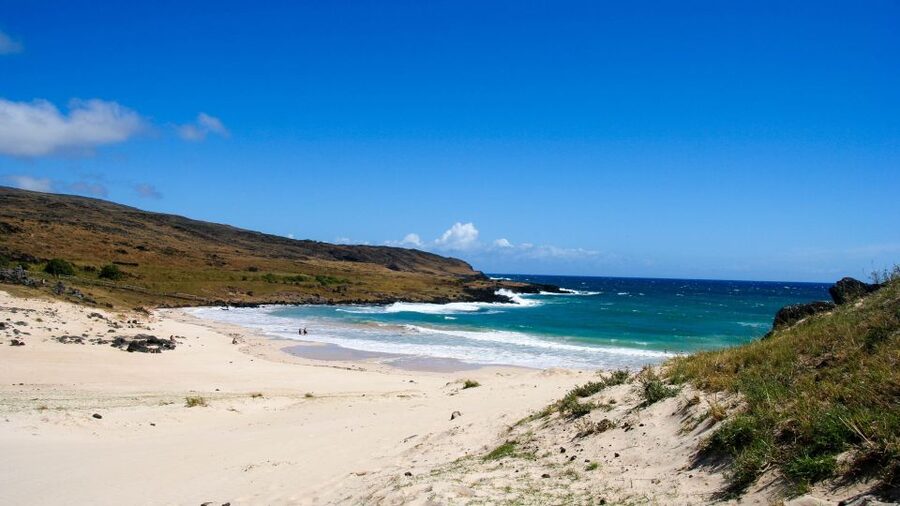
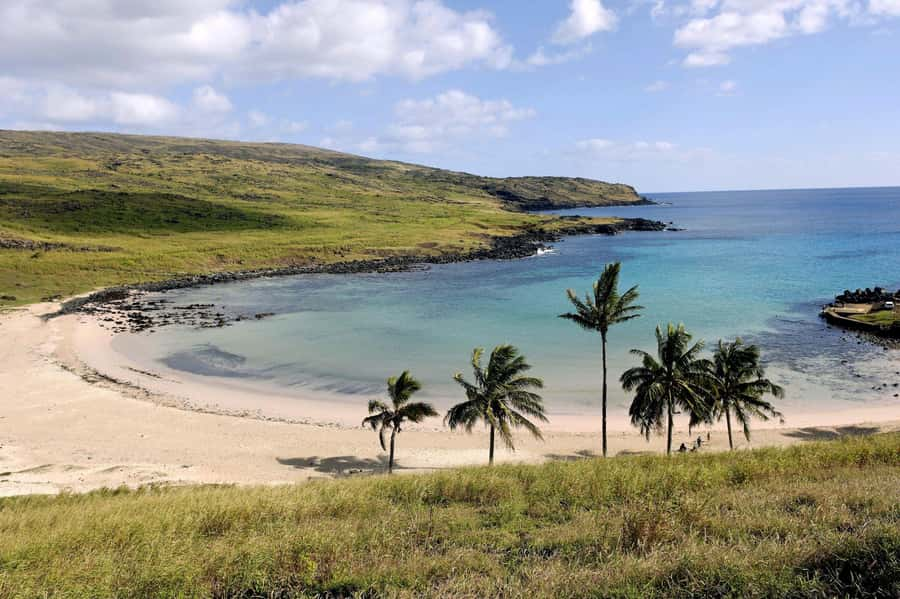
Anakena receives a total of about 130 minutes, split between a 100-minute visit and a 30-minute break. That makes it the best place to slow down.
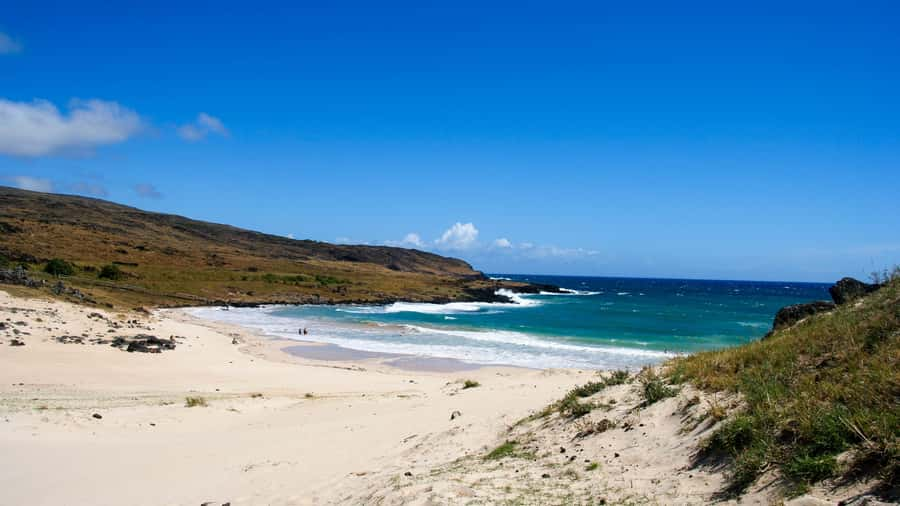
The beach has clear water, pale sand, and space for sightseeing, photos, and free time. Snorkeling and other water activities are mentioned as possibilities, but the tour does not include equipment or a scheduled activity. Treat those as options rather than promised parts of the program.
You can also use this time for a picnic, but bring or arrange your own food because meals are not included. The supplied information specifically includes one bottle of water per person, so carry anything else you want for a long day in the sun.
Anakena is a smart finish. After several hours of walking and listening, you have room to rest and take in the coast. The final 30-minute break may include shopping and scenic views along the way, so the ending is less rushed than the middle of the route.
Guide quality and the value of a private group
The tour is offered with live guiding in English, Spanish, and French. Simon and Flora are two guides associated with especially positive experiences, with Simon praised for waiting during a delayed tender arrival and explaining local history, culture, and language. Flora was described as friendly and effective.
Still, the guide experience is not guaranteed to be identical every day. One booking reported poor English, repeated explanations, and difficulty getting questions understood. That is a serious consideration if interpretation is the main reason you are booking a private tour.
A private group gives you the best chance to shape the day. Ask for more detail at Rano Raraku, request a slower look at Tongariki, or clarify a cultural point at Akahanga. You are paying for more than a vehicle. You are paying for access to a person who can make the sites meaningful.
At $219 per person, the value depends on group size and your time on the island. For one or two people, it is a substantial cost. For a private group splitting the price, it becomes easier to justify, especially since hotel pickup and a seven-hour route are included.
Park entry is not included, and food is extra. Add those costs before comparing this tour with other options. The private format is most useful for couples, families, or small groups who want control over questions and pace.
What to bring and how to plan the day
Keep your preparation simple:
- Bring food or arrange a picnic, since meals are not included.
- Carry sun protection and comfortable walking shoes.
- Bring your camera, but allow time to listen and look.
- Wait in your hotel lobby ten minutes before pickup.
- If arriving by tender, confirm the port meeting point and send your arrival time.
- Ask in advance if Vinapu and One Makihi will definitely be included.
- Make sure you understand which language your guide will use.
The tour includes a bottle of water, but one bottle may not be enough for seven hours, especially with walking and beach time. The supplied details do not specify extra water arrangements, so ask before departure.
Free cancellation is available up to 24 hours before the tour for a full refund, and you can reserve now and pay later. Those terms help if your island plans depend on changing cruise or flight schedules.
Should you book the History of the Moai tour?
Book it if you have one full day, want the major Moai sites in a single outing, and value a private guide who can explain the culture in your language. Rano Raraku, Tongariki, Akahanga, and Anakena make a strong combination, and the long stop at the quarry is a real advantage.
I would hesitate if you need perfect pickup coordination, want guaranteed time at every small stop, or dislike a tightly packed schedule. The mixed communication reports are worth taking seriously, especially for cruise arrivals.
Before paying, confirm three things: the exact pickup point, the guide language, and whether Vinapu is included on your date. If those details are clear, this is a well-priced way to cover Rapa Nui’s essential east and north coast sites without joining a large group.
FAQ
How long does the tour last?
The tour lasts seven hours, including pickup, sightseeing, walking, free time, and the return to Easter Island accommodations.
What languages are available?
Live guiding is available in English, Spanish, and French.
Is the tour private?
Yes. The activity is arranged for a private group rather than a shared group.
Is hotel pickup included?
Yes. Hotel pickup and return are included. You should wait in the hotel lobby ten minutes before the scheduled pickup time.
Are food and park admission included?
No. Food and entrance fees for the parks are not included. One individual bottle of water is included.
Can I cancel the booking?
You can cancel up to 24 hours in advance for a full refund. The activity also offers a reserve-now, pay-later option.
More Historical Tours in Easter Island
- Private tour: where the history of the Moai was born
★ 4.7 · 13 reviews - Santiago: Guided Walking Tour of the Historical Old Town
★ 4.8 · 459 reviews - Walking Tour Valparaiso, History & Art – Private Optional
★ 4.5 · 59 reviews - Essence of Santiago : History, Flavors and Panoramic Views
★ 5.0 · 45 reviews
Newest Easter Island trips on the site
- Volcanic Refuges: Excursion to Underground Civilization★ 4.7 · 8 reviews
- Half Day Tour in Rapa Nui★ 5.0 · 48 reviews
- Ride to the highest point on the island for sunset★ 5.0 · 40 reviews
- Tongariki Sunrise: Half Day Private Tour★ 3.8 · 9 reviews
- Terevaka Horse Excursion: The highest point and 360° view.★ 4.7 · 38 reviews
- Rapa Nui: Polynesian Massage★ 4.8 · 5 reviews
- Rapa Nui Highlights Program: 3 incredible tours to discover!★ 4.8 · 18 reviews
- Rapa Nui: 3 Excursions with Hotel Transfers★ 4.3 · 6 reviews
Moai Tours, compared.
Two days of Full Day Tour of Rapa Nui + Sunrise in Tongariki
Read our review →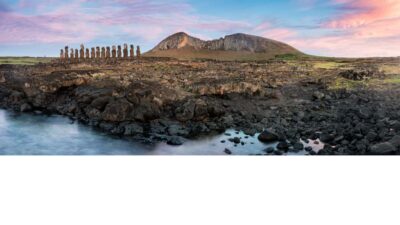
Sunrise Tongariki: Sunrise at Tongariki Park Private Tour
Read our review →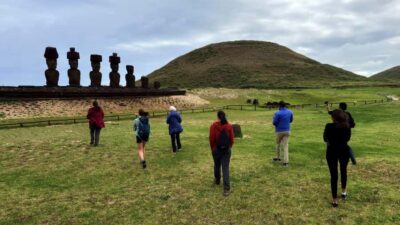
Ahu Vinapu, Rano Kao and Orongo City Half-Day Tour
Read our review →
Private tour: where the history of the Moai was born
Read our review →Browse the lists this tour appears in