
Reviewed · EASTER ISLAND TOURS
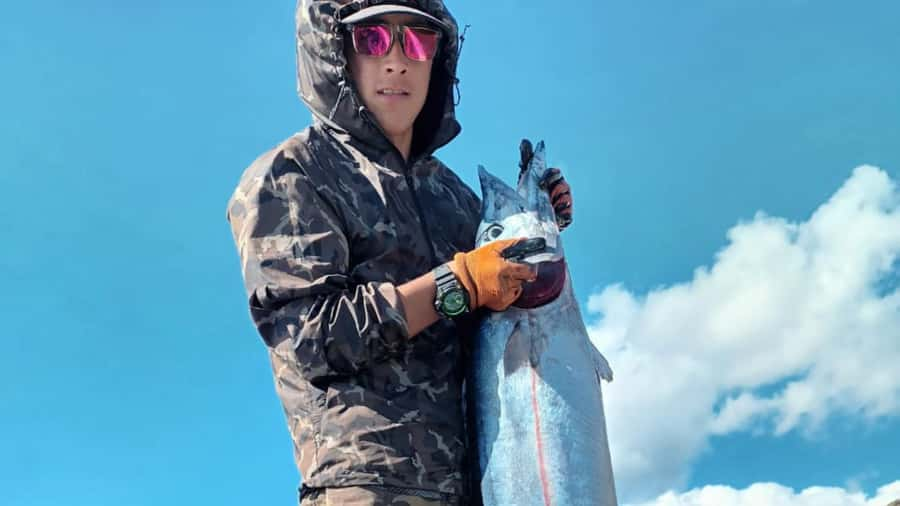
Ancestral fishing: Fishing with an experienced Rapa Nui
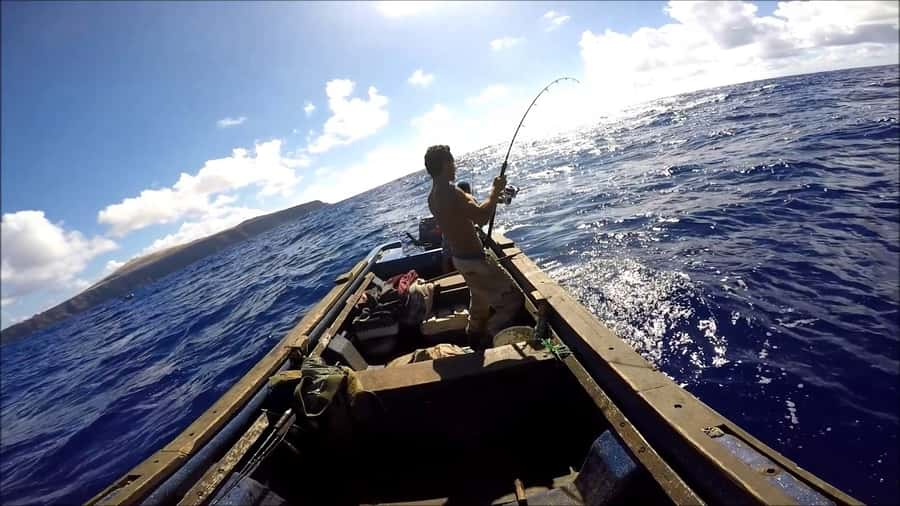
Fishing off Rapa Nui puts you in the Pacific with a native Rapa Nui fisherman, not behind a museum display. You will help prepare the gear, try traditional methods, and spend about two hours on the water, with the coast and offshore islets as your backdrop. I like the private format and the chance to learn from someone who practices local techniques. The possible catch is not guaranteed, and three hours can feel short if weather delays the trip.
I also like that pickup and return are included, along with fishing gear, a lifejacket, and snorkeling equipment. One guide has been praised for speaking excellent English and working hard to find fish, but communication may be much harder if you do not speak Spanish and your assigned guide has limited English.
Key points before you book
- Fishing is the main event: You go out by boat with a native Rapa Nui fisherman and learn the process from preparing equipment to trying to catch fish.
- The trip is private: You are not placed in a large shared group, and pickup can be arranged from any location in Hanga Roa.
- Hanga Piko and Ana Kai Tangata add context: The route includes a short guided stop at Hanga Piko and a photo stop at Ana Kai Tangata.
- The catch is uncertain: One outing produced a fish, while another had poor fishing conditions. The sea views remain a major part of the experience.
- Bring a way to carry fish: The catch may not be filleted, so a cooler and bags are useful if you plan to transport it.
- English ability can vary: The tour is offered in English and Spanish, but direct communication depends on the guide assigned to your boat.
Why ancestral fishing adds something different to Rapa Nui
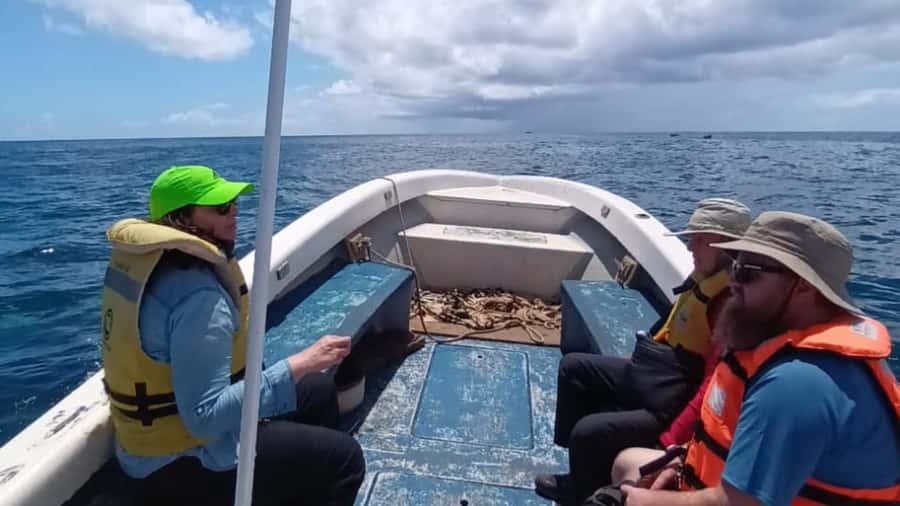
Most visitors come to Rapa Nui for the moai, and rightly so. Yet the island is not only a place of carved stone figures and archaeological sites. It is also a living Polynesian culture shaped by the ocean, and this outing gives you a practical way to meet that side of the island.
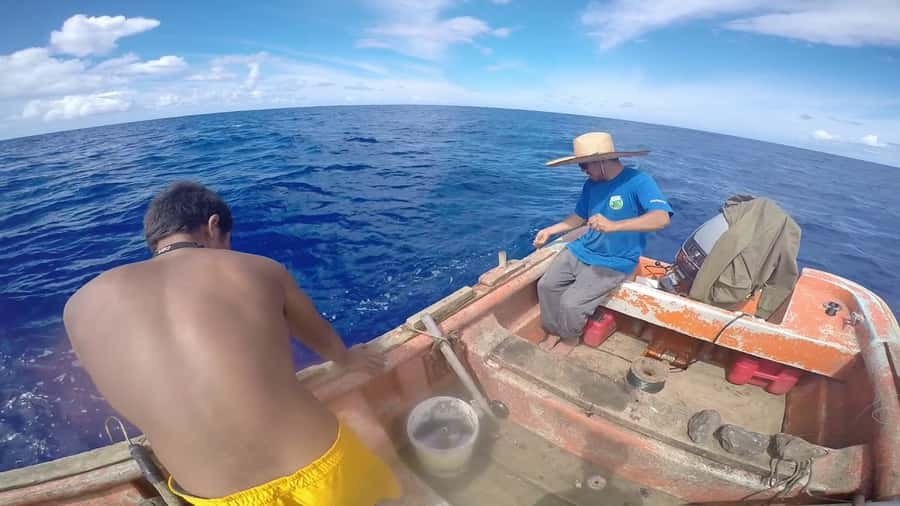
You are not simply watching a demonstration from shore. You go out on the Pacific, handle fishing equipment, and follow the guidance of a local fisherman. The aim is to show how older fishing practices connect with daily life, local knowledge, and the sea around the island.
That makes this a good choice for you if you want a cultural activity with some uncertainty built in. Fishing is not a stage performance. The fish may bite, or they may not. A successful catch is a bonus, while the boat ride, instruction, and coastal views form the reliable part of the outing.
The operator, Kapua Tours & Experience, describes the trip as ancestral fishing with a native Rapa Nui. No individual guide name is provided, so you should not book this expecting a particular fisherman unless the company confirms one in advance.
Other Hanga Roa days travellers pair with this one:
- From Hanga Roa: Rapa Nui Culture Sightseeing Tour
★ 4.6 · 307 reviews - From Hanga Roa: Easter Island Highlights 2-Day Tour
★ 4.3 · 205 reviews - From Hanga Roa: Journey from Orongo to Ana Te Pahu
★ 4.3 · 75 reviews
The three-hour route from Hanga Roa to the open Pacific
Your day begins with pickup in Hanga Roa. Pickup and return to your hotel are included, and the company says it can collect you from any place you want. That is useful on an island where you may be staying outside the immediate center or arranging several activities around a tight schedule.
The first stop is Hanga Piko, where you receive a short guided visit lasting about 10 minutes. This is a quick introduction rather than a full sightseeing stop. It gives the outing a sense of place before you head farther out, but you should not expect a long harbor tour or an extended cultural talk here.
Next comes Ana Kai Tangata, with about 10 minutes set aside for photographs. The stop matters because it links the fishing trip to the rugged coast and the island’s historic sites. It is best treated as a brief visual pause, not a full archaeological visit. If you are carrying a camera or phone, this is a good moment to keep it ready.
The main boat outing takes about two hours at the location identified in the itinerary. This is where the fishing instruction happens. You will help prepare the equipment, receive guidance on the traditional method, and try your hand at catching fish in the Pacific.
The boat then returns to Hanga Roa. Since the total activity lasts three hours, the schedule is compact. Weather, the pace of pickup, and time spent fishing can affect how much time you actually spend casting or waiting over productive water. I would leave some space around the tour rather than scheduling another important activity immediately afterward.
What happens once you are on the boat
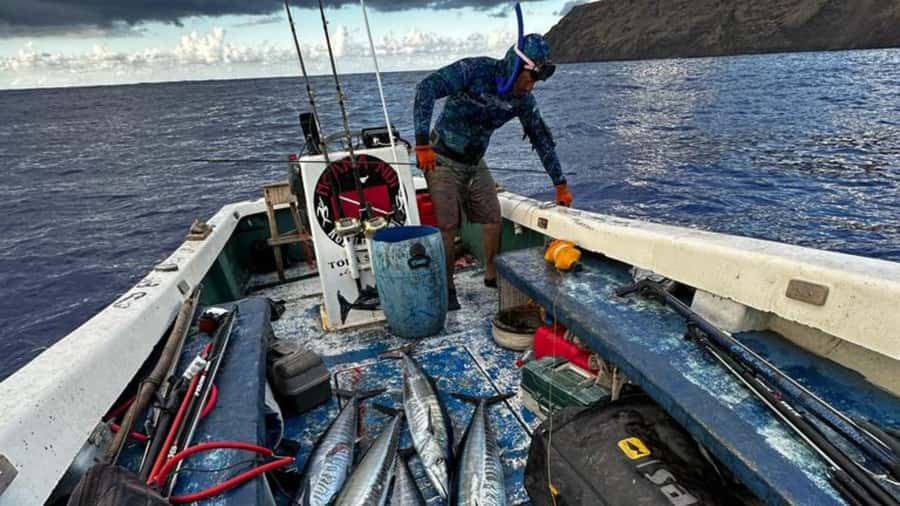
The strongest part of the experience is the hands-on format. Your guide is expected to explain the fishing equipment and show you how to use it, rather than simply fishing while you watch. That makes the trip more useful for a first-time fisher, though you should be ready to listen carefully and follow instructions around the boat.
The fishing technique is described as traditional and ancestral, but the supplied information does not specify the exact method, species, boat size, or fishing location. Those details can matter to serious anglers. If you want a very specific type of fishing, ask Kapua Tours & Experience before paying.
The guide also shares information about Rapa Nui culture and history during the outing. The value here is the setting. You are learning about the island while looking back at its coast from the ocean, not hearing a general talk in a town office.
A verified booking reported that the guide spoke excellent English, kept trying when the fish were slow, and moved around areas believed to be more productive. That same outing came close to the birdman sites and included views of the offshore islands. These sights are not presented as a separate birdman tour, so treat them as possible views from the water rather than a guaranteed visit ashore.
Another booking had a spectacular trip with fine views but poor fishing. The point is simple: the ocean is part of the experience, not a controlled fishing tank. You need to be comfortable paying for the chance to fish, even if the catch does not come.
Snorkeling equipment and what it tells you
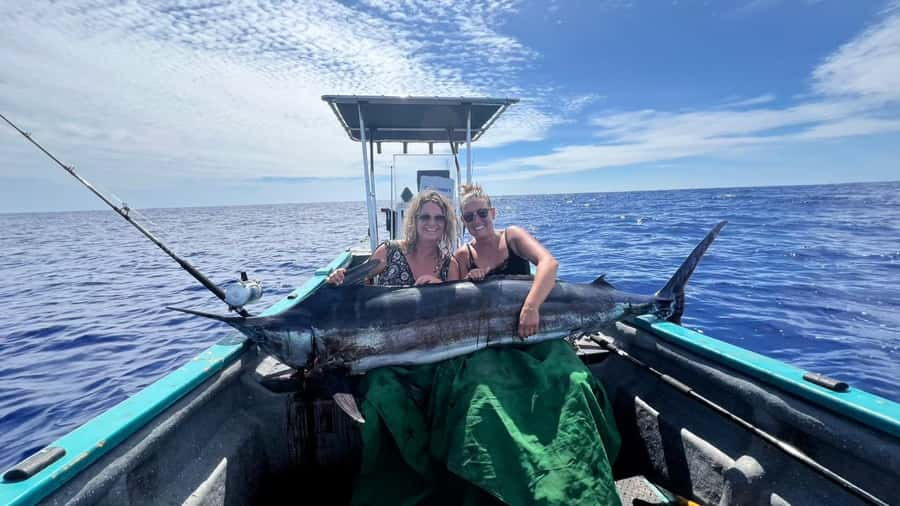
Snorkeling equipment is included, as are a lifejacket and fishing gear. The information does not promise a dedicated snorkeling session, a reef stop, or a particular amount of time in the water. Think of the equipment as an included option, not the main reason to book.
You should bring beachwear, sandals, comfortable shoes, sunscreen, and a change of clothes. That list makes sense for a boat trip where spray, sun, and wet equipment are possible. A change of clothes is especially practical if you use the snorkeling gear or get soaked during the boat ride.
The lifejacket is included, but no other safety details are provided. If you have concerns about sea conditions, ask about the weather policy before departure. One scheduled trip was moved by a day because of weather, so flexibility matters.
The outing is available during the day, when you can enjoy the sun and ocean views. Starting times vary, so check the available departure when booking. A private trip gives you more control over the feel of the day, but it does not remove the effects of wind or rough water.
A few more Hanga Roa half-days worth a look
- Two days of Full Day Tour of Rapa Nui + Sunrise in Tongariki
★ 4.8 · 55 reviews - Sunrise Tongariki: Sunrise at Tongariki Park Private Tour
★ 4.5 · 47 reviews - Rapa Nui Dreams: Experiencie Pack 3 Days
★ 4.7 · 32 reviews - Easter Island: Full-Day Tour to Anakena
★ 4.7 · 27 reviews
What happens if you catch a fish
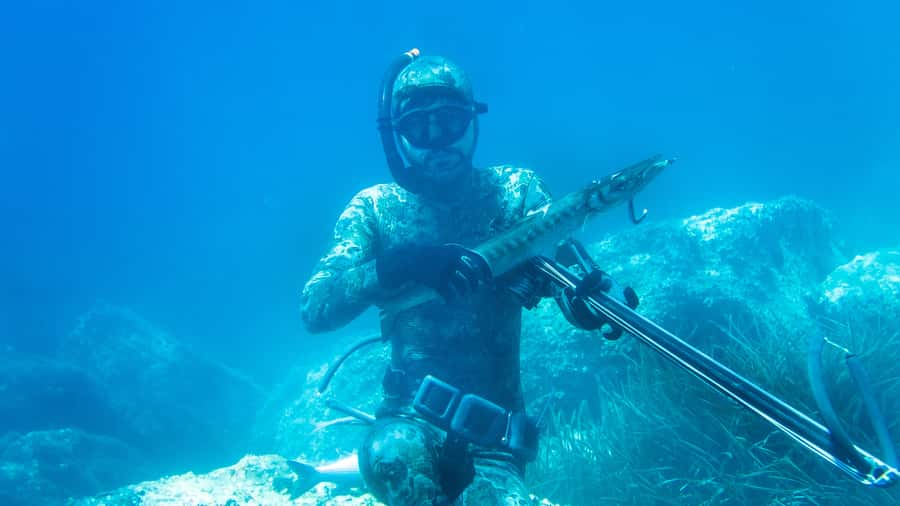
The plan is for the fishermen to prepare the fish you catch so you can enjoy it as a local dinner. At the same time, food is listed as not included. That distinction is worth clarifying before you go: the catch may be prepared, but you should not assume a full meal, drinks, or other food are covered by the $180 price.
You also need to think about transport. Fish may not be filleted. One person had to carry the catch in a bucket of water, which created a mess. If you want to take fish away for cooking, bring a cooler and sturdy bags, or ask the operator what they recommend before departure.
For many people, the most satisfying result will be eating what they catch soon after the trip. For others, the fish is simply part of the story. Either way, this is not a standard sightseeing cruise with a guaranteed lunch. Plan around the catch rather than counting on it.
Is $180 a fair price?
At $180 per person, this is not a budget activity. Its value depends on what you are buying. You are paying for a private three-hour experience, hotel pickup and return, a native Rapa Nui guide, boat time, fishing equipment, a lifejacket, and snorkeling gear.
That package can make sense if you care about local contact and want an activity tailored to your own group. The private format is more appealing to couples, families, or friends who prefer not to share a boat with strangers. It also saves you the work of finding transport to the harbor.
The price is harder to justify if your main goal is simply catching a lot of fish. The trip lasts only three hours, the actual fishing window may be shorter after pickup and stops, and the catch is not guaranteed. A poor fishing day can still bring good views, but it may not satisfy a dedicated angler looking for quantity.
I see the best value in the combination of local instruction, private transport, and time on the water. You are paying for access to an experience that is difficult to reproduce on your own, not for a guaranteed seafood meal.
Language and communication matter
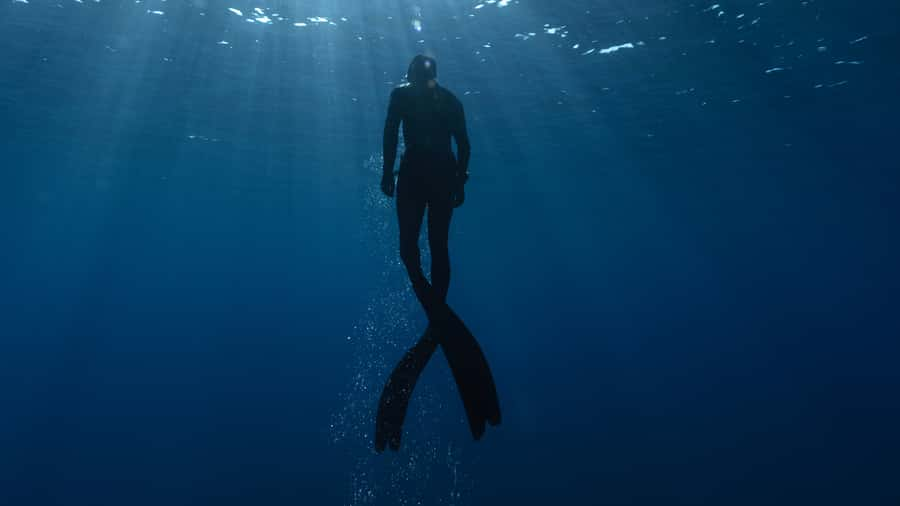
The experience is offered in English and Spanish. That sounds flexible, but the quality of communication may depend on the person assigned to your boat.
One English-speaking guide was praised for communicating well and making a strong effort to find fish. Another participant, who had low-intermediate Spanish, found the trip difficult because the guide’s English was limited. That is important if you want detailed explanations of fishing techniques or Rapa Nui culture.
If you speak little or no Spanish, ask Kapua Tours & Experience to confirm that an English-speaking guide is available for your date. Do this before booking, especially if cultural explanation is as important to you as the fishing itself.
Even with a language gap, the activity may still work through demonstration and simple instructions. But a boat is not the easiest place to solve communication problems, so it is better to confirm than assume.
Who will enjoy this most
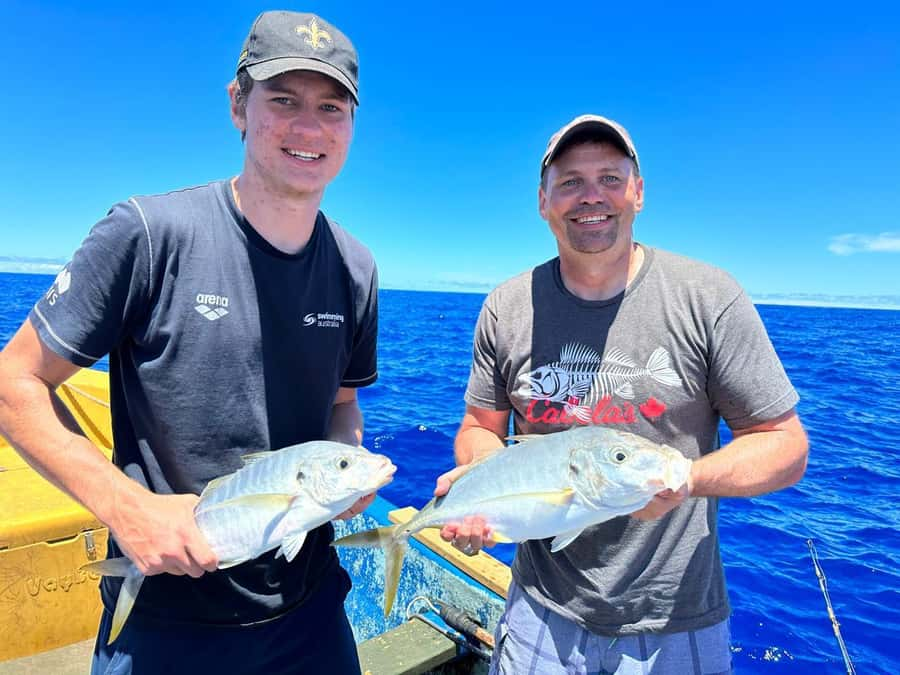
I would recommend this for you if you like active cultural experiences, small private outings, and time outdoors. It suits people who want to add something personal and slightly unusual to a first visit centered on moai and archaeological sites.
It is also a good fit if you enjoy fishing enough to accept an uncertain result. You should be happy with a scenic boat ride and local contact even if the fish do not cooperate.
Families may appreciate the private setup, though the supplied information does not give an age limit or child policy. Ask about that directly if you are traveling with children. The same applies if anyone in your group has concerns about the sea, swimming, or boat travel.
I would think twice if you have only a few hours free and cannot tolerate schedule changes. Weather already caused one trip to move by a day, and a rescheduled outing can be a real problem on a short visit.
Booking details worth checking first
The activity costs $180 per person and lasts three hours. It includes pickup and return, fishing equipment, snorkeling equipment, and a lifejacket. Food is not included.
You can cancel up to 24 hours before the activity for a full refund, and the reserve-now, pay-later option lets you hold a place without paying immediately. Those terms help if your plans depend on weather or a changing island schedule.
Before confirming, I would ask four practical questions:
- Will the guide speak English fluently on my date?
- Is snorkeling planned, or is the equipment simply available?
- What happens to the fish after it is caught?
- If weather forces a change, what new departure times are offered?
These questions do not take long to ask, and the answers can change how useful the tour is for your group.
Should you book the Rapa Nui fishing experience?
Book it if you want to get beyond the usual sightseeing route and spend time with a native Rapa Nui fisherman on the Pacific. The strongest reasons are the private format, the hands-on instruction, the coastal views, and the possibility of seeing the birdman islets from the boat.
Skip it if you need a guaranteed catch, a full meal, or a long fishing session. The trip is brief, weather can interfere, and communication may be limited unless you confirm an English-speaking guide.
My advice is to book this as a cultural ocean outing with fishing, not as a high-yield angling charter. Bring sun protection, dry clothes, and a cooler or bags if you want to transport fish. With the right expectations, it offers a memorable way to experience Rapa Nui from the water.
FAQ
How long does the ancestral fishing tour last?
The activity lasts three hours, including the pickup, short stops, boat fishing, and return to Hanga Roa.
Where does the tour begin?
Pickup is provided in Hanga Roa, and the company says it can collect you from any location you choose.
What is included in the price?
The $180 per person price includes hotel pickup and return, fishing equipment, snorkeling equipment, and a lifejacket.
Is food included?
No. Food is not included, although the fishermen are expected to prepare any fish you catch so you can enjoy it as a local dinner.
Is the tour offered in English?
Yes. The tour is offered in English and Spanish. English ability can vary by guide, so confirm that an English-speaking guide is available if you need detailed communication.
Can I cancel for a full refund?
Yes. You can cancel up to 24 hours in advance for a full refund.
Newest Hanga Roa trips on the site
- Volcanic Refuges: Excursion to Underground Civilization★ 4.7 · 8 reviews
- Rapa Nui: Polynesian Massage★ 4.8 · 5 reviews
- Rapa Nui Highlights Program: 3 incredible tours to discover!★ 4.8 · 18 reviews
- Rapa Nui: 3 Excursions with Hotel Transfers★ 4.3 · 6 reviews
- Rapa Nui Dreams: Experiencie Pack 3 Days★ 4.7 · 32 reviews
- Ahu Vinapu, Rano Kao and Orongo City Half-Day Tour★ 4.6 · 20 reviews
- Hanga Roa: Full Day Moai and Mistery★ 4.4 · 22 reviews
- Easter Island: Tropical Diving★ 4.8 · 13 reviews
Easter Island Tours, compared.
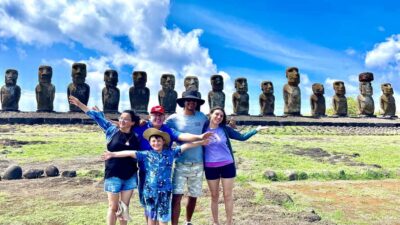
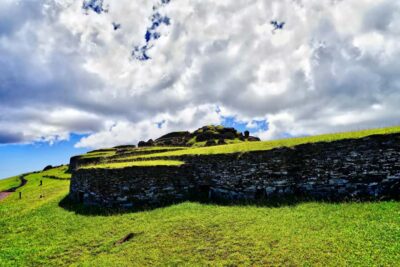
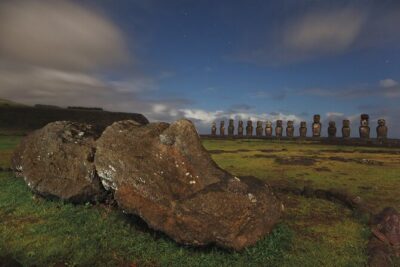


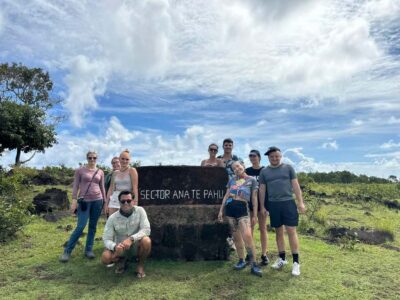
Two days of Full Day Tour of Rapa Nui + Sunrise in Tongariki
Read our review →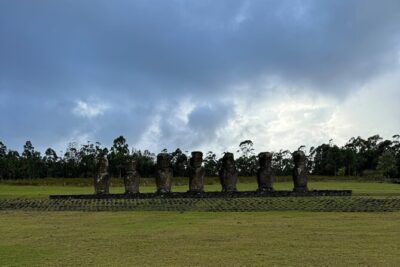
Browse the lists this tour appears in