
Reviewed · EASTER ISLAND TOURS
Rapa Nui: 3 Excursions with Hotel Transfers
Rapa Nui’s moai are only part of the story. This three-tour package takes you from the Orongo Ceremonial Village on a crater rim to the quarry where many statues were carved, then out to Ahu Tongariki and Anakena Beach. You get the island’s major sights without having to arrange separate rides.
I like the useful mix of archaeology and scenery: you see sacred villages, toppled and standing moai, volcanic craters, and a white-sand beach. I also like the hotel pickup, airport welcome with a flower necklace, and the clear split between two half-day outings and one longer day. The main consideration is that the national park ticket, meals, and drinks cost extra, and the wording about being valid for six hours should be checked carefully when booking this multi-day program.
Key points to know before you book
- Three outings cover the island’s major sites: Two half-day tours are followed by one full-day circuit.
- Rano Raraku is the centerpiece: You see the quarry that supplied most of the stone used for Rapa Nui’s moai.
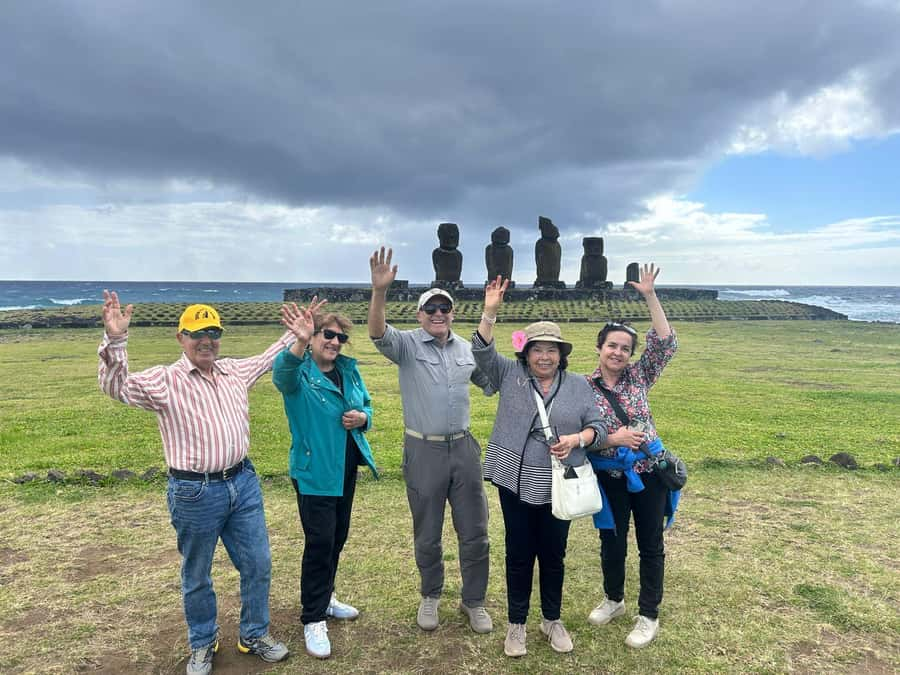
- Ahu Tongariki has 15 statues: This is one of the strongest stops on the route, including the heaviest moai ever erected on the island.
- Guide Uca handled bilingual groups well: English and Spanish guiding is available.
- Anakena adds a welcome change of pace: You get about an hour at a palm-lined white-sand beach.
- Budget for extras: The national park ticket, food, and drinks are not included.
Three tours that make sense together
This experience is built for you if you want a broad first look at Rapa Nui without piecing together local transport. The program begins with a hotel pickup in Hanga Roa, then spreads the main sights across two half-day tours and one full-day outing.
That structure matters. Rapa Nui’s archaeological sites are scattered across the island, so a guided vehicle saves you from spending your limited time working out routes between them. You also get a guide who can explain what you are seeing rather than simply arriving at a row of statues and taking photographs.
The package includes hotel pickup and drop-off, transportation, and an English or Spanish-speaking guide. The airport reception with a flower necklace is a thoughtful touch, especially if this is your first arrival on the island.
The experience costs $177 per person. I consider that fair if you want the convenience of transport, guiding, and a planned route through the island’s main sites. The value drops if you already have transport and prefer to visit places at your own pace. Since the national park ticket and meals are separate, add those expenses before comparing this with other options.
One practical point needs attention. The activity information says it is valid for six hours from first activation, while the program itself describes tours spread over two days. Ask the operator how the six-hour validity applies to this package before you pay. That is a small but important detail.
A few more Hanga Roa half-days worth a look
- From Hanga Roa: Rapa Nui Culture Sightseeing Tour
★ 4.6 · 307 reviews - From Hanga Roa: Easter Island Highlights 2-Day Tour
★ 4.3 · 205 reviews - From Hanga Roa: Journey from Orongo to Ana Te Pahu
★ 4.3 · 75 reviews
Orongo and Rano Kau: a powerful first half-day
The first outing heads to the south peninsula, where you visit Orongo Ceremonial Village beside the Rano Kau Crater. This is one of the island’s most memorable settings because the ceremonial settlement sits at the edge of a vast volcanic crater.
Orongo is tied to Rapa Nui’s birdman ceremony, an important part of the island’s ceremonial life. The location helps explain why this place mattered. You are not looking at an isolated group of stone buildings. You are standing at a high point above the crater, with the sea on one side and the volcanic bowl on the other.
Take your time here to look beyond the buildings. The crater is a major part of the experience, and the position of the village gives you a clear sense of the island’s volcanic origins. Bring a hat, sunscreen, water, and breathable clothing, since this is an exposed outdoor visit.
The same half-day continues to Ahu Vinapu, another ceremonial site. It gives you a second look at the island’s stonework and religious spaces after Orongo’s dramatic crater setting.
This first outing is not as packed with famous moai as the full-day circuit. That can make it feel quieter and less immediately exciting, especially if your main goal is to photograph standing statues. Still, a good guide can make the difference by explaining why the sites matter. Guide Uca is specifically noted for keeping interest high during the less compelling portions of the first day and for handling a group in two languages.
Puna Pau, Ahu Akivi, and Tahai in one afternoon
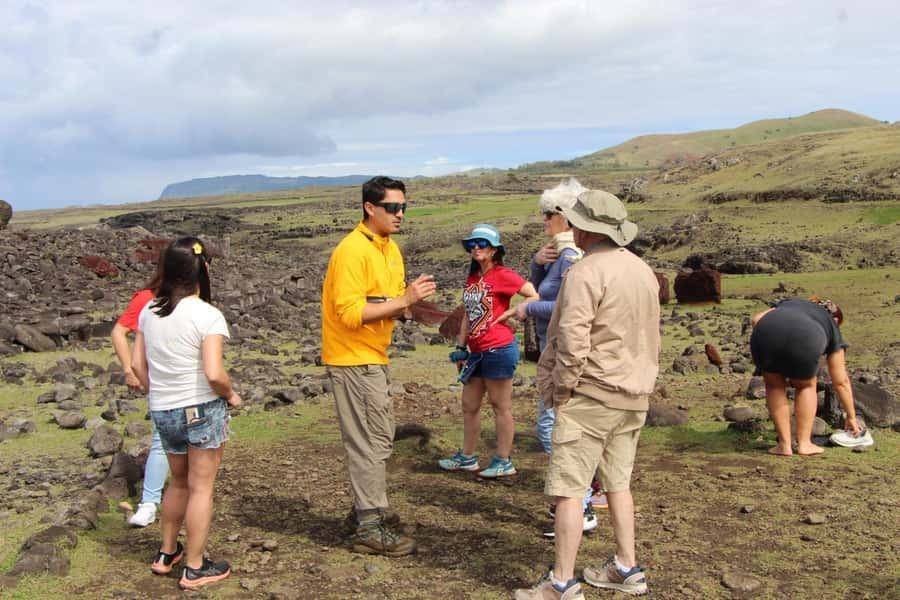
The second half-day heads northwest to Puna Pau Quarry. This site supplied the red scoria used for the headdresses, or topknots, placed on some moai. It is easy to focus only on the statues themselves, but Puna Pau shows that Rapa Nui’s monumental works required more than one source of stone.
You can use this stop to understand the separate parts of a moai. The main figure and its headdress were made from different materials and came from different locations. That makes the quarry especially useful for putting the island’s statue-building process together.
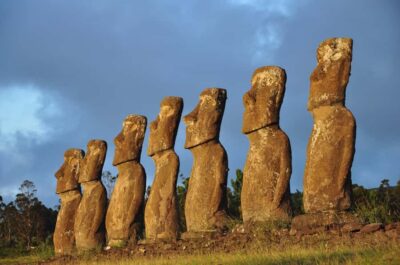
Next comes Ahu Akivi, where seven moai face inland. The group is often treated as one of the key statue sites on Rapa Nui, and its arrangement gives you a different view from the coastal platforms seen later.
The stop at Tahai Village rounds out the afternoon. Tahai is close to Hanga Roa and offers another ceremonial setting with moai. Because it comes after Puna Pau and Ahu Akivi, you have already learned to look for differences in platform design, statue position, and the surrounding setting.
The advantage of this afternoon is variety. You move from a stone source to a group of seven moai, then to a site close to town. The drawback is time. These half-day outings cover several locations, so you should expect a planned pace rather than long stretches for solitary exploration.
The full-day route begins at Vaihu and Akahanga
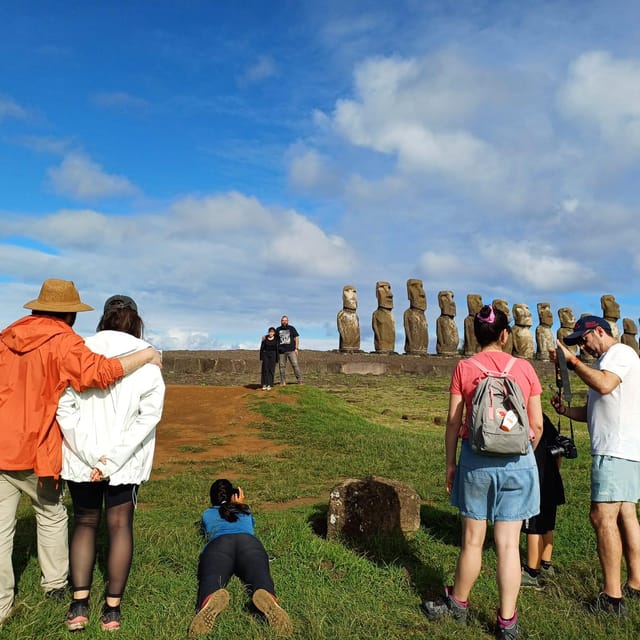
The longer excursion covers the southeast and northeast parts of Rapa Nui. It starts at the Vaihu Complex, then continues to Akahanga Village.
Akahanga is linked with the burial place of the island’s first king. The stop also gives you another look at fallen moai and ceremonial platforms. Not every important site on Rapa Nui is made up of statues still standing upright. Fallen figures and damaged platforms are part of the island’s visible past, and they help you see these places as more than a series of polished photo stops.
The first part of the day sets up the central question of the island’s archaeology: how were these huge stone figures made, moved, and placed? That question comes into sharper focus at Rano Raraku.
Same corner of Chile, a completely different day out:
- Two days of Full Day Tour of Rapa Nui + Sunrise in Tongariki
★ 4.8 · 55 reviews - Sunrise Tongariki: Sunrise at Tongariki Park Private Tour
★ 4.5 · 47 reviews - Rapa Nui Dreams: Experiencie Pack 3 Days
★ 4.7 · 32 reviews - Easter Island: Full-Day Tour to Anakena
★ 4.7 · 27 reviews
Rano Raraku is the tour’s main event
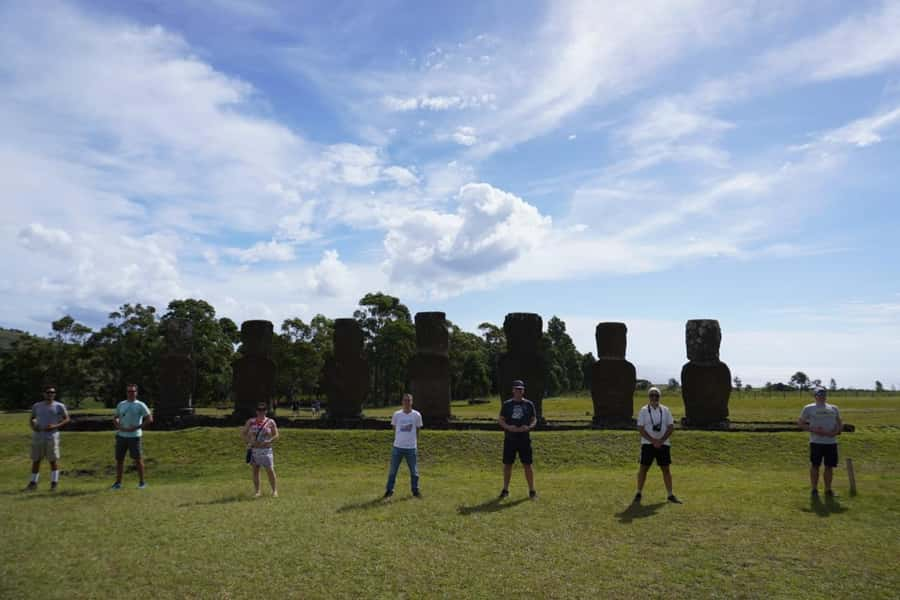
Rano Raraku supplied most of the stone used for Rapa Nui’s moai. For many people, this is the most valuable stop in the entire program.
At the quarry, you can see unfinished statues and the volcanic slopes from which they were cut. The unfinished figures make the site feel different from a ceremonial platform lined with completed moai. Here, the carving process is still visible in the stone.
This is the place where a guide adds real value. Without context, you might see statues in various stages of completion and move on. With an explanation of the quarry’s role, you begin to understand how the island’s monuments were produced and why so many figures remain here.
The schedule includes a lunch stop at a restaurant directly in front of the quarry. Food is not included, so bring money and confirm your meal plans with the guide. The restaurant location is convenient, since you do not have to make a separate journey for lunch, but the cost is yours.
Rano Raraku can also be the busiest-feeling part of the day simply because it is such a major sight. You should bring comfortable shoes, water, a camera, and sun protection. Outdoor clothing is recommended, and you should be prepared for a full day outside.
Ahu Tongariki and the island’s biggest figures
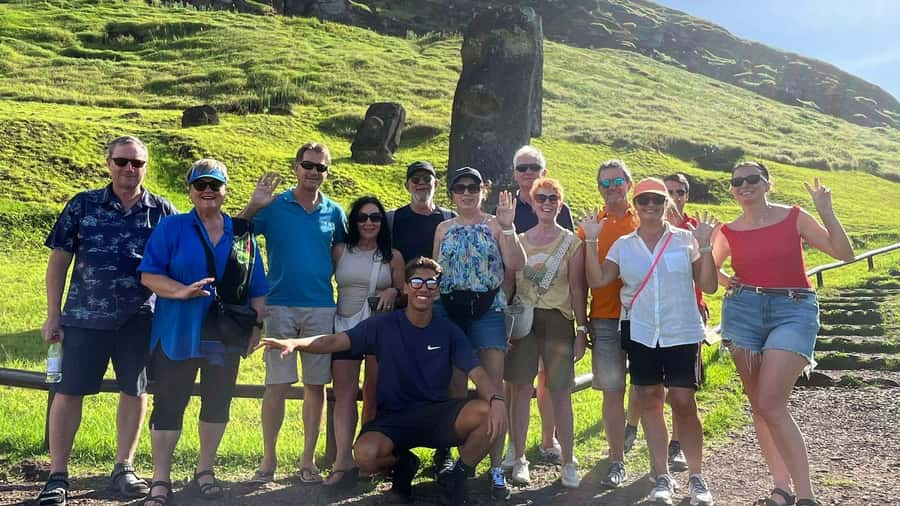
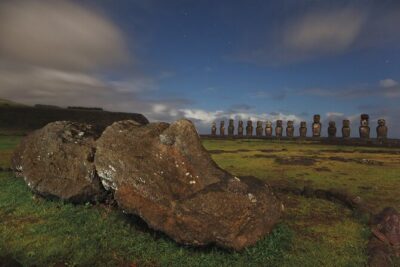
After lunch, the route continues to Ahu Tongariki. Its 15 moai create one of the most impressive group views on Rapa Nui.
The scale is the point. A single moai has impact, but a long platform filled with statues gives you a stronger sense of the ceremonial ambition behind these sites. You also see the heaviest statue ever erected on the island, which adds a useful detail to an already dramatic stop.
Allow yourself a quiet moment here before rushing to photographs. Look at the different heights and shapes of the figures, then compare them with the smaller groups at Ahu Akivi and Tahai. The comparison is one of the benefits of taking all three outings rather than visiting only one statue site.
The full-day route then reaches Te Pito Kura, associated with the largest moai ever built. The figure measures 10 meters tall. Even if the statue is not standing, its size gives you a sense of how far the island’s builders pushed the limits of stone carving and transport.
These stops are best for anyone who wants scale and spectacle. They are less suited to someone who prefers a slow, unstructured day at just one site. The itinerary covers a great deal of ground, so expect the guide to keep the group moving.
Anakena Beach brings a gentler finish
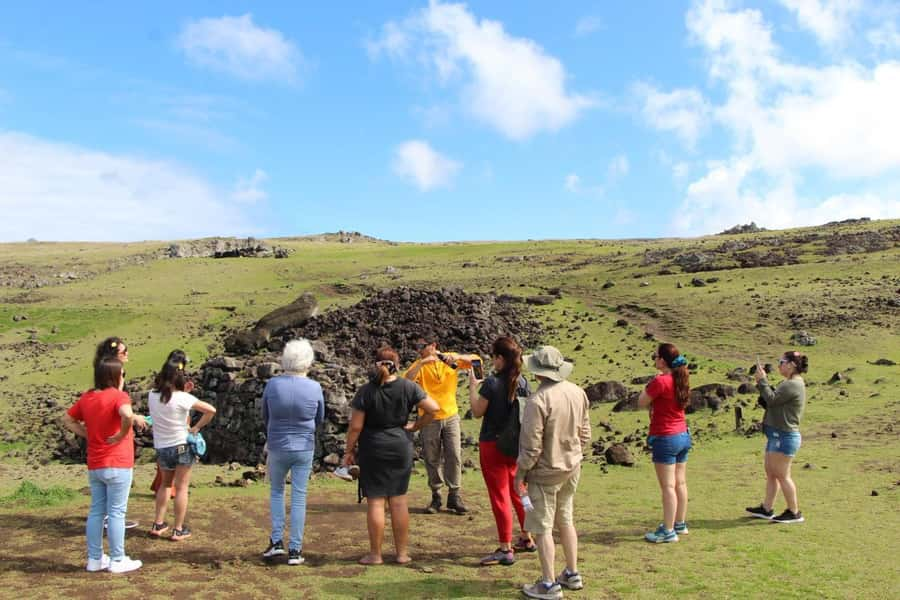
The final major stop is Anakena Beach, where you get about an hour of free time. After a day of quarries, platforms, and monumental stone, the change is welcome.
Anakena is known for its white sand and palm grove. The beach gives you a chance to enjoy Rapa Nui as an island, not only as an archaeological site. You can take photographs, rest by the shore, or use the hour as a break from the steady rhythm of guided visits.
Bring a towel and beachwear if you want to make use of the stop. Sunscreen, water, a hat, and light clothing are also sensible. The tour information does not promise extended swimming time, so treat the beach visit as approximately one hour of free time rather than a full beach afternoon.
This is one of the best design choices in the program. The day ends with a place that is visually different from every earlier stop, and the palm trees and sand soften what could otherwise be a very demanding archaeological circuit.
Guides, transport, and the pace of the day
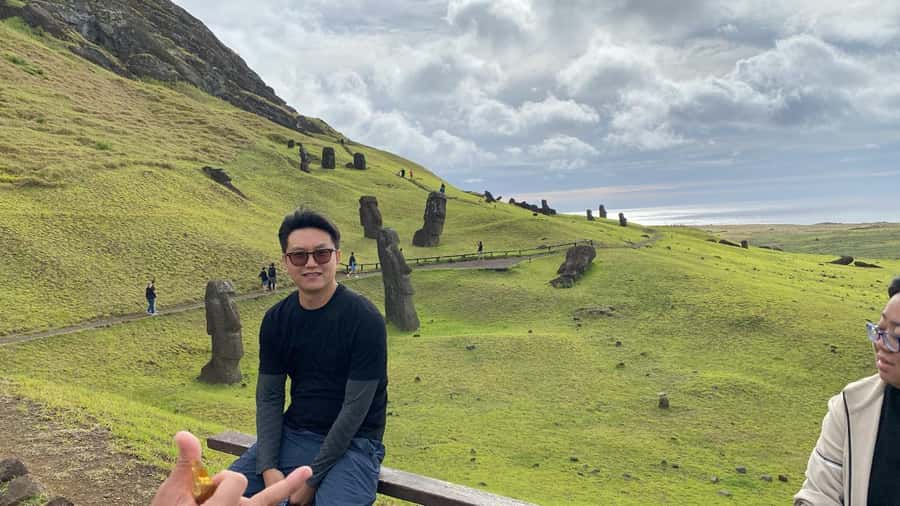
The tour uses vehicle transportation with pickup and drop-off outside your hotel in Hanga Roa. That is particularly useful on Rapa Nui, where the sights are spread across the island and the full-day route reaches both the southeast and northeast.
You should be ready outside your hotel at the arranged pickup time. The transportation is shared, and the program is organized around several scheduled stops rather than private, flexible touring.
English and Spanish guiding is available. Guide Uca is specifically associated with combining a group in both languages while keeping the first, less exciting outing engaging. That is worth noting if you are choosing this program partly for explanation rather than transport alone.
The pace is the main tradeoff. You see a great deal, but you will not have unlimited time at each site. Comfortable shoes are important, and outdoor clothing is sensible. Smoking, alcohol, and drugs are not allowed.
The experience is not suitable for wheelchair users. The program includes archaeological sites, outdoor ground, and beach time, so anyone with mobility concerns should ask the operator for more detail before booking.
What to budget and what to pack
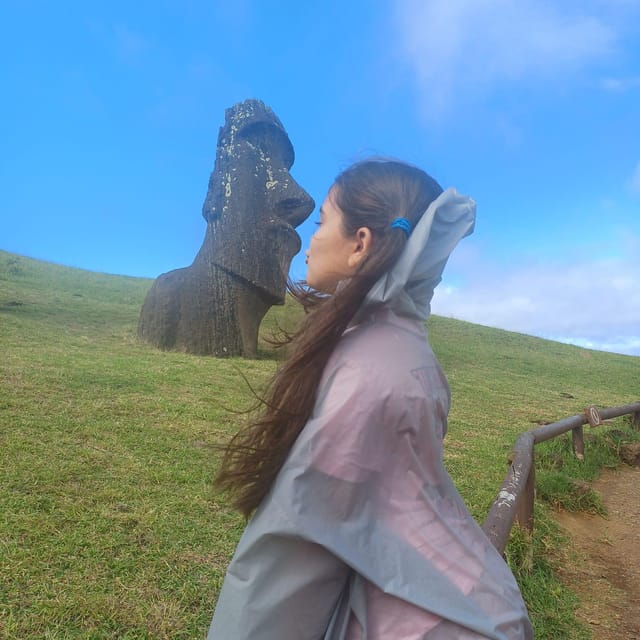
The $177 price covers the three tours, vehicle transportation, hotel pickup and drop-off, guiding, and airport reception with a flower necklace. It does not cover the national park ticket, food, or drinks.
The extra costs are not minor details. Most of the best-known stops fall within the island’s protected archaeological areas, so you should plan for the required park entry separately. Lunch is also on your own during the full-day outing.
Pack light but prepare for sun and outdoor conditions:
- Comfortable shoes
- Hat and sunscreen
- Water
- Camera
- Towel and beachwear
- Breathable outdoor clothing
- Passport, or a copy if accepted for your arrangements
Free cancellation is available up to 24 hours before the activity for a full refund, and you can reserve now and pay later. Those terms help if your island schedule is still changing, but confirm the six-hour validity wording because it does not obviously match a program spread across two days.
Who should book this Rapa Nui package?
I would choose this experience if you want the island’s main archaeological sights organized for you, especially if you are staying in Hanga Roa without your own transport. It is also a good fit if you want a guide to connect Orongo, the quarries, ceremonial platforms, and the moai into one understandable story.
You should think twice if you dislike fixed schedules, want long quiet periods at each site, or already have a way to get around. The national park ticket and meals also mean the headline price is not your final cost.
The strongest reason to book is the full-day route. Rano Raraku, Ahu Tongariki, Te Pito Kura, and Anakena Beach give you the clearest mix of famous statues, quarry history, scale, and scenery. The two half-days make the package more complete, while the airport welcome and hotel transfers remove much of the practical fuss.
If you want a broad, guided introduction to Rapa Nui, this is a sensible choice. Just confirm the timing, budget for the park ticket and lunch, and bring shoes and sun protection suited to a full day outdoors.
FAQ
Where does the tour begin and end?
Pickup and drop-off are provided at your hotel in Hanga Roa. The listed pickup and return location is Hanga Roa.
How many tours are included?
The package includes two half-day tours and one full-day tour.
Which languages are available?
The live guide service is available in English and Spanish.
Is the national park ticket included?
No. The national park ticket is not included in the price.
Are food and drinks included?
No. Food and drinks are not included. Lunch is planned at a restaurant in front of Rano Raraku Quarry during the full-day tour.
What should I bring?
Bring comfortable shoes, a hat, sunscreen, water, a camera, a towel, beachwear, breathable clothing, outdoor clothing, and your passport. A copy of your passport is accepted according to the activity information.
Can I cancel the booking?
Yes. You can cancel up to 24 hours in advance for a full refund. You can also reserve now and pay later.
Newest Hanga Roa trips on the site
- Volcanic Refuges: Excursion to Underground Civilization★ 4.7 · 8 reviews
- Rapa Nui: Polynesian Massage★ 4.8 · 5 reviews
- Rapa Nui Highlights Program: 3 incredible tours to discover!★ 4.8 · 18 reviews
- Rapa Nui Dreams: Experiencie Pack 3 Days★ 4.7 · 32 reviews
- Ahu Vinapu, Rano Kao and Orongo City Half-Day Tour★ 4.6 · 20 reviews
- Hanga Roa: Full Day Moai and Mistery★ 4.4 · 22 reviews
- Easter Island: Tropical Diving★ 4.8 · 13 reviews
- Easter Island: Half-Day Archaeology Tour★ 4.2 · 19 reviews
Easter Island Tours, compared.
Two days of Full Day Tour of Rapa Nui + Sunrise in Tongariki
Read our review →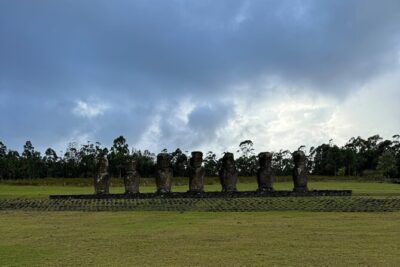
Browse the lists this tour appears in